
Athens Attractions: Top Spots for 2026
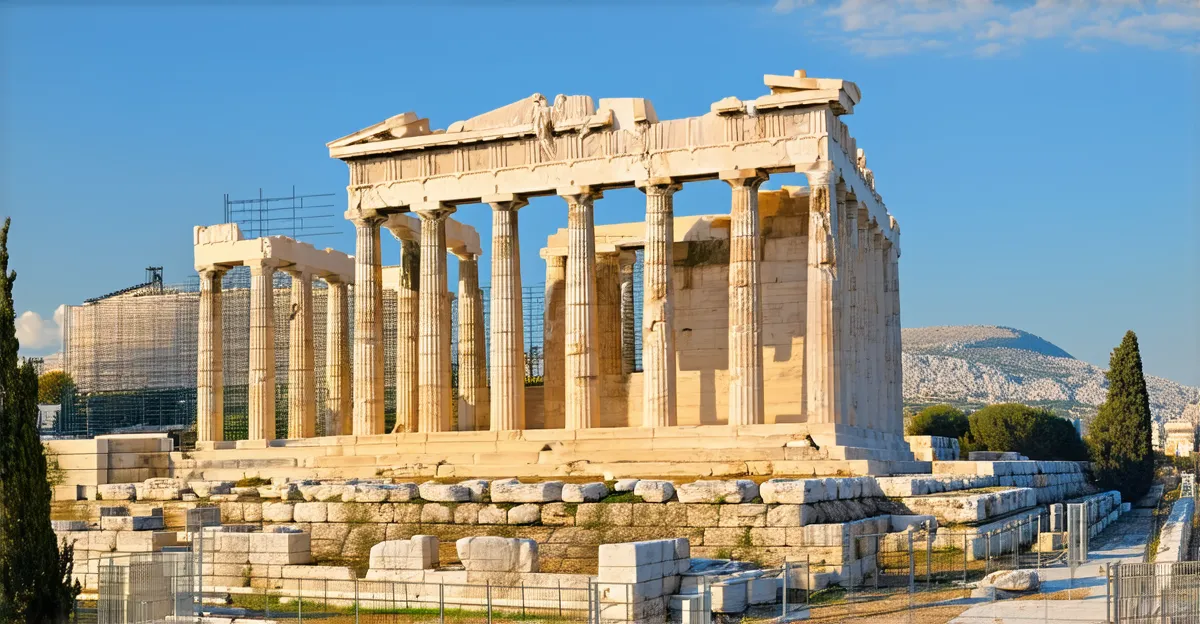
Table of Contents
Athens Attractions: Unveiling the Best of 2026
Discover the allure of Athens in 2026! This bustling metropolis, steeped in ancient history and brimming with modern energy, offers a plethora of captivating Athens Attractions for every traveler. Whether you’re a history enthusiast, a food lover, or simply seeking breathtaking views, Athens promises an unforgettable experience. Prepare to explore the best Athens Attractions this year!
The Acropolis: A Timeless Wonder Among Athens Attractions
To plan your trip, review Athens International Airport.
The Acropolis, an ancient citadel perched high above Athens, stands as a testament to the glory of ancient Greece. As one of the most iconic Athens Attractions, it draws visitors from around the globe, eager to witness its magnificent structures and delve into its rich history. The Acropolis is not just a collection of ruins; it’s a symbol of classical architecture, artistic achievement, and the enduring legacy of Greek civilization. Furthermore, its strategic location offers breathtaking panoramic views of the modern city sprawling below, creating a stunning contrast between the ancient and the contemporary.Key Structures and Historical Significance
The Parthenon, the most famous structure on the Acropolis, is a marvel of Doric architecture and was dedicated to the goddess Athena. Its impressive columns and intricate sculptures demonstrate the advanced engineering and artistic skills of the ancient Greeks. Besides the Parthenon, other notable Athens Attractions within the Acropolis include the Erechtheion, known for its elegant Porch of the Caryatids, and the Temple of Athena Nike, which commemorates victory and peace. Each monument contributes to the Acropolis’s overall grandeur and historical significance. Moreover, the Propylaea serves as the monumental gateway, marking the transition into this sacred space. To enhance your exploration, consider joining an Acropolis and Acropolis Museum tour.
Pro Tip: Arrive early in the morning or late in the afternoon to avoid the crowds and the intense midday heat, ensuring a more pleasant and immersive experience.
Exploring the Acropolis offers a unique glimpse into the heart of ancient Athenian life. Imagine the bustling activity that once filled this sacred hill, from religious ceremonies to political gatherings. The Acropolis was not only a religious center but also a symbol of Athenian power and cultural identity. Therefore, understanding its historical context allows visitors to appreciate the depth and breadth of its significance. In addition, the Acropolis Museum, located nearby, houses an extensive collection of artifacts discovered on the site, providing further insights into its past.
For those seeking a comprehensive understanding of Athens Attractions, the Acropolis is an essential starting point. Its timeless beauty and historical importance make it a must-see destination for anyone visiting Athens. As you wander through its ancient ruins, you’ll connect with the spirit of classical Greece and gain a deeper appreciation for the foundations of Western civilization. Find more interesting Athens Activities to complement your visit.
To fully appreciate this historical landmark, consider booking a skip-the-line entry ticket to the Acropolis and delve deeper into the wonders of ancient Greece.
Ancient Agora: Exploring the Heart of Ancient Athenian Life
The Ancient Agora stands as a testament to the vibrant daily life of ancient Athens. As the city’s central public space, it served not only as a marketplace but also as a hub for political, social, and religious activities. Wandering through the ruins of the Agora offers a unique glimpse into the heart of Athenian democracy and philosophy. Furthermore, its historical significance makes it an essential stop for anyone interested in understanding the foundations of Western civilization. From bustling commerce to profound philosophical debates, the Agora encapsulates the essence of ancient Athenian culture.
Unveiling the Agora’s Key Structures
Among the notable structures within the Ancient Agora are the Temple of Hephaestus, one of the best-preserved ancient temples in Greece, and the Stoa of Attalos, a reconstructed Hellenistic building housing the Agora Museum. The Temple of Hephaestus, dedicated to the god of metalworking, offers a stunning example of ancient Greek architecture. The Stoa of Attalos, on the other hand, provides valuable insights into the commercial and social life of the Agora. Moreover, these landmarks offer tangible connections to the past, allowing visitors to imagine the lively interactions that once filled this space. Exploring these structures is undoubtedly one of the top Things to Do in Athens.
Pro Tip: Visit the Ancient Agora early in the morning to avoid crowds and enjoy the serene atmosphere. This allows for a more intimate experience with the ruins and a better appreciation of their historical significance.
Visiting the Ancient Agora allows you to stroll through the same grounds where Socrates, Plato, and other influential figures once walked and shared their ideas. Imagining these intellectual exchanges adds a profound dimension to the experience. Besides its philosophical importance, the Agora also played a critical role in the development of Athenian democracy, as citizens gathered here to discuss and vote on important matters. As you explore the site, consider the legacy of these democratic ideals that continue to influence modern societies. Also, don’t miss out on other Athens Attractions such as exploring more activities in Athens.
To further enhance your visit, consider joining a guided tour that delves into the history and significance of the Ancient Agora. These tours often provide valuable context and anecdotes that bring the ruins to life. Also, ensure you wear comfortable shoes, as you will be doing a fair amount of walking on uneven terrain. Exploring the Agora is a journey through time, offering a fascinating glimpse into the daily lives, beliefs, and achievements of the ancient Athenians.
To make the most of your trip to Athens, consider booking a tour that combines the Acropolis and Acropolis Museum with the Ancient Agora: Book your Acropolis & Agora tour here!
Acropolis Museum: Unveiling Ancient Artifacts
The Acropolis Museum stands as a modern marvel, thoughtfully designed to house the treasures unearthed from the Acropolis. Located a short walk from the ancient citadel itself, the museum provides a fascinating glimpse into the rich history and artistry of ancient Greece. Its collection showcases artifacts spanning from the Greek Bronze Age to Roman and Byzantine Greece. Therefore, a visit to the museum significantly enhances one’s appreciation of the Athens Attractions and their historical significance.
Key Exhibits and Highlights
The museum’s design cleverly integrates natural light to illuminate its exhibits, creating an immersive experience. Visitors can explore several floors of galleries, each dedicated to a different period or aspect of Acropolis history. The Parthenon Gallery, in particular, is a highlight, displaying the Parthenon Marbles in a way that allows visitors to understand their original context on the temple. Moreover, the museum’s displays include statues, pottery, and everyday objects that reveal insights into ancient Athenian life. As a result, you can gain a deeper understanding of the civilization that shaped Western culture. Exploring the museum is undoubtedly one of the most enriching Things to Do in Athens.
Pro Tip: Visit the museum early in the morning or late in the afternoon to avoid the largest crowds, ensuring a more peaceful and intimate experience with these ancient treasures.
Furthermore, the Acropolis Museum is not just a repository of artifacts; it’s a center for archaeological research and conservation. The museum regularly hosts educational programs and workshops aimed at engaging visitors of all ages. Besides, the café and restaurant offer stunning views of the Acropolis, providing a perfect spot to reflect on the historical wonders you’ve just witnessed. For a more comprehensive exploration of Athens Experiences, consider combining your museum visit with a guided tour of the Acropolis. This approach lets you fully appreciate the link between the artifacts and their original setting.
For those interested in delving deeper into the history of Athens, a visit to the Acropolis Museum is indispensable. To further enhance your understanding of Athens Activities, consider booking a guided tour of the Acropolis and the museum. This ensures you don’t miss any key details and gain valuable context from expert guides. Moreover, you can explore more Athens Activities.
Plaka District: A Charming Neighborhood Among Athens Attractions
⭐ Recommendation: Don't miss out on amazing Athens tours - book now!
Nestled at the foot of the Acropolis, the Plaka district is arguably Athens’ most enchanting neighborhood. Known for its labyrinthine streets, neoclassical architecture, and vibrant atmosphere, Plaka offers a delightful escape from the bustling city center. As you wander through its narrow alleys, you’ll encounter a charming mix of traditional tavernas, quaint shops, and historical landmarks, making it a must-visit destination for anyone exploring Athens Attractions. Moreover, the area provides a glimpse into the city’s rich past while offering modern-day delights.
Exploring the Heart of Plaka
Plaka is brimming with unique experiences. Start by exploring its numerous boutique shops selling handcrafted souvenirs, local artwork, and traditional Greek products. For a taste of authentic Athenian cuisine, dine at one of the many tavernas, where you can savor delicious dishes like souvlaki, moussaka, and fresh seafood. Furthermore, the neighborhood is home to several ancient sites, including the Roman Agora and the Tower of the Winds, offering a glimpse into the city’s Roman past. Therefore, exploring the Plaka district provides a rich cultural immersion into the heart of Athens.
Pro Tip: Visit Plaka in the early morning or late afternoon to avoid the crowds and enjoy a more relaxed exploration of its charming streets.
Among the various Things to Do in Athens, exploring Plaka stands out due to its unique blend of history and modern life. The neighborhood is also known for its lively nightlife, with numerous bars and cafes offering a range of entertainment options. During the day, you can discover hidden courtyards, admire colorful bougainvillea-covered houses, and soak in the vibrant atmosphere. In addition, Plaka’s proximity to other major attractions like the Acropolis makes it a convenient base for exploring the city.
For those seeking Athens Outdoor Activities, Plaka offers a delightful pedestrian experience. Strolling through its streets, you’ll encounter street performers, local musicians, and a variety of cultural events. Additionally, the neighborhood is known for its cat population, adding to its unique character. As a result, whether you’re interested in history, culture, or simply soaking in the atmosphere, Plaka offers something for everyone.
To fully experience the charm of Plaka and other Athens Experiences, consider joining a guided tour. Discover the flavors of Athens with a street food tour in Plaka and immerse yourself in the local culinary scene. You can also Explore More Athens Activities to enhance your visit.
Mount Lycabettus: Panoramic Views of Athens
Mount Lycabettus, standing tall as the highest point in Athens, offers unparalleled panoramic views of the sprawling cityscape, the Aegean Sea, and the surrounding mountains. Reaching the summit is an adventure in itself, and the breathtaking vistas make it an essential destination for anyone seeking remarkable Athens Attractions. Whether you choose to hike, take the funicular, or enjoy a leisurely stroll, the journey to the top is well worth the effort.
Ascending Mount Lycabettus: Options for Every Traveler
There are several ways to ascend Mount Lycabettus, each providing a unique experience. For those who enjoy physical activity, hiking trails wind up the hillside, offering a chance to immerse yourself in the natural surroundings. Alternatively, the funicular railway provides a quick and convenient option, whisking you to the top in just a few minutes. Regardless of your choice, the anticipation builds as you approach the summit, eager to witness the stunning views. In addition, the well-maintained paths and the availability of the funicular make it accessible to most visitors, thereby ensuring a memorable experience. This is definitely one of the best Things to Do in Athens!
Pro Tip: Visit Mount Lycabettus during sunset for an unforgettable experience as the city lights begin to twinkle below and the sky transforms into a canvas of vibrant colors.
At the summit, you’ll find the charming Chapel of St. George, a whitewashed church that adds to the picturesque setting. Furthermore, a café and restaurant offer opportunities to relax and enjoy refreshments while soaking in the scenery. From this vantage point, you can identify numerous landmarks, including the Acropolis, the Ancient Agora, and the coastline stretching into the distance. Moreover, the panoramic perspective allows you to appreciate the sheer scale and beauty of Athens.
Visiting Mount Lycabettus provides a unique opportunity to escape the urban bustle and connect with nature. The tranquil atmosphere and stunning views create a serene environment perfect for contemplation and appreciation. Moreover, it offers fantastic photo opportunities, allowing you to capture the essence of Athens from a different perspective. It is undoubtedly one of the top Athens Outdoor Activities. To discover more outdoor adventures, explore other activities in Athens.
To enhance your trip to Athens, consider a guided tour. Book a tour of Athens today!
Temple of Olympian Zeus: A Colossal Ancient Ruin
The Temple of Olympian Zeus, also known as the Olympieion, stands as a testament to the ambition and architectural prowess of ancient Athens. Although now largely in ruins, this colossal structure once dwarfed even the Parthenon, showcasing the city’s wealth and power. Located southeast of the Acropolis, it’s an essential stop for anyone exploring Athens Attractions. Construction began in the 6th century BC but was only completed under Roman Emperor Hadrian in the 2nd century AD, a timeline reflecting the temple’s complex history and various cultural influences. Consequently, its remains offer a fascinating glimpse into the evolution of Athenian architecture over several centuries.
Exploring the Ruins
Today, visitors can wander among the towering Corinthian columns that still stand, imagining the temple’s former grandeur. Originally, it housed 104 such columns, each standing nearly 17 meters tall. Even in its ruined state, the scale is breathtaking and provides a powerful sense of the past. Moreover, the surrounding area provides informative plaques that detail the temple’s history and significance. Therefore, exploring the Temple of Olympian Zeus provides invaluable context to your understanding of Things to Do in Athens and the city’s ancient heritage.
Pro Tip: Visit early in the morning or late in the afternoon to avoid the crowds and intense heat, particularly during the summer months. This allows for a more peaceful and reflective experience among the ruins.
The temple’s location also offers stunning views of the Acropolis, creating a picturesque backdrop for photos and contemplation. As you explore, consider the various historical figures who walked the same grounds, from ancient Athenians to Roman emperors. Additionally, the nearby Hadrian’s Arch, built to honor the Roman emperor, serves as a symbolic gateway between the ancient city and its Roman expansion. Thus, visiting this site provides a unique opportunity to connect with Athens Experiences that bridge different eras.
For those interested in delving deeper into the ancient world, consider taking a guided tour that combines a visit to the Temple of Olympian Zeus with other significant sites, such as the Acropolis and Ancient Agora. These tours offer expert insights and historical context that enhance your understanding of Ancient Athenian Life. You can discover the wonders of the Acropolis and its museum through guided tours of the Acropolis or you can find more activities in Athens to fill your itinerary.
Explore the colossal ruins and step back in time. For an unforgettable experience, book your skip-the-line walking tour of the Acropolis today!
Panathenaic Stadium: Home of the First Modern Olympic Games
🎯 Insider Tip: Discover the best Athens experiences with Viator Tours!
The Panathenaic Stadium, also known as Kallimarmaro, is a historic landmark in Athens and a must-see among Athens Attractions. Not only is it the only stadium in the world built entirely of marble, but it also holds the distinction of hosting the first modern Olympic Games in 1896. Visiting this stadium offers a unique opportunity to step back in time and connect with the origins of modern athletic competition. As you walk through its grand arches and stand on its historic track, you’ll feel the echoes of past victories and the spirit of the Olympic Games.
A Glimpse into History
Originally built for the Panathenaic Games in 330 BC, the stadium was later reconstructed in marble by Herodes Atticus in 144 AD. Over the centuries, it fell into disrepair before being renovated for the 1896 Olympics, thereby becoming a symbol of the revival of the Olympic movement. Today, the Panathenaic Stadium stands as a testament to the enduring legacy of Greek athletic tradition. Furthermore, it continues to host events and ceremonies, including concerts and special athletic competitions, making it a living monument to the spirit of sportsmanship. Exploring this iconic venue is certainly one of the top Things to Do in Athens.
Pro Tip: Visit the stadium early in the morning to avoid crowds and fully appreciate the serenity and grandeur of this historic site.
Whether you are a history enthusiast, a sports lover, or simply a traveler looking to experience the best of Athens, the Panathenaic Stadium offers a compelling experience. Imagine walking the same path as the athletes of the past, surrounded by the gleaming white marble that has witnessed centuries of human achievement. Additionally, the stadium provides stunning photographic opportunities, especially during sunset when the marble reflects the golden light.
Beyond its historical significance, the Panathenaic Stadium provides insight into the architectural prowess of ancient and modern builders. The meticulous reconstruction efforts have preserved its original design, allowing visitors to appreciate the symmetry and precision that went into creating this masterpiece. Thus, a visit here offers a blend of cultural enrichment and historical appreciation, making it an unforgettable part of your journey through Athens. For those seeking to delve deeper into Athens Activities, a guided tour of the stadium can provide valuable insights into its rich history and significance.
To make the most of your visit to Athens, consider joining a guided tour that includes the Panathenaic Stadium, offering deeper insights into its historical context and significance. Book your Athens hop-on-hop-off tour today!
National Archaeological Museum: A Treasure Trove of Greek Art
🌟 Local Expert Tip: Get the most out of your Athens visit with guided tours!
The National Archaeological Museum in Athens stands as a monumental repository of Greek art and civilization, showcasing a vast collection that spans prehistoric times to late antiquity. Housing some of the most significant artifacts recovered from archaeological sites across Greece, it provides an unparalleled glimpse into the country’s rich cultural heritage. As one of the premier Athens Attractions, the museum attracts history enthusiasts and art lovers alike, offering a comprehensive overview of Greek artistry and historical development.
Exploring Key Exhibits
Within the museum’s extensive galleries, visitors can explore a remarkable array of exhibits, including the Mask of Agamemnon, a gold funerary mask believed to have belonged to a Mycenaean king. Furthermore, the Kouros statues, depicting idealized Male figures, illustrate the evolution of Greek sculpture, while the Antikythera Mechanism, an ancient analog computer, reveals the advanced scientific knowledge of the Greeks. Additionally, the museum features collections of pottery, jewelry, and other artifacts that offer insights into daily life in ancient Greece. Therefore, each exhibit enriches our understanding of the diverse facets of Greek culture and history. To further explore cultural Athens Activities, consider visiting other historical sites.
Pro Tip: Allocate at least three to four hours for your visit to fully appreciate the depth and breadth of the museum’s collections. Guided tours are available and highly recommended to gain a deeper understanding of the exhibits.
Moreover, the National Archaeological Museum is not just a static display of artifacts; it’s a dynamic center for research and education. Through its exhibitions and educational programs, the museum aims to promote a greater appreciation for Greek art and its influence on Western civilization. Consequently, it serves as a vital link between the past and the present, inspiring visitors to reflect on the enduring legacy of ancient Greece.
For those planning their visit, the museum is conveniently located near other significant Athens Attractions, making it easy to incorporate into a broader exploration of the city. Whether you’re interested in ancient sculpture, pottery, or technological innovations, the National Archaeological Museum offers something for everyone. Also, consider exploring other Things to Do in Athens, such as outdoor activities and cultural experiences, to complete your journey through Greek history.
Immerse yourself in the wonders of ancient Greece with a guided tour of the National Archaeological Museum. Book your tickets now and uncover the treasures of Greek art!
Explore the timeless allure of Athens in 2026! Uncover the best Athens Attractions and make unforgettable memories in this historic city. Start planning your Athenian adventure today!
Frequently Asked Questions
🎯 Insider Tip: Discover the best Athens experiences with Viator Tours!
A: The Acropolis, Parthenon, Ancient Agora, and the Acropolis Museum are essential stops for understanding ancient Greek history and culture.
A: Spring (April-May) and fall (September-October) offer pleasant weather and fewer crowds, making them ideal for exploring Athens’ outdoor attractions.
A: Plaka is known for its traditional tavernas, Monastiraki for its vibrant flea market, and Syntagma for its grand architecture and political significance.
A: Consider purchasing the Athens City Pass for access to multiple attractions and public transportation.
A: The Temple of Olympian Zeus and Hadrian’s Arch provide glimpses into the Roman influence on Athens’ historical landscape.