
Beijing Attractions: Your 2026 Guide
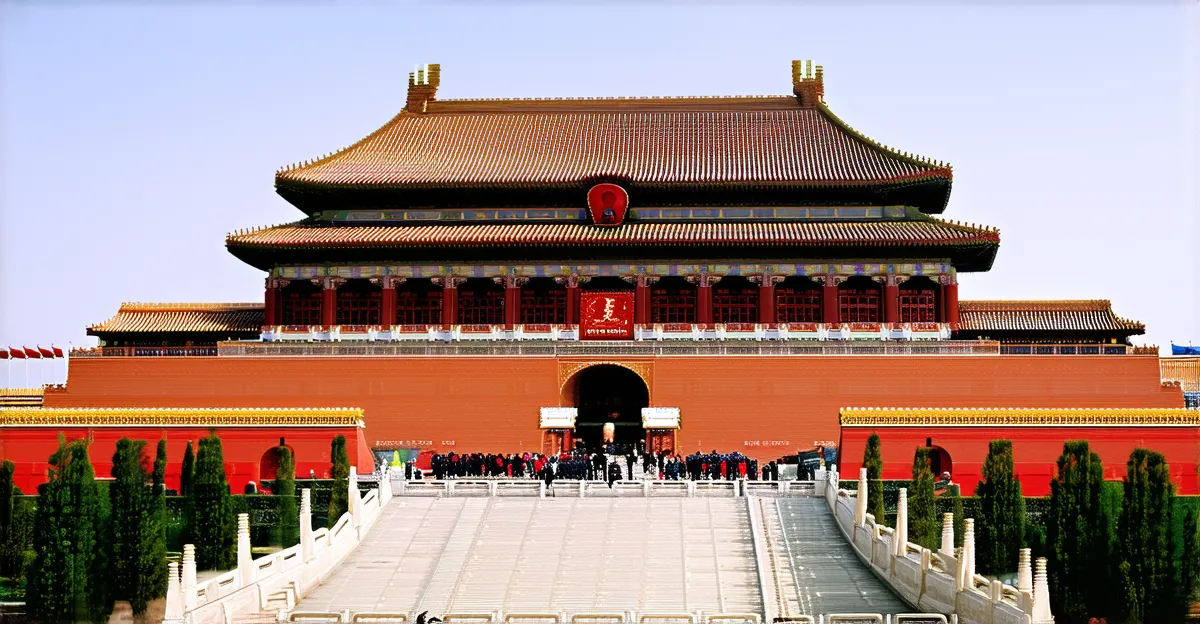
Table of Contents
Beijing Attractions: Unveiling the Best of Beijing in 2026
Welcome to Beijing in 2026, a city where ancient history meets modern innovation! This guide unveils the most captivating Beijing attractions, ensuring an unforgettable journey through China’s cultural heart. Discover iconic landmarks, hidden gems, and unique experiences that define Beijing’s allure.
The Forbidden City: Exploring Imperial China’s Majesty
For current hours, prices, and announcements, start with Beijing Municipal Government.
Stepping into the Forbidden City is akin to traveling back in time to the heart of Imperial China. For nearly 500 years, from the Ming Dynasty to the end of the Qing Dynasty, this vast complex served as the home to emperors and their households, a political and ceremonial center, effectively off-limits to the public. Today, it stands as a UNESCO World Heritage site, inviting visitors to explore its intricate architecture, lavish courtyards, and priceless artifacts. The sheer scale and grandeur of the Forbidden City offer an unparalleled glimpse into the lives of emperors and the rich tapestry of Chinese history. As you wander through its halls and gardens, you’ll begin to understand the power and prestige it once held.Unveiling the Palace Secrets
The Forbidden City, officially known as the Palace Museum, encompasses 980 buildings and covers 180 acres. As you explore, note the meticulous details in every corner, from the golden rooftops to the dragon motifs symbolizing imperial power. Key landmarks include the Hall of Supreme Harmony, the largest wooden structure in China, used for important state ceremonies; the Palace of Heavenly Purity, once the emperor’s residence; and the Imperial Garden, a tranquil retreat from the formal palace settings. Each of these locations offers unique insights into the rituals and daily life within the palace walls. Moreover, understanding the significance of these sites enriches your appreciation of Chinese imperial history. To discover more about Beijing Attractions, explore additional sites.
Pro Tip: Arrive early to avoid the crowds, and consider hiring a local guide to navigate the extensive grounds and uncover hidden stories behind the Forbidden City’s walls.
Visiting the Forbidden City requires some planning. Tickets can be purchased online in advance, and it’s advisable to allocate at least half a day to fully appreciate the complex. Consider starting your visit at the Meridian Gate, the main entrance, and follow the central axis to experience the palace’s layout as intended. Don’t miss the various exhibitions showcasing imperial treasures, calligraphy, and paintings, which provide further context to the palace’s history. Furthermore, wearing comfortable shoes is essential, as you’ll be doing a lot of walking. Exploring the Forbidden City is one of the most essential Things to Do in Beijing, providing deep cultural enrichment.
To further enhance your exploration of the Forbidden City, consider joining a guided tour. These tours often provide invaluable insights into the history, architecture, and symbolism of the palace, enhancing your understanding and appreciation. For those looking for unique Beijing Experiences, consider a Forbidden City tour that also includes other iconic sites. Experience the magic; book your Forbidden City tour today!
The Great Wall: Conquering One of the World’s Wonders near Beijing
Embarking on a journey to the Great Wall is an essential experience for anyone visiting Beijing. As one of the world’s most iconic landmarks, this colossal structure stretches across vast landscapes, offering breathtaking views and a profound sense of history. Exploring the Great Wall near Beijing allows you to witness firsthand the architectural marvel and strategic importance of this ancient fortification, originally built to protect the Chinese empire from invasions. Furthermore, the sheer scale and historical significance of the Great Wall make it an unforgettable destination.
Choosing Your Section: Mutianyu, Badaling, and More
Several sections of the Great Wall are accessible from Beijing, each providing a unique experience. Mutianyu is renowned for its well-preserved fortifications and stunning scenery, making it a popular choice for tourists seeking a balance of history and natural beauty. On the other hand, Badaling, while more crowded, offers easier access and a more developed infrastructure. Additionally, less-visited sections like Simatai and Jinshanling provide a more adventurous and secluded experience. Consider the level of difficulty and accessibility when choosing the section that best suits your preferences. Before you go, take a look at these amazing Mutianyu Great Wall Tours!
Pro Tip: Visit during the shoulder seasons (spring or fall) to avoid the peak tourist crowds and enjoy more pleasant weather. Early morning visits are also recommended to beat the heat and the influx of visitors.
To fully appreciate the magnitude of this historical site, allow ample time for exploration. Things to Do in Beijing invariably include a day trip to the Great Wall, involving some hiking and scenic enjoyment. As you traverse the ancient stones, imagine the generations of soldiers and laborers who contributed to its construction. The panoramic vistas from the watchtowers are truly awe-inspiring, providing a unique perspective on the surrounding landscapes.
For a more immersive experience, consider guided tours that delve into the history and significance of the Wall. These tours often provide insights into the construction techniques, defensive strategies, and cultural context of this remarkable monument. Additionally, organized transportation and logistical support can streamline your visit, allowing you to focus on the experience itself. Discover more Beijing Outdoor Activities to compliment your visit to The Great Wall. Consequently, you’ll have unforgettable memories.
Ready to witness this wonder? Book your Great Wall adventure now!
Temple of Heaven: Discovering Ancient Rituals and Architectural Harmony
The Temple of Heaven, or Tian Tan, is a sprawling complex of sacred buildings located in southeastern Beijing. Constructed during the Ming Dynasty, it served as the imperial altar where emperors of the Ming and Qing dynasties would perform annual rites to pray for good harvests. Today, the Temple of Heaven stands as a remarkable example of traditional Chinese architecture and a serene oasis amidst the bustling city. Visiting this site offers a profound insight into ancient Chinese cosmology and the relationship between heaven and earth. Moreover, it remains a vibrant cultural landmark, attracting visitors from around the globe to experience its historical and architectural significance.
Exploring the Architectural Wonders
The Temple of Heaven complex is divided into two main sections: the Circular Mound Altar and the Hall of Prayer for Good Harvests. The Circular Mound Altar is an open-air platform used for sacrificial ceremonies, designed with meticulous attention to numerology and symbolism. Each layer and stone reflects ancient beliefs about heaven and earth. The Hall of Prayer for Good Harvests, with its triple-gabled circular structure, is an iconic image of Beijing. Constructed entirely without nails, the hall showcases the incredible craftsmanship and architectural ingenuity of the Ming Dynasty. As you wander through the complex, you’ll notice the careful placement of each building, designed to harmonize with the natural landscape and reflect the emperor’s divine connection. Consider joining a guided tour to fully appreciate the historical and cultural significance of these structures.
Beyond the architectural marvels, the Temple of Heaven provides a unique glimpse into the spiritual practices of ancient China. The annual ceremonies performed here were elaborate and deeply symbolic, intended to ensure prosperity and harmony between the earthly realm and the celestial heavens. Witnessing the remnants of these rituals allows visitors to connect with China’s rich cultural heritage. Furthermore, the surrounding park offers a tranquil retreat where locals practice tai chi, play traditional instruments, and engage in other cultural activities, providing an immersive experience of contemporary Beijing life. In addition to its historical importance, it remains a vibrant center for cultural activities.
Planning a visit to the Temple of Heaven is essential for anyone interested in exploring Beijing Attractions. You can easily spend several hours wandering through the expansive grounds, admiring the architecture, and soaking in the serene atmosphere. Don’t forget to explore the surrounding park, where you can observe local life and perhaps even participate in a tai chi session. For those seeking Beijing Experiences, the Temple of Heaven offers a unique blend of history, culture, and tranquility. To discover more cultural activities, explore other Beijing activities.
To make the most of your visit, remember to check out Temple of Heaven tours and tickets on GetYourGuide for an enhanced experience!
Summer Palace: A Serene Escape into Imperial Gardens
💡 Pro Tip: Book your Beijing adventures in advance through Viator for the best deals!
The Summer Palace in Beijing stands as a testament to imperial grandeur and tranquil beauty. Once a retreat for the Qing Dynasty emperors, this expansive complex encompasses lakes, gardens, palaces, and temples. It is a harmonious blend of natural landscapes and human-made architecture, offering visitors a serene escape from the bustling city. Moreover, the Summer Palace provides insight into the opulent lifestyle of China’s imperial past. As one of the most popular Beijing Attractions, it draws tourists from all over the world seeking to immerse themselves in its history and splendor.
Key Features of the Summer Palace
The Summer Palace is vast, featuring several notable attractions. Kunming Lake dominates the landscape, offering boat rides and stunning reflections of the surrounding architecture. The Long Corridor, adorned with thousands of paintings depicting Chinese history and mythology, stretches along the lake’s edge. Longevity Hill, topped by the Tower of Buddhist Incense, provides panoramic views of the entire complex. These elements combine to create a captivating environment, making it one of the essential Things to Do in Beijing.
Pro Tip: Visit early in the morning or late in the afternoon to avoid the largest crowds and enjoy the most peaceful experience. Spring and autumn offer the best weather for exploring the gardens and enjoying boat rides on Kunming Lake.
Exploring the Summer Palace involves more than just sightseeing; it is about experiencing the seamless integration of nature and imperial design. Walking through its gardens, you’ll encounter meticulously crafted landscapes, ancient trees, and exquisite pavilions. The palace also serves as a cultural treasure, showcasing traditional Chinese art and architecture. Therefore, whether you are interested in history, nature, or art, the Summer Palace offers something for everyone. Consider exploring more Beijing activities to complement your visit.
Additionally, for those interested in Beijing Outdoor Activities, the Summer Palace provides ample opportunities for leisurely walks and scenic views. The expansive gardens are perfect for a relaxing stroll, while the lake offers boat rides that allow you to appreciate the palace from a different perspective. Visiting the Summer Palace is an enriching experience that embodies the essence of Chinese imperial culture and natural beauty. It undoubtedly remains one of the top Beijing Experiences. You can enhance your visit by booking a Summer Palace e-ticket for a hassle-free entry and deeper exploration.
798 Art District: Immersing Yourself in Beijing’s Contemporary Art Scene
The 798 Art District, also known as Dashanzi Art District, stands as a vibrant testament to Beijing’s evolving cultural landscape. Once a cluster of disused military factories, this area has transformed into a thriving hub for contemporary art, attracting artists, curators, and art enthusiasts from around the globe. Exploring the 798 Art District provides an unparalleled glimpse into China’s modern artistic expression, showcasing a diverse range of styles and mediums that reflect both local and international influences. For those seeking unique Beijing Attractions, the 798 Art District should undoubtedly be on your list.
A Fusion of Industrial History and Modern Art
The district’s unique charm lies in its seamless blend of Bauhaus-inspired industrial architecture and cutting-edge art installations. Large, cavernous spaces once used for manufacturing now house galleries, studios, and cafes, creating an engaging atmosphere that invites exploration. Moreover, the raw, industrial aesthetic serves as a striking backdrop for the colorful and often provocative artworks on display. As you wander through the district, you’ll encounter sculptures, paintings, photography, and multimedia installations that challenge conventional perspectives and stimulate creative dialogue. Therefore, make sure to dedicate enough time to fully absorb the innovative spirit of this artistic enclave. Consider joining a walking or biking tour to discover hidden gems within the district.
Pro Tip: Visit the 798 Art District on a weekday to avoid the weekend crowds and enjoy a more intimate experience with the artwork. Furthermore, many galleries offer artist talks and workshops, providing deeper insights into the creative process.
Walking through the 798 Art District is akin to stepping into a living canvas. Graffiti art adorns many of the factory walls, adding an element of urban grit to the otherwise polished gallery spaces. Additionally, numerous outdoor installations and public art projects create an interactive environment, encouraging visitors to engage with art in unconventional ways. This dynamic interplay between art and public space makes the 798 Art District one of the most exciting Things to Do in Beijing.
Beyond the art, the district also boasts a variety of cafes, restaurants, and boutique shops, providing ample opportunities to relax and refuel. From trendy coffee shops to traditional tea houses, the culinary offerings reflect the district’s eclectic spirit. Similarly, the boutique shops sell unique souvenirs, handmade crafts, and art-related merchandise, allowing you to take a piece of the 798 experience home with you. For more on the Beijing Activities, you can explore local events and experiences.
Whether you are an avid art collector, a casual observer, or simply looking for unique Beijing Experiences, the 798 Art District offers something for everyone. Plan your visit today and immerse yourself in the thriving contemporary art scene of Beijing. To further enhance your visit, book a guided tour for an in-depth exploration of the district’s highlights.
Hutongs: Wandering Through Beijing’s Traditional Alleyways
💡 Pro Tip: Book your Beijing adventures in advance through Viator for the best deals!
Exploring the Hutongs offers a captivating glimpse into the heart of old Beijing. These traditional alleyways, characterized by narrow lanes and courtyard residences (siheyuan), provide an intimate view of the city’s cultural heritage. As you wander through the Hutongs, you’ll encounter local life, traditional architecture, and a sense of community that has endured for centuries. These historic neighborhoods offer a unique contrast to Beijing’s modern skyline, making them an essential part of any visit. Furthermore, they are an ideal location for cultural immersion and experiential travel, as you can interact with locals and sample authentic Beijing cuisine.
Experiencing Daily Life in the Hutongs
Walking or cycling through the Hutongs allows you to observe daily life unfolding in these vibrant communities. You’ll see residents playing mahjong, preparing meals, and engaging in casual conversations. Many Hutongs also feature small shops, traditional teahouses, and local eateries, where you can savor Beijing Experiences like trying regional snacks and teas. Moreover, exploring these alleyways offers a chance to discover hidden temples, historical landmarks, and beautifully preserved courtyards. Experiencing the Hutongs is among the most authentic Things to Do in Beijing, offering a rich, cultural experience away from the main tourist routes.
Pro Tip: Consider taking a guided tour of the Hutongs to learn about their history and significance from a local expert. Many tours include visits to traditional homes and cultural sites, providing deeper insights into this unique aspect of Beijing’s heritage.
In addition to exploring on your own, several organized tours provide unique perspectives on Hutong life. Some tours offer rickshaw rides, allowing you to travel through the narrow lanes in a traditional manner. Others focus on culinary experiences, introducing you to local street food and authentic Beijing dishes. No matter how you choose to explore, venturing into the Hutongs offers an unforgettable glimpse into the soul of Beijing. For alternative Beijing Activities, you might consider visiting the parks and gardens around the city.
For a deeper dive into Beijing’s culinary scene, consider a Beijing Hutong culinary walking tour, where you can sample 15 different tastings and immerse yourself in the local flavors. If you are interested in exploring more of Beijing’s cultural side, check out more activities here.
Jingshan Park: Panoramic Views of the Forbidden City and Beijing
💡 Pro Tip: Book your Beijing adventures in advance through Viator for the best deals!
Jingshan Park, located directly north of the Forbidden City, offers arguably the best panoramic views of this iconic landmark and the sprawling city of Beijing. Built in the early 15th century, Jingshan Hill was created from the earth excavated during the construction of the Forbidden City and the surrounding moats. Today, it stands as a tranquil oasis, attracting both locals and tourists seeking respite from the bustling city streets. Moreover, its historical significance and breathtaking vistas make it a must-visit destination for anyone exploring Beijing Attractions.
Climbing to the Summit: A Rewarding Experience
The climb to the summit of Jingshan Hill is relatively easy, with well-maintained paths and steps leading to the top. As you ascend, you’ll pass through lush gardens, ancient trees, and pavilions, providing a glimpse into traditional Chinese landscaping. Furthermore, at the peak, five individual summits each host a pavilion. The central Wanchun Pavilion is the most popular, as it provides the most direct view south over the Forbidden City. Reaching the top is a truly rewarding experience, offering unparalleled views of the Forbidden City’s golden roofs and the modern skyline of Beijing extending into the horizon. Therefore, be sure to bring your camera to capture the stunning scenery and create lasting memories of your visit to Beijing.
Besides the Forbidden City view, Jingshan Park offers so much more. To the east, you can see the bustling commercial districts, whereas to the west, the serene Beihai Park unfolds. To the north, the Drum and Bell Towers stand tall. Each direction offers a unique perspective of Beijing’s diverse landscape. Additionally, throughout the park, you can find locals practicing Tai Chi, flying kites, and singing traditional songs, adding to the park’s vibrant atmosphere and making it one of the quintessential Things to Do in Beijing.
Pro Tip: Visit Jingshan Park early in the morning or late in the afternoon to avoid the crowds and witness the most spectacular sunrise or sunset views over the Forbidden City.
Jingshan Park is more than just a scenic viewpoint; it’s also a place of historical significance. In fact, it was the location where the last emperor of the Ming Dynasty, committed suicide in 1644. Today, a somber monument marks the spot, serving as a reminder of China’s rich and complex history. So you will see that exploring Jingshan Park offers a unique opportunity to connect with Beijing’s past while enjoying its present beauty.
Finally, don’t miss the chance to add Jingshan Park to your itinerary when exploring Beijing. It’s an ideal spot for photographers, history enthusiasts, and anyone seeking a moment of tranquility amidst the urban sprawl. Experience the magic of Jingshan Park. For an enhanced cultural experience, consider a guided tour. Book your tour now!
The National Museum of China: A Journey Through Chinese History and Art
The National Museum of China, situated on the east side of Tiananmen Square in Beijing, stands as a colossal repository of Chinese art and history. Moreover, it is one of the largest museums in the world, showcasing a comprehensive collection that spans millennia. For history enthusiasts and art lovers alike, a visit here provides unparalleled insight into the nation’s rich cultural heritage. Indeed, exploring the museum’s extensive exhibits is an essential Beijing experience. Also, the museum not only preserves but also celebrates China’s continuous cultural narrative through artifacts and artworks.
Unveiling Ancient Dynasties and Artistic Masterpieces
Inside, you’ll encounter a vast array of artifacts, ranging from ancient bronzes and ceramics to intricate jade carvings and exquisite calligraphy. Therefore, each exhibit tells a story, reflecting the artistic achievements and historical developments of different dynasties. In addition to historical relics, the museum features an impressive collection of paintings, sculptures, and other art forms that highlight the evolution of Chinese art. Furthermore, the museum’s layout is designed to guide visitors through chronological periods, making it easier to understand the progression of Chinese history. As a result, one can appreciate how these Beijing attractions contribute to China’s cultural identity.
Considering the museum’s scale, planning your visit is crucial. Firstly, focus on specific galleries or periods that particularly interest you. Secondly, allow ample time to explore, as it’s nearly impossible to see everything in a single visit. Audio guides and guided tours are available, providing valuable context and information about the exhibits. Besides, the museum also hosts temporary exhibitions that showcase different aspects of Chinese and international art, offering something new even for repeat visitors.
In order to deepen your cultural exploration in Beijing, you may consider other related Beijing activities. For example, you can visit the nearby Forbidden City to understand the imperial life or wander through the Temple of Heaven to appreciate ancient rituals. Additionally, the National Museum of China not only enriches your understanding of China’s past but also complements your exploration of other significant sites in the city. Discover more things to do in Beijing.
Pro Tip: Arrive early to avoid the crowds, especially during peak tourist season. Check the museum’s official website for updated schedules, exhibitions, and ticket information.
For those interested in delving deeper into China’s art history, consider a guided tour of the Forbidden City, which offers an extension of the artistic and historical narratives presented in the museum.
From historical landmarks to modern marvels, Beijing’s attractions offer something for everyone. Begin your exploration today and uncover the magic of Beijing in 2026!
Frequently Asked Questions
A: The Forbidden City, Temple of Heaven, Great Wall (Badaling or Mutianyu sections), and Summer Palace are considered must-see Beijing attractions.
A: Spring (April-May) and Autumn (September-October) offer pleasant weather ideal for exploring Beijing’s attractions.
A: Consider visiting Jingshan Park for panoramic views, exploring the 798 Art District for modern art, and strolling through the hutongs for traditional culture.
A: Yes, many Beijing attractions offer guided tours in various languages. Check official websites or book through reputable tour operators.
A: The Forbidden City requires pre-booked tickets, especially during peak season. It’s advisable to book tickets online in advance for popular attractions like the Great Wall and Summer Palace as well.