
Belfast Peace Wall: History & Essential Visitor Tips
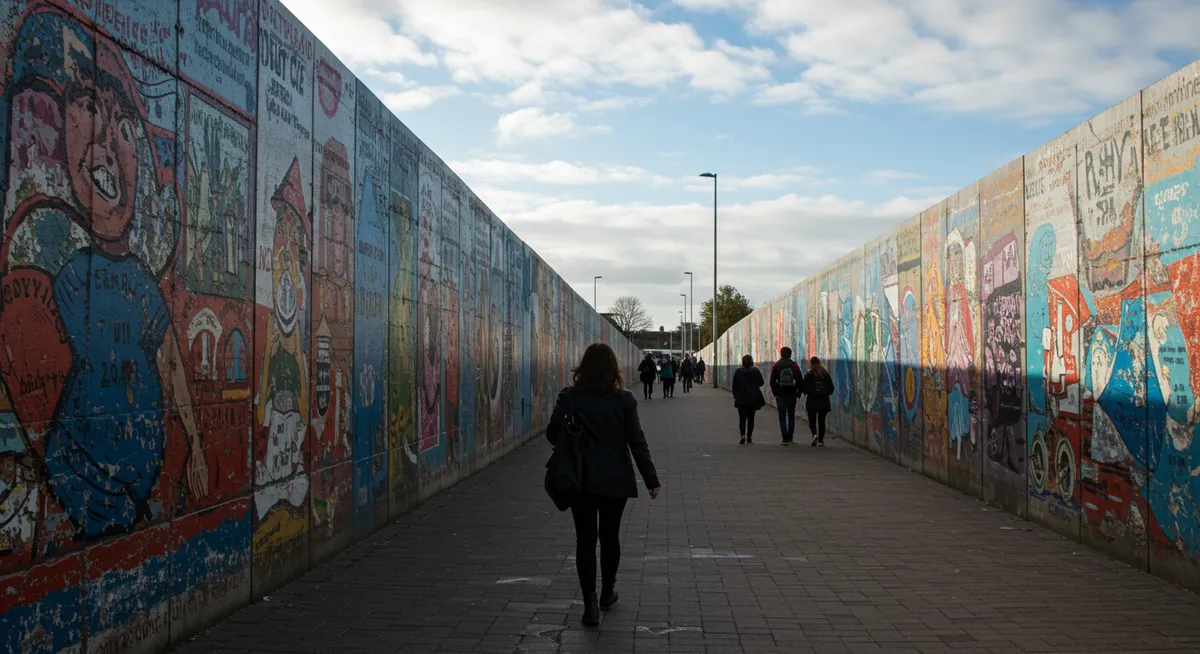
Table of Contents
Belfast Peace Wall: A Deep Dive into its History & Visitor Tips
Belfast is a city with a story to tell, and few places embody its complex past and evolving present quite like the Belfast Peace Wall. As someone who’s wandered Belfast’s fascinating streets, I can tell you that this isn’t just a physical barrier; it’s a profound historical canvas, continually painted with messages of division and hope. Understanding the Peace Wall is crucial for anyone keen to delve into Northern Ireland’s recent history and appreciate its journey towards reconciliation. This guide will walk you through its origins, its enduring significance, and offer practical tips for a respectful and insightful visit to this powerful site.
The Historical Roots of the Belfast Peace Wall
For the most up-to-date details, check Belfast City Council before you go.
For practical details and last-minute changes, use Queen's University Belfast.
The story of the Belfast Peace Wall begins in 1969, at the very onset of ‘The Troubles,’ a period of intense sectarian conflict in Northern Ireland. Initially, these barriers were temporary structures, literally made of corrugated iron and barbed wire, erected by the British Army to separate Nationalist (predominantly Catholic) and Loyalist (predominantly Protestant) communities. The aim was to prevent escalating violence and protect residents caught in the crossfire. Over time, these temporary walls grew into permanent, formidable structures, towering up to 25 feet high in areas like the Falls Road and Shankill Road, becoming a stark symbol of the deep divisions that gripped the city. Witnessing their sheer scale truly brings home the era’s intensity.Understanding the Peace Wall’s Enduring Significance
Even after the signing of the Good Friday Agreement in 1998, the Belfast Peace Wall remains a significant, albeit evolving, landmark. Today, it stands as a poignant reminder of past conflicts and the ongoing efforts towards peace and reconciliation. While some sections have been removed, many still delineate the traditional ‘interface’ areas, serving as both a protective barrier and a living monument. For many, it’s a powerful symbol of division; for others, it represents the hard-won peace. Its future is a frequent topic of debate, reflecting Belfast’s journey to fully heal. From my experience, seeing how it still shapes daily life offers a unique perspective on the city.
Visiting the Belfast Peace Wall: What to Expect
When you visit the Belfast Peace Wall, you’re not just seeing a wall; you’re stepping into a living outdoor gallery and a historical testament. The sections around Falls Road and Shankill Road are particularly impactful, adorned with powerful political murals, vibrant street art, and messages of hope from visitors worldwide. One of the most moving aspects is the opportunity to sign the wall yourself, leaving a message of peace or solidarity. You’ll often find black taxi tours stopping here, giving tourists a chance to explore this profound site. It’s an emotional experience, truly allowing you to explore Belfast’s political murals responsibly.
Practical Tips for a Respectful and Insightful Visit
⭐ Recommendation: Don't miss out on amazing Belfast tours - book now!
To make your visit to the Belfast Peace Wall both meaningful and respectful, consider joining a guided tour, like one of the insightful black taxi tours or a cultural walking tour of Belfast City. These guides provide invaluable context and personal stories that bring the history to life. Always remember you are visiting active communities, so act respectfully, avoid loud noises, and ask permission before taking photos of residents. Take your time to absorb the messages and art; it’s a place for reflection. Exploring the area around the Peace Wall also offers a deeper understanding of where to find Belfast street art and murals beyond the wall itself.
Frequently Asked Questions
Q: Is it safe to visit the Belfast Peace Wall?
A: Yes, visiting the Belfast Peace Wall is generally considered safe. The areas around the walls are active residential communities, and tours, including black taxi tours, operate regularly. Visitors should always be mindful and respectful of local residents and the historical significance of the area.
Q: Can I write on the Belfast Peace Wall?
A: Yes, visitors are often encouraged to sign the Peace Wall, especially the sections designated for visitor messages. Many tourists leave messages of peace, hope, or personal reflections, contributing to the wall’s evolving tapestry of international sentiment.
Q: How long does it take to visit the Peace Wall?
A: A focused visit to the main sections of the Belfast Peace Wall typically takes between 30 minutes to an hour, depending on how much time you spend reading the murals and reflecting. If you’re on a black taxi tour, it’s usually part of a larger historical tour lasting 1.5 to 2 hours.
The Belfast Peace Wall is more than just a barrier; it’s a powerful symbol of a city’s journey through conflict and towards peace. Exploring its history and witnessing its current state offers a profound insight into Belfast’s resilience and ongoing story. It truly is one of the most compelling things to do in Belfast for culture seekers. Take the time to visit, reflect, and appreciate the complex narrative it represents. Your visit will not only enrich your understanding but also contribute to the ongoing dialogue of a city forging its future.