
Sofia’s Best Ancient Roman Ruins to Visit
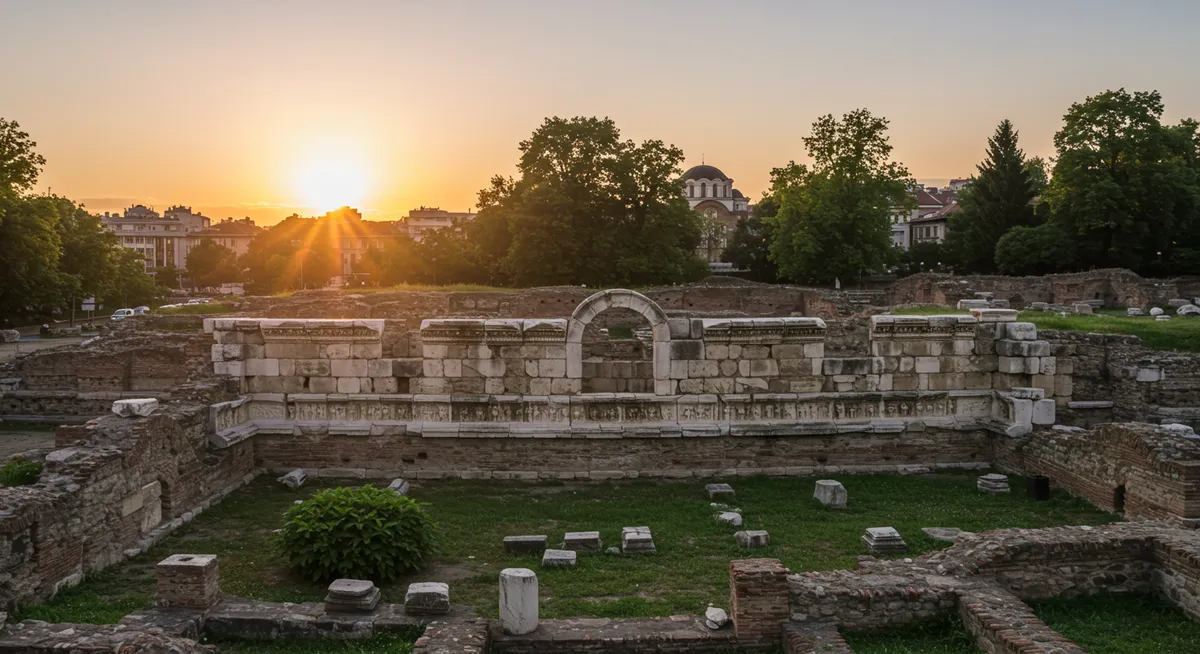
Table of Contents
Unearthing Sofia’s Ancient Roman Past
Having explored Sofia countless times, I’m always amazed by how its modern cityscape seamlessly intertwines with millennia of history. Seriously, you’ll be walking along a busy street and suddenly stumble upon ancient stones! If you’re a history buff like me, uncovering the best ancient Roman ruins to visit in Sofia is an absolute must-do. This city, once known as Serdica, was a significant Roman stronghold, and its past is literally underfoot. Join me as we delve into these incredible historical remnants, uncovering tales from emperors, gladiators, and everyday Roman life.
The Heart of Ancient Serdica: Largo & Serdica Complex
For current hours, prices, and announcements, start with Sofia Municipality.
You can find the latest updates on Visit Sofia.
The best ancient Roman ruins to visit in Sofia truly begin at the Serdica archaeological complex, right in the city center. This incredible open-air museum, often referred to as the Largo, reveals layers of history beneath modern boulevards. You’ll find the East Gate of Serdica, ancient streets, and residential buildings from the 3rd-4th centuries. It’s wild how the metro station is built around these excavated treasures! My personal tip: take your time wandering here, imagining chariots rumbling on those very stones. It’s an immersive glimpse into daily life in ancient Serdica and showcases Sofia’s incredible Roman heritage. Discover more hidden historical sites in Sofia’s Old Town to fully appreciate the city’s layered past.The Rotunda of St. George: A Roman Gem
Among the best ancient Roman ruins to visit in Sofia, the Church of St. George, affectionately known as the Rotunda, stands out as Sofia’s oldest building. Tucked away in a courtyard behind the Presidency, this 4th-century brick rotunda was originally a Roman temple, likely built during the reign of Emperor Constantine the Great. It’s fascinating to see its original purpose evolve into a Christian church, adorned with medieval frescoes. The continuous use of this ancient structure is a testament to its resilience and the enduring spirit of Sofia. Every time I visit, I feel a profound connection to the city’s deep history. For more insights into the country’s rich past, consider exploring Bulgarian history museums.
Roman City Walls and Gateways: Beyond the Obvious
While the central sites are prominent, other ancient Roman ruins in Sofia offer equally compelling stories. Look for remnants of the ancient city walls, particularly near the Serdika metro station, where sections are preserved and visible to the public. You can also spot parts of ancient fortifications near the Sheraton Hotel and even within the underpasses around the city center. These scattered fragments highlight how vast and well-protected Serdica once was. It’s like a treasure hunt, finding these ancient remnants integrated into the modern urban fabric. A fun way to find these is often through free walking tours of Sofia’s city center, where local guides illuminate their significance.
Practical Tips for Exploring Sofia’s Roman Heritage
🎯 Insider Tip: Discover the best Sofia experiences with Viator Tours!
To truly appreciate the best ancient Roman ruins to visit in Sofia, some planning helps. Most of the major Roman archaeological sites are conveniently located within a short walking distance of each other in the city center, especially around the Serdika metro station. Wear comfortable shoes, as you’ll be doing a lot of walking over uneven ancient paths and modern pavements. While many sites are free and open-air, don’t miss the small museum sections within the metro station itself, which provide context and artifacts. My insider advice: combine your Roman ruin exploration with other things to do in Sofia to make a full day of historical discovery in this amazing city.
Frequently Asked Questions
Q: Are the Roman ruins in Sofia free to visit?
A: Most outdoor sites like the Serdica Complex and city wall remnants are free to explore, giving you easy access to Sofia’s ancient Roman past. The Rotunda of St. George is also free to view from outside and enter. Some smaller, excavated areas might be part of a museum with a minimal entrance fee, but generally, discovering Sofia’s Roman heritage is very budget-friendly.
Q: How much time should I allocate for visiting Sofia’s Roman ruins?
A: You can comfortably spend 2-3 hours exploring the main Serdica Complex, the Rotunda of St. George, and nearby wall sections. If you’re keen to delve deeper into every visible remnant, perhaps including a visit to the small museum within the Serdica metro station, half a day would be a comfortable allocation to truly immerse yourself in the ancient history.
Q: Can I see Roman ruins outside the city center?
A: While the bulk of the most impressive ancient Roman ruins are concentrated in Sofia’s city center, particularly around the Serdica metro station, smaller archaeological finds occasionally emerge during new constructions across the broader metropolitan area. However, for a dedicated Roman heritage tour focused on significant structures, the central sites mentioned are your primary focus for the best experience.
Sofia truly is a city built on history, and exploring its best ancient Roman ruins is an unforgettable journey through time. From the grand Serdica complex to the resilient Rotunda, these sites offer tangible links to an empire that shaped much of Europe. You’ll be amazed at how accessible and well-preserved these ancient Roman ruins in Sofia are, providing a unique blend of historical discovery amidst a vibrant modern capital. So grab your walking shoes, charge your camera, and prepare to step back thousands of years. Your ancient adventure awaits in Sofia!