
Discover the Best Historical Sites to Explore in Split, Croatia
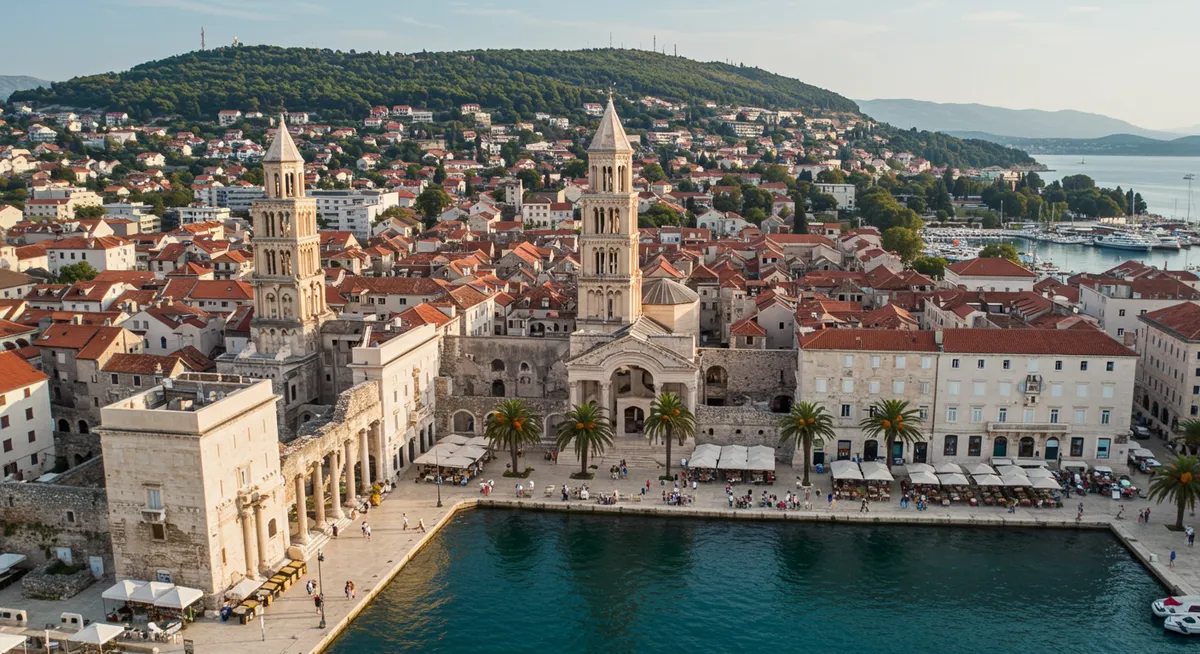
Table of Contents
Discover the Best Historical Sites to Explore in Split, Croatia
Ah, Split! As someone who’s wandered through its ancient alleys and felt the echoes of Roman emperors, I can tell you there’s no shortage of history here. If you’re a culture seeker, this Dalmatian gem is an open-air museum waiting to be explored. You’re not just visiting a city; you’re stepping into a living, breathing testament to millennia of human stories. Get ready to uncover the best historical sites to explore in Split, Croatia, and prepare for a journey through time that will truly captivate your senses. From imperial palaces to imposing fortresses, every corner offers a piece of the past.
Diocletian’s Palace: Split’s Ancient Heartbeat
To plan your trip, review City of Split.
For current hours, prices, and announcements, start with Split Airport.
Without a doubt, the crown jewel of Split’s historical landscape is Diocletian’s Palace. This isn’t just a ruin; it’s a living city bustling with shops, cafes, and homes, all nestled within the colossal walls of a 4th-century Roman emperor’s retirement residence. Walking through the Peristyle, I always feel transported back in time, imagining imperial processions. Don’t miss exploring the Vestibule, the impressive underground cellars (perfect for escaping the summer heat!), and the Cathedral of St. Domnius, originally Diocletian’s mausoleum. It’s truly one of the most significant and best historical sites to explore in Split, offering an unparalleled glimpse into Roman life. Take your time to soak it all in.Beyond the Palace Walls: Other Must-See Historical Gems
While Diocletian’s Palace rightfully claims much of the spotlight, the area around Split is brimming with other fantastic historical sites just waiting to be discovered. Venture a short drive to Salona, once a thriving Roman provincial capital, where you can wander among impressive ruins including an amphitheater and basilica. It’s a powerful experience to see the scale of this ancient city. Then there’s the dramatic Klis Fortress, perched high on a rocky outcrop, offering breathtaking views and a rich history of battles against the Ottomans. My tip: Klis provides amazing photo opportunities! These historic sites offer a broader perspective on the region’s diverse past.
Immersive History: Museums and Cultural Institutions
To truly understand the best historical sites to explore in Split, a visit to its excellent museums is essential. The Archaeological Museum, one of the oldest in Croatia, houses an incredible collection of artifacts from prehistoric times through the Roman and early Christian periods, many unearthed right here in Split and Salona. For a deeper dive into local life and traditions, the Ethnographic Museum offers fascinating insights into Dalmatian culture, showcasing traditional costumes, tools, and customs. These institutions provide context and bring the stories of ancient Split to life, transforming dusty ruins into vibrant narratives.
Experiencing Split’s Past Through Cultural Activities
🎯 Insider Tip: Discover the best Split experiences with Viator Tours!
History in Split isn’t just about static sites; it’s an immersive experience. Consider joining a cultural walking tour of the Old Town, where knowledgeable local guides can share fascinating anecdotes and hidden corners of the Palace that you might miss on your own. It truly enriches your visit to these incredible historical sites. Furthermore, exploring local traditions and customs, perhaps even partaking in authentic local food experiences, connects you to the city’s enduring heritage. From my experience, engaging with the local culture makes the history feel much more alive and personal.
Planning Your Historical Exploration in Split
To make the most of your exploration of the best historical sites to explore in Split, a little planning goes a long way. Early mornings are best to beat the crowds at popular spots like Diocletian’s Palace, especially during peak season. Comfortable shoes are a must as you’ll be doing a lot of walking on ancient cobblestones! If you’re planning a longer stay, consider a multi-day cultural itinerary to truly delve into Split’s rich past. Many sites are family-friendly, offering open spaces for kids to explore. Plus, budget-friendly options exist, as many of the historical areas are open-air and free to wander through.
Frequently Asked Questions
Q: What is the most important historical site in Split, Croatia?
A: Diocletian’s Palace is by far the most important historical site in Split. This 4th-century Roman palace forms the very core of the city, with its ancient walls and structures now integrated into modern life, housing shops, homes, and restaurants.
Q: Are there historical sites to visit outside of Split’s city center?
A: Yes, absolutely! Beyond Split’s center, you can explore the impressive Roman ruins of Salona, once a major provincial capital. Additionally, the medieval Klis Fortress, just a short drive away, offers a dramatic historical experience and stunning panoramic views.
Q: Can families enjoy exploring the historical sites in Split?
A: Yes, families can definitely enjoy Split’s historical sites. Diocletian’s Palace is a vast, engaging space for exploration, and the open-air nature of many sites like Salona and Klis Fortress offers plenty of room for kids to run around while parents soak in the history.
From the grandeur of Diocletian’s Palace to the captivating ruins of Salona and the commanding presence of Klis Fortress, the best historical sites to explore in Split, Croatia, offer a journey through time unlike any other. This city truly celebrates its past, inviting you to be part of its ongoing story. So, lace up your walking shoes, charge your camera, and prepare to immerse yourself in the incredible heritage that defines Split. Your cultural adventure awaits!