
Bukhara Attractions: Top Spots in 2026
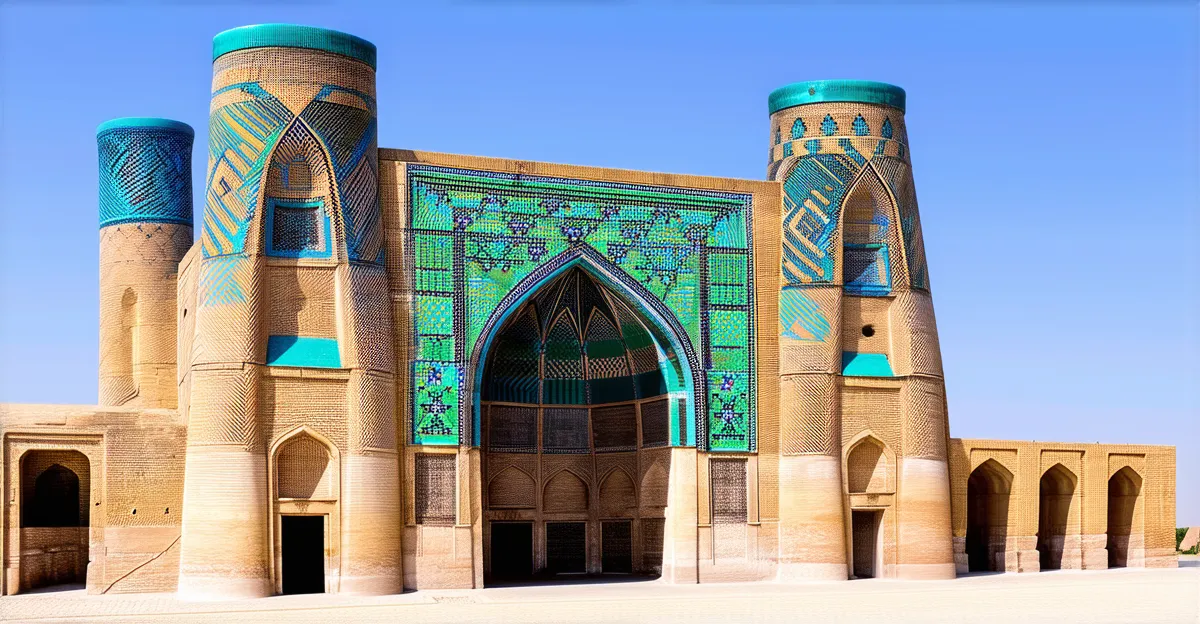
Table of Contents
Discovering Bukhara Attractions: A 2026 Travel Guide
Planning a trip to Uzbekistan in 2026? Dive into the heart of the Silk Road with our guide to the most captivating Bukhara Attractions. From ancient madrasahs to bustling bazaars, Bukhara offers a wealth of historical and cultural experiences. Discover why Bukhara’s attractions continue to enchant travelers from around the globe.
Poi Kalyan Complex: A Centerpiece of Bukhara Attractions
For practical details and last-minute changes, use Bukhara State Museum-Reserve.
You can find the latest updates on Uzbekistan Travel.
The Poi Kalyan Complex stands as a magnificent centerpiece among Bukhara Attractions, showcasing the architectural grandeur and historical significance of this ancient city. Located in the heart of Bukhara, Uzbekistan, the complex comprises several structures, including the Kalyan Minaret, Kalyan Mosque, and Mir-i-Arab Madrasah. Together, they create an awe-inspiring ensemble that dominates the city’s skyline and attracts visitors from all over the world. As such, it represents not only a religious site but also a testament to Bukhara‘s rich cultural heritage. Indeed, exploring this complex is essential for anyone wanting to truly experience the best of Things to Do in Bukhara.Exploring the Kalyan Minaret
The Kalyan Minaret, often called the Tower of Death due to its history of use for executions, is the most iconic structure within the Poi Kalyan Complex. Built in 1127 by the Karakhanid ruler Mohammad Arslan Khan, this towering minaret stands approximately 47 meters tall. It is adorned with intricate brickwork and decorative bands, which showcase the sophisticated craftsmanship of the era. Moreover, visitors can appreciate its imposing presence from various vantage points in Bukhara. Besides its historical background, the minaret offers insight into the architectural advancements achieved during the 12th century. Therefore, a visit to the Kalyan Minaret is a highlight of any tour, especially for those keen on Bukhara Activities. You can explore Bukhara with a guided walking tour to learn more about this iconic structure.
Adjacent to the minaret is the Kalyan Mosque, a vast congregational mosque completed in 1514 during the reign of the Shaybanids. This expansive courtyard can accommodate thousands of worshippers. Furthermore, its design features stunning blue-tiled domes and intricate mosaics. On the other side of the courtyard, the Mir-i-Arab Madrasah stands as a functioning theological school, displaying a blend of architectural brilliance and spiritual significance. Constructed in the 16th century, this madrasah continues to educate students, preserving Islamic traditions. Additionally, its detailed facade and peaceful courtyards provide a serene contrast to the bustling city outside.
Visiting the Poi Kalyan Complex offers a unique perspective on the architectural and cultural landscape of Bukhara. Additionally, the interconnected structures tell a story of religious devotion, artistic expression, and historical evolution. Because of its central location and profound historical importance, the complex remains a focal point for both locals and tourists. If you are looking to experience the essence of Bukhara, exploring this magnificent complex is a must. For information on nearby outdoor activities, you might want to check out Bukhara Outdoor Activities. To discover more about the historical gems of Bukhara, consider a private old town tour that will enhance your understanding and appreciation of this remarkable city.
Exploring the Ancient Samanid Mausoleum
The Samanid Mausoleum, a jewel among Bukhara Attractions, stands as a testament to the rich architectural and cultural heritage of the region. Built in the 10th century, this stunning structure is one of the oldest examples of Central Asian architecture and a must-see for anyone visiting Bukhara. Its intricate brickwork and unique design elements make it a standout landmark. Moreover, the mausoleum’s historical significance adds to its allure, drawing history enthusiasts and curious travelers alike.
As you approach the Samanid Mausoleum, you will immediately notice its simple yet elegant façade. The building’s design, featuring baked bricks arranged in complex geometric patterns, showcases the advanced craftsmanship of the Samanid dynasty. The mausoleum’s cubic shape transitions smoothly into a semi-spherical dome, creating a visually harmonious effect. Furthermore, the play of light and shadow on the brickwork throughout the day enhances its beauty, making it a photographer’s delight.
Architectural and Historical Significance
Constructed between 892 and 943 AD, the Samanid Mausoleum was built to honor Ismail Samani, the founder of the Samanid dynasty, and later became the resting place for other family members. The building’s architecture reflects a blend of Zoroastrian, Sogdian, and Islamic influences, making it a unique synthesis of cultures. Indeed, its innovative structural techniques and artistic motifs influenced later architectural styles in Central Asia and beyond. The mausoleum also survived Genghis Khan’s devastating conquest of Bukhara, a testament to its solid construction and cultural importance.
Visiting the Samanid Mausoleum offers a glimpse into the sophisticated civilization that once thrived in Bukhara. It is, therefore, an essential part of exploring Things to Do in Bukhara. Besides admiring the architecture, take time to reflect on the history and the stories that this ancient monument holds. Consider visiting during different times of the day to witness the changing patterns of light and shadow on the brickwork. Additionally, guided tours are available to provide deeper insights into the mausoleum’s history and architectural features. To enhance your Bukhara Experiences, you might want to join a walking tour to discover more about this incredible site.
For those interested in learning more about Bukhara Activities and the city’s rich history, be sure to explore more here. Likewise, if you are an outdoor enthusiast, check out Bukhara’s outdoor activities for a different perspective on this historic city.
Embark on a historical journey and witness the timeless beauty of the Samanid Mausoleum by booking a guided tour today!
Chor Minor Madrasah: A Unique Bukhara Attraction
The Chor Minor Madrasah, also known as the Madrasah of Khalif Niyazkul, is a distinctive and captivating structure that stands out among Bukhara Attractions. Constructed in 1807, this madrasah is celebrated for its four minarets, which give it a unique appearance, differentiating it from other religious sites in the city. Furthermore, its design reflects a blend of architectural styles, incorporating elements from different cultures and traditions. Because of its unique charm and historical significance, it’s a must-see location for visitors exploring Things to Do in Bukhara. Moreover, the madrasah offers a serene escape from the bustling city, inviting contemplation and appreciation of its artistic details.
Architectural Significance and Cultural Fusion
Each of the four minarets of Chor Minor Madrasah showcases a distinct architectural style, drawing inspiration from different corners of the world. It is believed that these styles represent the four corners of the earth. Therefore they symbolize the universality of knowledge and the interconnectedness of cultures. Furthermore, the structure’s intricate tile work and decorative motifs add to its aesthetic appeal, making it a photographer’s delight. The blend of cultural influences makes Chor Minor not only a place of religious study but also a symbol of Bukhara’s rich history as a crossroads of civilizations. While exploring Bukhara Activities, this site provides a profound insight into the region’s cultural tapestry.
Pro Tip: Visit Chor Minor during the late afternoon to capture the stunning interplay of sunlight and shadows on its minarets, enhancing your photographic experience.
Despite its smaller scale compared to other monumental sites in Bukhara, Chor Minor Madrasah offers a unique and intimate experience. The surrounding area provides a peaceful setting, where visitors can reflect on the historical and cultural importance of the site. Indeed, the quiet ambiance enhances the experience, allowing one to appreciate the architectural details and the spiritual atmosphere. In addition to its architectural beauty, Chor Minor serves as a reminder of Bukhara’s historical role as a center of learning and cultural exchange.
For those interested in exploring Bukhara’s Outdoor Activities, the area around Chor Minor offers charming streets and local shops. It’s a great place to wander and absorb the local culture. Additionally, you can find unique souvenirs and interact with the friendly residents of Bukhara. To delve deeper into the city’s history and landmarks, consider joining a guided tour. For example, a walking tour of Bukhara can provide valuable insights into the city’s cultural and architectural heritage.
Explore the unique charm of Chor Minor Madrasah and discover more about Bukhara Activities for an unforgettable travel experience.
Lyabi-Hauz Ensemble: Relaxation Amongst Bukhara Attractions
🌟 Local Expert Tip: Get the most out of your Bukhara visit with guided tours!
The Lyabi-Hauz Ensemble stands as a serene oasis in the heart of Bukhara, offering a tranquil escape from the bustling city streets. Built around one of the few remaining hauz (ponds) in Bukhara, this historical site is more than just a picturesque location; it’s a central gathering point where locals and tourists alike come to relax and soak in the atmosphere. The ensemble comprises the Kukeldash Madrasah, the Nadir Divan-begi Madrasah, and the Nadir Divan-begi Khanaka, each adding unique architectural and cultural elements to the area. As such, visiting Lyabi-Hauz is essential for anyone seeking to experience the charm and historical depth of Bukhara Attractions. Furthermore, its central location makes it easily accessible and a perfect starting point for exploring other parts of the city.
A Historical Gathering Place
Historically, the hauz served as a vital water source for the city, and the surrounding structures were designed to provide spaces for religious, educational, and social activities. Today, the tradition of gathering continues. The area around the hauz is filled with teahouses and restaurants where you can enjoy traditional Uzbek cuisine while listening to local music. Indeed, the Lyabi-Hauz Ensemble provides a sensory experience that blends history, culture, and relaxation. Moreover, exploring this area offers insights into the daily lives and social customs of the Bukharan people. Be sure to explore more Bukhara activities to enrich your visit.
Pro Tip: Visit Lyabi-Hauz in the evening to see it illuminated, creating a magical and romantic atmosphere. It’s the perfect time to enjoy a cup of green tea and some traditional sweets.
The blend of architectural beauty and social vibrancy makes Lyabi-Hauz one of the most beloved Things to Do in Bukhara. It reflects the city’s rich history and its ongoing cultural traditions, offering visitors a genuine connection to Bukhara’s past and present. Besides, the ensemble is beautifully maintained, ensuring that its historical integrity is preserved for future generations. Consequently, it remains a focal point for cultural events and festivals, further enhancing its importance as a cultural landmark. For those interested in the history, consider taking a guided walking tour of the area.
While exploring Bukhara Outdoor Activities, Lyabi-Hauz offers a tranquil respite, a place to pause and appreciate the beauty around you. Additionally, the surrounding gardens and shaded areas provide a cool escape during the hotter months, making it an ideal location for relaxation. Don’t miss the opportunity to experience this unique blend of history, culture, and relaxation. See more guided tour options here. Moreover, for a deeper dive into Bukhara’s heritage, discover more Bukhara experiences today!
The Fortress of Ark: A Historical Bukhara Attraction
The Fortress of Ark stands as a formidable symbol of Bukhara’s rich history, representing over two millennia of power, intrigue, and resilience. This imposing structure, initially built around the 5th century AD, has served as a military stronghold, a royal residence, and a center of government for various rulers throughout Bukhara’s storied past. Exploring the Ark provides a unique glimpse into the lives of emirs, their courts, and the countless events that have shaped the city’s destiny. Therefore, a visit to the Fortress of Ark is essential for anyone interested in understanding the historical depth of Bukhara Attractions.
Architectural and Historical Significance
Over the centuries, the Fortress of Ark has undergone numerous renovations and expansions, reflecting the changing architectural styles and political climates. Consequently, what stands today is a complex of structures that blend various periods and influences. Inside, visitors can explore the remnants of the emir’s residence, the reception and coronation halls, and the stables, each telling its own story of power and opulence. Moreover, the fortress’s elevated position offers panoramic views of Bukhara, making it a strategic vantage point both historically and for modern-day tourists. For those seeking immersive Bukhara Experiences, the Ark is unmatched.
The fortress has also witnessed dramatic historical events, including sieges, battles, and political upheavals. Its walls have protected, and sometimes imprisoned, rulers and their families, making it a silent observer of Bukhara’s tumultuous past. Despite suffering damage from conflicts and natural disasters, the Fortress of Ark has been painstakingly restored, allowing visitors to appreciate its original grandeur. As such, it remains one of the most significant Things to Do in Bukhara.
Visiting the Fortress of Ark offers not only a historical journey but also a chance to appreciate the architectural prowess of past civilizations. Its towering walls and intricate designs are a testament to the enduring legacy of Bukhara’s cultural and historical significance. To delve deeper into Bukhara’s historical sites, you might want to explore more Bukhara activities.
To fully appreciate the historical context and significance of the Fortress of Ark, consider booking a detailed walking tour that will enhance your understanding of this remarkable site.
Trading Domes: Shopping at Bukhara Attractions
🎯 Insider Tip: Discover the best Bukhara experiences with Viator Tours!
The Trading Domes, or covered bazaars, are among the most fascinating Bukhara Attractions, offering a unique glimpse into the city’s rich mercantile history. These structures, dating back to the 16th century, were strategically built at the crossroads of major trade routes, turning Bukhara into a thriving commercial hub. Today, they remain vibrant centers of activity, where visitors can immerse themselves in the sights, sounds, and smells of traditional Central Asian commerce. Moreover, each dome has its own distinct character and specialty, creating a diverse and engaging shopping experience.
A Journey Through Time and Trade
As you wander through the Trading Domes, you’ll discover three main structures: Tok-i-Zargaron (Jeweler’s Dome), Tok-i-Tilpakfurushon (Hat Seller’s Dome), and Tok-i-Sarrafon (Money Changer’s Dome). Each dome once housed artisans and merchants specializing in specific goods. For instance, Tok-i-Zargaron was the place to find exquisite jewelry, while Tok-i-Tilpakfurushon offered a variety of traditional hats. Today, these domes offer a wide array of souvenirs, textiles, ceramics, and spices. Furthermore, the architecture itself is a marvel, with intricate brickwork and domed ceilings providing a cool respite from the desert sun. Exploring these historic markets is certainly one of the essential Things to Do in Bukhara.
Pro Tip: Don’t be afraid to haggle! Bargaining is a common practice in these markets, and it’s part of the fun. Start with a lower offer than you’re willing to pay and negotiate respectfully to get a good deal.
Visiting the Trading Domes provides a hands-on experience of Bukhara’s cultural heritage. In addition to shopping, the domes offer an opportunity to observe local artisans at work, preserving traditional crafts passed down through generations. Whether you’re searching for a unique souvenir or simply soaking in the atmosphere, the Trading Domes offer a captivating slice of life in Bukhara. Besides exploring the domes, consider taking a Bukhara walking tour to discover more about the city.
To fully appreciate the historical significance of the Trading Domes, consider learning more about Bukhara Activities and the city’s role as a Silk Road trading post. Delve into the rich history, and understand how these trading posts contributed to Bukhara’s cultural blend. The bustling atmosphere of the Trading Domes provides a vivid reminder of Bukhara’s enduring legacy as a center of commerce and culture, making them unmissable Bukhara Attractions.
Ready to explore these historic markets? Book your guided tour of Bukhara today and uncover all its hidden gems!
Sitorai Mokhi-Khosa Palace: A Royal Bukhara Attraction
🎯 Insider Tip: Discover the best Bukhara experiences with Viator Tours!
The Sitorai Mokhi-Khosa Palace, meaning ‘Star-like Place of the Moon,’ is a stunning testament to Bukhara’s rich history and royal heritage. Located just a few kilometers outside the city, this palace served as the summer residence for the last Emir of Bukhara, Said Alim Khan. Visiting this exquisite site provides a unique glimpse into the opulent lifestyle of Bukharan royalty, showcasing a blend of traditional Central Asian and European architectural styles. Exploring the palace grounds allows you to immerse yourself in a world of intricate designs, luxurious interiors, and serene gardens, making it a must-see among Bukhara Attractions.
Architectural and Cultural Highlights
The palace complex consists of several buildings, each offering a unique perspective on the Emir’s life and tastes. The most notable structures include the reception hall, with its dazzling mirrored walls and ornate ceilings, and the harem, which provides a glimpse into the private lives of the women of the court. Moreover, the palace’s architecture showcases a fascinating fusion of Eastern and Western influences. You’ll notice traditional Bukharan craftsmanship combined with elements of Russian and European design, reflecting the Emir’s desire to modernize his kingdom while preserving its cultural identity. Furthermore, the meticulously landscaped gardens, complete with fountains and peacocks, add to the palace’s allure, making it one of the premier Things to Do in Bukhara.
Pro Tip: Visit the palace in the late afternoon to capture the stunning reflections of the setting sun in the mirrored reception hall, offering a truly magical photographic opportunity.
As you wander through the palace, take time to admire the exquisite details that adorn every corner, from the intricate stucco work to the vibrant tile mosaics. These elements reflect the skill and artistry of Bukharan craftsmen, who were renowned throughout Central Asia for their expertise. Additionally, the palace museum houses a collection of artifacts and exhibits that shed light on the Emir’s reign and the history of Bukhara. You can learn about the political and social context of the time, gaining a deeper understanding of the city’s past. Exploring Bukhara Activities should definitely include this historical gem.
Don’t miss the opportunity to stroll through the palace gardens, which offer a peaceful retreat from the bustling city. The gardens are meticulously maintained and feature a variety of trees, flowers, and shrubs, creating a tranquil oasis. Furthermore, they provide a perfect setting for relaxation and contemplation, allowing you to soak in the beauty and serenity of your surroundings. Therefore, it is an important stop for those interested in Bukhara Outdoor Activities. For more insights on exploring the area, consider a guided tour outside Bukhara’s old town, and delve even deeper into the history of the area. If you are interested in other Bukhara Experiences, you can Explore More Bukhara Activities.
Ready to explore the best Bukhara Attractions? Plan your trip today and create unforgettable memories in this historic city!
Frequently Asked Questions
A: The Poi Kalyan Complex, including the Kalyan Minaret and Mosque, is a must-see historical site showcasing stunning Islamic architecture.
A: The best times to visit Bukhara are during the spring (April-May) and autumn (September-October) when the weather is mild and pleasant for exploring the attractions.
A: The Samanid Mausoleum is an architectural masterpiece and one of the oldest structures in Central Asia, known for its intricate brickwork.
A: Many Bukhara Attractions are within walking distance of each other, making it easy to explore the historic center. Taxis and ride-sharing services are also available.
A: Yes, many tours in Bukhara focus specifically on highlighting the key historical and cultural attractions, providing deeper insights and enriching your experience.