
Cochabamba Attractions: Your 2026 Guide
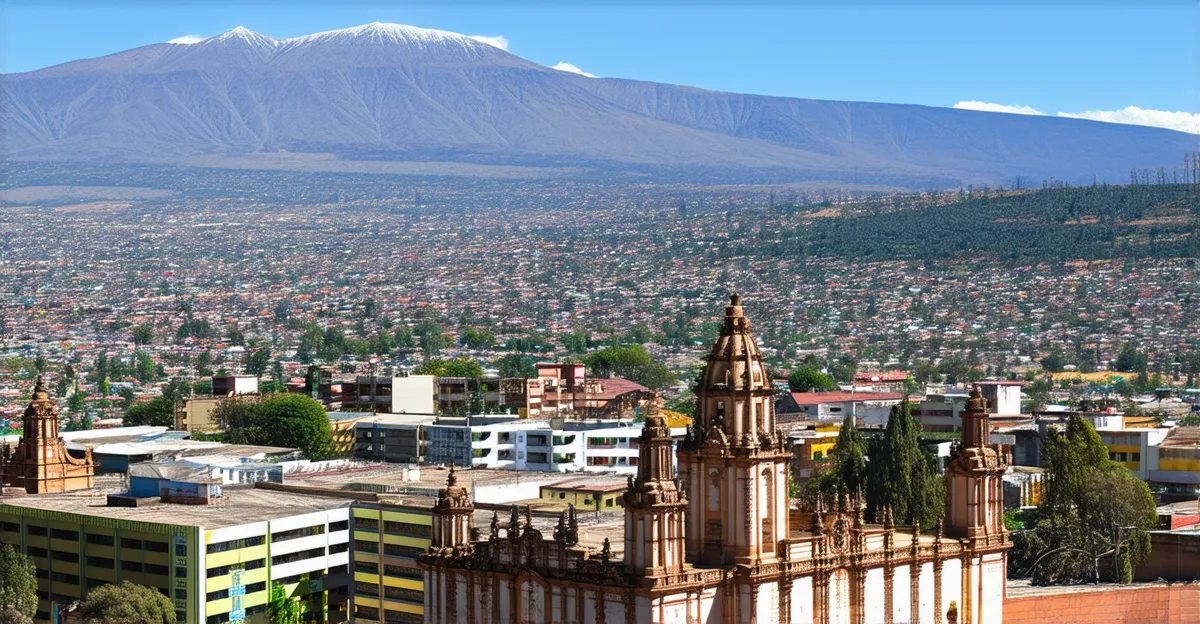
Table of Contents
Discover the Best Cochabamba Attractions in 2026
Curious about the best Cochabamba Attractions for 2026? Dive into our guide for exclusive insights on what makes Cochabamba a prime destination for adventurers and locals alike. From iconic landmarks to hidden gems, Cochabamba offers a diverse range of experiences that cater to every traveler’s interests.
Explore Cristo de la Concordia: A Must-See Attraction
For practical details and last-minute changes, use Fundación Simón I. Patiño (Palacio Portales).
For practical details and last-minute changes, use NAABOL - Aeropuerto Jorge Wilstermann.
Dominating the Cochabamba skyline, the Cristo de la Concordia stands as one of the tallest statues of Christ in the world, surpassing even Rio de Janeiro’s iconic Christ the Redeemer. A visit here isn’t just about seeing a statue; it’s an immersive experience offering breathtaking panoramic views of the entire Cochabamba valley. The sheer scale of the monument is awe-inspiring, making it a highlight for anyone exploring Cochabamba Attractions. Moreover, the site provides a unique vantage point to appreciate the city’s sprawling urban landscape nestled amidst the Andes Mountains.Ascending to the Summit
There are two primary ways to reach the Cristo de la Concordia: by cable car or by climbing the 2,000 steps. The cable car offers a swift and comfortable ride, perfect for those who prefer a less strenuous ascent. Alternatively, the climb is a rewarding experience for fitness enthusiasts and offers numerous stops with scenic viewpoints along the way. Consider beginning the climb early in the morning or late in the afternoon to avoid the midday heat. Also, ensure you have plenty of water and sun protection. As you ascend, you’ll encounter local vendors and fellow travelers, making the journey a memorable part of your exploration of Things to Do in Cochabamba.
Pro Tip: For an unforgettable experience, visit Cristo de la Concordia during sunset. The golden light illuminating the city below creates a magical atmosphere, perfect for photography and quiet reflection.
Once at the top, take your time to admire the statue up close. The intricate details and sheer size of the sculpture are truly impressive. The observation deck offers 360-degree views, allowing you to spot landmarks and appreciate the natural beauty surrounding Cochabamba. It’s an ideal spot for taking photos and creating lasting memories. You can easily spend a couple of hours here, soaking in the atmosphere and enjoying the views. Furthermore, this location gives a unique perspective on the city’s layout and geography. This is among the most prominent Cochabamba Experiences you can have.
Exploring the Cristo de la Concordia is a must for anyone visiting Cochabamba. It’s an experience that combines cultural significance, physical activity, and stunning views, all in one. Whether you choose to ride the cable car or climb the steps, the reward is well worth the effort. Don’t miss the chance to see this iconic landmark and capture the beauty of Cochabamba from above. For more ideas on Cochabamba Outdoor Activities, check out our guide.
Enhance your visit with a guided walking tour of Cochabamba to discover more hidden gems and local insights.
La Cancha Market: Immerse Yourself in Local Culture
La Cancha Market is not just a marketplace; it’s an immersive experience into the heart and soul of Cochabamba. As one of South America’s largest open-air markets, it pulsates with life, offering an unparalleled glimpse into the daily routines, commerce, and culture of the local people. Spanning several city blocks, La Cancha is a vibrant tapestry of sights, sounds, and smells, making it an essential stop for anyone seeking authentic Cochabamba Experiences. Moreover, the market offers a wide array of goods, from fresh produce and local delicacies to clothing, electronics, and handicrafts, ensuring there is something to captivate every visitor.
Navigating La Cancha can be overwhelming, but it’s also where its charm lies. You’ll find vendors passionately selling their wares, locals bargaining for the best prices, and families sharing meals at makeshift food stalls. Therefore, allowing yourself to get lost in the maze of alleys is part of the adventure. Every corner turned reveals new discoveries, whether it’s a hidden stall selling traditional Andean textiles or a group of musicians playing lively folk music. Additionally, engaging with the vendors and trying local snacks adds a personal touch to the experience, creating lasting memories of your visit.
What to Expect
Prepare for a sensory overload as you step into La Cancha. The market is incredibly busy, especially on weekends, so be mindful of your belongings. Furthermore, it’s advisable to dress casually and comfortably, wear sturdy shoes, and keep your valuables secure. The sheer size of the market means you could spend hours exploring, so plan accordingly. Also, remember to bring small denominations of Bolivianos, as bargaining is common, and smaller bills make transactions smoother. For those interested in guided tours, a walking tour in Cochabamba can provide valuable insights and help you navigate the market efficiently.
Beyond shopping, La Cancha offers a unique culinary adventure. The market is filled with food stalls serving traditional Bolivian dishes at incredibly affordable prices. Sample local favorites like salteñas, anticuchos, and pique macho, and quench your thirst with freshly squeezed juices. Eating at La Cancha is not only a delicious experience but also a way to support local vendors and immerse yourself in the local food culture. For more on Things to Do in Cochabamba, consider checking out this comprehensive guide.
In conclusion, La Cancha Market is more than just a place to shop; it’s a living, breathing reflection of Cochabamba’s vibrant culture and community. A visit here offers an authentic and unforgettable experience, providing a deeper understanding of the local way of life. Before you go, book a guided tour to make the most of your adventure.
Palacio Portales: Discover Architectural Splendor
Nestled in the heart of Cochabamba, Palacio Portales stands as a testament to architectural grandeur and historical significance. Commissioned by Simón I. Patiño, a Bolivian tin magnate, this palace was designed to be a symbol of wealth and cultural refinement. Although never fully completed as a residence, its stunning European-inspired design and expansive gardens make it one of the most captivating Cochabamba Attractions. Exploring Palacio Portales offers visitors a unique glimpse into the opulence of a bygone era and the artistic vision of its creators. Moreover, the meticulously landscaped grounds and ornate structures provide a serene escape from the bustling city.
Architectural Highlights and Design Influences
The palace’s architecture reflects a blend of European styles, primarily influenced by French and Italian Renaissance designs. The intricate detailing, from the sculpted facades to the elegant interior spaces, showcases a dedication to craftsmanship and aesthetic excellence. Furthermore, the palace’s layout includes grand halls, reception rooms, and expansive galleries, each designed to impress and inspire. The use of high-quality materials, such as marble and fine woods, further enhances its luxurious appeal. As you wander through the palace, you’ll discover a wealth of artistic details that contribute to its overall magnificence. Delve deeper into Cochabamba’s cultural activities for more enriching experiences.
Pro Tip: Take your time exploring the gardens surrounding Palacio Portales. The carefully manicured lawns, fountains, and sculptures offer a peaceful retreat and stunning photo opportunities.
Today, Palacio Portales serves as a cultural center and museum, hosting various exhibitions, concerts, and events throughout the year. It provides a valuable space for local artists and performers to showcase their talents, contributing to Cochabamba’s vibrant cultural scene. The palace’s role as a community hub ensures its continued relevance and importance in the city. Consequently, it’s a must-visit location for anyone seeking to immerse themselves in the arts and culture of Cochabamba. Looking for more things to do in Cochabamba? There’s plenty to explore!
Visiting Palacio Portales offers more than just a glimpse into the past; it’s an opportunity to experience the artistic and cultural heart of Cochabamba. The palace’s stunning architecture, combined with its role as a cultural center, makes it a truly unforgettable destination. As you plan your visit, be sure to check the event calendar to see if there are any special exhibitions or performances taking place. Additionally, don’t miss the chance to explore the surrounding gardens, which provide a tranquil setting to reflect on the beauty and history of this architectural gem.
To discover more about Cochabamba’s rich history and culture, consider joining a guided tour of the city.
Parque Nacional Tunari: Outdoor Adventures Await
⭐ Recommendation: Don't miss out on amazing Cochabamba tours - book now!
Parque Nacional Tunari, nestled in the majestic Andes Mountains, offers a stunning escape from the urban bustle of Cochabamba. As one of Bolivia’s most treasured natural reserves, it beckons adventurers and nature enthusiasts alike with its diverse ecosystems and breathtaking vistas. The park’s sprawling landscape, characterized by rugged terrain and lush valleys, promises an array of Cochabamba Outdoor Activities that cater to all skill levels. Furthermore, the park plays a crucial role in conserving the region’s biodiversity and providing essential ecosystem services. Therefore, a visit to Parque Nacional Tunari is not only a treat for the senses but also an opportunity to connect with nature and appreciate its wonders.
Hiking and Trekking Opportunities
The park boasts an extensive network of trails, ranging from leisurely strolls to challenging multi-day treks. Consequently, hikers can explore hidden waterfalls, encounter unique flora and fauna, and bask in panoramic views of the Cochabamba valley. The iconic ascent to Cerro Tunari, the park’s highest peak, is a rewarding endeavor for experienced mountaineers. However, even shorter hikes provide ample opportunities to immerse oneself in the park’s natural beauty. Remember to check weather conditions and trail difficulty before embarking on any trek, and always carry sufficient water and supplies. You can find additional information about local trails and guided tours on websites dedicated to Things to Do in Cochabamba.
Pro Tip: Hire a local guide to enhance your experience and learn about the park’s rich history and ecology. They can also provide valuable insights into the best routes and hidden gems within the park.
Beyond hiking, Parque Nacional Tunari offers opportunities for birdwatching, rock climbing, and mountain biking. The park is home to a diverse array of bird species, making it a paradise for ornithologists and casual birdwatchers alike. Rock climbing enthusiasts will find challenging cliffs and boulders to conquer, while mountain bikers can explore the park’s rugged terrain on two wheels. These diverse Cochabamba Experiences ensure that there’s something for everyone to enjoy within the park’s boundaries. Furthermore, the park’s tranquil atmosphere provides a welcome respite from the noise and stress of city life.
To fully appreciate the natural beauty of the region and discover more unique Cochabamba Attractions, consider joining a walking tour of Cochabamba. It’s a great way to see the city’s highlights, as outlined on GetYourGuide.
Cochabamba Cathedral: A Historical Landmark
🎯 Insider Tip: Discover the best Cochabamba experiences with Viator Tours!
The Cochabamba Cathedral, officially known as the Metropolitan Cathedral of Cochabamba, stands as a significant historical landmark and a prominent example of religious architecture in the heart of the city. Its imposing presence and intricate design attract both locals and tourists, making it one of the key Cochabamba Attractions. The cathedral’s rich history and stunning visual appeal provide a deep insight into the city’s cultural and religious heritage, offering a serene escape from the bustling urban environment. Visiting this landmark is a great way to experience Things to Do in Cochabamba, especially for those interested in history and architecture.
Architectural Grandeur and Historical Significance
Construction of the Cochabamba Cathedral began in the late 18th century and continued into the early 19th century, resulting in a blend of architectural styles, primarily neoclassical with baroque influences. The façade features twin bell towers and a meticulously detailed central entrance, showcasing the craftsmanship of the era. Inside, the cathedral is adorned with elaborate altars, stained glass windows, and religious artwork, each telling its own story. The high ceilings and spacious interior create an atmosphere of reverence and awe. Additionally, the cathedral has been a central point for major religious events and celebrations throughout Cochabamba’s history. To delve deeper into the city’s offerings, check out Explore More Cochabamba Activities.
Pro Tip: Attend a Sunday mass to witness the cathedral in full spiritual swing and experience local traditions firsthand.
The cathedral is not just a place of worship; it’s also a repository of historical artifacts and religious relics. Many of the paintings and sculptures within the cathedral date back centuries, reflecting the artistic styles and religious sentiments of their time. Furthermore, the cathedral’s archives hold valuable documents that provide insights into the city’s past. The preservation efforts ensure that these treasures are maintained for future generations, allowing visitors to appreciate the depth of Cochabamba’s cultural heritage. As you explore, you’ll find Cochabamba Outdoor Activities nearby, offering a blend of cultural and natural experiences.
Visiting the Cochabamba Cathedral is more than just a sightseeing activity; it’s an immersive experience that connects you with the city’s spiritual and cultural roots. Whether you are an architecture enthusiast, a history buff, or simply seeking a moment of tranquility, the cathedral offers something for everyone. Be sure to allocate ample time to fully appreciate its beauty and significance. For a guided experience, consider joining a walking tour in Cochabamba to uncover hidden stories and facts about this historical landmark.
To discover even more about the city’s attractions and plan your visit, explore the old town highlights and make the most of your trip to Cochabamba.
Gastronomic Delights: Savor Cochabamba’s Culinary Attractions
🌟 Local Expert Tip: Get the most out of your Cochabamba visit with guided tours!
Cochabamba, often called Bolivia’s culinary capital, offers a rich tapestry of flavors and dining experiences that are a significant part of its cultural identity. The city’s vibrant food scene attracts gourmands and casual eaters alike, all eager to explore its diverse gastronomic landscape. From traditional markets brimming with fresh produce to upscale restaurants showcasing innovative cuisine, Cochabamba’s culinary attractions promise an unforgettable journey for your taste buds. Moreover, exploring these culinary gems provides insight into the region’s history, traditions, and agricultural abundance.
Exploring the Flavors of Cochabamba
One of the best ways to experience Cochabamba’s culinary attractions is by visiting its bustling markets and sampling local street food. Start with the iconic La Cancha, one of South America’s largest markets, where you can find everything from exotic fruits and vegetables to freshly prepared dishes. Don’t miss the opportunity to try salteñas, savory pastries filled with meat, potatoes, and a slightly spicy sauce; they are a Cochabamba specialty. Additionally, indulging in api (a warm corn beverage) or a refreshing glass of freshly squeezed juice offers a true taste of the region. Check out more Cochabamba Activities to fully experience the city.
Pro Tip: Engage with local vendors at the markets; they often provide invaluable insights into the ingredients and preparation methods of traditional Cochabamba dishes.
Beyond street food, Cochabamba boasts a variety of restaurants that cater to diverse palates. Traditional eateries, known as picanterías, serve hearty dishes like pique macho (a flavorful mix of beef, sausages, potatoes, and vegetables) and silpancho (breaded steak served on a bed of rice and potatoes, topped with a fried egg). Furthermore, upscale restaurants offer modern interpretations of Bolivian cuisine, blending traditional ingredients with innovative culinary techniques. These establishments provide a sophisticated dining experience that highlights the country’s gastronomic evolution. Discover more Things to Do in Cochabamba to complete your visit.
For those eager to delve deeper into Cochabamba’s culinary scene, consider participating in a cooking class or a guided food tour. These experiences offer hands-on opportunities to learn about local ingredients, traditional cooking methods, and the cultural significance of various dishes. Additionally, many tours include visits to local farms and artisan producers, providing insight into the origins of the region’s unique flavors. These activities are not just about eating; they are about understanding the cultural narrative that food represents. Also explore Cochabamba Outdoor Activities for a change of pace.
Immerse yourself in the heart of Cochabamba with a walking tour and savor the old town’s highlights. Taste the city’s essence – book your tour now and experience Cochabamba’s culinary charm!
Ready to explore the best Cochabamba Attractions? Dive into your next journey and discover why Cochabamba is the place to be in 2026!
Frequently Asked Questions
A: Cochabamba offers a rich tapestry of cultural experiences, including historical sites, vibrant markets, and culinary delights. Be sure to visit Cristo de la Concordia, explore La Cancha market, and savor the local cuisine.
A: The best times to visit Cochabamba are during the shoulder seasons—spring (September to November) and autumn (March to May). The weather is pleasant, and there are fewer tourists compared to the peak summer months.
A: Yes, many attractions in Cochabamba offer guided tours in English and Spanish. It’s recommended to book in advance, especially during peak tourist season, to ensure availability.
A: For outdoor enthusiasts, consider visiting Parque Nacional Tunari for hiking and birdwatching, or explore the stunning landscapes of the surrounding valleys and mountains. Don’t forget to check out the Jardín Botánico Martín Cárdenas.
A: To fully experience Cochabamba, plan for at least 3-4 days. This allows enough time to see the main attractions, enjoy the local culture, and take a day trip to nearby areas.