
Gangtok Attractions: Top Spots in 2026
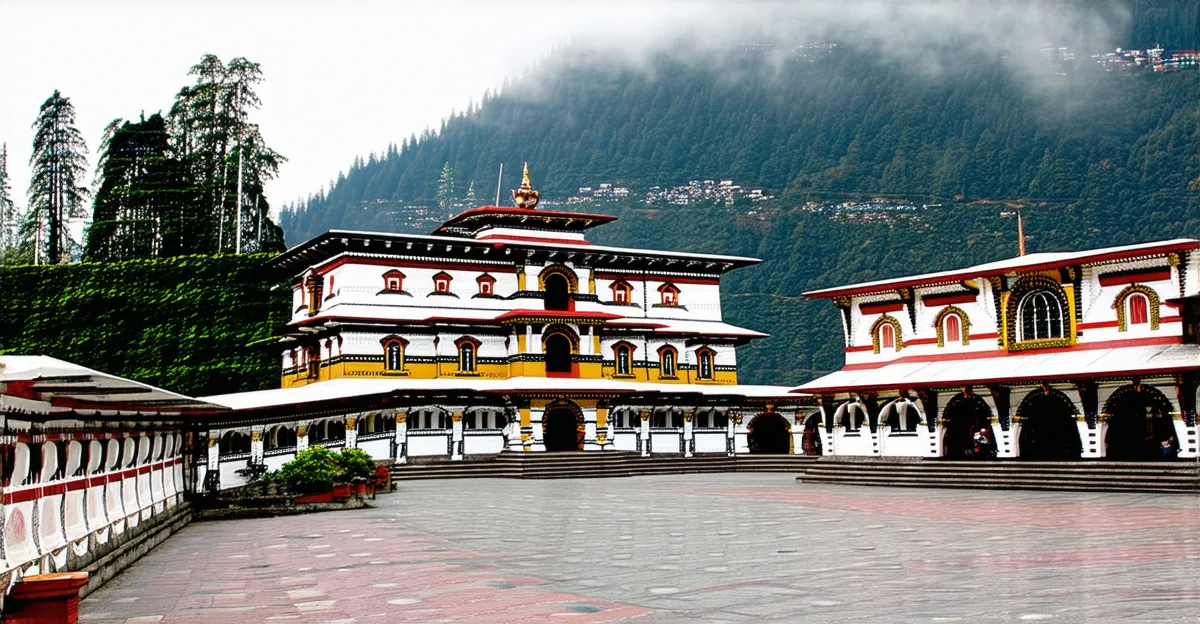
Table of Contents
Explore the Best Gangtok Attractions in 2026
Curious about the best Gangtok Attractions for 2026? Dive into our guide for exclusive insights on what makes Gangtok a prime destination for explorers and spiritual seekers alike. Discover the must-see spots that promise unforgettable experiences.
Tsomgo Lake: A Serene High-Altitude Gem
To plan your trip, review Gangtok Smart City.
For official information, visit Sikkim Tourism.
Nestled at an altitude of 12,400 feet, Tsomgo Lake, also known as Changu Lake, is undoubtedly one of the most breathtaking Gangtok Attractions. This glacial lake, located approximately 40 kilometers from Gangtok, is revered by the locals and captivates visitors with its stunning natural beauty. The lake’s surface reflects the surrounding snow-capped mountains, creating a mesmerizing spectacle that changes with the seasons. As you approach Tsomgo Lake, the crisp mountain air and panoramic views immediately transport you to a realm of tranquility and awe. Moreover, the journey to the lake is an adventure in itself, offering glimpses of the region’s rich biodiversity and rugged terrain.Seasonal Transformations and Cultural Significance
Tsomgo Lake exhibits dramatic seasonal transformations. During winter, the lake freezes over, creating a vast expanse of ice that is both surreal and captivating. In contrast, summer brings a vibrant display of colors as the surrounding alpine meadows burst into bloom. This seasonal variability enhances the allure of Tsomgo Lake, making it a year-round destination. Furthermore, the lake holds deep cultural significance, as it is considered sacred by the local Sikkimese people, who believe its waters possess healing properties. Therefore, a visit to Tsomgo Lake offers not only visual splendor but also a profound connection to the region’s spiritual heritage. Discover more about the various Gangtok Activities to enhance your trip.
Pro Tip: The best time to visit Tsomgo Lake is between October and March, especially if you wish to witness the frozen lake. However, be sure to check weather conditions and road accessibility before planning your trip.
Exploring Tsomgo Lake also presents opportunities for engaging in various activities. Yak rides are a popular choice, allowing you to traverse the landscape in a traditional manner. Moreover, the area around the lake offers opportunities for short hikes, where you can immerse yourself in the natural beauty and capture stunning photographs. Remember to acclimatize to the high altitude to fully enjoy these Gangtok Outdoor Activities. Additionally, the local vendors offer a range of snacks and souvenirs, adding to the overall experience.
For those seeking adventure and natural beauty, Tsomgo Lake is an unmissable destination. Its serene ambiance, combined with the majestic Himalayan backdrop, makes it a highlight of any trip to Gangtok. Besides Tsomgo Lake, there are many other Things to Do in Gangtok that are worth exploring.
Ready to experience the magic of Tsomgo Lake? Book your day trip from Gangtok to Tsomgo Lake today!
Nathu La Pass: A Historic Border Crossing
Nathu La Pass, situated at an impressive altitude of 14,140 feet, stands as a significant historical and strategic point connecting India and China. As one of the highest motorable roads in the world, visiting Nathu La Pass is a unique experience that combines breathtaking natural beauty with a palpable sense of history. Moreover, the pass offers stunning views of the surrounding Himalayan peaks and a glimpse into the border trade and military presence in the region. For those interested in Gangtok Attractions, Nathu La Pass is an unmissable destination that provides both adventure and insight.
A Glimpse into History and Trade
Historically, Nathu La Pass served as a crucial trade route between India and Tibet. Even today, it holds immense importance for cross-border commerce and diplomatic relations. The pass was reopened in 2006, rekindling trade activities and fostering cultural exchanges. When you visit, you’ll witness the symbolic border gates and possibly observe the movement of goods, offering a tangible connection to the region’s historical trade dynamics. Besides, understanding the historical context enhances the appreciation of this strategic location.
Pro Tip: Permits are required to visit Nathu La Pass and can be obtained through registered tour operators in Gangtok. Ensure you apply well in advance, as permits are limited and subject to weather conditions.
The journey to Nathu La Pass is an adventure in itself. As you ascend, the landscape transforms from lush greenery to rugged, snow-capped mountains. The air becomes crisper, and the views become increasingly dramatic. It’s advisable to carry warm clothing, as temperatures can drop significantly, regardless of the season. Indeed, the stark beauty of the landscape is a major draw for travelers seeking unique Gangtok Outdoor Activities. Before planning your trip, check out some additional Gangtok activities.
For many visitors, the highlight is standing at the border and observing the Chinese side. The presence of Indian and Chinese soldiers adds a layer of solemnity and respect to the experience. Furthermore, the opportunity to witness this geopolitical boundary firsthand is both educational and thought-provoking. Remember, photography restrictions may apply in certain areas, so it’s crucial to follow guidelines set by the authorities.
Embark on a memorable journey with a day trip to Tsongmo Lake and Nathu La Pass to fully experience this historic border crossing.
Rumtek Monastery: A Center of Tibetan Buddhism
Nestled amidst the rolling hills near Gangtok, Rumtek Monastery stands as one of the most significant centers of Tibetan Buddhism in the world. Known for its stunning architecture and rich spiritual heritage, the monastery attracts monks, scholars, and tourists alike. Furthermore, it serves as the seat of the Karmapa, one of the most important figures in the Karma Kagyu lineage of Tibetan Buddhism. Visiting Rumtek offers a unique glimpse into the profound traditions and practices of Tibetan monastic life, solidifying its place among the top Gangtok Attractions.
Exploring the Monastery Grounds
The sprawling complex of Rumtek Monastery includes the main temple, a monastic college, a retreat center, and several other buildings. As you enter the main temple, you’ll be greeted by magnificent murals, intricate carvings, and a serene atmosphere. The golden stupa, containing the relics of the 16th Karmapa, is a highlight that draws devotees from across the globe. Moreover, the surrounding gardens provide a tranquil space for reflection and meditation, enhancing the spiritual experience. Exploring these grounds is undoubtedly one of the essential Things to Do in Gangtok.
Pro Tip: Dress modestly when visiting Rumtek Monastery, and remember to remove your shoes before entering the main temple. Silence is highly valued, allowing for a more immersive experience.
Besides its religious significance, Rumtek Monastery also plays a vital role in preserving Tibetan art and culture. The monastery houses an extensive collection of religious artifacts, including ancient texts, thangkas (Tibetan paintings), and statues. During festivals, the monastery comes alive with vibrant masked dances, religious ceremonies, and colorful displays, offering a captivating insight into Tibetan traditions. Therefore, experiencing these cultural events adds a unique dimension to your visit.
To fully appreciate the monastery’s beauty and historical importance, consider joining a guided tour. These tours often provide valuable context and insights into the monastery’s history, architecture, and religious practices. Whether you’re interested in history, spirituality, or simply experiencing a different culture, a visit to Rumtek Monastery is an enriching experience that should not be missed among the diverse Gangtok Activities. For those interested in a deeper dive, you might consider this guided monastery tour.
For more ideas on planning your trip, check out this guide to Gangtok’s attractions and consider booking a tour through GetYourGuide to enhance your cultural experience.
Enchey Monastery: A Peaceful Retreat
💡 Pro Tip: Book your Mumbai adventures in advance through Viator for the best deals!
Nestled amidst lush greenery on a ridge above Gangtok, Enchey Monastery offers visitors a serene escape and a profound spiritual experience. Founded in the early 20th century, this monastery belongs to the Nyingma order of Vajrayana Buddhism. Its name, “Enchey,” translates to “the solitary temple,” perfectly capturing the sense of peace and isolation one feels within its walls. For those seeking Gangtok Attractions that provide both cultural insight and tranquility, Enchey Monastery is a must-visit. Its location provides stunning views of the surrounding hills, adding to the overall sense of calm and reflection.
Architectural and Spiritual Significance
The monastery’s architecture is a striking example of traditional Tibetan design, featuring vibrant colors, intricate murals, and a towering golden spire. The main prayer hall houses numerous statues of deities, including those of Lord Buddha, Padmasambhava (Guru Rinpoche), and Loketesvara. These sacred images are adorned with silk brocades and precious stones, reflecting the deep reverence of the monks and devotees. Furthermore, the monastery is renowned for its annual ‘Chaam’ dance, a masked dance festival held in January, which attracts visitors from all over the world. This colorful and energetic event is a significant cultural highlight, offering a glimpse into the rich traditions of Tibetan Buddhism.
Visiting Enchey Monastery is more than just sightseeing; it’s an immersive experience that touches the soul. As you wander through the monastery grounds, you’ll encounter monks engaged in prayer and meditation, their chants creating a soothing ambiance. The monastery’s peaceful environment encourages introspection and provides a welcome respite from the bustling city below. Therefore, it stands out among the many Things to Do in Gangtok. Moreover, the surrounding gardens are meticulously maintained, adding to the overall sense of harmony and beauty.
Getting to Enchey Monastery is relatively easy, as it is located just a short drive from the center of Gangtok. You can hire a taxi or take a local bus to reach the monastery. Once there, remember to dress respectfully (covering shoulders and knees) and remove your shoes before entering the prayer hall. Photography may be restricted in certain areas, so it’s always best to ask for permission. For those interested in exploring more monasteries, consider a guided monastery tour.
Exploring Gangtok’s Outdoor Activities often leads to hidden gems like Enchey Monastery, a place where spirituality and natural beauty converge. To further enhance your Gangtok experience, book a guided cultural walk and immerse yourself in the local heritage.
Himalayan Zoological Park: Spotting Rare Wildlife
The Himalayan Zoological Park in Gangtok offers a unique opportunity to observe rare and endangered wildlife native to the Himalayan region. Situated at a considerable altitude, this park distinguishes itself from traditional zoos by housing animals in their natural habitat-like enclosures. Consequently, visitors can experience a more authentic glimpse into the lives of these fascinating creatures. Moreover, the zoo’s conservation efforts play a vital role in protecting these species for future generations.
What You’ll See
Among the park’s most iconic residents is the elusive snow leopard, an apex predator of the high Himalayas. Observing these majestic cats in a setting that mimics their natural environment is an unforgettable experience. Additionally, the zoo is home to the red panda, a small, arboreal mammal known for its reddish-brown fur and gentle demeanor. Furthermore, you can also spot the Himalayan monal, a brilliantly colored pheasant, and the Tibetan wolf, a formidable predator adapted to the harsh mountain climate. These Gangtok Attractions provide excellent opportunities for wildlife enthusiasts and nature lovers alike. It’s certainly one of the best Things to Do in Gangtok.
Pro Tip: Visit during the early morning hours for the best chance to see the animals active and engaging in their natural behaviors.
The Himalayan Zoological Park is not just about viewing animals; it’s also an educational experience. Informative displays provide insights into the ecology of the Himalayas and the challenges faced by its wildlife. Besides that, the park promotes awareness about conservation and sustainable living, encouraging visitors to become stewards of the environment. Therefore, a visit here contributes to both enjoyment and environmental responsibility. Plus, there are many other Gangtok Outdoor Activities you may want to consider.
Getting to the zoo requires a bit of effort, as it’s located a few kilometers outside of Gangtok. However, the journey is well worth it, offering scenic views of the surrounding landscape. Once inside, be prepared for some walking, as the park is spread across a hilly terrain. Despite the physical demands, the experience of seeing these incredible animals up close is truly rewarding. Don’t forget your camera to capture these memorable moments!
For those interested in exploring more of Gangtok’s cultural side, consider joining a guided heritage walk. Additionally, to enhance your understanding and appreciation of the region’s natural beauty, explore the best of Gangtok with a guided tour. These Gangtok Experiences will provide a fuller picture of this amazing destination.
MG Marg: Gangtok’s Vibrant Promenade
MG Marg is the heart and soul of Gangtok, serving as its main pedestrian street and a bustling hub of activity. This vibrant promenade is meticulously maintained, free from vehicular traffic, and offers a delightful experience for both locals and tourists. Lined with shops, restaurants, and cafes, MG Marg is the perfect place to immerse yourself in the local culture and enjoy the energetic atmosphere of the city. Moreover, its central location makes it easily accessible and a convenient starting point for exploring other Gangtok Attractions.
A Shopper’s and Foodie’s Paradise
The street is renowned for its diverse shopping options, ranging from traditional handicrafts and souvenirs to modern apparel and electronics. You can find unique items that reflect the local artistry and craftsmanship. Furthermore, MG Marg boasts an array of culinary delights, with restaurants serving everything from authentic Sikkimese cuisine to international dishes. Whether you’re craving momos, thukpa, or a pizza, you’ll find something to satisfy your taste buds. For a taste of local flavors, consider joining a guided food tour. In addition, the street’s lively ambiance makes it a great place to simply relax and people-watch.
Pro Tip: Visit MG Marg in the evening when it’s beautifully lit and the atmosphere is even more vibrant. Many shops stay open late, and street performers often add to the entertainment.
MG Marg is not just about shopping and eating; it also hosts various cultural events and festivals throughout the year. During these celebrations, the street comes alive with traditional dances, music performances, and colorful decorations, providing a unique glimpse into the local traditions and customs. As a result, attending one of these events can be a memorable experience. Moreover, the well-maintained benches and seating areas along the street invite visitors to take a break and soak in the surroundings. In addition, exploring Things to Do in Gangtok often begins right here.
Beyond the immediate attractions of MG Marg, its strategic location makes it an ideal base for venturing into other parts of Gangtok. You can easily access nearby monasteries, viewpoints, and other landmarks from here. It’s also a great starting point for planning Gangtok Outdoor Activities. Therefore, make sure to allocate ample time to fully enjoy this central hub during your visit. If you’re interested in a comprehensive tour of Gangtok’s highlights, consider booking a guided sightseeing tour and check out the various Gangtok Activities for a memorable experience.
Gangtok Ropeway: Aerial Views of the City
The Gangtok Ropeway offers a unique and breathtaking perspective of the city and its surrounding landscapes. This cable car ride provides panoramic views of Gangtok, the majestic Himalayas, and the lush valleys below. It’s an ideal way to quickly ascend and appreciate the beauty of this Himalayan city from a vantage point unlike any other. Furthermore, the ropeway is not just a mode of transport but an attraction in itself, offering memorable aerial views that capture the essence of Gangtok’s charm. Whether you are a first-time visitor or a seasoned traveler, the ropeway experience is something you should not miss.
Experience the Scenic Route
Starting from Deorali Market, the Gangtok ropeway gently climbs upwards, providing stunning vistas of the houses, monasteries, and vibrant streets of Gangtok. The ride takes approximately 15-20 minutes, during which you can absorb the beauty of the cityscape blending seamlessly with the natural splendor. As you ascend, keep an eye out for Kanchenjunga peaks, weather permitting, which add to the already mesmerizing scenery. It’s one of the most scenic Things to Do in Gangtok. The clear air and unobstructed views make it a photographer’s dream. Moreover, for those seeking a unique perspective, this experience is unparalleled.
Pro Tip: Visit the ropeway during the early morning or late afternoon to avoid crowds and capture the best lighting for photography. Clear weather ensures the most spectacular views of the Himalayan range.
The Gangtok Ropeway is not only a visual treat but also a convenient way to access different parts of the city. It connects key points, making it easier for tourists to explore various Gangtok Attractions. The accessibility makes it appealing for families, elderly visitors, and anyone looking to minimize strenuous walking. Additionally, the ropeway offers a smooth and comfortable journey, allowing you to relax and immerse yourself in the surroundings. For more Gangtok Activities, you might consider a guided sightseeing tour to see other highlights of the city.
For those interested in exploring more outdoor adventures, consider checking out other Gangtok outdoor activities that offer different perspectives and interactions with nature. Besides the ropeway, Gangtok has several viewpoints and trails that provide equally stunning views. Consequently, combining the ropeway with other outdoor activities allows you to fully appreciate the natural beauty of the region.
To further enhance your travel experience, explore Gangtok’s highlights on a guided full-day tour and make the most of your visit!
Ready to explore the best Gangtok Attractions? Dive into your next journey and discover why Gangtok is the place to be in 2026!
Frequently Asked Questions
A: From guided monastery visits to thrilling paragliding adventures, explore the top attractions that capture the essence of Gangtok.
A: Seasonal trends suggest that spring (March-May) and autumn (September-November) offer ideal weather conditions for exploring Gangtok’s attractions to their fullest.
A: Yes, many Gangtok attractions are family-friendly, including the Himalayan Zoological Park, Tsomgo Lake (with Yak rides), and the ropeway.
A: Wear comfortable walking shoes, layers of clothing (as the weather can change quickly), and carry rain gear. Respect local customs and traditions when visiting religious sites.
A: Permits are required for visiting certain areas, such as Tsomgo Lake and Nathu La Pass. Ensure you obtain the necessary permits in advance through a registered tour operator.