
Guide to Catania’s Baroque Architecture Walk
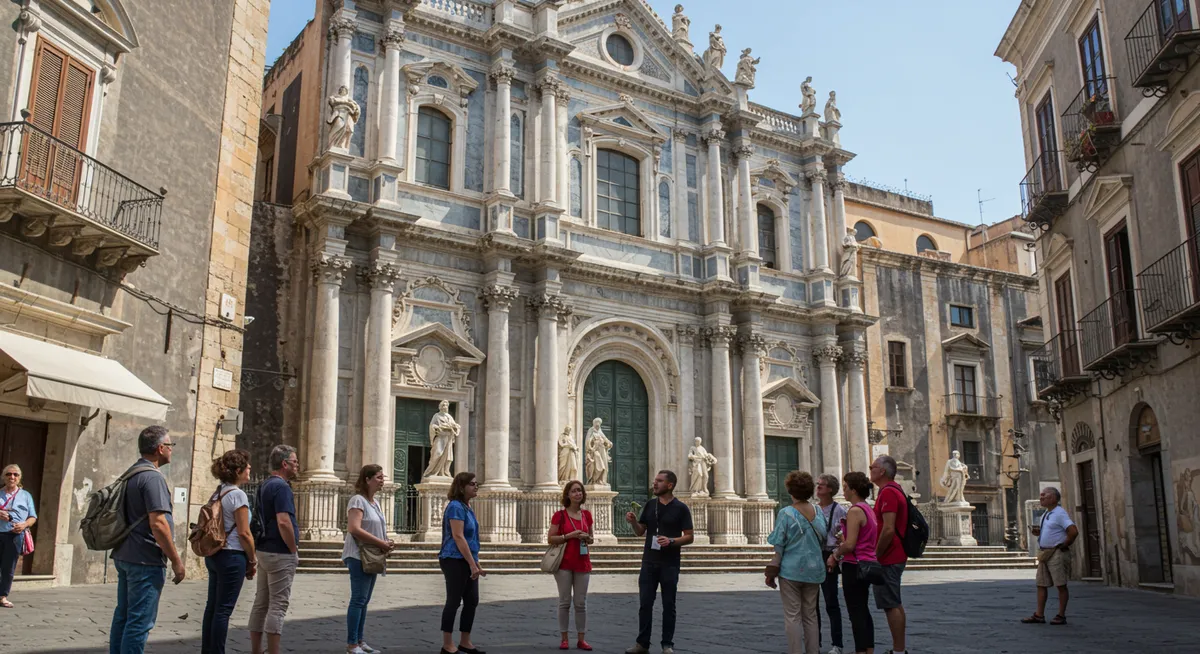
Table of Contents
Your Ultimate Guide to a Baroque Architecture Walking Tour in Catania
As someone who’s spent countless hours wandering the sun-drenched streets of Catania, I can confidently say that its Baroque architecture is not just a style; it’s the city’s soul. After the devastating 1693 earthquake, Catania rose from the ashes, rebuilt in a spectacular, unified Baroque vision that earned it UNESCO World Heritage status. This comprehensive guide to a Baroque architecture walking tour in Catania will help you uncover the ornate details, dramatic facades, and grand piazzas that define this incredible city.
The Grand Piazza Duomo: Catania’s Baroque Heartbeat
You can find the latest updates on Università degli Studi di Catania.
For current hours, prices, and announcements, start with Parco dell'Etna.
Your journey begins in the magnificent Piazza Duomo, the pulsating heart of Catania’s Baroque revival. Standing here, I always feel transported back in time, marveling at the unified grandeur. Dominating the square is the Cattedrale di Sant’Agata, a stunning example of Sicilian Baroque artistry, complete with its lava stone elements. Don’t miss the iconic Elephant Fountain, a quirky symbol of the city. Opposite, the Palazzo degli Elefanti, Catania’s town hall, showcases elegant design. Nearby, the beautiful Badia di Sant’Agata offers incredible rooftop views, providing a unique perspective on this historic center. It’s truly one of the most important churches to visit in Catania for history buffs.Via Crociferi: A Street of Sacred Splendor
From Piazza Duomo, take a short stroll to Via Crociferi, a street widely considered the epitome of Catania’s Baroque architecture. This UNESCO-listed gem is lined with churches and monastic complexes, creating an almost theatrical sense of grandeur. The Church of San Benedetto, with its famous arch spanning the street, is a must-see. I recall my jaw dropping the first time I walked under that arch – it’s a profound experience. Further along, you’ll find the Church of San Giuliano and the Collegio dei Gesuiti, each boasting intricate details and impressive facades. Exploring these hidden historical sites to explore in Catania, Sicily, feels like stepping into an open-air museum.
Exploring Beyond: Ursino Castle & Via Etnea’s Gems
While much of Catania’s Baroque focus is central, venture slightly off the main circuit to discover how this style permeates the city. Though predominantly medieval, Castello Ursino provides a historical counterpoint, reminding us of Catania’s pre-Baroque past before its dramatic rebirth. As you continue your Baroque architecture walking tour, head north along Via Etnea, Catania’s main shopping street. Here, amidst modern life, you’ll find more exquisite Baroque palaces like the University Palace and Palazzo San Giuliano, blending seamlessly into the urban fabric. Seeking out these authentic cultural experiences in Catania allows you to appreciate the city’s rich layering of history.
Practical Tips for Your Catania Baroque Journey
🎯 Insider Tip: Discover the best Catania experiences with Viator Tours!
To truly enjoy your Baroque architecture walking tour in Catania, a few practical tips will make all the difference. Wear comfortable shoes; you’ll be doing a lot of walking on charming, sometimes uneven, cobblestone streets. Hydration is key, especially during warmer months, so carry water. The best time to experience the tranquil beauty of these sites is typically early morning or late afternoon. While this guide helps you navigate independently, don’t hesitate to absorb local customs to know before visiting Catania, Italy, such as respecting church opening hours. Combine your tour with a delicious street food experience for a truly immersive day!
Frequently Asked Questions
Q: How long does a typical Baroque architecture walking tour in Catania take?
A: A comprehensive self-guided tour focusing on the main Baroque sites in Catania can take anywhere from 3 to 5 hours, depending on your pace and how much time you spend inside churches or museums. You can easily spread it over two half-days if you prefer.
Q: Is Catania’s Baroque architecture easily accessible for walking?
A: Yes, the core Baroque district in Catania, centered around Piazza Duomo and Via Crociferi, is very walkable. Streets are generally flat, though some cobblestones exist. Comfortable shoes are highly recommended for your Baroque architecture walking tour.
Q: Are there any guided Baroque tours available in Catania?
A: While this guide helps with a self-guided experience, many local tour operators in Catania offer guided Baroque architecture tours. These often provide deeper historical insights and access to specific buildings. Check local tourism offices for recommendations.
Your Baroque architecture walking tour in Catania is more than just sightseeing; it’s a journey through resilience and artistic triumph. By following this guide, you’ve discovered the magnificent UNESCO-listed structures that define Catania’s unique spirit. From grand piazzas to intricate church facades, the city’s Baroque heart truly beats with historical splendor. Don’t stop there; delve deeper into all the other amazing things to do in Catania Catania offers for a truly immersive Sicilian adventure.