
Your Guide to Bath’s Georgian Architecture
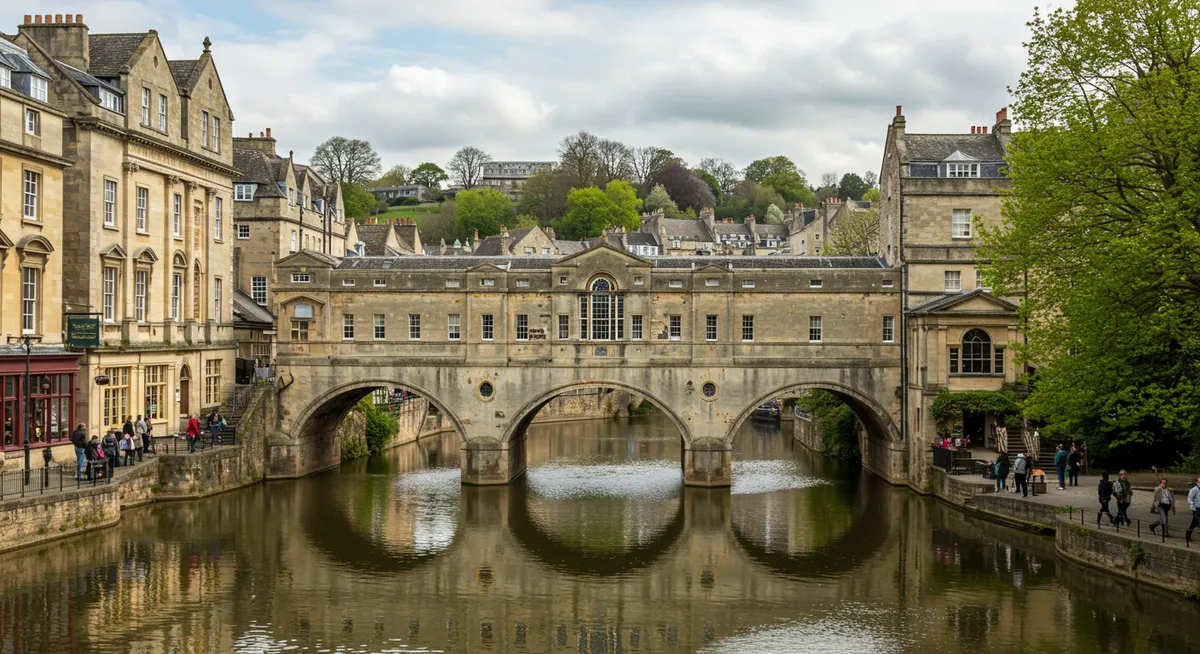
Table of Contents
Your Essential Guide to Bath’s Georgian Architecture
Having wandered Bath’s elegant streets for years, I’ve developed a true appreciation for its timeless beauty. When you picture Bath, you’re likely envisioning its iconic pale stone buildings, grand crescents, and perfectly proportioned squares. This distinctive look is thanks to its magnificent Georgian architecture, a style that defines the city’s unique charm and historical essence. This guide will walk you through the core principles, must-see examples, and the fascinating stories behind Bath’s most famous architectural style. Let’s delve into what makes Bath’s Georgian architecture so incredibly special and how it shaped the vibrant cultural hub we know today.
Understanding Bath’s Georgian Architecture: Core Principles
For official information, visit Lonely Planet Bath.
For current hours, prices, and announcements, start with UNESCO World Heritage Centre - City of Bath.
Georgian architecture, prominent from 1714 to 1830, marks a period of refined Neoclassical design characterized by symmetry, proportion, and classical motifs. In Bath, this style is predominantly executed in the city’s distinctive honey-coloured Bath stone, giving it a luminous quality, especially at sunrise or sunset. Builders like John Wood the Elder and Younger embraced Palladian ideals, creating grand terraces and crescents that were revolutionary for their time. My first-hand experience confirms that the beauty lies in the harmonious lines and the way buildings blend seamlessly into the landscape, a true testament to their meticulous planning. These principles define the very soul of Bath’s most famous style.Iconic Gems: Must-See Georgian Architecture in Bath
Bath is an open-air museum of Georgian masterpieces, and a guide to Bath’s Georgian architecture would be incomplete without highlighting its stars. The Royal Crescent, an arc of thirty terraced houses, stands as a paramount example, showcasing grand scale and perfect symmetry. Just a short stroll away, The Circus, a circular arrangement of three curved segments, is equally breathtaking and mysterious. My top tip: look for the intricate details on the facades, like classical pilasters and decorative urns, which reveal the era’s sophisticated taste. Don’t forget Pulteney Bridge, a unique structure lined with shops, inspired by Florence’s Ponte Vecchio.
The Visionaries: Shaping Bath’s Georgian Landscape
The genius behind much of Bath’s Georgian architecture rests with father-and-son duo John Wood the Elder and John Wood the Younger. They didn’t just design buildings; they envisioned and executed entire urban landscapes, transforming Bath into the fashionable spa town it became. Ralph Allen, a local entrepreneur, also played a crucial role, pioneering the use of Bath stone from his quarries. Their combined vision created a coherent and elegant city, where the streets themselves tell a story of ambition and prosperity. Understanding their influence truly enriches your appreciation for the unique cultural experiences this city offers.
Beyond Facades: Living Georgian Life in Bath
🌟 Local Expert Tip: Get the most out of your Bath visit with guided tours!
While the exteriors of Bath’s Georgian architecture are captivating, imagining the life within these elegant structures truly brings them alive. The grand Assembly Rooms, for instance, were the social heart of Georgian Bath, where people danced, gambled, and gossiped. My personal visits reveal how these spaces were designed for grand entrances and lively gatherings, reflecting the period’s social customs. Exploring the city’s best museums in Bath, like the No. 1 Royal Crescent Museum, offers a glimpse into authentic Georgian interiors, showing how residents lived, dined, and entertained. It’s a fascinating look at how architecture supported a thriving social scene.
Exploring Bath’s Georgian Heritage: Practical Tips
🎯 Insider Tip: Discover the best Bath experiences with Viator Tours!
To truly immerse yourself in Bath’s Georgian architecture, I highly recommend a leisurely stroll through the city center. Many cultural walking tours specialize in the Georgian period, offering insightful commentary on the designers and their masterpieces. You can easily spend hours admiring the terraces, squares, and crescents. For those keen to discover hidden historical sites, venture beyond the main attractions; you’ll find charming side streets that reveal smaller, yet equally beautiful, examples of the style. Remember to look up to appreciate the rooflines and chimneys, often overlooked but integral details.
Discovering More Bath Experiences and Activities
While focusing on Bath’s Georgian architecture is a rewarding journey, the city offers a wealth of other Bath experiences that complement your architectural exploration. From the ancient Roman Baths to the serene Pulteney Weir, there are countless things to do in Bath that enrich your cultural understanding. Consider exploring the charming independent shops in the city center, many housed within Georgian buildings, or enjoying a traditional cream tea in a historic setting. These Bath activities provide a holistic view of this UNESCO World Heritage city, making your visit truly memorable.
Frequently Asked Questions
Q: What is unique about Bath’s Georgian architecture?
A: Bath’s Georgian architecture is unique due to its extensive use of local honey-coloured Bath stone, its grand scale in crescents and terraces like the Royal Crescent, and the coherent, city-wide planning by architects like John Wood, making it a cohesive and stunning example of the style.
Q: Can I go inside Georgian buildings in Bath?
A: Yes, many Georgian buildings are open to the public. The No. 1 Royal Crescent Museum offers a fully restored Georgian townhouse experience. Additionally, many hotels, shops, and restaurants are housed within these historic structures, allowing you to experience their interiors.
Q: Who were the key architects of Georgian Bath?
A: The most influential architects of Georgian Bath were John Wood the Elder and his son, John Wood the Younger. They were responsible for designing iconic structures and urban layouts such as The Circus, the Royal Crescent, and Queen Square, shaping much of the city’s distinctive appearance.
As you’ve discovered, Bath’s Georgian architecture is more than just beautiful buildings; it’s the very fabric of the city’s identity and history. From the monumental crescents to the intricate details on individual facades, every corner tells a story of elegance, innovation, and social life. Understanding this unique style truly enriches any visit, transforming a casual stroll into a historical journey. So, next time you’re in Bath, take a moment to truly appreciate the enduring legacy of its Georgian architectural splendour. Your exploration of this remarkable city will be all the more rewarding for it!