
Your Guide to Visiting Bucharest’s Village Museum
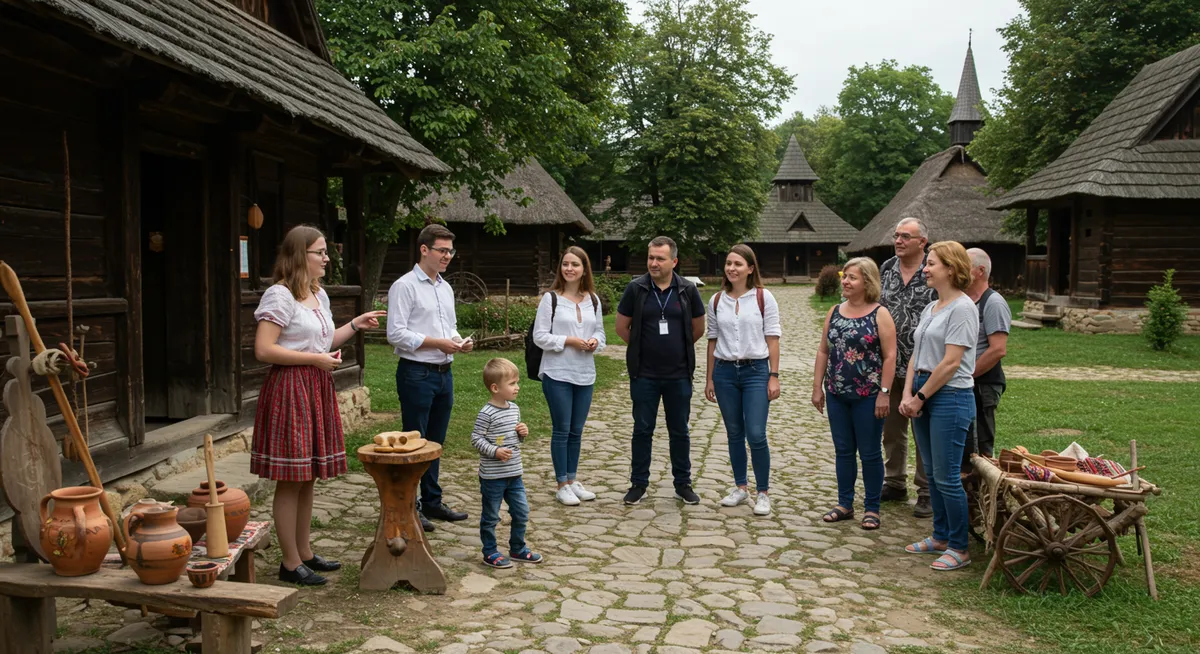
Table of Contents
A Comprehensive Guide to Visiting the Dimitrie Gusti National Village Museum in Bucharest
As a seasoned travel content creator with a passion for uncovering authentic cultural experiences, I’ve had the pleasure of exploring countless open-air museums across Europe. Among them, the Dimitrie Gusti National Village Museum in Bucharest stands out as a truly enchanting destination. It’s far more than just a collection of old buildings; it’s a vibrant, living testament to Romania’s rich rural heritage, perfectly nestled beside Herăstrău Park. This comprehensive guide will walk you through everything you need to know for an unforgettable experience visiting Dimitrie Gusti National Village Museum Bucharest. Get ready to step back in time and discover the fascinating traditions and authentic village life that shaped this beautiful country, right in the heart of its bustling capital, offering a unique glimpse into Romanian history.
Planning Your Visit to the Dimitrie Gusti National Village Museum
For current hours, prices, and announcements, start with Lonely Planet Bucharest.
Before you embark on your journey back in time, a little planning goes a long way. The Dimitrie Gusti National Village Museum is conveniently located in northern Bucharest, right next to the beautiful Herăstrău Park. You can easily reach it by metro (M2 line to Aviatorilor station, then a short walk) or by bus/tram. Opening hours typically vary by season, so always check their official website before heading out – my personal tip is to go right at opening to beat the crowds, especially during peak summer months. Admission fees are quite reasonable, making it one of the most budget-friendly things to do in Bucharest to do in Bucharest. Allow at least 2-3 hours to truly explore this expansive open-air complex and absorb its unique charm.Step Inside Romania’s Living History: What to Explore
As you wander through the Dimitrie Gusti National Village Museum, you’ll encounter over 300 authentic buildings and structures, meticulously relocated from various regions across Romania. These aren’t just replicas; they are original homes, churches, windmills, and workshops, each telling a unique story of rural life. From the iconic wooden churches of Maramureș to the quaint farmhouses of Transylvania, every corner offers a glimpse into diverse architectural styles and traditional crafts. I found myself particularly mesmerized by the intricate details of the traditional textiles and tools inside the homes. Exploring these living exhibits truly provides an unparalleled insight into Romania’s rich heritage and the daily lives of its people throughout the centuries.
Engaging Activities and Unique Experiences
Beyond simply admiring the architecture, the Village Museum offers various engaging experiences. During warmer months, you might encounter artisans demonstrating traditional crafts like pottery, weaving, or wood carving, offering a wonderful opportunity to see local traditions in action. Keep an eye out for seasonal events and festivals, as the museum often hosts folk performances, traditional fairs, and cultural celebrations that bring the village to life. These events are fantastic for families and provide an immersive way to understand Romanian cultural heritage. For instance, I once stumbled upon a bread-making demonstration, and the aroma alone was incredibly inviting! This dynamic approach makes visiting Dimitrie Gusti National Village Museum Bucharest a vibrant journey, far from a static display.
Seasonal Charm: When to Visit for the Best Experience
⭐ Recommendation: Don't miss out on amazing Bucharest tours - book now!
The beauty of the Dimitrie Gusti National Village Museum transforms with each season. Spring and autumn offer pleasant temperatures, fewer crowds, and stunning natural backdrops – think blooming trees or vibrant fall foliage, which make for incredible outdoor photos. Summer brings longer opening hours and more frequent craft demonstrations and cultural events, though it can get quite warm and busy, especially on weekends. Winter provides a magical, serene atmosphere, particularly if there’s snow, though some indoor exhibits might have limited access, and not all artisans will be present. My top recommendation is late spring (May-June) or early autumn (September-October) for the perfect balance of weather and activities. Consider checking the museum’s calendar for any special seasonal festivities before your trip.
Insider Tips for a Truly Memorable Village Museum Adventure
To truly make the most of your visit, wear comfortable shoes – you’ll be doing a lot of walking on unpaved paths. Bring water and snacks, especially if you’re traveling with kids, as facilities inside are limited. Photography is encouraged, so don’t forget your camera to capture the charming details of the traditional architecture and the serene landscapes. For families, many areas are stroller-friendly, and children will love exploring the various homes and open spaces. I always advise people to take their time; rush through, and you’ll miss the subtle beauty and profound history each structure holds. Engaging with any available artisans can also enrich your understanding, offering unique insights into Romanian village life. This will ensure your visit to the Dimitrie Gusti National Village Museum Bucharest is not just a tour, but a true cultural immersion.
Frequently Asked Questions
Q: How much time should I allocate for my visit to the Dimitrie Gusti National Village Museum?
A: To fully appreciate the museum’s extensive collection of authentic village homes and structures, we recommend allocating at least 2 to 3 hours. If you plan to attend a specific event or craft demonstration, you might want to extend your visit to ensure you don’t miss anything.
Q: Is the Village Museum suitable for children and families?
A: Absolutely! The open spaces, various houses to explore, and the chance to see traditional crafts make it a fantastic and engaging experience for children of all ages. Many areas are stroller-friendly, and kids often love the sense of discovery as they wander through the village.
Q: Are there food options or shops inside the Village Museum?
A: Yes, there are usually a few small kiosks or cafes selling snacks and drinks, especially during peak season. You can also find shops offering traditional Romanian handicrafts and souvenirs. However, it’s a good idea to bring your own water, particularly on hot days, for comfort.
Visiting the Dimitrie Gusti National Village Museum Bucharest is an incredibly enriching experience that transports you directly into the heart of Romania’s past. It’s a must-see for anyone interested in cultural activities and history, offering a unique perspective on the country’s rural heritage and traditional way of life. By taking the time to explore its authentic homes and engage with its living history, you’ll gain a deeper appreciation for Romanian culture. Don’t miss this truly authentic Bucharest attraction; it’s an essential stop for any culture seeker. For more insights into the city’s vibrant scene, explore other captivating Bucharest attractions.