
Hidden Historical Sites to Discover Cork City
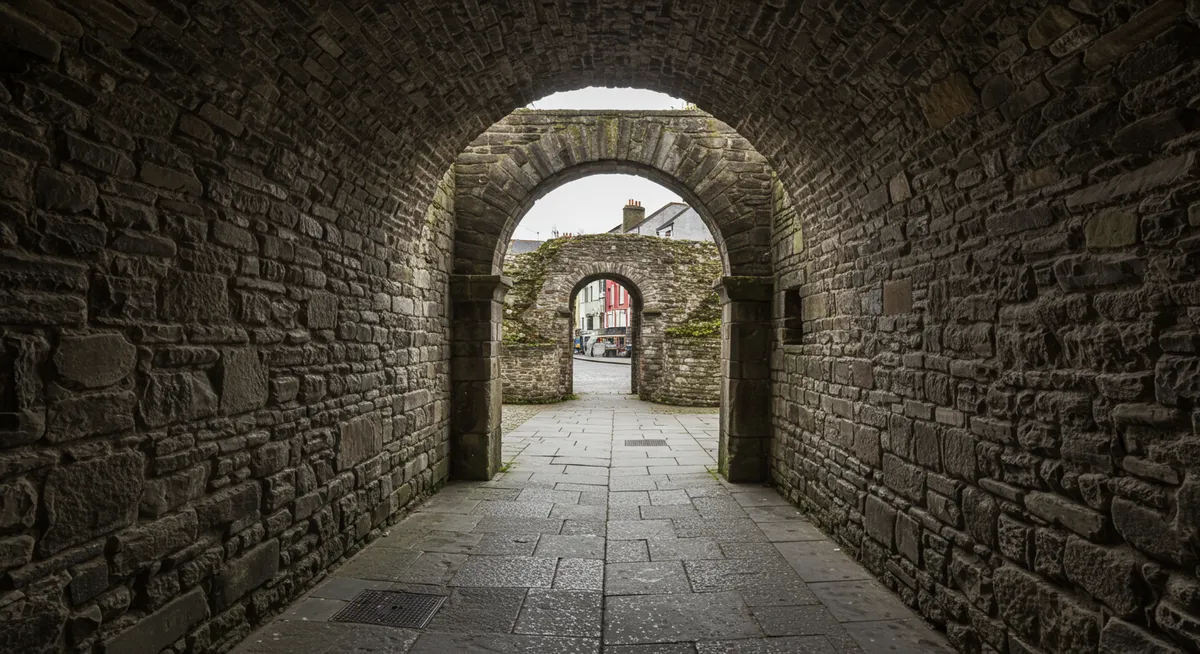
Table of Contents
Unearthing Cork City’s Secret Past: Hidden Historical Sites to Discover
Having explored Cork City for years, I’ve always been drawn to its layers of history, much of which hides in plain sight. Beyond the bustling streets and famous landmarks, Cork guards countless stories within its lesser-known corners. If you’re a fellow history buff or just someone who loves uncovering unique local experiences, you’re in for a treat. This guide will take you off the beaten path to explore some truly hidden historical sites to discover Cork City, revealing the fascinating narratives that shaped Ireland’s Rebel City.
Unearthing Cork’s Ancient Foundations: Red Abbey Tower and Beyond
For the most up-to-date details, check Lonely Planet Cork City before you go.
To plan your trip, review Tourism Ireland.
Step back in time to medieval Cork by seeking out the striking Red Abbey Tower, a true survivor tucked away near Douglas Street. This solitary limestone structure is all that remains of an Augustinian priory founded in the 14th century, a silent testament to Cork’s deep monastic roots. It’s one of those hidden historical sites to discover Cork City that truly makes you feel like you’ve stumbled upon a secret. I vividly remember finding it for the first time, completely by chance, and being awestled by its resilience. Nearby, look for subtle clues of the city’s ancient walls, remnants often incorporated into modern buildings, hinting at Cork’s fortified past. Consider taking a deep dive into Cork’s past with a cultural walking tour to connect these dots.Elizabeth Fort: A Panoramic Past Overlooking the City
Perched high above Barrack Street, Elizabeth Fort offers not just incredible panoramic views of Cork City but also a rich, complex history often overlooked by casual visitors. While its exterior is prominent, many don’t venture inside to explore the grounds, which are among the most accessible hidden historical sites to discover Cork City. Built in 1601, this star-shaped fort has served as a military barracks, a prison, and even a depot during the Famine. Exploring its ramparts and interior reveals tales of sieges, rebellions, and daily life for soldiers and prisoners. It’s a fantastic spot to get a sense of Cork’s strategic importance through the centuries. From here, you can truly appreciate the layout of the old city.
St. Fin Barre’s Cathedral: Secrets in Stone and Stained Glass
While St. Fin Barre’s Cathedral is a well-known architectural marvel, the true extent of its historical secrets often goes unnoticed by visitors. Beyond its stunning Gothic Revival design, exploring the churchyard and looking for specific carvings can reveal layers of history. Did you know there are medieval foundations beneath the current structure? And don’t miss the crypt, which holds an intriguing past (check for accessibility). This site is one of the more beautiful hidden historical sites to discover Cork City, especially if you take the time to really examine the details. My personal tip is to look for the bullet marks on the bishop’s palace wall, a subtle reminder of the Irish Civil War that swept through Cork.
The Echoes of Trade: Unseen Corners of the Coal Quay
💡 Pro Tip: Book your Cork adventures in advance through Viator for the best deals!
For a taste of Cork’s vibrant mercantile history, venture into the Coal Quay area, specifically Cornmarket Street. While the bustling market is a draw, its true historical significance as a hub for trade, gossip, and local life stretches back centuries. This area, one of the most dynamic hidden historical sites to discover Cork City, was once a thriving center where coal was offloaded from ships and sold. Walking its narrow lanes, you can almost hear the echoes of street vendors and traders. It’s a great place to imagine what Cork was like before cars, when goods were moved by hand and horse. Pair your visit with some authentic Irish food experiences nearby to complete your cultural immersion.
Beyond the Guidebook: Practical Tips for Finding Hidden Historical Sites
Discovering Cork’s hidden historical sites requires a bit of curiosity and a willingness to wander off the main drag. My top tip is to always look up and down; many historical clues are embedded in building facades, street names, or even manhole covers. Pay attention to small plaques or informational signs that might point to a site’s significance. Don’t hesitate to ask locals for their favorite ‘secret’ spots – you’d be surprised what gems they know. Engaging in various things to do in Cork City and experiences will broaden your understanding and lead to serendipitous discoveries. Embrace the adventure of uncovering these lesser-known treasures, as they often provide the most rewarding insights into the city’s true character.
Frequently Asked Questions
Q: What are some lesser-known historical places in Cork City?
A: Some lesser-known historical places include the Red Abbey Tower, the interior and grounds of Elizabeth Fort, the older parts of St. Fin Barre’s Cathedral, and the historical lanes around the Coal Quay and Cornmarket Street.
Q: Are there any free historical sites to visit in Cork City?
A: Yes, many hidden historical sites to discover Cork City are free. Exploring the grounds of Elizabeth Fort, wandering around the Red Abbey Tower, or simply walking the historic streets like North Main Street and South Main Street offer rich, free historical experiences.
Q: How can I find truly hidden historical sites in Cork?
A: To find truly hidden historical sites, stray from the main tourist routes, look for small plaques on buildings, research local history blogs, or even ask Corkonians for their personal recommendations. Often, the best discoveries are made by simply exploring side streets with an open mind.
Cork City is a treasure trove for anyone keen to delve deeper than the usual tourist trail. These hidden historical sites to discover Cork City offer a fascinating glimpse into the past, from medieval monastic life to strategic military strongholds and vibrant market culture. By taking the time to seek out these lesser-known gems, you’ll gain a richer appreciation for the city’s resilience, its revolutionary spirit, and the layers of history that make it so unique. So, lace up your walking shoes, ignite your inner explorer, and prepare to uncover the secret stories waiting around every corner in Cork.