
Unearth Hidden Historical Sites Near London Bridge
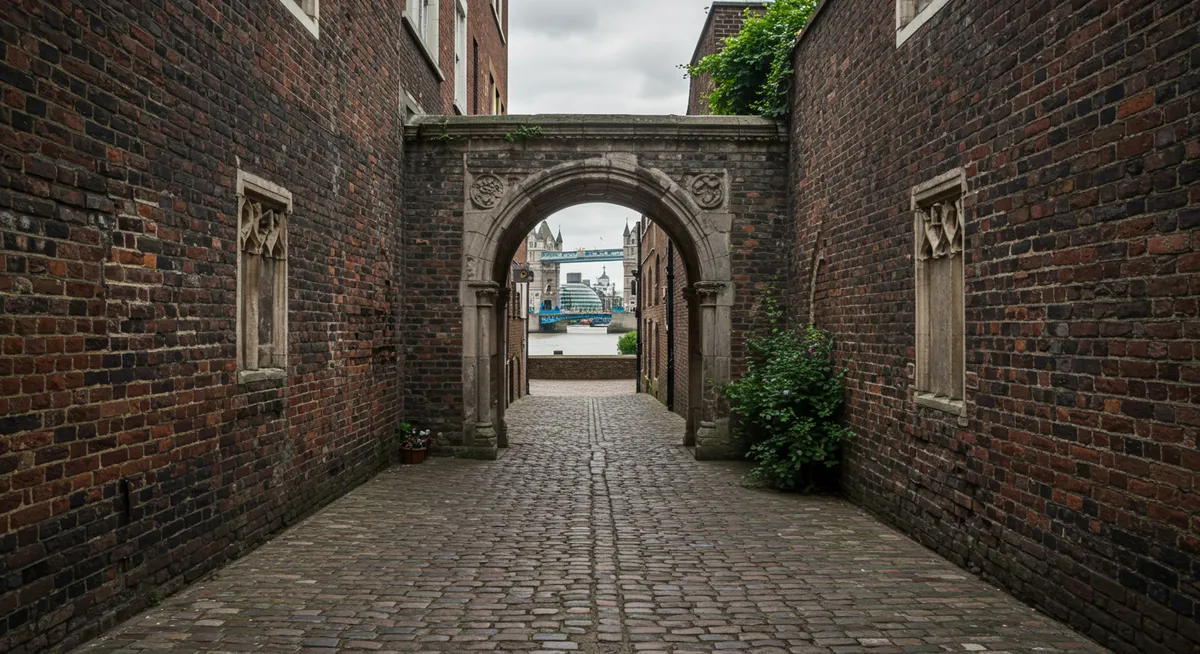
Table of Contents
Discovering London’s Secret Past Near London Bridge
Having spent countless hours wandering London’s historic lanes, I can tell you that the area around London Bridge is a treasure trove of untold stories. Beyond the iconic Tower Bridge and Borough Market buzz, there’s a whole world of hidden historical sites to discover near London Bridge. Forget the usual tourist trails for a moment; we’re diving deep into the city’s ancient past, uncovering secrets that even many locals overlook. These aren’t just old buildings; they’re echoes of Roman occupation, medieval life, and Victorian grit, tucked away in plain sight. Get ready to explore London’s lesser-known, yet utterly fascinating, historical layers.
Beneath the Surface: London’s Roman and Medieval Layers
While bustling above, the ground beneath London Bridge hides layers of Roman and medieval history waiting to be found. Did you know the famous London Stone, a mysterious ancient landmark tied to city folklore, is now visible on Cannon Street, just a short walk away? It’s a small, unassuming rock, but my tip is to stand before it and imagine the centuries of history it has witnessed. Another gem is Southwark Cathedral, one of the oldest Gothic churches in London. Its origins stretch back to 1082, and exploring its quiet corners reveals Saxon and Norman foundations. These profound historical sites near London Bridge offer a tangible link to the city’s earliest days, inviting you to connect with London’s deep roots and fascinating things to do in London.
Quirky Collections: Unseen Museums and Guild Halls
For those seeking truly unique historical sites, the area around London Bridge doesn’t disappoint with its array of quirky, niche museums. One of my personal favourites is the Old Operating Theatre Museum and Herb Garret, tucked away in the attic of a church. It’s Britain’s oldest surviving operating theatre, offering a spine-tingling glimpse into 19th-century surgery – definitely not for the faint of heart, but incredibly authentic! Another intriguing spot is the Clink Prison Museum, located on the original site of the infamous medieval prison. It’s an immersive, sometimes chilling, experience detailing the brutal conditions. These fascinating cultural institutions go far beyond the typical offerings, revealing the darker, lesser-known facets of London’s past and complementing your quest for the best cultural museums to explore.
Riverside Relics: Forgotten Wharves and Waterfront History
The Thames, London’s beating heart, holds countless stories, and many of the most captivating hidden historical sites to discover near London Bridge are found along its banks. Stroll through Hay’s Galleria, once a bustling 19th-century wharf that handled goods from around the world. Now covered by a beautiful glass roof, its original architecture and a large ship sculpture hint at its maritime past. Nearby, seek out the modest remnants of Winchester Palace, once a grand medieval palace and home to the Bishops of Winchester. My personal recommendation? Imagine the sheer scale of the palace by looking for the Rose Window, a beautiful piece of surviving architecture. These unique spots offer a different perspective on London’s past, showcasing the city’s transformation from a mercantile hub into a modern metropolis. They are truly compelling London attractions.
Stories in Stone: Historic Alleys and Ancient Churchyards
🎯 Insider Tip: Discover the best London experiences with Viator Tours!
Wander off the main streets near London Bridge, and you’ll find a network of ancient alleys and quiet churchyards, each whispering tales of centuries past. Look for St. Olave Hart Street, a stunning church dating back to the 13th century, famously mentioned by Charles Dickens. Its peaceful churchyard and unique ‘Death’s Head’ gates offer a moment of reflection away from the city’s bustle. Another noteworthy site is the picturesque Leadenhall Market, a covered Victorian market with origins dating back to the 14th century. Its ornate structure makes it a delightful place to explore, and it featured in the Harry Potter films. My top tip is to arrive early to truly soak in the ambiance of these timeless passages before they fill with daily commuters. These areas are perfect for discovering the true essence of London’s historical layers.
Echoes of Old London: Literary Haunts and Guild Secrets
💡 Pro Tip: Book your London adventures in advance through Viator for the best deals!
The London Bridge area is steeped in literary and societal history, revealing even more hidden historical sites to discover near London Bridge if you know where to look. Head south of the Thames to find the reconstructed Shakespeare’s Globe Theatre, a fantastic way to envision Elizabethan London, even if it’s not strictly ‘hidden.’ However, just a stone’s throw away lies Crossbones Graveyard, a former burial ground for outcast paupers, prostitutes, and children. Now a poignant garden of remembrance, it’s a powerful, moving site that evokes the lives of London’s forgotten. My advice is to visit the tribute gates adorned with ribbons and messages; it’s a truly unique and emotional experience. These sites offer profound insights into the lives and culture of past Londoners, providing a deeper understanding of the city’s complex social history.
Frequently Asked Questions
🎯 Insider Tip: Discover the best London experiences with Viator Tours!
Q: How do I best find these hidden historical sites near London Bridge?
A: The best way to discover these hidden gems is to explore on foot, venturing down side streets and into quiet courtyards. Many are not overtly signposted, so keeping an eye out for blue plaques, old church spires, or intriguing alleyways will help. Using a local map or a historical walking tour app can also guide you to these less-obvious locations for a rewarding exploration.
Q: Are these hidden historical sites suitable for families with children?
A: Many hidden historical sites near London Bridge can be suitable for families, depending on the children’s interests. The Old Operating Theatre Museum might be too graphic for very young children, but older kids might find it fascinating. Places like Hay’s Galleria or Leadenhall Market are great for all ages, offering space to wander and unique visuals. Always check specific site details for age recommendations.
Q: What’s the best time of day to explore these hidden gems?
A: To fully appreciate the tranquility and unique atmosphere of these hidden historical sites, I recommend visiting early in the morning or later in the afternoon on weekdays. This avoids peak tourist crowds and allows you to immerse yourself in the history without distraction. Weekends can be busier, especially at more accessible locations like Borough Market, which is near many of these spots.
Exploring the hidden historical sites to discover near London Bridge offers a truly enriching experience, taking you beyond the typical tourist hotspots. From ancient Roman foundations to poignant Victorian burial grounds, each corner reveals a new story, deepening your connection to London’s incredible past. These lesser-known cultural gems prove that the city’s history is alive and waiting to be unearthed, often in the most unexpected places. So next time you’re near London Bridge, step off the beaten path, embrace your inner explorer, and uncover the secret narratives that make this part of London so compelling. Your adventure into London’s hidden history awaits!