
Jaipur Attractions: Top Spots in 2026
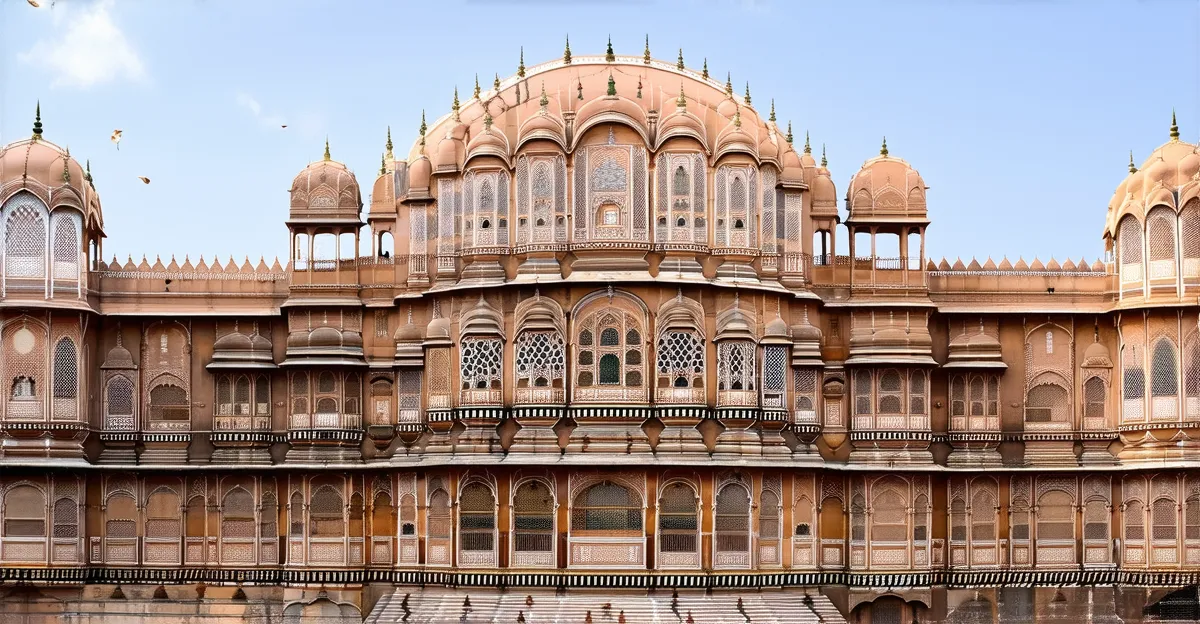
Table of Contents
Explore Jaipur Attractions: A 2026 Guide
Welcome to Jaipur, the Pink City! In 2026, Jaipur continues to be a top travel destination, boasting a wealth of historical and cultural sites. This guide highlights the most captivating Jaipur Attractions, ensuring an unforgettable experience for every traveler. From majestic forts to bustling bazaars, prepare to be enchanted by the beauty and heritage of this vibrant city.
Amer Fort: A Majestic Start to Jaipur Attractions
For practical details and last-minute changes, use Jaipur Municipal Corporation Heritage.
For practical details and last-minute changes, use Incredible India - Jaipur.
Amer Fort, often cited as Amber Fort, is a magnificent example of Rajput architecture and a must-see among Jaipur Attractions. Situated about 11 kilometers from Jaipur, this imposing fort complex stands proudly on a hill, overlooking Maota Lake. Built by Raja Man Singh I in the late 16th century and later expanded by Sawai Jai Singh I, the fort showcases a blend of Hindu and Mughal architectural styles, evident in its intricate carvings, ornate gateways, and sprawling courtyards. The fort’s strategic location offered a commanding view and protection against enemies.Exploring the Architectural Marvels
The fort is divided into four main sections, each boasting its unique charm and historical significance. As you ascend the cobbled pathway, often best traversed by elephant ride or jeep, you enter through the Suraj Pol (Sun Gate), leading to the Jaleb Chowk, the main courtyard. From there, you can explore the Diwan-i-Aam (Hall of Public Audience), adorned with exquisite marble panels, and the Diwan-i-Khas (Hall of Private Audience), featuring stunning mirror work and intricate floral designs. These elements contribute significantly to the fort’s allure as one of the top Things to Do in Jaipur. The Sheesh Mahal (Mirror Palace) is perhaps the most famous part of the fort, where countless mirrors reflect light to create a dazzling effect.
Pro Tip: Visit Amer Fort early in the morning to avoid the crowds and experience the fort in a more serene atmosphere. The morning light also provides excellent photo opportunities.
Additionally, the fort complex includes several temples, gardens, and pavilions, each telling a story of the past. The Sukh Niwas (Hall of Pleasure), with its innovative air conditioning system that uses water channels to cool the interiors, is a testament to the architectural ingenuity of the time. Exploring these various sections offers a deep dive into the rich history and culture of Rajasthan, solidifying Amer Fort’s place among the most captivating Jaipur Experiences.
No trip to Jaipur is complete without experiencing the grandeur of Amer Fort. Its historical significance, architectural beauty, and panoramic views make it a highlight for all visitors. Therefore, plan your visit and immerse yourself in the regal ambiance of this majestic fort. Discover more about Jaipur activities and enhance your travel experience.
Consider booking a guided tour of Jaipur to fully appreciate the history and beauty of Amer Fort and other attractions.
Hawa Mahal: The Palace of Winds Among Jaipur Attractions
The Hawa Mahal, or “Palace of Winds,” is one of the most iconic Jaipur Attractions, renowned for its unique architecture and historical significance. Constructed in 1799 by Maharaja Sawai Pratap Singh, this stunning five-story palace is a masterpiece of Rajput architecture. Its primary purpose was to allow royal ladies to observe the daily street life and festive celebrations without being seen by the public. Moreover, the Hawa Mahal stands as a testament to the rich cultural heritage and architectural prowess of the bygone era. Its intricate design and historical context make it a must-visit destination in Jaipur.
Architectural Marvel and Design
The Hawa Mahal boasts 953 small windows, known as jharokhas, intricately decorated with delicate latticework. These windows not only provided a concealed viewing platform but also facilitated the circulation of cool air, naturally air-conditioning the palace during the hot summer months. In addition, the facade’s pink sandstone construction contributes to the palace’s enchanting appearance, especially during sunrise. Exploring the Hawa Mahal offers a glimpse into the sophisticated engineering and artistic sensibilities of the 18th century. Therefore, it remains a captivating landmark amongst Things to Do in Jaipur.
Pro Tip: Visit early in the morning to avoid crowds and witness the Hawa Mahal bathed in the soft glow of sunrise, which provides the perfect lighting for photography.
The palace’s design seamlessly blends Hindu Rajput architecture with Islamic Mughal influences, reflecting the cultural syncretism prevalent during that period. The pyramid shape and ornate detailing of the facade create a mesmerizing visual spectacle. Furthermore, the Hawa Mahal’s strategic location near other prominent Jaipur Attractions like the City Palace and Jantar Mantar allows for a convenient and comprehensive exploration of Jaipur’s historical landmarks. You can easily spend hours admiring the craftsmanship and historical ambiance of this architectural gem.
Visiting the Hawa Mahal is more than just sightseeing; it’s an immersive experience into the royal history and architectural brilliance of Rajasthan. Walking through its corridors and gazing out from the jharokhas provides a unique perspective on the bustling city life below. Additionally, numerous guided tours offer in-depth insights into the palace’s history and significance, enriching your understanding of this iconic landmark. For a guided exploration, consider booking a Jaipur sightseeing tour to fully appreciate its beauty and historical context.
To delve deeper into the cultural experiences Jaipur has to offer, explore Jaipur Experiences. Also, discover a variety of Jaipur Activities to enhance your visit.
City Palace: The Heart of Jaipur’s Royal Attractions
The City Palace in Jaipur stands as a magnificent symbol of the city’s regal history and architectural grandeur. Situated in the heart of Jaipur, this sprawling complex is not merely a palace but a living museum, showcasing a blend of Rajput, Mughal, and European architectural styles. Construction of the palace began in the 18th century by Maharaja Sawai Jai Singh II, the founder of Jaipur, and it has been expanded upon by successive rulers. Today, it remains the principal residence of the current Maharaja while also welcoming visitors from around the globe, eager to explore its opulent halls and courtyards. Therefore, a visit to the City Palace is essential for anyone wanting to delve into the rich heritage of Rajasthan.
Key Attractions Within the City Palace
Within the City Palace complex, several attractions beckon visitors. Chandra Mahal, or Moon Palace, offers stunning views of the city and houses a museum displaying royal artifacts. Mubarak Mahal, the Auspicious Palace, showcases a remarkable collection of textiles and costumes. Additionally, the Diwan-i-Aam, or Hall of Public Audience, features intricate detailing and served as the venue for the Maharaja to address the public. Equally impressive is the Diwan-i-Khas, the Hall of Private Audience, which houses two enormous silver urns recognized by the Guinness World Records. These urns were used by Maharaja Sawai Madho Singh II to transport Ganges water to England. Exploring these sites provides insight into the luxurious lifestyle of the royal family and the historical significance of the palace. Indeed, these Jaipur Attractions are a must-see.
Furthermore, the City Palace is adorned with beautifully decorated gates, each representing a different season and deity. These gates, along with the vibrant courtyards and sprawling gardens, enhance the palace’s aesthetic appeal. Museums within the complex house an array of royal paraphernalia, including weaponry, costumes, and ancient manuscripts. It’s a treasure trove of Things to Do in Jaipur. Visitors can easily spend hours wandering through the various sections, each offering a glimpse into a bygone era. For an enriched experience, consider a private full-day tour by tuk-tuk or cab.
To truly appreciate the City Palace, allow ample time for exploration and consider hiring a local guide who can provide historical context and fascinating anecdotes. The palace complex serves as a vivid reminder of Jaipur’s royal past and its enduring cultural legacy. As you explore, you’ll understand why it remains one of the most cherished Jaipur Attractions. Remember to Explore More Jaipur Activities for a complete travel experience.
Interested in experiencing the royal grandeur? Book your Jaipur sightseeing tour today and witness the splendor of the City Palace!
Jantar Mantar: Exploring Astronomical Jaipur Attractions
⭐ Recommendation: Don't miss out on amazing Jaipur tours - book now!
Jantar Mantar, a UNESCO World Heritage site, stands as a testament to India’s rich astronomical heritage and is one of the most fascinating Jaipur Attractions. Constructed in the early 18th century by Maharaja Jai Singh II, this observatory is not just a collection of intriguing structures; it’s a sophisticated ensemble of astronomical instruments designed to measure time, predict eclipses, track stars’ locations, and determine planetary positions. Consequently, it provides invaluable insights into the scientific knowledge and cosmological understanding of the period.
Unveiling the Astronomical Instruments
The Jantar Mantar houses fourteen fixed instruments, each serving a specific purpose. Among the most prominent is the Samrat Yantra, a giant sundial that provides accurate time readings. Moreover, the Jai Prakash Yantra is a hollow hemisphere used to map the positions of celestial bodies. Additionally, the Misra Yantra is a composite instrument that can determine the shortest and longest days of the year. Exploring these instruments offers a hands-on experience, allowing visitors to grasp the ingenuity and precision of early astronomical calculations. Indeed, understanding these devices adds depth to your appreciation of Things to Do in Jaipur.
Pro Tip: Hire a local guide to fully understand the purpose and function of each instrument. Their explanations can significantly enhance your experience and understanding of Jantar Mantar.
Visiting Jantar Mantar offers a unique blend of education and exploration. Furthermore, it’s an engaging way to delve into the history of science and astronomy. As you wander through the observatory, consider how these instruments were used centuries ago to make critical calculations and predictions. Because of its historical and scientific value, Jantar Mantar is an essential destination for anyone interested in Jaipur Attractions. Moreover, the site is well-maintained, providing clear explanations of each instrument’s function, thereby ensuring an informative visit. For those keen on delving deeper into Jaipur Experiences, Jantar Mantar offers an enriching journey into the world of astronomy.
Besides its scientific importance, Jantar Mantar also offers a serene environment, away from the bustling city. Therefore, it’s an excellent place for quiet reflection and appreciation of human intellect. In addition to visiting this site, consider exploring other Jaipur Activities to fully immerse yourself in the cultural and historical richness of the city. To make your visit even more memorable, book a guided tour of Jaipur, which often includes Jantar Mantar, providing deeper insights and historical context.
Nahargarh Fort: Panoramic Views of Jaipur and Its Attractions
🎯 Insider Tip: Discover the best Jaipur experiences with Viator Tours!
Nahargarh Fort, perched on the Aravalli Hills, offers arguably the most stunning panoramic views of Jaipur. Built by Maharaja Sawai Jai Singh II in 1734, initially as a defense against invaders, this fort has evolved into a beloved spot for locals and tourists alike. Visiting Nahargarh Fort provides an unmatched perspective of the Pink City, allowing you to appreciate its architectural layout and sprawling urban landscape. Therefore, it’s a must-visit location for anyone interested in experiencing the breadth of Jaipur Attractions.
Exploring the Fort’s Architecture and History
The architecture of Nahargarh Fort is a blend of Indian and European styles. Inside, you’ll find the Madhavendra Bhavan, a palace complex featuring twelve identical suites for the queens, thoughtfully designed to ensure privacy and comfort. Each suite is connected by corridors decorated with intricate murals, offering a glimpse into the royal lifestyle of the past. Furthermore, the fort’s strategic positioning provided a crucial vantage point, making it an integral part of Jaipur’s defense system. As you wander through the fort, you’ll gain a deeper understanding of its historical significance and architectural brilliance. You can enhance your experience with a guided sightseeing tour of Jaipur, which often includes Nahargarh Fort.
Pro Tip: Visit Nahargarh Fort during sunset to witness Jaipur bathed in golden light, creating a magical and unforgettable experience. Don’t forget your camera!
Beyond its historical and architectural appeal, Nahargarh Fort is also a popular spot for enjoying Jaipur Outdoor Activities. The fort’s elevated location makes it perfect for picnicking and enjoying the cool breeze. Additionally, the fort often hosts cultural events and film screenings, adding to its vibrant atmosphere. The nearby Nahargarh Biological Park is another attraction, offering a chance to see local flora and fauna. Thus, a visit to Nahargarh Fort combines history, culture, and nature, making it a holistic experience. To delve deeper into Jaipur’s cultural scene, you might consider exploring these Jaipur activities.
No visit to Jaipur is complete without experiencing the panoramic views from Nahargarh Fort. Whether you’re interested in history, architecture, or simply soaking in the beauty of the Pink City, Nahargarh Fort offers something for everyone. It stands as a testament to Jaipur’s rich heritage and its enduring appeal as one of India’s premier tourist destinations. Exploring things to do in Jaipur will surely highlight the importance of including this magnificent fort in your itinerary. For an even more immersive experience, consider this guided tour of Jaipur and its surrounding attractions.
Jal Mahal: The Enchanting Water Palace – One of the Most Photographed Jaipur Attractions
Jal Mahal, which translates to “Water Palace,” is arguably one of the most iconic and photographed Jaipur Attractions. Situated in the middle of Man Sagar Lake, this architectural marvel presents a picturesque view that blends seamlessly with the surrounding landscape. Its unique design, with only one story visible above the water, sparks curiosity and captivates visitors from around the globe. Moreover, the palace’s reflection on the lake’s surface creates a stunning visual spectacle, especially during sunset, making it a must-see for anyone exploring Things to Do in Jaipur.
A Glimpse into History and Architecture
Built in the 18th century by Maharaja Jai Singh II, Jal Mahal originally served as a hunting lodge and pleasure retreat. The palace showcases a blend of Rajput and Mughal architectural styles, evident in its symmetrical design and intricate detailing. Furthermore, the four submerged stories remain hidden beneath the water, constructed with a special lime-based mortar that prevents water seepage. While access to the palace interior is restricted, the panoramic view from the lake’s edge provides an unforgettable experience. Indeed, witnessing this architectural wonder is among the top Jaipur Experiences for history enthusiasts and casual tourists alike.
Pro Tip: Visit Jal Mahal during the early morning or late afternoon to avoid crowds and capture the best photographs. The soft light enhances the palace’s beauty and creates a magical ambiance.
The surrounding Man Sagar Lake is also a haven for birdwatchers, attracting various migratory birds. As a result, the area around Jal Mahal has become a popular spot for nature lovers seeking Jaipur Outdoor Activities. Strolling along the lake’s promenade offers a serene experience, allowing visitors to appreciate the palace’s grandeur from different perspectives. Additionally, the vibrant local markets nearby offer opportunities to explore traditional Rajasthani crafts and souvenirs.
Visiting Jal Mahal provides a glimpse into Jaipur’s rich heritage and architectural prowess. Whether you’re capturing its beauty through a lens or simply admiring its serene presence, this enchanting water palace promises an unforgettable experience. Therefore, make sure to include this gem in your itinerary when exploring the magnificent Jaipur Activities.
To make the most of your visit, consider joining a guided tour that includes Jal Mahal and other prominent landmarks. You can book a Jaipur sightseeing tour here and delve deeper into the city’s captivating history and culture.
Local Bazaars: Immerse Yourself in Jaipur’s Vibrant Attractions
⭐ Recommendation: Don't miss out on amazing Jaipur tours - book now!
No visit to Jaipur is complete without experiencing the energy and color of its local bazaars. These bustling markets are not just shopping destinations; they are cultural experiences that offer a glimpse into the heart of Rajasthan’s artistry and traditions. From textiles and jewelry to handicrafts and spices, the bazaars of Jaipur are a treasure trove of unique finds. Therefore, exploring these markets is one of the most immersive Jaipur Experiences you can have. Furthermore, they provide a sensory feast that engages all your senses, making it an unforgettable part of your journey.
Exploring the Famous Bazaars of Jaipur
Johari Bazaar, Tripolia Bazaar, Bapu Bazaar, and Chandpol Bazaar are among the most famous markets, each specializing in different products. Johari Bazaar is renowned for its exquisite jewelry, offering everything from precious gemstones to traditional Kundan and Meenakari work. Tripolia Bazaar is famous for its bangles and textiles, where you can find a vibrant array of fabrics and designs. Meanwhile, Bapu Bazaar is the place to go for textiles, handicrafts, and traditional Rajasthani clothing. Finally, Chandpol Bazaar is known for its stone carvings, wooden sculptures, and other traditional art forms. Indeed, each bazaar has its own unique character and appeal, making them essential stops on your list of Things to Do in Jaipur.
Pro Tip: Bargaining is expected in Jaipur’s bazaars, so don’t hesitate to negotiate for a better price. Additionally, carry cash, as many vendors may not accept credit cards.
As you wander through these vibrant markets, you’ll encounter a kaleidoscope of colors, sounds, and smells. The bazaars are not just places to shop; they are places to interact with local artisans, learn about traditional crafts, and savor the flavors of Rajasthani street food. Moreover, you will find that the warmth and hospitality of the vendors add to the overall experience, making it even more memorable.
In addition to the shopping and cultural experiences, the bazaars offer fantastic opportunities for photography. The colorful displays of goods, the bustling crowds, and the traditional architecture create a visually stunning environment. Therefore, make sure to bring your camera to capture the essence of these vibrant Jaipur Attractions. Don’t miss out on experiencing one of the best Jaipur Activities.
To truly immerse yourself in the local culture, consider joining a guided walking tour of the bazaars. A local guide can provide valuable insights into the history, traditions, and unique offerings of each market. Therefore, for an even deeper dive into the heart of the city, check out this cultural walk and street food tour to enhance your Jaipur adventure.
Galtaji Temple: The Monkey Temple and Unique Jaipur Attractions
Nestled in the Aravalli Hills, Galtaji Temple is a distinctive pilgrimage site and a standout among Jaipur Attractions. Unlike typical temples, Galtaji features a series of temples built into a narrow crevice in the rocks, enhanced by natural springs that fill several sacred kunds (water tanks). This unique setting attracts not only devotees but also tourists keen to witness this remarkable blend of nature and architecture. The temple complex is renowned for its playful troop of monkeys, adding a lively, animated atmosphere to this spiritual haven. Indeed, Galtaji Temple presents a refreshing contrast to the grand forts and palaces that usually define Things to Do in Jaipur.
Exploring the Temple Complex
As you enter the Galtaji Temple complex, you’ll immediately notice the intricate architecture blending seamlessly with the natural landscape. The temples are constructed from pink sandstone, mirroring the color palette of Jaipur itself. The series of kunds are considered holy, with pilgrims often bathing in them. Furthermore, the “Gaumukh,” a rock shaped like a cow’s head from which natural spring water flows, is a significant point of interest. While exploring, remember that the monkeys are considered sacred, but it’s wise to keep a safe distance and avoid direct interaction. To fully appreciate similar cultural spots, consider exploring more Jaipur activities that dive deep into the city’s heritage.
Pro Tip: Visit early in the morning or late in the afternoon to avoid the midday heat and to witness the monkeys at their most active. Also, dress modestly out of respect for the temple’s religious significance.
The temple’s location provides stunning views of the surrounding landscape, offering a peaceful escape from the bustling city. In addition to the architectural marvels, the vibrant frescoes and carvings that adorn the temple walls tell tales of Hindu mythology, providing insight into the region’s rich cultural heritage. The serene environment and the melodic chants create a calming ambiance, making your visit a memorable spiritual experience. Many find that visiting Galtaji provides a unique perspective on Jaipur’s Outdoor Activities, diverging from the usual fort visits and city tours.
Moreover, Galtaji Temple is more than just a religious site; it’s a vibrant display of nature, architecture, and culture harmoniously coexisting. It’s an essential destination for anyone seeking to experience the diverse facets of Jaipur Attractions. Don’t miss out on this truly unique experience. Discover more captivating sites and tours by visiting Jaipur Sightseeing Tour and immerse yourself in the beauty and history of Jaipur.
Discover the magic of Jaipur! With its historical forts, vibrant markets, and cultural treasures, the city promises a memorable experience. Start planning your adventure to explore the top Jaipur Attractions today!
Frequently Asked Questions
⭐ Recommendation: Don't miss out on amazing Jaipur tours - book now!
A: The best time to visit Jaipur is during the winter months, from October to March, when the weather is pleasant and ideal for sightseeing and outdoor activities.
A: Some of the must-visit Jaipur attractions include Amer Fort, Hawa Mahal, City Palace, Jantar Mantar, and Nahargarh Fort. Don’t miss the chance to explore the local markets for traditional crafts and textiles.
A: Yes, many attractions in Jaipur offer guided tours in multiple languages. It’s a great way to learn about the history and significance of these landmarks.
A: To fully experience the Jaipur Attractions, plan for at least 3-4 days. This will allow you to explore the major historical sites, markets, and cultural experiences at a comfortable pace.
A: Local transportation options in Jaipur include auto-rickshaws, taxis, and buses. Ride-sharing apps are also available. Consider hiring a private car for a more comfortable and efficient way to see the attractions.