
Kyoto Attractions: Top Spots in 2026
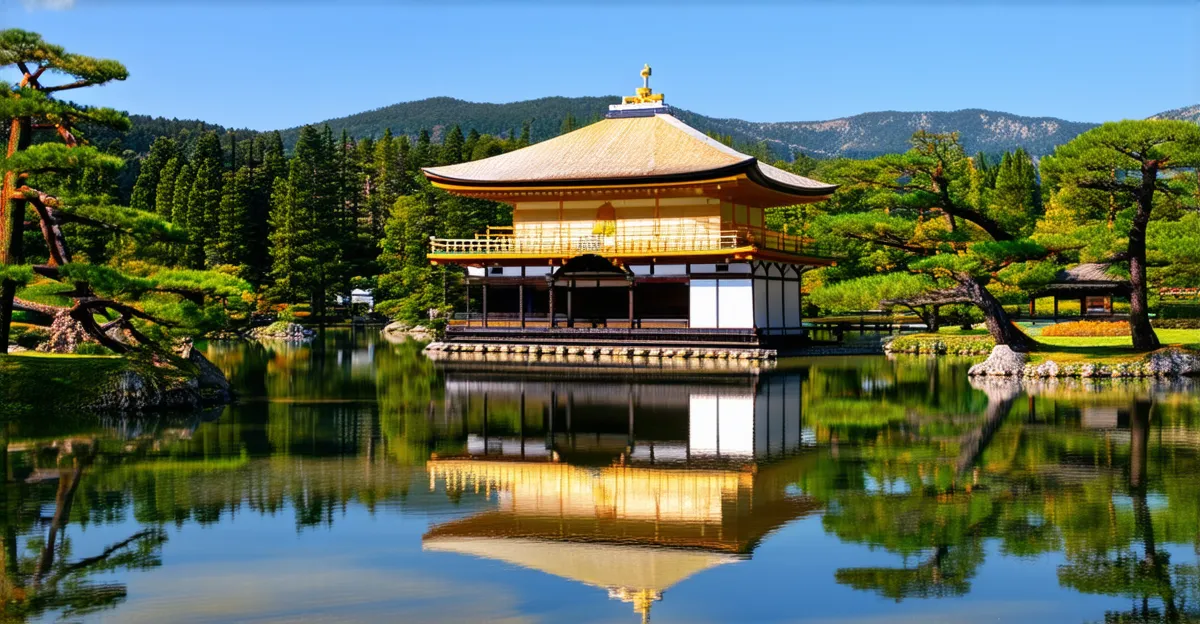
Table of Contents
Discover the Best Kyoto Attractions in 2026
Planning a trip to Japan in 2026? No visit is complete without exploring the incredible Kyoto Attractions. From serene temples and vibrant shrines to stunning gardens and historic geisha districts, Kyoto offers a wealth of cultural experiences that will captivate every traveler.
Explore the Iconic Fushimi Inari Shrine
You can find the latest updates on Kyoto City Official Website.
For official information, visit Japan National Tourism Organization (JNTO).
The Fushimi Inari Shrine, famous for its thousands of vibrant red torii gates, is one of the most iconic and captivating Kyoto Attractions. Located at the base of Mount Inari, the trails wind up the mountain for roughly 4 kilometers, taking approximately 2-3 hours to hike, passing numerous smaller shrines and resting areas along the way. The seemingly endless vermilion gates, each donated by individuals or companies, create a mesmerizing tunnel-like path, offering a truly unique sensory experience. As you ascend, the crowds gradually thin, allowing for moments of quiet contemplation amidst the stunning natural surroundings. The Fushimi Inari Shrine is not only a significant religious site dedicated to Inari, the god of rice, but also a beautiful example of how culture and nature intertwine.Planning Your Visit
To fully appreciate the Fushimi Inari Shrine, careful planning is essential. Firstly, consider visiting early in the morning to avoid the large crowds that typically gather later in the day. Also, wear comfortable shoes as the hike involves a considerable amount of walking uphill. Moreover, the entire trail to the summit and back can be demanding, but even a partial ascent offers rewarding views and a sense of accomplishment. Furthermore, there are several tea houses and small restaurants along the path where you can pause and savor local snacks like Inari sushi (rice-filled tofu pockets). Before you go, why not find other things to do in Kyoto?
Pro Tip: Don’t miss the opportunity to see the shrine illuminated at night. The atmosphere is incredibly mystical, especially with fewer visitors around.
The Fushimi Inari Shrine is easily accessible by train from Kyoto Station, making it a convenient addition to your itinerary. Once there, remember to respect the sacred nature of the site. Take your time to appreciate the intricate details of the architecture, the craftsmanship of the torii gates, and the serene beauty of the surrounding forest. Moreover, consider making a small offering at one of the smaller shrines along the way for good fortune. Aside from its spiritual and aesthetic appeal, the shrine also offers a glimpse into Japan’s rich cultural heritage and the enduring traditions that continue to thrive in modern society. Why not add this to your list of Things to Do in Kyoto?
Exploring the Fushimi Inari Shrine is an unforgettable experience that offers a blend of spiritual, cultural, and physical exploration. It provides a deeper connection to Japan’s traditions and a unique perspective on its natural beauty. For those seeking a more structured exploration, consider booking a guided morning tour to learn more about the shrine’s history and significance.
Wander Through the Arashiyama Bamboo Grove
The Arashiyama Bamboo Grove is one of Kyoto‘s most iconic and breathtaking sights. Located in the Arashiyama district, this enchanting grove offers a serene escape from the bustling city. As you walk along the winding path, towering bamboo stalks surround you, creating a mesmerizing visual and auditory experience. The sunlight filters through the dense canopy, casting dappled shadows on the ground and creating an ethereal atmosphere. The grove is not only visually stunning but also offers a sense of tranquility that is truly unique. It’s a must-visit destination for anyone seeking a connection with nature and a moment of peace in the heart of Kyoto.
Best Times to Visit the Bamboo Grove
While the Arashiyama Bamboo Grove is beautiful year-round, the best times to visit are during the early morning or late afternoon. During these times, the crowds are thinner, allowing you to fully immerse yourself in the peaceful ambiance of the grove. Additionally, the light during these hours enhances the visual experience, creating a more magical setting. Visiting on a weekday can also help you avoid the larger crowds that gather on weekends and holidays. Moreover, consider visiting during the off-season months for an even more solitary experience.
Pro Tip: Take your time and allow yourself to get lost in the beauty of the grove. Stop and listen to the gentle rustling of the bamboo stalks as the wind passes through them. It’s an incredibly soothing experience.
The grove is easily accessible by train or bus from central Kyoto. Once you arrive in Arashiyama, follow the signs to the entrance of the bamboo grove. The path through the grove is relatively flat and well-maintained, making it accessible for most visitors. However, comfortable shoes are recommended, as you may want to explore other parts of the Arashiyama district as well. Furthermore, there are several other attractions nearby, including the Tenryu-ji Temple and the Togetsukyo Bridge.
Beyond its natural beauty, the Arashiyama Bamboo Grove also offers a glimpse into Japanese culture and spirituality. The bamboo has long been revered in Japan as a symbol of strength, resilience, and good luck. Walking through the grove, you can’t help but feel a sense of reverence for nature and a connection to the traditions of the past. Exploring Kyoto Attractions like this will leave you in awe of the city. You may also want to explore more Kyoto outdoor activities to enhance your trip.
To make the most of your visit, consider joining a guided tour that will provide you with insights into the history, culture, and ecology of the bamboo grove. Alternatively, you can simply wander through the grove at your own pace, allowing yourself to be captivated by its beauty and serenity. Don’t miss the chance to explore one of the most enchanting Things to Do in Kyoto. You can even book a guided walking tour in Arashiyama for a more in-depth experience.
Visit the Golden Pavilion (Kinkaku-ji)
The Golden Pavilion, or Kinkaku-ji, is arguably one of Kyoto’s most iconic and breathtaking sights. This Zen Buddhist temple, covered entirely in gold leaf, shimmers brilliantly against its serene pond setting. Its history dates back to the 14th century when it was originally built as a retirement villa for Shogun Ashikaga Yoshimitsu. Subsequently, after his death, it was converted into a Zen temple. Today, it stands as a remarkable testament to Japanese artistry and the harmonious blend of nature and architecture. Moreover, the reflection of the pavilion on the water creates a mesmerizing scene, making it a must-see for anyone exploring Kyoto Attractions.
Experiencing the Golden Pavilion
Visiting Kinkaku-ji offers more than just a visual treat; it’s a chance to immerse yourself in the tranquil atmosphere of a Zen Buddhist temple. The meticulous design and the surrounding gardens exemplify the principles of Zen philosophy, encouraging contemplation and peace. As you stroll around the pond, each angle provides a new perspective, allowing you to appreciate the intricate details and the golden façade of the pavilion. Furthermore, the grounds surrounding the pavilion are equally enchanting, featuring meticulously maintained gardens and pathways that invite exploration. Besides, these elements combine to make Kinkaku-ji an unforgettable experience among the various Things to Do in Kyoto.
The best time to visit is either early in the morning or late in the afternoon to avoid the crowds and capture the best light reflecting off the gold leaf. During these times, the pavilion emanates a soft, ethereal glow, enhancing its beauty and creating a magical experience. Additionally, consider visiting during different seasons to witness the changing scenery, from cherry blossoms in spring to vibrant foliage in autumn. In other words, each season offers a unique backdrop that accentuates the pavilion’s splendor.
Kinkaku-ji is not only a visual marvel but also a cultural landmark that provides deep insights into Japan’s rich history and artistic heritage. Exploring the pavilion and its surroundings allows you to connect with the country’s spiritual and aesthetic traditions. It remains a captivating destination for visitors seeking to delve into the beauty and tranquility of Kyoto Experiences. For those interested in seeing more of Kyoto’s cultural highlights, a full-day tour of UNESCO and historical sites could be an excellent choice.
While planning your visit, explore additional Kyoto Activities and consider other attractions to fully appreciate Kyoto’s diverse offerings.
Experience the Tranquility of Ryoan-ji Temple’s Zen Garden
🎯 Insider Tip: Discover the best Kyoto experiences with Viator Tours!
Ryoan-ji Temple, famous for its enigmatic Zen garden, offers a profound experience of tranquility and contemplation in Kyoto. This UNESCO World Heritage site invites visitors to ponder the mysteries of existence as they gaze upon its meticulously arranged rocks and raked gravel. The temple provides a serene escape from the bustling city, encouraging a deep connection with nature and oneself. Moreover, it represents a quintessential aspect of Japanese Zen Buddhism, making it a must-see for anyone interested in Kyoto Attractions.
The Allure of the Rock Garden
The rock garden at Ryoan-ji is a masterpiece of minimalist design, featuring fifteen rocks arranged in five groups on a bed of white gravel. Intriguingly, from any vantage point, one of the rocks remains hidden, prompting endless speculation about the garden’s intended meaning. This deliberate obscurity encourages visitors to engage in personal reflection and interpretation. Furthermore, the garden’s stark beauty is particularly striking, offering a visual representation of Zen principles. The garden’s design sparks curiosity and invites visitors to find their own understanding, reflecting the essence of Kyoto Experiences.
Beyond the rock garden, Ryoan-ji Temple offers beautiful traditional architecture and peaceful walking paths. Visitors can explore the serene Kyoyochi Pond, surrounded by lush greenery that changes with the seasons. Therefore, whether you are interested in history, architecture, or simply seeking a moment of calm, Ryoan-ji has something to offer. In addition to its aesthetic appeal, the garden’s thoughtful layout enhances the overall sense of peace, creating an environment conducive to contemplation and introspection.
While visiting Kyoto, exploring temples and gardens like Ryoan-ji provides a rich cultural experience. Discovering the peaceful essence of such sites allows a deeper appreciation of Japanese aesthetics and philosophy. Consequently, a trip to Ryoan-ji enriches any itinerary of Things to Do in Kyoto. For more cultural immersions, consider exploring other activities in Kyoto.
For a guided exploration of Kyoto’s UNESCO sites, including Ryoan-ji Temple, consider joining a full-day tour to uncover the hidden stories and significance of this remarkable destination.
Discover the Gion District: Kyoto’s Geisha District
🎯 Insider Tip: Discover the best Kyoto experiences with Viator Tours!
The Gion district, Kyoto’s most famous geisha district, invites you to step back in time and experience traditional Japanese culture. Situated along the Kamo River, Gion is renowned for its preserved wooden machiya houses, teahouses, and exclusive restaurants. As you wander through its narrow streets, you might catch a glimpse of a geiko (Kyoto geisha) or maiko (apprentice geisha) gracefully making their way to an appointment, adding an air of mystique to this historic area. Exploring Gion is undoubtedly one of the essential Things to Do in Kyoto, offering a unique blend of history, culture, and entertainment.
Exploring Hanamikoji Street
The heart of Gion is Hanamikoji Street, a beautifully preserved street lined with traditional wooden buildings. During the day, it’s a picturesque area for strolling and admiring the architecture. However, Hanamikoji truly comes alive in the evening when the lanterns are lit, casting a warm glow on the street and creating a magical atmosphere. Keep an eye out for ochaya (teahouses) and ryotei (traditional restaurants) where geiko and maiko entertain guests. For those interested in a deeper dive, consider joining a guided night walking tour of Gion to uncover hidden stories and gain insights into the geisha culture. Moreover, discovering Hanamikoji Street is a remarkable way to engage with Kyoto Attractions.
Pro Tip: To increase your chances of spotting a geiko or maiko, visit Gion in the early evening (around 5:30 PM to 6:00 PM) when they are heading to their appointments.
Gion offers more than just a glimpse into the geisha world; it’s also home to several temples and shrines, including the Kennin-ji Temple, the oldest Zen temple in Kyoto. Gion Activities also include visiting traditional craft shops, sampling local sweets, and experiencing a traditional tea ceremony. Speaking of tea ceremonies, you might enjoy a Kyoto tea ceremony in a traditional tea house. In addition, Gion’s vibrant atmosphere and cultural richness ensure an unforgettable experience for every visitor.
Before you leave, make sure to explore the side streets and alleys of Gion, where you’ll discover hidden gems and authentic local experiences. Whether you are interested in history, culture, or simply soaking up the atmosphere, Gion promises a captivating journey into the heart of traditional Kyoto. So, plan your visit and prepare to be enchanted by one of Kyoto’s most iconic districts. For more ideas on planning your trip and other Kyoto Experiences, explore more Kyoto activities and truly embrace the cultural heart of Japan.
Immerse Yourself in History at Nijo Castle
💡 Pro Tip: Book your Kyoto adventures in advance through Viator for the best deals!
Nijo Castle, a UNESCO World Heritage site, stands as a powerful testament to Kyoto’s rich history. Constructed in 1603 as the Kyoto residence of Tokugawa Ieyasu, the first shogun of the Edo period, this castle offers a captivating glimpse into Japan’s feudal past. Consequently, a visit here is more than just a sightseeing trip; it’s an immersive journey into the world of shoguns, samurai, and imperial intrigue. Its stunning architecture, meticulously maintained gardens, and historical significance make it a must-see destination for anyone interested in Kyoto Attractions.
Key Features of Nijo Castle
The castle complex comprises two main circles of fortifications: the Ninomaru Palace, the primary residence and site of crucial historical events, and the Honmaru Palace, which once served as the shogun’s living quarters. The Ninomaru Palace is particularly famous for its ‘nightingale floors,’ designed to chirp underfoot to alert residents to intruders. In addition, the opulent interiors, adorned with exquisite paintings and intricate carvings, reflect the power and prestige of the Tokugawa shogunate. Moreover, the surrounding gardens provide a serene contrast to the palace’s grandeur, offering a peaceful escape with meticulously landscaped grounds.
Exploring Nijo Castle allows you to discover not only architectural marvels but also significant moments in Japanese history. For instance, the Ninomaru Palace was the setting for the transfer of power from the Tokugawa shogunate to the imperial court, marking a pivotal moment in Japan’s transition to modernization. Furthermore, the castle grounds offer seasonal beauty, with cherry blossoms in spring and vibrant foliage in autumn, enhancing the visitor experience. Therefore, be sure to allocate ample time to wander through both the palace and the gardens.
Visiting Nijo Castle provides a profound understanding of Japan’s feudal era, showcasing the opulence and strategic importance of the Tokugawa shogunate. Besides exploring the castle, consider engaging in other Kyoto Experiences such as attending a tea ceremony or exploring the Gion district to enrich your understanding of Japanese culture. You can discover more historical sites on a full-day tour of Kyoto’s UNESCO sites. For those planning their itinerary, it’s worth checking out other available Kyoto activities to maximize your trip.
Discover Nijo Castle and more with guided tours and historical insights. Book your historical adventure today.
Attend a Traditional Tea Ceremony
⭐ Recommendation: Don't miss out on amazing Kyoto tours - book now!
A traditional tea ceremony, or chado (茶道), is an essential Kyoto Experience, offering a serene and insightful glimpse into Japanese culture. More than just drinking tea, it’s a ritual steeped in history, philosophy, and mindfulness. Participating in a tea ceremony allows you to appreciate the meticulous preparation, the delicate flavors, and the profound sense of harmony that are central to this art form. Therefore, whether you are a seasoned traveler or a first-time visitor, experiencing a tea ceremony is a memorable way to connect with Kyoto’s rich heritage.
What to Expect During a Tea Ceremony
During a tea ceremony, guests are typically led into a tranquil tea room, often adorned with minimalist decor and serene artwork. The host, usually dressed in traditional attire, meticulously prepares the tea using specific utensils and precise movements. As you observe, you’ll notice the grace and intention behind each action. After the tea is prepared, it is served in a specific manner, and guests are expected to receive it with gratitude and respect. Furthermore, you will learn about the significance of the tea bowl, the tea scoop, and other implements used in the ceremony. Each element contributes to the overall experience, enhancing your appreciation for the artistry and skill involved. Discover more about Kyoto Experiences.
Additionally, the tea itself is usually matcha, a powdered green tea known for its vibrant color and slightly bitter taste. Small sweets are often served alongside the tea to balance the flavors and provide a moment of indulgence. The atmosphere is typically quiet and contemplative, encouraging guests to be present and appreciate the moment. As a result, it’s an amazing way to experience Things to Do in Kyoto.
Pro Tip: When receiving the tea bowl, turn it slightly to avoid drinking from the front, which is considered the most decorative part. This shows respect for the host and the artistry of the bowl.
There are various locations throughout Kyoto where you can Attend a Traditional Tea Ceremony, from historic tea houses to modern cultural centers. Some ceremonies are conducted in English, making it easier for international visitors to understand the significance of each step. No matter where you choose to participate, the experience will undoubtedly be enriching and memorable. Many Kyoto Attractions offer this experience.
To enhance your understanding of Japanese culture, consider booking a tea ceremony in advance. For example, book a Kyoto tea ceremony in a traditional tea house today!
Ready to explore the most captivating Kyoto Attractions? Plan your 2026 adventure now and discover the ancient wonders and modern delights this incredible city has to offer!
Frequently Asked Questions
A: Many Kyoto Attractions, such as Kinkaku-ji (Golden Pavilion) and Fushimi Inari Shrine, are accessible by public transportation, including buses and trains. Consider purchasing a day pass for cost-effective travel.
A: Spring (cherry blossom season) and autumn (fall foliage) are incredibly popular for visiting Kyoto Attractions. However, these seasons also attract larger crowds, so plan accordingly and book accommodations in advance.
A: To fully experience Kyoto Attractions, allocate at least 3 to 5 days. This allows you time to explore major temples, gardens, and cultural sites at a relaxed pace.
A: Yes, many Kyoto Attractions offer guided tours in English. These tours provide deeper insights into the history, culture, and significance of the sites.
A: The Kiyomizu-dera Temple, with its wooden stage offering panoramic city views, and the enchanting Arashiyama Bamboo Grove are among the most popular Kyoto Attractions that should be on every visitor’s list.