
Mandalay Attractions: Top Spots for 2026
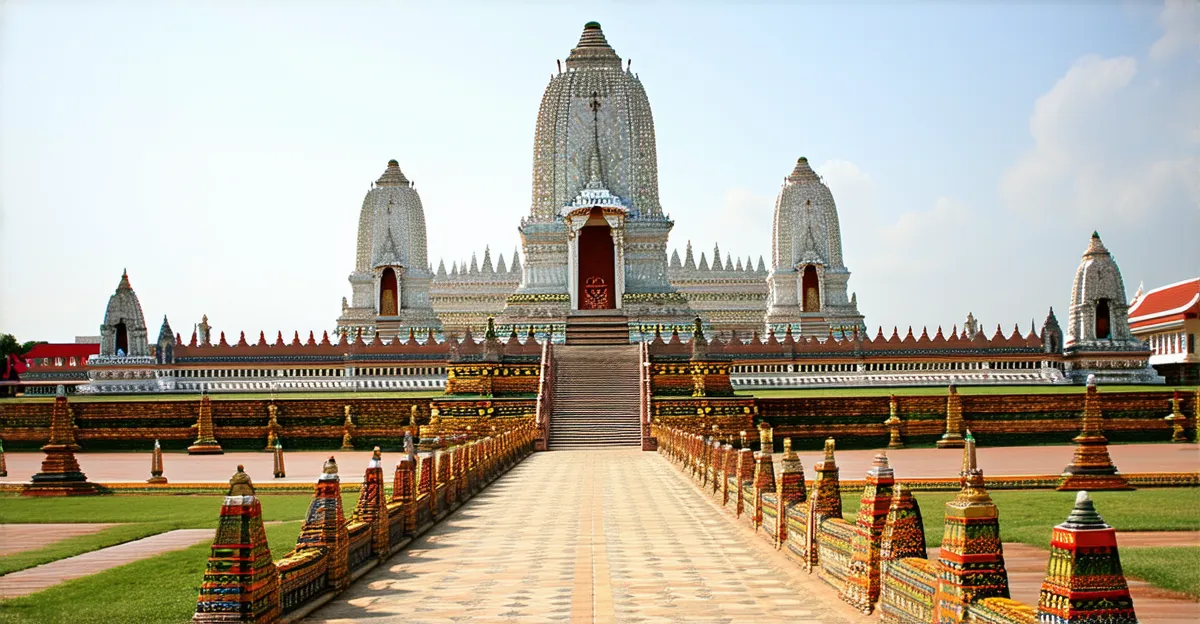
Table of Contents
Discover the Best Mandalay Attractions in 2026
Welcome to Mandalay, a city steeped in history and culture, offering a treasure trove of attractions for every traveler. In 2026, Mandalay continues to captivate visitors with its stunning temples, ancient palaces, and vibrant markets. Our guide will take you through the must-see Mandalay Attractions, ensuring an unforgettable experience in this enchanting city.
Mandalay Hill: Panoramic Views and Spiritual Heights
For practical details and last-minute changes, use Mandalay International Airport.
To plan your trip, review Ministry of Hotels and Tourism.
Mandalay Hill stands as a prominent landmark, offering visitors both stunning panoramic views of Mandalay and a journey through significant spiritual sites. Climbing the hill is an integral part of experiencing the essence of Mandalay, combining physical activity with cultural immersion. It’s more than just a viewpoint; it’s a place where one can witness the city’s sprawling landscape, dotted with pagodas and the Irrawaddy River snaking through the plains. Therefore, a visit to Mandalay is incomplete without ascending this iconic hill.Ascending the Hill: A Spiritual Journey
The ascent to the summit can be undertaken either by foot or via covered escalators, catering to different preferences and fitness levels. Along the way, several temples and pagodas provide opportunities for rest and reflection. These sites are adorned with intricate mosaics and statues, each holding its own story and significance. Furthermore, monks and pilgrims frequent these spots, adding to the spiritual atmosphere. As you climb, the anticipation builds, knowing that a breathtaking view awaits at the top. Consequently, the journey itself becomes a meditative experience, preparing you for the stunning vista.
Pro Tip: Start your climb in the late afternoon to witness the sunset from the summit. The golden light casting shadows over the city is an unforgettable sight, making the experience even more magical.
Upon reaching the summit, you are rewarded with a 360-degree view of Mandalay. From this vantage point, the entire city unfolds beneath you, showcasing its urban sprawl and natural beauty. The Shwenandaw Monastery and Mandalay Palace can be spotted amidst the cityscape, offering a unique perspective on these Mandalay Attractions. Moreover, the Irrawaddy River meanders along the horizon, providing a tranquil contrast to the bustling city. Also, take the time to soak in the serenity and capture some memorable photos. The summit truly encapsulates what makes Things to Do in Mandalay so special.
Visiting Mandalay Hill is not just about the view; it’s about experiencing the spiritual heart of Mandalay. The journey up the hill, the encounters with monks and fellow travelers, and the sense of accomplishment upon reaching the summit all contribute to a profound experience. In addition, it offers a moment of peace and reflection amidst the vibrant energy of the city. For those interested in exploring further, consider a guided tour of Mandalay’s highlights. Finally, make sure to add this remarkable landmark to your list of Mandalay Experiences.
Kuthodaw Pagoda: Home to the World’s Largest Book
Kuthodaw Pagoda, nestled at the foot of Mandalay Hill in Myanmar, is renowned for housing what is often called the world’s largest book. This unique site features 729 marble slabs, each inscribed with Buddhist scriptures from the Tipitaka. Visiting Kuthodaw Pagoda offers a profound cultural and spiritual experience, allowing you to immerse yourself in the intricate details of Buddhist teachings. Furthermore, the symmetrical layout and the gleaming white stupas create a serene and visually stunning landscape that is truly captivating.
Exploring the Inscriptions
The main attraction at Kuthodaw Pagoda is undoubtedly the collection of 729 marble slabs. Each slab is housed in its own small white stupa, arranged in neat rows within the pagoda complex. These slabs contain the complete Tipitaka, the Theravada Buddhist canon, inscribed in the Burmese script. The sheer scale of this undertaking is impressive; it took years to complete and involved numerous skilled artisans. As you wander through the rows of stupas, you gain a sense of the immense effort and dedication that went into creating this monumental work. Moreover, the cool shade provided by the stupas offers a welcome respite from the Mandalay heat.
Visiting Kuthodaw Pagoda is not only an opportunity to witness a unique historical and religious artifact but also a chance to reflect on the enduring power of the written word. The meticulous craftsmanship and the comprehensive nature of the inscriptions highlight the importance of preserving knowledge and tradition. Besides, the peaceful atmosphere of the pagoda encourages contemplation and a deeper understanding of Buddhist principles. Therefore, taking your time to explore the site thoroughly is highly recommended.
Furthermore, for those interested in delving deeper into Mandalay’s cultural landscape, there are numerous Mandalay Activities to discover. From exploring ancient temples to experiencing vibrant local markets, Mandalay offers a wealth of experiences for every traveler. Additionally, make sure to check out other Things to Do in Mandalay to maximize your visit. For example, you might enjoy a guided tour of Mandalay which will give you deeper insights to the area.
Visiting Kuthodaw Pagoda is an essential part of experiencing the spiritual and cultural richness of Mandalay. Don’t miss the chance to witness this remarkable achievement and immerse yourself in the beauty and tranquility of this unique site. Why not book a day tour?
Mandalay Palace: Exploring the Last Royal Residence
The Mandalay Palace, also known as the Ratanabon Naypyidaw, stands as a testament to the grandeur of the Burmese monarchy and offers a compelling glimpse into the nation’s regal past. Constructed in the mid-19th century by King Mindon, it served as the last royal residence of the Burmese kingdom before the British colonization. Exploring this magnificent complex is undoubtedly one of the most captivating Things to Do in Mandalay, offering a unique insight into the architecture, culture, and history of the era. Visiting the palace allows you to imagine life within its walls and understand its significance in Burmese history.
Architectural Grandeur and Historical Significance
The palace is characterized by its stunning Burmese architectural style, featuring intricate wood carvings, gilded spires, and expansive halls. Originally built using teak wood, much of the palace was reconstructed in the 1990s following its destruction during World War II. However, the reconstruction was faithful to the original design, preserving the historical authenticity and allowing visitors to appreciate the palace’s original splendor. As you wander through the various pavilions and chambers, you can admire the craftsmanship and attention to detail that went into creating this royal abode. Delve deeper into Mandalay Activities by exploring the surrounding ancient sites and cultural landmarks that offer a comprehensive understanding of the region’s historical narrative, as further elaborated here.
Furthermore, the Mandalay Palace compound houses several significant structures, including the Watchtower, which provides panoramic views of the city, and the Royal Audience Hall, where important state ceremonies and events took place. The palace also features numerous museums and exhibitions that display royal artifacts, historical documents, and traditional Burmese art, offering a rich educational experience. Additionally, engaging with local guides can enrich your visit, providing deeper insights into the history and stories behind the palace.
Pro Tip: Visit early in the morning to avoid the crowds and the midday heat, allowing you to explore the palace at a more leisurely pace. Don’t forget to dress respectfully when visiting historical and religious sites in Mandalay.
Exploring the Mandalay Palace also allows visitors to reflect on the significant historical events that took place within its walls, including royal coronations, diplomatic meetings, and ultimately, the fall of the Burmese monarchy. Today, it stands as a potent symbol of Burmese identity and resilience. To get the most out of your visit, consider joining a guided tour, which will provide you with in-depth knowledge and context. Therefore, be sure to add this majestic landmark to your list of Mandalay Attractions for an unforgettable experience.
For those interested in delving deeper into Mandalay’s cultural experiences, there are several guided tours available on GetYourGuide that showcase the best of what this historic city has to offer.
U Bein Bridge: Sunset Strolls on the Longest Teak Bridge
💡 Pro Tip: Book your Mandalay adventures in advance through Viator for the best deals!
U Bein Bridge, an iconic landmark in Mandalay, offers an unforgettable experience: strolling across the world’s longest teak bridge, especially during sunset. Spanning the Taungthaman Lake, this bridge is not just a means of crossing; it’s a vibrant hub of local life and a breathtaking spectacle of natural beauty. Constructing in the mid-19th century using reclaimed teak from the former royal palace in Inwa, the bridge stands as a testament to Burmese craftsmanship and ingenuity. Thus, a visit to U Bein Bridge is essential for anyone seeking to immerse themselves in the cultural and scenic wonders of Mandalay.
The Allure of Sunset at U Bein Bridge
As the sun begins its descent, U Bein Bridge transforms into a magical setting. The golden light bathes the lake, casting shimmering reflections on the water and painting the sky with vibrant hues of orange, pink, and purple. Consequently, this is the perfect time to witness local fishermen casting their nets, monks in maroon robes walking in contemplation, and villagers returning home after a day’s work. Indeed, the bridge comes alive with activity and serenity simultaneously, making it a photographer’s dream and a soul-soothing experience. Additionally, consider hiring a small boat to view the sunset from the lake for a unique perspective.
Besides the sunset views, the bridge itself is an architectural marvel. Stretching approximately 1.2 kilometers (0.75 miles), it’s supported by over a thousand teak pillars, each telling a story of resilience and history. Also, walking along the bridge provides ample opportunities to interact with locals, sample street food, and purchase handcrafted souvenirs. However, be sure to wear comfortable shoes, as the wooden planks can be uneven in places.
To enhance your visit, consider exploring the surrounding area. The nearby village of Amarapura offers a glimpse into traditional Burmese life, with its ancient pagodas and bustling markets. Moreover, you can combine your trip to U Bein Bridge with other Mandalay Attractions, such as the Mahamuni Buddha Temple and Mandalay Hill, for a comprehensive cultural experience. For those seeking adventure, check out various Mandalay Outdoor Activities.
Planning a trip to Mandalay? Don’t miss the chance to experience the magic of U Bein Bridge at sunset. Discover more Things to Do in Mandalay and make your visit truly unforgettable. To further enhance your exploration, you might find guided tours of Mandalay exceptionally rewarding.
Mahamuni Buddha Temple: Witnessing a Sacred Pilgrimage Site
The Mahamuni Buddha Temple, also known as the Payagyi, stands as one of the most significant religious sites in Mandalay, drawing devout pilgrims and curious travelers alike. This temple is famed for housing the Mahamuni Buddha image, which is believed to be one of only five likenesses of the Buddha made during his lifetime. Visiting this temple provides a profound insight into the religious fervor and cultural practices of Myanmar. Furthermore, the sheer devotion displayed by worshippers creates an atmosphere that is both captivating and deeply moving.
The Ritual of Applying Gold Leaf
One of the most striking features of the Mahamuni Buddha Temple is the tradition of applying gold leaf to the Mahamuni Buddha image. For centuries, Male devotees have meticulously layered thin sheets of gold onto the statue, gradually transforming its surface into a thick, uneven texture. As a result, the image has become significantly larger than its original form. This practice is not merely decorative; it is an act of devotion that is believed to bring merit and blessings. Moreover, witnessing this ritual firsthand is a unique cultural experience that embodies the essence of Burmese Buddhism. If you’re looking for Mandalay Attractions, this is a must-see.
Pro Tip: Arrive early in the morning to witness the face-washing ceremony, a daily ritual performed by monks that draws a large crowd of devotees.
The temple complex itself is a sprawling network of shrines, pavilions, and monasteries, each adorned with intricate carvings and vibrant murals. As you explore the grounds, you will encounter numerous smaller Buddha images, each with its own unique history and significance. Additionally, the air is filled with the sounds of chanting and the scent of incense, creating a serene and contemplative environment. Visiting the Mahamuni Buddha Temple is not only about seeing a religious site; it’s about immersing yourself in a living tradition. Consider exploring more Things to Do in Mandalay while you’re here.
For those interested in delving deeper into the cultural and spiritual aspects of Mandalay, a visit to the Mahamuni Buddha Temple is indispensable. The temple offers a window into the heart of Burmese Buddhism, allowing you to witness the unwavering faith and profound reverence that define this sacred place. Moreover, it’s an experience that will undoubtedly leave a lasting impression. Looking for Mandalay Experiences? Don’t miss this.
To make the most of your visit and explore other significant sites in the area, consider booking a guided tour. Explore Mandalay’s highlights with a private full-day sightseeing tour. You might also be interested in Mandalay Outdoor Activities to round out your trip.
Shwenandaw Monastery: Admiring Intricate Wood Carvings
Shwenandaw Monastery, often referred to as the Golden Palace Monastery, stands as a remarkable example of traditional Burmese architecture and artistry in Mandalay. This historical edifice is renowned for its exquisite wood carvings, which depict scenes from Buddhist mythology and courtly life. Originally a part of the Mandalay Palace complex, it was moved to its current location by King Thibaw Min in 1878 to avoid being haunted by the spirit of his father, King Mindon. Today, it remains one of the most significant Mandalay Attractions, offering visitors a glimpse into the artistic and cultural heritage of 19th-century Burma.
Architectural Marvel and Artistic Details
The monastery is constructed entirely of teak wood and adorned with intricate carvings both inside and outside. These detailed carvings are not only aesthetically pleasing but also serve as a valuable historical record, illustrating the beliefs and customs of the time. The multi-tiered roof, a hallmark of Burmese architecture, adds to the structure’s grandeur. Furthermore, the monastery’s elevated position allows for a serene and contemplative atmosphere, enhancing the overall experience for visitors seeking Mandalay Experiences steeped in culture.
Pro Tip: Visit early in the morning or late in the afternoon to avoid the midday heat and the larger tourist crowds, allowing for a more peaceful and intimate exploration of the monastery.
Exploring Shwenandaw Monastery provides a unique opportunity to appreciate the craftsmanship of Burmese artisans. Each carving tells a story, from the Jataka tales of the Buddha’s past lives to depictions of royal processions and daily life. As you wander through the monastery, take time to observe the meticulous detail and the skill involved in creating these works of art. Moreover, the play of light and shadow on the golden surfaces enhances the visual impact, making it a truly memorable experience. For those interested in Things to Do in Mandalay, this is a must-see location.
Besides its artistic value, Shwenandaw Monastery is also a significant religious site. Monks still reside within the monastery, and visitors are welcome to observe their daily rituals and practices. This provides a deeper understanding of the spiritual importance of the monastery and its role in preserving Burmese Buddhist traditions. Additionally, the serene environment is conducive to quiet reflection and contemplation, allowing visitors to connect with the spiritual essence of the site.
To further enhance your visit to Mandalay, consider exploring other cultural activities in the area, or perhaps take a guided tour to fully appreciate the historical and artistic significance of Shwenandaw Monastery.
Mingun: A Day Trip to See the Unfinished Pagoda
Embarking on a day trip to Mingun is essential for anyone looking to experience the rich cultural tapestry surrounding Mandalay. Situated on the western bank of the Irrawaddy River, Mingun offers a fascinating glimpse into the ambitions of King Bodawpaya, who envisioned building the world’s largest pagoda. Though the project was never completed, the monumental remains stand as a testament to his grand vision, making it one of the most intriguing Mandalay Attractions. A visit to Mingun provides a unique blend of historical exploration and scenic beauty, easily accessible by a short boat ride from Mandalay.
Exploring the Highlights of Mingun
The primary attraction is, undoubtedly, the unfinished Mingun Pahtodawgyi. This colossal brick structure dominates the landscape and offers a sense of awe and wonder. Had it been completed, it would have soared to an estimated 150 meters. Today, visitors can climb to the top for panoramic views of the surrounding countryside and the Irrawaddy River. Moreover, the sheer scale of the structure provides fantastic photo opportunities. Next to the pagoda sits the Mingun Bell, one of the largest ringing bells in the world. Weighing approximately 90 tons, the bell is an impressive feat of engineering and can be rung by visitors, creating a resonant sound that echoes through the area. You can learn more about other Mandalay Activities to complement your trip.
Pro Tip: Arrive early in the morning to avoid the midday heat and the crowds. The boat ride to Mingun is itself a scenic experience, offering beautiful views of the river and local life.
Another notable site is the Hsinbyume Pagoda, a stunning white-washed temple built to honor one of King Bagyidaw’s wives. Its distinctive architectural style, resembling Mount Meru from Buddhist cosmology, makes it a visually striking landmark. Wandering through its tiered terraces offers a peaceful and reflective experience. Furthermore, don’t miss the opportunity to explore the small villages around Mingun, where you can observe traditional crafts and interact with local artisans. These encounters offer a genuine glimpse into the daily lives of the people in this region.
A day trip to Mingun is easily one of the most rewarding Things to Do in Mandalay, offering a blend of history, culture, and scenic beauty. The journey there is as enriching as the destination itself, providing a deeper understanding of Myanmar’s rich heritage. Don’t miss out on this unforgettable experience!
Consider enhancing your visit with a guided tour to fully appreciate the historical context and significance of these sites. To discover the best options, explore guided tours of Mingun.
Ready to explore the best Mandalay Attractions? Start planning your trip today and uncover the magic of this historical city!
Frequently Asked Questions
⭐ Recommendation: Don't miss out on amazing Mandalay tours - book now!
A: Mandalay boasts a rich array of attractions including ancient temples, royal palaces, and vibrant markets. Don’t miss the iconic Mandalay Hill, the serene Kuthodaw Pagoda, and the majestic Mandalay Palace.
A: The best time to visit Mandalay is during the cool, dry season from November to February. The weather is pleasant, making it ideal for exploring the city’s numerous outdoor attractions and historical sites.
A: Absolutely! Many Mandalay Attractions offer guided tours in English and other languages. These tours provide valuable insights into the history, culture, and significance of each site.
A: Beyond the main attractions, explore the local markets for unique souvenirs and try traditional Burmese cuisine. Consider a boat trip on the Irrawaddy River for stunning sunset views and a different perspective of the city.
A: Dress respectfully when visiting religious sites like pagodas and temples. Cover your shoulders and knees. Comfortable walking shoes are essential, as you’ll be doing a lot of exploring. Also, stay hydrated, especially during the hotter months.