
Mumbai Attractions: Top Spots in 2026
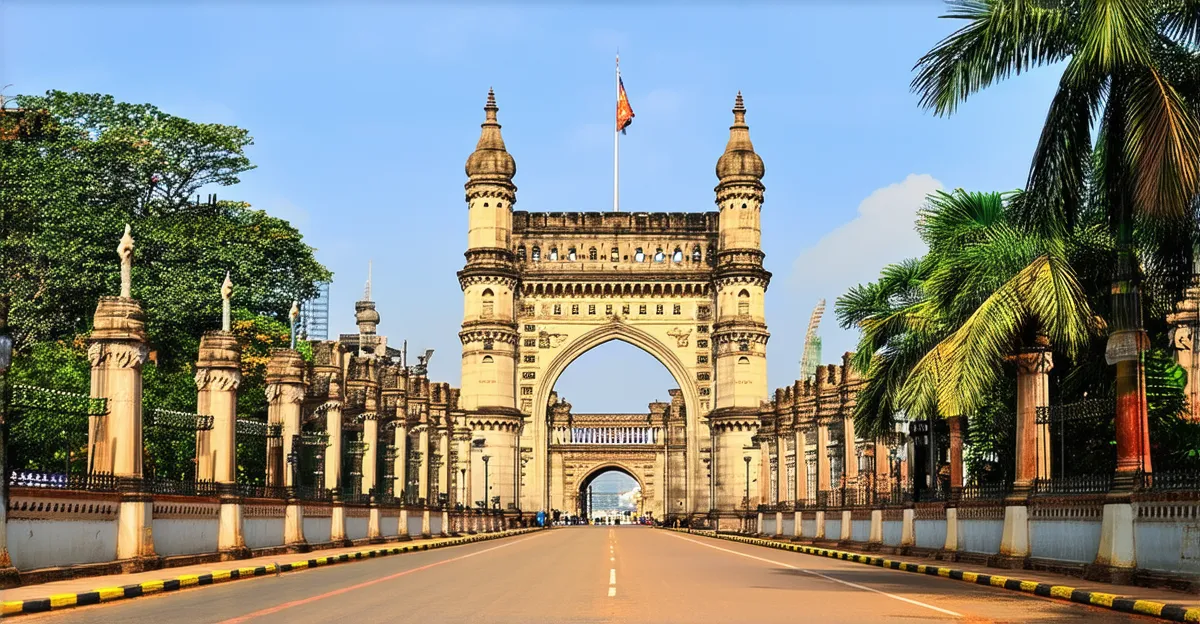
Table of Contents
Mumbai Attractions: Unveiling the City’s Best in 2026
Mumbai, the city of dreams, is a treasure trove of iconic landmarks and cultural experiences. If you’re looking to explore the best Mumbai Attractions in 2026, this guide will lead you through the city’s must-see destinations and hidden gems. From historical monuments to vibrant street life, discover the top attractions that make Mumbai an unforgettable destination.
Gateway of India: Mumbai’s Iconic Landmark
The Gateway of India, an iconic arch-monument, stands proudly overlooking the Arabian Sea in Mumbai. Built during the British Raj in 1924, it was designed by George Wittet to commemorate the visit of King George V and Queen Mary to India in 1911. This majestic structure is not only a historical landmark but also a bustling hub for tourists and locals alike. Moreover, its impressive Indo-Saracenic architectural style, combining Indian, European, and Persian elements, makes it a must-see attraction for anyone visiting Mumbai. As one of the most recognized Mumbai Attractions, the Gateway provides a stunning backdrop for photos and a starting point for exploring the city.
Experiencing the Gateway of India
Visiting the Gateway of India is more than just a photo opportunity; it’s an experience. From here, you can take a ferry to the Elephanta Caves, explore nearby attractions like the Taj Mahal Palace Hotel, or simply enjoy the lively atmosphere. The monument is often surrounded by street vendors, food stalls, and local artisans, offering a glimpse into Mumbai’s vibrant culture. Furthermore, the Gateway serves as a popular spot for events and celebrations, adding to its dynamic appeal. Indeed, no trip to Mumbai is complete without spending some time at this historic landmark. You can discover a variety of Mumbai activities here.
Pro Tip: Visit early in the morning to avoid the crowds and enjoy a more peaceful experience at the Gateway of India. The sunrise views are particularly stunning!
The area around the Gateway of India is also rich in history and culture. You can take a leisurely walk along the waterfront, visit the Chhatrapati Shivaji Maharaj Museum, or explore the charming streets of Colaba. Additionally, numerous cafes and restaurants offer a variety of cuisines, allowing you to savor Mumbai’s culinary delights. Besides, the Gateway’s central location makes it easily accessible by public transport, making it a convenient starting point for exploring other Things to Do in Mumbai. For those interested in a guided tour, consider this Mumbai private city highlights tour.
Whether you are interested in history, architecture, or simply soaking up the local atmosphere, the Gateway of India offers a memorable experience. It stands as a symbol of Mumbai’s rich past and vibrant present, making it an essential stop for all visitors. Therefore, make sure to add this iconic landmark to your itinerary when planning your trip to Mumbai. Consider also exploring these Mumbai outdoor activities to enhance your travel experience. To make your visit seamless, consider booking a private airport transfer for added convenience.
Elephanta Caves: Ancient Rock-Cut Temples
The Elephanta Caves, located on Elephanta Island a short ferry ride from Mumbai, are a UNESCO World Heritage Site and a must-see for anyone interested in ancient Indian history and art. These caves house a collection of rock-cut temples dedicated to the Hindu god Shiva. Therefore, the site offers a fascinating glimpse into the religious and artistic traditions of the past. As you explore the caves, you’ll be captivated by the intricate carvings and the sheer scale of the structures. The main cave, in particular, is renowned for its colossal statue of Trimurti, representing Shiva in his three aspects: creator, preserver, and destroyer. Consequently, a visit to the Elephanta Caves is both an educational and awe-inspiring experience, illustrating the rich cultural heritage of India. You can discover more Mumbai (Bombay) Attractions by visiting our page on activities.
Exploring the Caves
To reach the Elephanta Caves, you’ll need to take a ferry from the Gateway of India. The ferry ride itself offers stunning views of the Mumbai skyline and the Arabian Sea. Upon arrival, a short walk or a toy train ride will take you to the base of the caves. After that, you’ll ascend a flight of stairs to reach the cave entrances. The main cave is the most impressive, featuring massive pillars, intricate sculptures, and a serene atmosphere. In addition to the main cave, there are several smaller caves to explore, each with its unique carvings and history. Moreover, guides are available to provide detailed explanations of the art and mythology depicted in the caves. You might also want to check out Mumbai Outdoor Activities for more to do.
The Elephanta Caves are not only a testament to ancient artistry but also a place of spiritual significance. The carvings depict various Hindu deities and mythological scenes. Furthermore, the caves served as a place of worship and meditation for centuries. Spending time in this peaceful environment allows you to connect with India’s spiritual past and appreciate the dedication of the artisans who created these magnificent structures. So, take your time to soak in the atmosphere and reflect on the history and art that surrounds you.
Pro Tip: Wear comfortable shoes, as there is a fair amount of walking and climbing involved. It’s also a good idea to bring water and snacks, especially if you are visiting during the hotter months.
A visit to the Elephanta Caves is an unforgettable experience that offers a glimpse into India’s rich cultural and artistic heritage. Whether you are a history buff, an art enthusiast, or simply looking for a unique and enriching experience, the Elephanta Caves are sure to impress. Therefore, make sure to include this iconic site in your itinerary when you visit Mumbai. For those wanting to get the most out of their trip to Mumbai and include a trip to Elephanta Caves, consider booking a tour with GetYourGuide to enhance your adventure!
Marine Drive: The Queen’s Necklace
Marine Drive, often called the Queen’s Necklace, is one of Mumbai’s most iconic and beloved landmarks. This 3.6-kilometer-long arc-shaped boulevard stretches along the Arabian Sea coastline, offering breathtaking views, especially at night when the streetlights resemble a string of pearls, hence the name. As one of the premier Mumbai (Bombay) Attractions, Marine Drive is more than just a scenic route; it’s a vibrant hub of activity and a place where locals and tourists alike converge to enjoy the city’s energetic atmosphere.
Experiencing the Charm of Marine Drive
Whether you’re looking for a leisurely stroll, a place to sit and watch the sunset, or simply soak in the city’s vibe, Marine Drive provides an unparalleled experience. The promenade is a popular spot for walking, jogging, and exercising. In addition, numerous food vendors and street performers add to the lively ambiance. Furthermore, the cool sea breeze offers a refreshing escape from the city’s heat, making it an ideal location for Mumbai Outdoor Activities.
Pro Tip: The best time to visit Marine Drive is during the early morning or late evening to avoid the midday heat. Don’t forget to try some local snacks from the street vendors!
During the day, Marine Drive is a great place to observe the bustling city life. The iconic views of the Arabian Sea, coupled with the backdrop of Mumbai’s skyline, make it a photographer’s paradise. Moreover, it serves as a central point to access other key Things to Do in Mumbai (Bombay), like visiting nearby Chowpatty Beach or exploring the historic buildings in the Fort area. Exploring various Mumbai Experiences often begins here, as it sets the tone for the city’s dynamic culture.
However, Marine Drive truly comes alive at night. As the sun sets, the city lights twinkle, and the promenade transforms into a magical place. The illuminated arc provides a stunning visual spectacle. Locals often gather here to chat, relax, and enjoy the cool evening breeze. Additionally, the area is safe and well-lit, making it a popular destination for families and individuals alike. Consider a Mumbai by Night Private Iconic Sights Tour to fully experience its beauty.
In conclusion, Marine Drive is not just a road; it’s an integral part of Mumbai’s identity. Its scenic beauty, vibrant atmosphere, and central location make it a must-visit for anyone exploring the city. Whether you’re interested in a peaceful walk or soaking in the energetic vibe, Marine Drive promises an unforgettable experience. To discover more about local culture, check out Explore More Mumbai (Bombay) Activities.
Ready to experience the magic of Mumbai? Book your tour now! Explore Mumbai’s Highlights Today!
Chhatrapati Shivaji Maharaj Terminus: A UNESCO World Heritage Site
The Chhatrapati Shivaji Maharaj Terminus (CSMT), formerly known as Victoria Terminus, stands as a magnificent example of Victorian Gothic architecture infused with traditional Indian elements. Recognized as a UNESCO World Heritage Site, this bustling railway station is not just a transportation hub but also a historical landmark that embodies Mumbai’s rich cultural heritage. Its intricate facade, adorned with elaborate carvings and detailed sculptures, attracts visitors from around the globe, making it one of the most popular Mumbai Attractions. Moreover, the station’s stunning design and historical significance make it a must-see for anyone exploring the city.
Architectural Marvel and Historical Significance
Designed by British architect F.W. Stevens, the construction of CSMT began in 1878 and took ten years to complete. The building showcases a blend of Victorian Italianate Gothic Revival architecture and traditional Indian craftsmanship. Furthermore, its facade features pointed arches, turrets, and a high central dome, while the interior is equally impressive with stained glass windows, ornate ceilings, and grand staircases. As a result of its unique design and historical context, CSMT was designated a UNESCO World Heritage Site in 2004. Besides its architectural grandeur, the terminus has played a pivotal role in the history of Indian railways and the development of Mumbai (Bombay). For those interested in exploring the city’s heritage, consider joining a South Mumbai Heritage Walk.
Pro Tip: Visit CSMT during off-peak hours to fully appreciate its architectural details without the hustle and bustle of daily commuters. Early morning or late evening visits provide the best viewing experience.
Today, CSMT remains one of the busiest railway stations in India, serving millions of passengers daily. Despite the constant flow of people, the station’s historical charm and architectural beauty continue to captivate visitors. Whether you’re a history enthusiast, an architecture lover, or simply a traveler passing through, CSMT offers a glimpse into Mumbai’s colonial past and its vibrant present. Therefore, experiencing this iconic landmark is essential for understanding the city’s cultural identity. Additionally, you can delve deeper into the city’s history with a private city highlights tour that includes CSMT and other significant sites.
To make the most of your visit to Mumbai, consider exploring the various Things to Do in Mumbai (Bombay), including a trip to the nearby Gateway of India and Elephanta Caves. These Mumbai (Bombay) Attractions, combined with the architectural wonder of CSMT, offer a comprehensive view of the city’s rich heritage. For those interested in a unique experience, explore more Mumbai (Bombay) Experiences. Book a guided tour of Mumbai’s highlights and immerse yourself in the city’s vibrant culture and history. Find your guided tour here!
Shree Siddhivinayak Temple: A Spiritual Haven
The Shree Siddhivinayak Temple, dedicated to Lord Ganesha, stands as a significant spiritual landmark in the bustling city of Mumbai. This temple is not only a place of worship but also a cultural touchstone, attracting devotees from all walks of life. Its intricate architecture and divine ambiance offer a serene escape from the city’s hustle, thus making it a must-visit among Mumbai Attractions. Furthermore, the temple’s history and the stories surrounding it add to its mystical allure, drawing visitors seeking blessings and peace.
History and Significance
Originally built in 1801, the Shree Siddhivinayak Temple has undergone several renovations, transforming it into the magnificent structure it is today. The temple is renowned for its idol of Lord Ganesha, which is carved from a single black stone and is believed to grant wishes. Moreover, the temple’s name, Siddhivinayak, signifies Ganesha who grants desires. As a result, devotees throng the temple daily, especially on Tuesdays, which are considered auspicious for worshipping Lord Ganesha. For a more detailed exploration of local culture, check out these Mumbai Activities.
Pro Tip: Visit the temple during early morning hours to avoid large crowds and experience a peaceful prayer session. Additionally, be respectful of the temple’s rules and traditions to maintain its sanctity.
Visiting the Shree Siddhivinayak Temple provides a profound cultural experience, allowing one to witness the deep-rooted faith of the locals. The temple complex includes various stalls selling religious items, sweets, and flowers, enhancing the spiritual atmosphere. The chants and prayers create a harmonious environment, offering solace and inspiration. Therefore, it is an enriching experience for those seeking to explore the spiritual side of Mumbai (Bombay) Attractions. The temple exemplifies the spiritual heritage of Mumbai, making it a key highlight among the various Things to Do in Mumbai. To further enrich your travel, consider exploring Mumbai Experiences.
The Shree Siddhivinayak Temple not only serves as a religious site but also plays a vital role in community service, running charitable initiatives and educational programs. Its commitment to social welfare highlights its importance beyond religious worship. Furthermore, the temple’s accessibility and its significance in the daily lives of Mumbaikars make it a unique and essential destination for anyone wanting to understand the city’s cultural fabric. So, while planning your trip, consider this as one of your Mumbai Outdoor Activities. Experience the spiritual side of Mumbai with a guided tour; book your visit today.
Street Food Tours: A Culinary Adventure Through Mumbai Attractions
Embarking on a street food tour in Mumbai is akin to diving headfirst into the city’s vibrant culture and rich heritage. After all, Mumbai’s (Bombay) Attractions aren’t just about historical monuments and scenic views; they encompass the sensory explosion of flavors found on its bustling streets. From the savory delights of vada pav and pav bhaji to the sweet indulgence of gulab jamun, the city offers a diverse range of culinary experiences that cater to every palate. Indeed, these tours present a unique opportunity to explore the city through its food, discovering hidden gems and local favorites along the way. Therefore, prepare yourself for an unforgettable culinary journey through the heart of Mumbai.
The Must-Try Dishes on Your Street Food Adventure
When exploring Things to Do in Mumbai (Bombay), sampling the local street food is paramount. Begin with vada pav, Mumbai’s answer to the burger, featuring a deep-fried potato patty served in a bun with chutneys. Next, try pav bhaji, a flavorful vegetable curry served with buttered bread rolls. Also, don’t miss pani Puri, crispy hollow shells filled with tangy tamarind water, potatoes, and chickpeas. Furthermore, for those with a sweet tooth, jalebi and falooda offer a delightful end to your culinary exploration. For a deeper dive into Mumbai’s street food scene, you might consider a guided tour to uncover the best-kept secrets.
Pro Tip: Opt for street food stalls that are popular among locals; high turnover usually indicates freshness and quality. Also, remember to carry bottled water to stay hydrated during your culinary adventure.
Mumbai Experiences are incomplete without delving into its street food culture. As you navigate through the crowded streets, each bite tells a story of the city’s history and cultural fusion. Additionally, these culinary tours often provide insights into the preparation methods and the ingredients used, enhancing your appreciation for the local cuisine. Moreover, street food vendors are often more than happy to share anecdotes and stories, making your food tour not just a meal, but a cultural exchange.
Exploring Mumbai (Bombay) Activities extends beyond just the food itself. It’s about the atmosphere, the sounds, and the vibrant energy of the city. These tours often take you through different neighborhoods, showcasing the diversity of Mumbai. Moreover, you’ll witness the daily lives of locals and gain a deeper understanding of the city’s unique character. For those looking to explore further, check out these Mumbai activities. Consequently, ensure you try the vegetarian food tour.
Ready to taste the authentic flavors of Mumbai? Book your street food tour now and immerse yourself in the culinary heart of the city!
Dhobi Ghat: An Open-Air Laundry Spectacle
Dhobi Ghat, also known as the world’s largest open-air laundry, is a truly unique and fascinating Mumbai attraction. This vibrant locale offers a glimpse into the daily lives of the dhobis, or washermen, who have been cleaning the city’s laundry for generations. Visiting Dhobi Ghat is more than just sightseeing; it’s an immersive cultural experience, showcasing the hard work and dedication of these individuals. Moreover, the sheer scale of the operation, with rows upon rows of concrete wash pens, is something to behold. The rhythmic beating of clothes against the stones and the colorful display of drying garments create a captivating scene that is both visually stunning and deeply human.
A Photographer’s Paradise
For photography enthusiasts, Dhobi Ghat presents an unparalleled opportunity to capture candid moments of daily life. The vibrant colors, the intricate patterns formed by the drying clothes, and the raw emotion etched on the faces of the dhobis make for compelling photographs. As you wander through the area, remember to be respectful and mindful of the workers’ space and privacy. You can also explore other Mumbai outdoor activities for more photo opportunities. Furthermore, the best time to visit for photography is during the early morning or late afternoon when the light is soft and golden, enhancing the colors and textures of the scene. However, always ask for permission before taking photos, showing respect for the people and their work.
Pro Tip: Consider taking a guided tour to learn more about the history and operations of Dhobi Ghat. Local guides can provide valuable insights and help you navigate the area respectfully.
Exploring Dhobi Ghat provides a deep appreciation for the labor involved in a task often taken for granted. It’s a reminder of the diverse skills and contributions that keep a city like Mumbai functioning. As you observe the dhobis meticulously washing, drying, and ironing clothes, you gain a new perspective on the simple act of laundry. This unique experience is one of the unforgettable Things to Do in Mumbai. In addition, you might be interested in other cultural experiences in Mumbai to enrich your travel.
To witness this extraordinary spectacle firsthand and learn more about the lives of Mumbai’s dhobis, consider joining a guided tour. For instance, you can take a half-day guided tour with Dhobi Ghat or a tour that combines Dhobi Ghat with other local experiences. These tours offer valuable insights and ensure a respectful and informative visit. Furthermore, don’t miss this iconic landmark on your list of Mumbai Attractions, as it’s an integral part of the city’s vibrant tapestry. For more Mumbai (Bombay) Activities, check out local travel guides and online resources. You can also explore Explore More Mumbai Activities.
Kanheri Caves: Exploring Ancient Buddhist Heritage
Nestled within the Sanjay Gandhi National Park in Mumbai, the Kanheri Caves stand as a testament to India’s rich Buddhist heritage. Carved out of basalt rock hills, these caves date back to the 1st century BCE and continued to develop until the 11th century CE. As one of the largest single complexes of Buddhist cave temples in India, Kanheri offers a unique insight into the evolution of Buddhist art, architecture, and monastic life. Therefore, a visit to Kanheri is not only a journey into the past but also an immersion into the serene natural surroundings that envelop these ancient sites. Furthermore, it’s a remarkable escape from the bustling city life of Mumbai, providing a tranquil experience amidst lush greenery and historical marvels.
Unveiling the Architectural Marvels
The Kanheri Caves complex comprises over 100 individual caves, each serving different purposes, from living quarters for monks to prayer halls and meditation spaces. Cave 3, also known as the Great Chaitya, is particularly impressive, featuring massive pillars and a stupa at the far end. Moreover, the intricate carvings and relief sculptures found throughout the caves depict scenes from Buddhist mythology and daily life. Cave 11 showcases elaborate sculptures of Avalokiteśvara, a bodhisattva representing compassion. These caves offer a glimpse into the artistic and spiritual practices of the Buddhist monks who once inhabited this site. Thus, exploring the architectural marvels of Kanheri is undoubtedly one of the most enriching Mumbai Activities available.
Pro Tip: Wear comfortable shoes as you’ll be doing a lot of walking and climbing. Also, carry water and snacks, as facilities are limited within the national park. Remember to maintain silence to respect the sanctity of this historical site.
Visiting Kanheri Caves provides an opportunity to connect with Mumbai’s ancient history while enjoying its natural beauty. As you wander through the complex, you’ll find yourself transported back in time, gaining a deeper understanding of Buddhist monastic life. The caves showcase various inscriptions, water management systems, and monastic cells that reveal the sophisticated lifestyle of the monks. In addition, the surrounding Sanjay Gandhi National Park provides a peaceful backdrop, making it a perfect destination for history buffs and nature lovers alike. Consequently, it’s easy to see why exploring Kanheri Caves is one of the most rewarding Things to Do in Mumbai.
To make the most of your visit, consider joining a guided tour that provides in-depth historical and cultural context. Many tours combine a visit to Kanheri Caves with other Mumbai Attractions, offering a comprehensive exploration of the city’s diverse heritage. Whether you are interested in history, architecture, or simply seeking a peaceful escape, Kanheri Caves promises a memorable experience. Plan your visit today and discover the ancient Buddhist heritage hidden within the heart of Mumbai. For an organized excursion, book a guided tour to Kanheri Caves and explore this historical gem with ease.
Ready to explore the best Mumbai Attractions? With this guide, you’re equipped to discover iconic landmarks, cultural gems, and hidden treasures in Mumbai. Start planning your unforgettable adventure today!
Frequently Asked Questions
A: Gateway of India, Elephanta Caves, Chhatrapati Shivaji Maharaj Terminus (Victoria Terminus), Marine Drive, and the Kanheri Caves are some of the most iconic Mumbai attractions.
A: The best time to visit Mumbai is during the winter months, from November to February, when the weather is cool and pleasant for exploring the city’s attractions.
A: Yes, many Mumbai attractions offer guided tours that provide in-depth information and historical context. Consider a tour of the Elephanta Caves or a walking tour of the Fort area.
A: Several Mumbai attractions offer wheelchair accessibility, including the Gateway of India and some sections of the Chhatrapati Shivaji Maharaj Terminus. It’s advisable to check specific locations for detailed information.
A: To make the most of Mumbai Attractions, wear comfortable shoes, stay hydrated, carry sunscreen, and be aware of the local customs. Public transportation is available but can be crowded.