
Munich Oktoberfest Cultural Etiquette Tips for Visitors
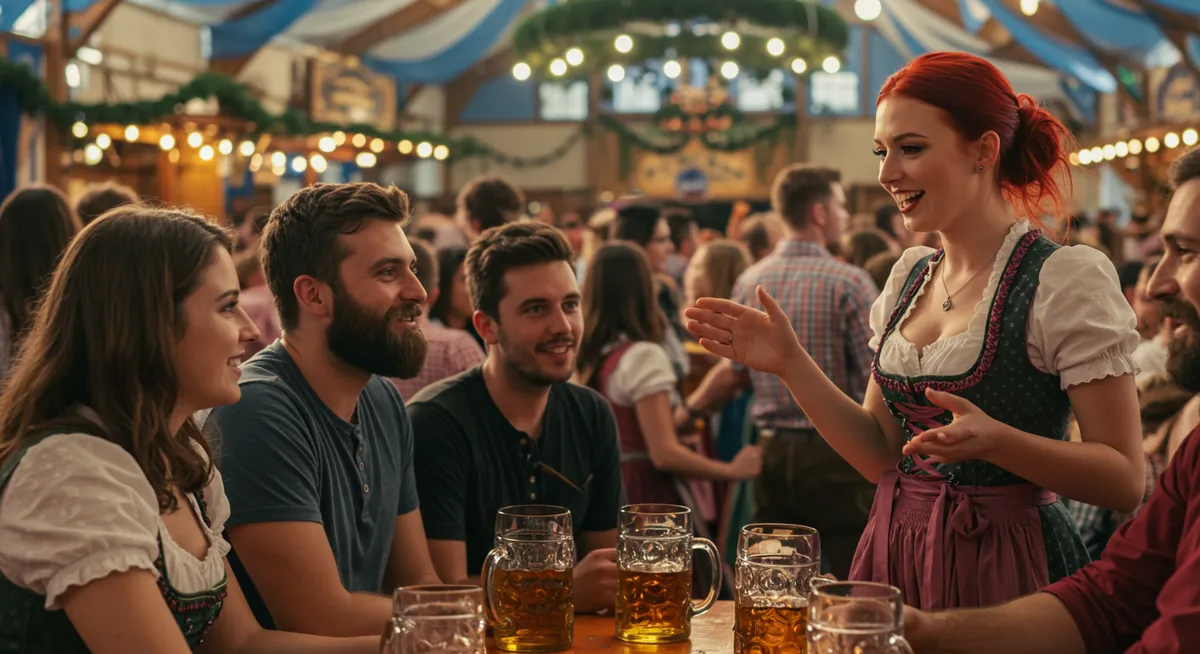
Table of Contents
Munich Oktoberfest: Essential Cultural Etiquette Tips for Visitors
Having personally navigated the lively tents and bustling fairgrounds of Oktoberfest in Munich, I’ve learned that truly enjoying this iconic Bavarian festival goes beyond just raising a Maß (beer mug). It’s about immersing yourself respectfully in the local culture. This guide offers essential Munich Oktoberfest cultural etiquette tips for visitors, ensuring your experience is not only fun but also genuinely appreciated by the locals. From traditional attire to beer tent customs, mastering these nuances will elevate your visit from a simple party to a cherished cultural adventure in Germany.
Dressing for Success: Your Oktoberfest Attire Guide
For official information, visit Munich Airport.
For official information, visit Deutsches Museum.
Embracing the spirit of the festival often starts with your wardrobe. Wearing traditional Bavarian attire, known as Tracht, is highly encouraged and makes the experience incredibly immersive. For men, this means Lederhosen (leather breeches), and for women, a Dirndl (traditional dress). While not mandatory, it shows respect for local customs and helps you feel like part of the celebration. My personal tip? Don’t buy cheap, disposable costumes; invest in a decent, authentic set if you can, or at least opt for traditional-looking clothes. Comfortable shoes are also a must, as you’ll be doing a lot of standing and walking. This readiness for participation truly enhances your overall Munich experiences.Mastering the Beer Tent: Munich Oktoberfest Etiquette for Cheers and Chants
The beer tents are the heart of Oktoberfest, and understanding their dynamics is key. First, you generally cannot just walk in and grab a table; most seating is reserved, especially on weekends. Look for unreserved sections or ask staff if seats are available. Once seated, ordering a Maß is simple, but remember to say “Prost!” (cheers!) and clink glasses with everyone at your table, even strangers. Participating in the communal singing and swaying to the Oompah bands is expected; however, avoid standing on tables, only on benches. It’s all about shared revelry, a true highlight of the best traditional beer gardens in Munich spirit.
Respecting Bavarian Traditions: Beyond the Beer
Oktoberfest is more than just drinking beer; it’s a celebration of Bavarian culture. Take time to appreciate the fairground rides, the traditional food stalls, and the general festive atmosphere. When interacting with locals, a friendly “Grüß Gott” (hello, literally “greet God”) is a common Bavarian greeting. Remember that Oktoberfest is a family-friendly event during the daytime, so maintain appropriate behavior. Even with the lively atmosphere, always be mindful of your surroundings and the people around you. Exploring the culinary side, perhaps with an authentic Bavarian food tour, can further deepen your appreciation.
Common Pitfalls to Avoid at Oktoberfest
💡 Pro Tip: Book your Munich adventures in advance through Viator for the best deals!
To ensure a smooth and enjoyable visit, be aware of common missteps. Firstly, over-intoxication is frowned upon; know your limits, as the beer is strong! Public urination or disruptive behavior can lead to immediate expulsion. Secondly, while friendly, avoid overly boisterous behavior or shouting. Remember, this is a centuries-old tradition, not just a party. Do not steal beer mugs; they are valuable souvenirs and taking one is considered theft. Lastly, always be patient, especially when navigating crowded areas or waiting for service. Following these Munich Oktoberfest cultural etiquette tips for visitors ensures a respectful experience for everyone, preserving the festival’s authentic charm.
General Courtesy & Leaving a Lasting Impression
Ultimately, enjoying Oktoberfest boils down to basic courtesy and respect. Be polite to staff, fellow attendees, and security personnel. Tipping is customary for good service, usually rounding up or leaving a few euros per Maß. At the end of the night, try to leave the tents and fairgrounds cleanly. As an experienced traveler, I’ve found that a polite demeanor goes a long way. Germans appreciate punctuality and order, so while Oktoberfest is joyous, maintaining a sense of decorum is always a good idea. Embrace the unique German concept of Gemütlichkeit – coziness, warmth, and good cheer – to truly connect with the festival’s spirit.
Frequently Asked Questions
Q: Is it mandatory to wear Lederhosen or Dirndl at Oktoberfest?
A: No, it’s not mandatory, but wearing traditional Bavarian attire (Tracht) is highly encouraged and adds significantly to the immersive experience. Most visitors participate, and it helps you feel more connected to the local culture and festivities at Oktoberfest.
Q: Can I just grab any open seat in a beer tent?
A: Generally, no. Most tables in the beer tents are reserved, especially during peak hours and on weekends. Look for sections marked ‘Frei’ (free) or ask a server for available unreserved seating. Patience is key to finding a spot.
Q: Is Oktoberfest only about drinking beer?
A: While beer is central, Oktoberfest is also a vibrant celebration of Bavarian culture, featuring traditional food, music, fairground rides, and family-friendly activities during the day. It’s a rich cultural event, not just a beer festival.
Navigating Oktoberfest with a solid understanding of its cultural etiquette transforms a mere visit into an unforgettable journey. By dressing appropriately, respecting beer tent customs, and embracing Bavarian traditions, you not only enjoy the festival but also show genuine appreciation for this cherished event. These Munich Oktoberfest cultural etiquette tips for visitors are your key to a truly authentic and respectful experience. So, Prost! Embrace the spirit, be mindful of your manners, and create lasting memories. For more on what to explore in the city, check out our guide to things to do in Munich beyond the Wiesn.