
Nagasaki Attractions: Top Spots for 2026
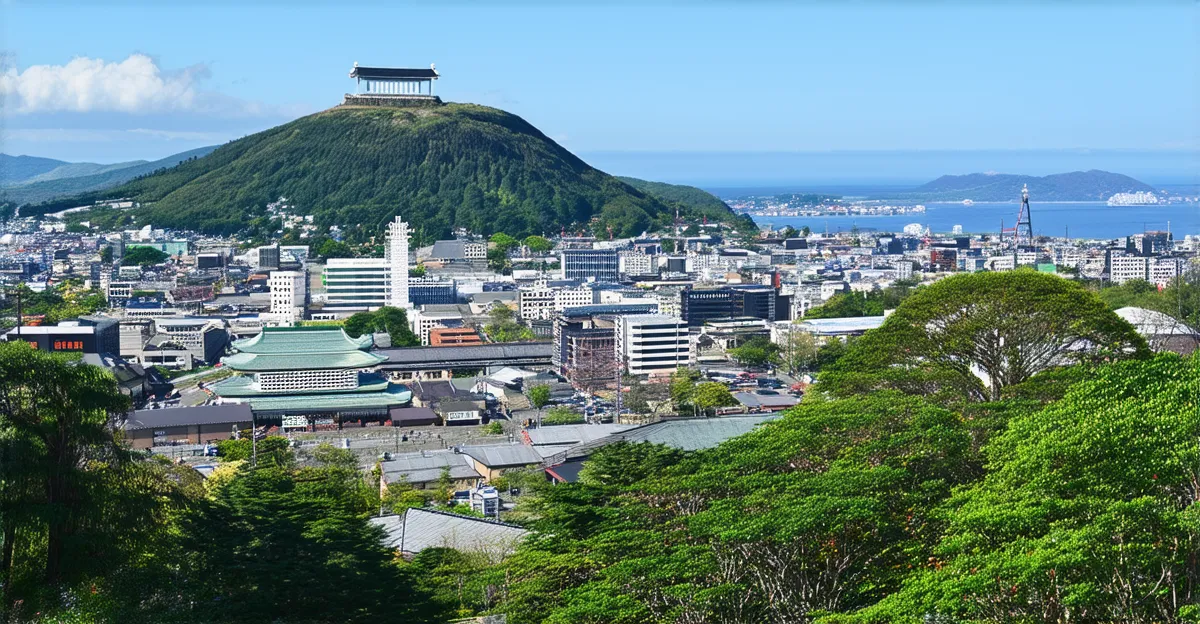
Table of Contents
Discover Top Nagasaki Attractions in 2026
Welcome to Nagasaki, a city rich in history and brimming with captivating attractions. In 2026, Nagasaki continues to offer a blend of poignant historical sites, stunning natural landscapes, and vibrant cultural experiences. Whether you’re a history buff, a nature enthusiast, or simply seeking unique travel experiences, Nagasaki’s attractions promise an unforgettable journey.
The Nagasaki Peace Park and Atomic Bomb Museum: A Somber Reflection
For official information, visit Nagasaki City Official Website.
The Nagasaki Peace Park and Atomic Bomb Museum stand as powerful reminders of the devastating atomic bombing of Nagasaki on August 9, 1945. Visiting these sites offers a profound opportunity for reflection on the human cost of war and a chance to contemplate the importance of peace. Moreover, the park and museum serve as poignant tributes to the victims, as well as beacons of hope for a world free of nuclear weapons. Consequently, they are essential stops for anyone seeking a deeper understanding of history and the pursuit of global harmony.Exploring the Peace Park
The Peace Park is thoughtfully designed to promote contemplation and remembrance. Key features include the iconic Peace Statue, a towering figure symbolizing peace and goodwill, and the Fountain of Peace, dedicated to those who died searching for water after the bombing. Furthermore, the park is adorned with numerous sculptures donated by countries around the world, each carrying a unique message of peace. Walking through the park, visitors can observe the diverse expressions of hope and solidarity, reinforcing the universal desire for a peaceful future. Indeed, the park is an integral component of Nagasaki Attractions. You can explore more Nagasaki activities to enhance your visit.
Pro Tip: Take your time to absorb the messages conveyed by the various monuments and sculptures in the park. Consider attending a memorial service if your visit coincides with one, for an even more impactful experience.
Inside the Atomic Bomb Museum
The Atomic Bomb Museum presents a comprehensive and unflinching account of the events leading up to and following the atomic bombing. Exhibits include haunting photographs, personal accounts from survivors (hibakusha), and artifacts recovered from the ruins. Besides documenting the immense suffering caused by the bombing, the museum also explores the scientific context of nuclear weapons and the ongoing efforts toward nuclear disarmament. As you navigate through the museum, the stark reality of the bombing becomes palpable, urging visitors to consider the long-term consequences of such devastation.
For those interested in delving deeper into the city’s history, consider a guided tour of Nagasaki to gain further insights into its cultural and historical significance. Also, remember to check out other Things to Do in Nagasaki to make the most of your trip.
In conclusion, a visit to the Nagasaki Peace Park and Atomic Bomb Museum is more than just sightseeing; it is a deeply moving experience that promotes reflection, understanding, and a renewed commitment to peace. To continue your exploration, consider a private tour of Nagasaki, offering further insight into this poignant destination.
Glover Garden: A Step Back in Time
Glover Garden, perched on a hillside overlooking Nagasaki, offers a captivating journey into the late 19th-century. This open-air museum showcases preserved mansions of foreign merchants who contributed significantly to Nagasaki’s modernization during the Meiji Restoration. As you wander through the garden, you’ll encounter stunning architecture, lush landscapes, and panoramic views of the city and harbor. Glover Garden is a testament to Nagasaki’s rich international history and is a must-see among the Nagasaki Attractions. Moreover, each building tells a story of cultural exchange and innovation, making it a fascinating destination for history enthusiasts and casual tourists alike.
Exploring the Historic Mansions
The main draw of Glover Garden is undoubtedly the collection of historic mansions. The Glover Residence, the oldest Western-style wooden building in Japan, stands as a symbol of the era. As you step inside these meticulously maintained structures, you will see period furniture and exhibits that portray the lives of the people who lived here. Besides the Glover Residence, the Alt House and the Ringer House are other prominent buildings that reflect the architectural styles and living conditions of foreign residents. These buildings, together, vividly illustrate the international influences that shaped Nagasaki. Furthermore, the strategic placement of these mansions ensures breathtaking views from every vantage point, enhancing the overall experience.
Pro Tip: Visit Glover Garden in the late afternoon to enjoy a stunning sunset view over Nagasaki harbor. The illuminated mansions against the twilight sky create a magical atmosphere. Also, be sure to wear comfortable shoes as there is quite a bit of walking involved.
Aside from the historic buildings, Glover Garden is also home to beautifully landscaped gardens filled with seasonal flowers and plants. The meticulously maintained grounds offer a tranquil escape from the bustling city below. In addition, you can find hidden pathways, koi ponds, and scenic overlooks, all contributing to the serene ambiance. Glover Garden truly encapsulates the essence of Things to Do in Nagasaki, blending historical education with natural beauty. Therefore, it remains a cherished landmark for visitors seeking to understand Nagasaki’s unique heritage.
For those interested in exploring more of Nagasaki’s historical and cultural offerings, consider taking a guided tour of Nagasaki. You might also enjoy other Nagasaki Outdoor Activities for a comprehensive experience. Plan your visit to Glover Garden and experience a captivating journey back in time. You can also discover more Nagasaki Activities to enrich your trip.
Dejima: Exploring Nagasaki’s International Trade History
Dejima, a small, fan-shaped artificial island in Nagasaki, Japan, holds a significant place in history as the sole gateway for trade between Japan and the outside world during the Edo period (1603-1868). This unique enclave facilitated a crucial exchange of goods, ideas, and cultures between Japan and Europe, predominantly with the Dutch East India Company. Exploring Dejima today offers a captivating journey back in time, allowing visitors to witness the meticulously reconstructed buildings and gain insight into the lives of the traders and officials who once resided there. Indeed, it is a must-see among Nagasaki Attractions for those interested in international history.
The History of Dejima
Initially constructed in 1636 to segregate Portuguese traders from the Japanese population, Dejima’s role shifted when the Dutch were moved there in 1641 following the expulsion of the Portuguese. For over two centuries, Dejima served as Japan’s primary point of contact with Europe, making Nagasaki a vibrant hub of commerce and cultural exchange. The Dutch traders lived, worked, and conducted business within the confines of the island, under strict supervision by the Japanese authorities. This controlled environment allowed Japan to selectively import goods and knowledge while maintaining its policy of national seclusion. As a result, Dejima became an essential conduit for the introduction of Western science, medicine, and technology to Japan. Moreover, the island played a critical role in shaping Japan’s understanding of the world during this isolated period.
Today, visitors can explore the faithfully restored buildings of Dejima, including the Chief Factor’s Residence, warehouses, and living quarters. These reconstructions provide a tangible glimpse into the daily lives of the Dutch traders and Japanese officials who inhabited the island. Furthermore, exhibits and displays detail the goods that were traded, the cultural exchanges that occurred, and the historical significance of Dejima in shaping Japan’s relationship with the West. Don’t miss the opportunity to experience this fascinating piece of history when considering Things to Do in Nagasaki.
For those planning a visit, consider exploring Nagasaki’s heritage trail to learn more about the city’s other historical sites. Also, remember to check out other Nagasaki activities to enrich your travel experience. Dejima provides a profound understanding of Japan’s unique international engagement during a period of isolation, making it one of the most compelling Nagasaki Experiences available.
Discover more about Nagasaki’s rich international history and book your guided tour here.
Mount Inasa: Panoramic Views of Nagasaki
🌟 Local Expert Tip: Get the most out of your Nagasaki visit with guided tours!
Mount Inasa, standing at 333 meters, offers arguably the most breathtaking panoramic views of Nagasaki. Recognized as one of the best night views in Japan, alongside Hakodate and Kobe, a visit to Mount Inasa is an essential inclusion in your list of Things to Do in Nagasaki. Whether you ascend during the day or as twilight descends, the spectacle is truly unforgettable, showcasing the city’s unique topography nestled between mountains and sea.
Ascending Mount Inasa: Options and Experiences
There are several ways to reach the summit of Mount Inasa. Firstly, the Nagasaki Ropeway is the most popular and scenic option, providing a smooth, gliding journey over lush greenery and urban landscapes. Alternatively, you can drive up via a winding road or take a bus that stops near the summit. For those seeking a bit of exercise, a hiking trail also leads to the top, offering a more immersive experience of the mountain’s natural environment. Furthermore, each option provides a unique perspective, enhancing the anticipation of the stunning view that awaits. Moreover, consider checking the operating hours and schedules for public transportation to plan your visit effectively. You can explore more Nagasaki Activities for comprehensive travel planning.
Pro Tip: Arrive before sunset to witness the gradual transition from daylight to the glittering cityscape at night. The changing colors of the sky add an extra layer of magic to the panorama.
Once at the summit, the observation platform provides unobstructed views in all directions. During the day, you can see the intricate coastline, the bustling harbor, and the distant islands dotting the East China Sea. As night falls, the city transforms into a dazzling display of lights, creating a romantic and captivating atmosphere. The viewing area includes informational panels that highlight key landmarks and geographical features, helping you to understand the layout of Nagasaki better. Additionally, facilities like a restaurant and souvenir shop are available for visitors to enjoy.
Furthermore, the stunning vistas from Mount Inasa provide exceptional photo opportunities. Capture the sprawling cityscape, the shimmering water, and the dramatic sunsets to create lasting memories of your visit. Nagasaki Attractions such as this one are definitely not to be missed. Also, remember to bring a good camera or smartphone to take full advantage of the picturesque scenery. Additionally, the cool mountain air offers a refreshing escape from the city’s heat, especially during the warmer months. For private guided tours to explore hidden gems in Nagasaki, check out this customized tour of Nagasaki.
Oura Cathedral: Japan’s Oldest Christian Church
Oura Cathedral, also known as the Basilica of the Twenty-Six Holy Martyrs of Japan, stands as a testament to the enduring legacy of Christianity in Japan. Officially recognized as the oldest Christian church in the country, this architectural marvel offers visitors a glimpse into Nagasaki’s rich and often tumultuous religious history. Furthermore, the cathedral’s stunning Gothic design and historical significance make it a must-see among Nagasaki Attractions. Its presence in Nagasaki highlights the cultural and religious exchange that has shaped the city over centuries. Therefore, exploring Oura Cathedral is an enriching experience for anyone interested in history, architecture, or religious studies.
Architectural and Historical Significance
Constructed in 1864 by French missionaries, Oura Cathedral was originally dedicated to the twenty-six Christians who were crucified in Nagasaki in 1597. These martyrs, now recognized as saints, represent the early struggles of Christianity in Japan. Moreover, the church’s design incorporates elements of Gothic architecture, featuring pointed arches, ribbed vaults, and intricate stained glass windows that depict biblical scenes. Over time, the cathedral has undergone several renovations, including a significant restoration after the atomic bombing of Nagasaki in 1945. Today, Oura Cathedral stands as a symbol of resilience and faith, drawing visitors from around the world who come to admire its beauty and learn about its history. As you explore Things to Do in Nagasaki, make sure Oura Cathedral is at the top of your list.
Visiting Oura Cathedral provides a unique opportunity to reflect on the complex interplay between religion, culture, and history in Japan. In addition, the peaceful ambiance inside the cathedral invites contemplation, while the surrounding area offers insights into Nagasaki’s historical foreign settlement. Nagasaki Activities often include a visit to this iconic landmark, allowing travelers to connect with the city’s past on a deeper level. Whether you are interested in religious history, architectural design, or simply seeking a moment of tranquility, Oura Cathedral offers a memorable experience.
Moreover, as you plan your visit to Nagasaki, consider exploring other nearby Nagasaki Experiences such as Glover Garden and the Nagasaki Peace Park to gain a comprehensive understanding of the city’s diverse history and culture. For those interested in a guided exploration, you might consider this customized guided tour of Nagasaki. To discover more about local culture, explore Nagasaki’s diverse activity options.
Huis Ten Bosch: A Dutch-Themed Amusement Park
💡 Pro Tip: Book your Nagasaki adventures in advance through Viator for the best deals!
Huis Ten Bosch, meaning “House in the Woods,” is a unique and enchanting theme park located in Nagasaki, Japan. Transporting visitors to the Netherlands, this meticulously designed park recreates iconic Dutch architecture, landscapes, and cultural experiences. As one of the most distinctive Nagasaki Attractions, Huis Ten Bosch offers a captivating blend of entertainment, natural beauty, and historical charm. It is an ideal destination for families, couples, and anyone seeking a delightful escape from the ordinary. Moreover, the park’s attention to detail ensures an immersive experience that appeals to all ages.
Exploring the Dutch Replicas and Gardens
At the heart of Huis Ten Bosch are its stunning replicas of Dutch buildings, windmills, and canals. Visitors can stroll through cobblestone streets lined with charming shops, cafes, and museums. Furthermore, the park boasts beautiful gardens that bloom with seasonal flowers, creating picturesque scenes throughout the year. Imagine wandering past vibrant tulip fields or enjoying a boat ride along the canals, all while feeling as though you’ve stepped into a Dutch postcard. These meticulously crafted environments offer numerous photo opportunities and a serene atmosphere, making it one of the most relaxing Things to Do in Nagasaki.
Pro Tip: Check the park’s event calendar before your visit. Huis Ten Bosch frequently hosts seasonal festivals, light shows, and special events that enhance the overall experience.
Beyond its architectural marvels, Huis Ten Bosch features a variety of attractions and activities. You can explore museums showcasing Dutch art and history, enjoy thrilling rides, and partake in interactive exhibits. Moreover, the park offers various dining options, from traditional Dutch cuisine to international flavors, ensuring a satisfying culinary experience. Whether you’re interested in exploring the Nagasaki Outdoor Activities within the park or prefer indulging in cultural exploration, Huis Ten Bosch has something for everyone.
Additionally, Huis Ten Bosch is committed to providing a memorable and engaging experience. The park’s staff is dedicated to offering exceptional service and maintaining the authenticity of its Dutch theme. As a result, it’s a standout destination among Nagasaki Experiences. For those planning a trip, it’s worth noting that the park is easily accessible and offers various ticket options to suit different preferences.
To discover more about Nagasaki’s diverse attractions, explore other activities in Nagasaki and consider enhancing your visit with a guided tour for a deeper understanding of the city’s culture. Also, check out Huis Ten Bosch admission tickets for a seamless visit.
Ready to explore the best Nagasaki Attractions? Plan your visit today and uncover the unique charm and poignant history that Nagasaki offers in 2026!
Frequently Asked Questions
A: The Nagasaki Peace Park and Atomic Bomb Museum offer profound insights into the city’s history. Glover Garden showcases beautifully preserved Western-style homes with stunning harbor views, and Dejima Wharf provides a glimpse into Nagasaki’s international trade past.
A: Spring (March-May) and autumn (September-November) offer mild temperatures and beautiful scenery, making it ideal for exploring Nagasaki’s outdoor attractions and historical sites.
A: Many Nagasaki Attractions, such as the Peace Park and some museums, offer free admission. However, attractions like Glover Garden and some historical sites may have entrance fees. Check the official websites for the most up-to-date information.
A: Consider purchasing a Nagasaki City Tram 1-Day Pass for easy and affordable transportation to many of the city’s main attractions. Walking is also a great way to explore some areas, especially around Glover Garden and Dejima.
A: Yes, many Nagasaki Attractions offer English signage and audio guides. The Nagasaki Peace Park and Atomic Bomb Museum are particularly well-equipped for international visitors.