
Samarkand Attractions: Unveiling the Best in 2026
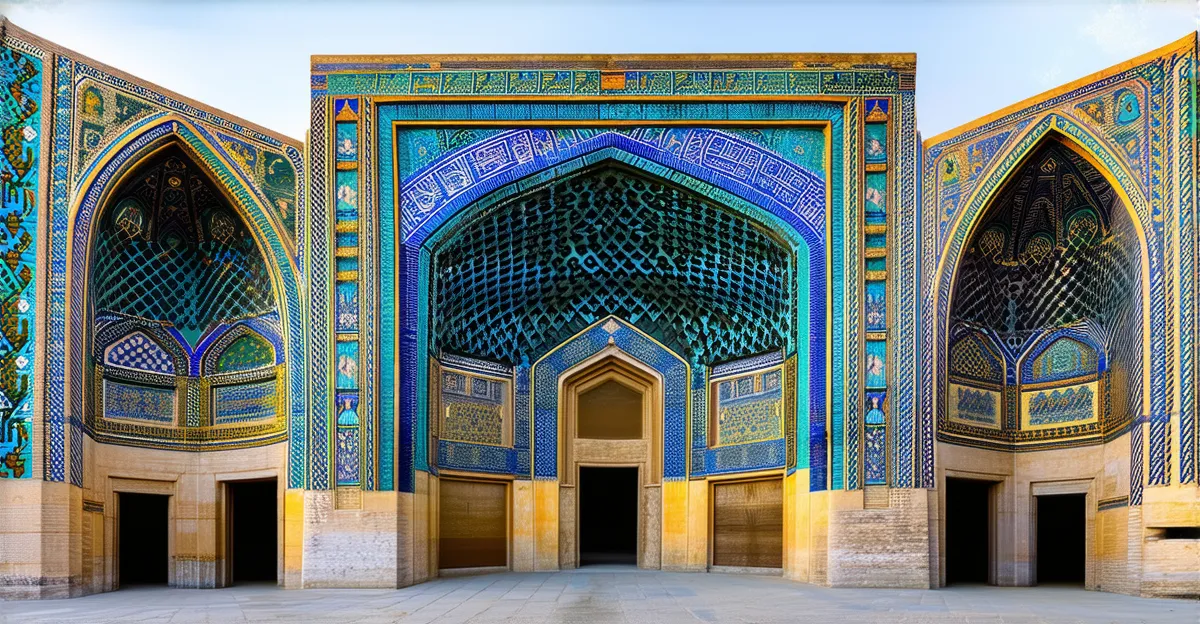
Table of Contents
Discovering Samarkand Attractions: A 2026 Guide
Welcome to Samarkand, a city brimming with historical significance and architectural marvels. In our 2026 guide, we delve into the most captivating Samarkand attractions that promise an unforgettable journey through time and culture. From stunning mosaics to ancient ruins, prepare to be enchanted by the beauty and grandeur of this Silk Road gem.
Registan Square: The Heart of Samarkand Attractions
For current hours, prices, and announcements, start with Registan Ensemble.
For official information, visit Samarkand International Airport.
Registan Square, without a doubt, stands as the most iconic of all Samarkand Attractions. This UNESCO World Heritage site is not just a square; it’s a breathtaking ensemble of majestic madrasahs that showcase the zenith of Islamic architecture. As you step into the square, you’re immediately enveloped by the grandeur and intricate detail of the Ulugh Beg Madrasah, the Sher-Dor Madrasah, and the Tilya-Kori Madrasah. Each of these structures boasts stunning mosaics, towering minarets, and impressive portals, making it a visual spectacle that leaves a lasting impression. Furthermore, the history embedded within these walls tells a compelling story of Samarkand’s rich cultural and intellectual past. The Registan served as a center for learning, trade, and public gatherings for centuries, cementing its place as the heart of the city.A Living Canvas of History
The Ulugh Beg Madrasah, dating back to the 15th century, was one of the foremost universities in the Islamic world. It was founded by the astronomer and scholar Ulugh Beg, who aimed to make Samarkand a hub of scientific and intellectual excellence. Consequently, the madrasah attracted numerous students and scholars, contributing significantly to advancements in mathematics, astronomy, and other sciences. The Sher-Dor Madrasah, built in the 17th century, is famous for its unique tiger mosaics, which, interestingly, break from traditional Islamic art by depicting living creatures. Finally, the Tilya-Kori Madrasah, also from the 17th century, is renowned for its opulent gold-leafed interior, which once served as the main mosque of Samarkand.
Visiting Registan Square is an immersive experience that transcends mere sightseeing. Throughout the year, the square hosts various cultural events, concerts, and festivals, adding a vibrant layer to its historical ambiance. In addition, the evening light show transforms the square into a magical realm, with colorful projections illuminating the facades of the madrasahs, accompanied by traditional music. For those seeking a deeper understanding of Things to Do in Samarkand, a guided tour of Registan Square is highly recommended. This allows you to uncover hidden details, learn about the historical context, and appreciate the architectural nuances that might otherwise go unnoticed. You can explore the Registan Square with a guided walking tour.
Therefore, whether you’re a history enthusiast, an architecture aficionado, or simply a traveler seeking awe-inspiring sights, Registan Square is an unmissable destination. Experiencing this magnificent square is indeed one of the top Samarkand Experiences. Don’t miss the opportunity to witness the splendor of Registan Square and create unforgettable memories in this historical marvel. Also, consider exploring more Samarkand Activities to enrich your visit.
Discover more about the wonders of Samarkand and plan your visit today! Book your tour now!
Gur-e-Amir Mausoleum: A Glimpse into Timurid Dynasty
The Gur-e-Amir Mausoleum, a jewel among Samarkand Attractions, stands as a testament to the grandeur and sophistication of the Timurid Dynasty. This architectural marvel, initially built as a final resting place for Timur (Tamerlane), the great conqueror, has evolved into one of the most visited and revered sites in Uzbekistan. Its intricate design, resplendent tilework, and imposing dome reflect the rich cultural and artistic heritage of the 14th and 15th centuries. As you approach the mausoleum, the stunning azure dome immediately captures your gaze, promising a journey into a world of historical significance and aesthetic beauty.
Architectural Splendor and Historical Significance
The mausoleum’s architecture is a harmonious blend of Persian, Mongolian, and Central Asian influences. The exterior is adorned with vibrant blue, turquoise, and white tiles arranged in mesmerizing geometric patterns and calligraphic inscriptions. Inside, the main chamber houses the cenotaphs of Timur, his sons, and grandsons, each crafted from different precious stones. While the actual remains are interred in a crypt below, these ornate markers serve as a powerful reminder of the dynasty’s legacy. The play of light within the chamber further enhances the sense of reverence and awe. Moreover, the Gur-e-Amir’s design profoundly influenced later Mughal architecture, including the Taj Mahal, making it a cornerstone of Islamic architectural history. For those interested in exploring more historical sites, consider a guided walking tour of Samarkand’s historical monuments.
Visiting the Gur-e-Amir offers a unique opportunity to delve into the life and times of Timur, a figure both celebrated and controversial. As you wander through the complex, reflect on his vast empire, his patronage of the arts and sciences, and his complex character. The mausoleum not only serves as a memorial but also as a cultural center, attracting scholars, artists, and travelers from around the globe. Additionally, the surrounding gardens provide a tranquil space for contemplation, allowing visitors to absorb the atmosphere and appreciate the enduring legacy of the Timurid Dynasty. For Things to Do in Samarkand, the Gur-e-Amir is a must-see, providing deep insights into Uzbekistan’s past.
In conclusion, the Gur-e-Amir Mausoleum is more than just a tomb; it is a symbol of Samarkand’s historical and cultural identity. Experiencing this site is an essential part of understanding the city’s rich heritage and the profound impact of the Timurid Dynasty. If you are planning to explore other Samarkand Attractions, you can discover more activities here. To fully appreciate the blend of history and culture, consider exploring Samarkand’s ancient sites, blending education with awe-inspiring sights.
Shah-i-Zinda Necropolis: An Avenue of Mausoleums
The Shah-i-Zinda Necropolis, a UNESCO World Heritage site, stands as one of the most significant Samarkand Attractions. This awe-inspiring avenue of mausoleums showcases the rich architectural and artistic heritage of Uzbekistan, particularly the Timurid dynasty. The name “Shah-i-Zinda,” meaning “The Living King,” refers to Kusam ibn Abbas, a cousin of the Prophet Muhammad, who is believed to be buried here. Over the centuries, the site has evolved into a sprawling complex of tombs and religious structures, each adorned with intricate tilework and captivating designs. As you walk through this sacred space, you’re essentially traversing centuries of history, art, and spiritual devotion.
Architectural Marvels and Historical Significance
The necropolis features a stunning array of architectural styles, reflecting different periods and influences. Predominantly, the structures date from the 14th and 15th centuries, a time when Samarkand flourished as a center of culture and trade. The vibrant blue, turquoise, and green tiles create a mesmerizing spectacle, covering the facades of mausoleums dedicated to members of the Timurid dynasty, military leaders, and religious figures. Each building tells a story through its unique design and inscriptions, offering a glimpse into the lives and beliefs of those buried within. Moreover, the Shah-i-Zinda offers a profound experience for history enthusiasts and those seeking spiritual enrichment. To further explore, check out these guided walking tours in Samarkand.
Pro Tip: Visit during the early morning or late afternoon to avoid the crowds and experience the serene atmosphere of this sacred site. The soft light enhances the beauty of the tilework, creating perfect photo opportunities.
Beyond its architectural grandeur, the Shah-i-Zinda holds deep spiritual significance. Pilgrims from across the Islamic world visit to pay their respects and seek blessings at the tombs of revered figures. The site’s history is intertwined with legends and stories that add to its mystique. Moreover, the necropolis is not only a burial ground but also a living testament to the enduring faith and artistic genius of the region. Additionally, it provides a fascinating insight into the cultural values and traditions of the Timurid era.
For travelers interested in exploring Samarkand Attractions and understanding the city’s cultural depth, a visit to Shah-i-Zinda is essential. It offers a unique opportunity to step back in time and witness the beauty and reverence that define this historical landmark. Whether you are interested in history, art, or spirituality, the Shah-i-Zinda Necropolis promises a memorable and enriching experience. Therefore, consider exploring more Samarkand Activities to enhance your travel itinerary. For example, you might enjoy a tour of ancient sites.
Bibi-Khanym Mosque: A Monumental Masterpiece
💡 Pro Tip: Book your Samarkand adventures in advance through Viator for the best deals!
The Bibi-Khanym Mosque, a testament to Timurid ambition and architectural prowess, stands as one of the most impressive Samarkand Attractions. Constructed in the late 14th and early 15th centuries, this grand mosque was envisioned by Timur (Tamerlane) himself after his victorious campaign in India. The scale and splendor of Bibi-Khanym Mosque were intended to reflect Timur’s power and the glory of his empire. Thus, its imposing structure and intricate decorations offer visitors a profound insight into the era’s artistic and engineering capabilities.
Legends and Legacy
Legend has it that Bibi-Khanym, Timur’s favorite wife, commissioned the mosque in his absence, aiming to surprise him upon his return. However, the haste in construction led to structural weaknesses, and some say the architect fell in love with Bibi-Khanym, causing further delays and imperfections. Regardless of the tales, the mosque’s grandeur remains undeniable, featuring towering minarets, a massive portal, and a vast courtyard designed to accommodate thousands of worshippers. Consequently, exploring this site provides not only a visual feast but also a journey through captivating historical narratives. Considering its historical significance, the mosque is a crucial stop for anyone interested in Things to Do in Samarkand.
Pro Tip: Visit early in the morning to avoid crowds and fully appreciate the mosque’s stunning details under the soft sunlight. Furthermore, remember to dress respectfully, covering shoulders and knees when entering the mosque grounds.
Over the centuries, the Bibi-Khanym Mosque suffered significant damage from earthquakes and neglect. However, extensive restoration efforts throughout the 20th and 21st centuries have revived much of its former glory. Today, visitors can marvel at the reconstructed dome, the restored tilework, and the imposing presence of the mosque’s main structures. Moreover, the ongoing preservation work underscores the importance of this monument to Uzbekistan’s cultural heritage. It represents a blend of artistry, ambition, and historical significance, making it a central highlight among Samarkand Attractions.
Visiting Bibi-Khanym Mosque is an immersive experience that connects you with the rich history and cultural depth of Samarkand. Walking through its immense courtyard and admiring its detailed craftsmanship, one can truly appreciate the vision of Timur and the dedication of the artisans who brought it to life. For a guided experience that enriches your visit, consider booking a Samarkand historical monuments guided walking tour. Moreover, don’t forget to explore other Samarkand Activities to make the most of your visit.
Ulugh Beg Observatory: Unveiling Medieval Astronomy
The Ulugh Beg Observatory stands as a testament to the remarkable scientific achievements of the Timurid era. Founded in the 15th century by the astronomer-king Ulugh Beg, this observatory was once one of the most advanced astronomical centers in the world. Today, the remaining ruins offer a fascinating glimpse into the sophisticated understanding of the cosmos possessed by medieval scholars. Visiting this site is essential for anyone interested in the history of science and the intellectual heritage of Central Asia. Indeed, it is a cornerstone of Samarkand Attractions, drawing visitors from across the globe. Furthermore, the observatory provides a unique perspective on the region’s rich cultural history.
Exploring the Remnants of a Scientific Marvel
Although much of the original structure has been lost to time, the central feature of the observatory, a massive quadrant used for measuring the positions of stars, remains partially intact. This impressive instrument, known as the Fakhri Sextant, was instrumental in creating Ulugh Beg’s Zij-i Sultani, a star catalog renowned for its accuracy. As you explore the site, imagine the bustling activity of astronomers meticulously charting the heavens. Moreover, consider the impact this work had on the advancement of scientific knowledge. Besides, understanding the context enriches the visitor experience profoundly. For more information on planning your visit, explore Samarkand Activities.
Pro Tip: Visit the Ulugh Beg Observatory Museum located near the site to see detailed exhibits on Ulugh Beg’s life, astronomical instruments, and scientific contributions.
The Ulugh Beg Observatory Museum enriches the historical context of the site, displaying replicas of instruments and detailed explanations of Ulugh Beg’s methodologies. It is an excellent complement to exploring the physical ruins, providing a deeper understanding of the intellectual environment that fostered such groundbreaking research. As one of the key Things to Do in Samarkand, a visit here connects you directly to the scientific legacy of the Silk Road. In addition, interactive displays make complex concepts accessible to all visitors.
Visiting the Ulugh Beg Observatory is not just about seeing old ruins; it’s about appreciating the ambition and intellect of a bygone era. It showcases the profound impact of Islamic scholarship on the development of astronomy. While in Samarkand, take a guided tour of Samarkand’s ancient sites and monuments, which includes this remarkable observatory, providing deeper insights into its history and significance.
Siyob Bazaar: A Vibrant Taste of Local Life Among Samarkand Attractions
Siyob Bazaar, one of the oldest and largest bazaars in Samarkand, offers an immersive experience into the heart of Uzbek culture and commerce. As you step into this bustling marketplace, you’re immediately greeted by a symphony of sounds, colors, and aromas. From the vibrant displays of fresh produce to the intricate handicrafts and the lively chatter of vendors and shoppers, Siyob Bazaar is a feast for the senses and a must-see among Samarkand Attractions. Moreover, the bazaar provides a unique opportunity to interact with locals, sample traditional foods, and witness the everyday life of the city.
A Shopper’s Paradise and Cultural Hub
The bazaar is divided into sections, each offering a different array of goods. You’ll find mountains of spices, dried fruits, nuts, and traditional sweets that showcase the rich flavors of Uzbek cuisine. Additionally, there are stalls overflowing with locally made textiles, ceramics, and souvenirs, perfect for taking a piece of Samarkand home with you. Beyond shopping, Siyob Bazaar is a cultural hub where you can observe traditional Uzbek customs and practices. Furthermore, the bazaar is a place where you can find many different Things to Do in Samarkand. For a guided experience, consider this historical monuments walking tour.
Pro Tip: Come hungry! Siyob Bazaar is the perfect place to try traditional Uzbek dishes like plov (pilaf), samsa (savory pastry), and shashlik (grilled meat skewers) from local vendors.
Exploring Siyob Bazaar is also a great way to discover Samarkand Outdoor Activities. While the bazaar itself is covered, the surrounding area is filled with open-air stalls and vendors selling everything from handcrafted jewelry to traditional clothing. You can easily spend hours wandering through the maze of stalls, soaking in the atmosphere and haggling for the best prices. The vibrant energy of the bazaar is contagious, making it a memorable part of any trip to Samarkand.
Moreover, visiting Siyob Bazaar offers an authentic taste of local life and provides a glimpse into the heart and soul of the city. It’s an experience that engages all your senses and leaves you with a deeper appreciation for Uzbek culture. To enhance your cultural immersion, check out these cooking classes in Samarkand. Don’t miss the opportunity to explore this vibrant marketplace and create lasting memories among the many Samarkand Attractions. Also, feel free to explore more Samarkand activities.
Hazrat Khizr Mosque: A Place of Pilgrimage and History
🎯 Insider Tip: Discover the best Samarkand experiences with Viator Tours!
The Hazrat Khizr Mosque stands as a testament to Samarkand’s rich spiritual and historical heritage. Situated on an elevated platform, this mosque offers panoramic views of the city and surrounding ancient sites. Its foundations are steeped in legend, as it is believed to be located on the site of an earlier mosque destroyed by Genghis Khan in the 13th century. Therefore, visiting this site offers a profound connection to the past, making it one of the essential Samarkand Attractions.
As you approach the Hazrat Khizr Mosque, its stunning turquoise dome and intricate tilework immediately capture your attention. The mosque’s architecture reflects a blend of different eras, showcasing the evolving styles of Central Asian design. Moreover, the serene atmosphere invites visitors to reflect and appreciate the spiritual significance of the location. For those interested in exploring more religious landmarks, see the list of cultural activities in Samarkand.
Indeed, Hazrat Khizr is revered in Islam as a prophet who guides and protects travelers. The mosque dedicated to him has become an important pilgrimage site for Muslims. Many believe that praying here brings blessings and guidance. Consequently, the mosque not only serves as a place of worship but also as a symbol of hope and protection. It is one of the most revered Things to Do in Samarkand for spiritual seekers.
Pro Tip: Visit the mosque in the early morning to avoid crowds and experience the serene atmosphere fully. Remember to dress respectfully, covering shoulders and knees.
Beyond its religious importance, the Hazrat Khizr Mosque offers valuable insights into Samarkand’s history and culture. Its location near the ancient settlement of Afrasiab highlights the continuity of human presence in this region. Furthermore, the mosque’s architecture and decorative elements provide clues about the artistic and cultural influences that have shaped Samarkand over the centuries. Exploring this site will enhance your understanding of Samarkand Attractions.
Ultimately, a visit to the Hazrat Khizr Mosque is more than just sightseeing; it is an opportunity to connect with the spiritual heart of Samarkand and appreciate its enduring legacy. Plan your visit today and discover the captivating history and serene beauty of this remarkable site. Additionally, you can discover more ancient sites on a guided tour to make the most of your visit to this historic city.
Afrasiab Museum: Exploring Ancient Samarkand Attractions
The Afrasiab Museum in Samarkand offers a captivating journey into the city’s rich and ancient past. Named after the ancient city of Afrasiab, which was located on the same site, this museum provides invaluable insights into the various stages of Samarkand’s development, from its early settlements to its prominence as a key center along the Silk Road. Visiting the Afrasiab Museum is essential for anyone seeking a deeper understanding of the historical and cultural context of Samarkand Attractions. Moreover, it complements visits to other famous sites by providing background and context to the artifacts and ruins you will encounter throughout the city.
Exhibits and Artifacts
Inside the Afrasiab Museum, you will find an impressive collection of artifacts unearthed during archaeological excavations of the Afrasiab site. These items range from pottery and tools to coins and frescoes, each telling a part of Samarkand’s story. The museum’s centerpiece is undoubtedly the well-preserved Sogdian frescoes, dating back to the 7th and 8th centuries. These vibrant murals depict scenes of daily life, royal processions, and diplomatic encounters, offering a unique glimpse into the sophisticated culture that thrived here centuries ago. Furthermore, the exhibits are thoughtfully curated, providing detailed explanations in multiple languages to enhance the visitor experience. Exploring these Samarkand Attractions within the museum walls brings history to life.
Pro Tip: Allocate at least two hours for your visit to fully appreciate the exhibits and learn about the history of Afrasiab. Consider hiring a local guide to provide additional context and insights into the artifacts.
In addition to the artifacts, the Afrasiab Museum also features informative displays about the history of the ancient city, including its rise to prominence, its conquest by Alexander the Great, and its eventual destruction by the Mongols. These exhibits help visitors visualize what life was like in Afrasiab and understand the significance of its location on the Silk Road. For those interested in Things to Do in Samarkand, visiting this museum is an enriching experience that connects you to the city’s historical roots. Moreover, the museum’s comprehensive collection enhances your appreciation for the other Samarkand Attractions you might visit.
To delve deeper into Samarkand’s history and culture, consider taking a guided walking tour of Samarkand’s historical monuments. These tours often include a visit to the Afrasiab Museum and provide expert commentary on the city’s past. You can also discover more about Samarkand Experiences by visiting this page.
Samarkand’s attractions offer a deep dive into the heart of the Silk Road. Begin your exploration today and uncover the magic of this ancient city!
Frequently Asked Questions
A: Some of the top-rated Samarkand attractions include Registan Square, Gur-e-Amir Mausoleum, and the Shah-i-Zinda necropolis.
A: Many Samarkand attractions are easily accessible by taxi or local buses. Walking is also a great option for exploring the city center.
A: Yes, many Samarkand attractions offer guided tours in English and other languages. It’s recommended to book in advance, especially during peak season.
A: Spring (April-May) and Autumn (September-October) are ideal for visiting Samarkand, offering pleasant temperatures for exploring its attractions.
A: While some Samarkand attractions may have entrance fees, others like certain parks and public squares are free to explore. Check in advance for specific costs.