
Things to Do in Luxor: 2026 Must-See Guide
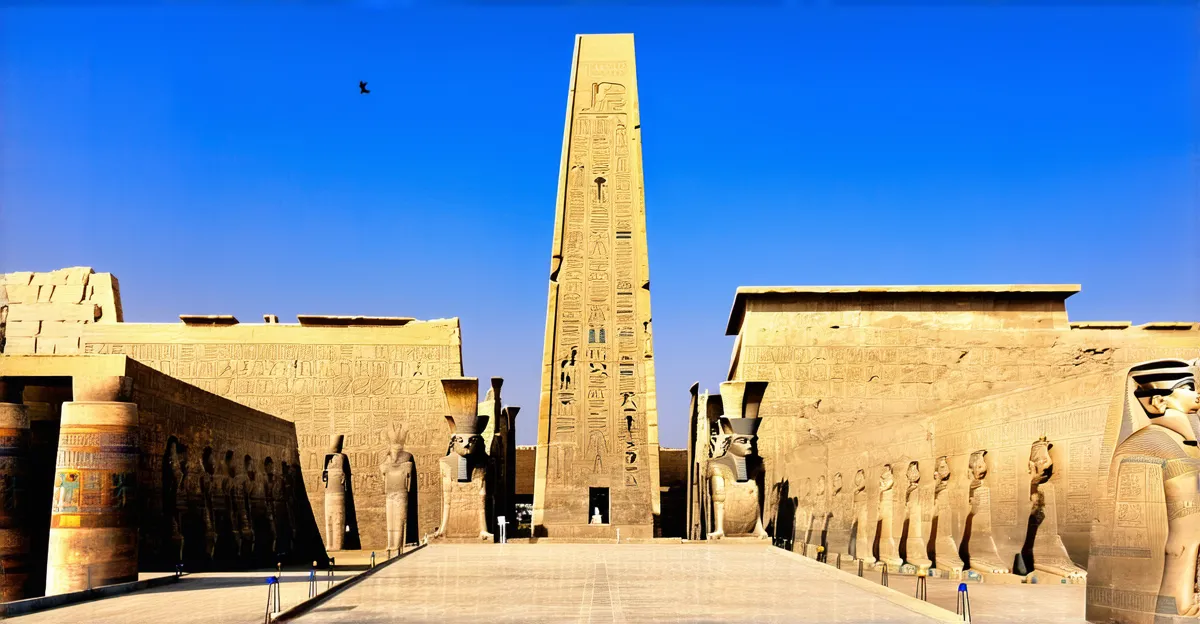
Table of Contents
Things to Do in Luxor: Your Ultimate 2026 Guide
Discover the magic of ancient Egypt in Luxor! Our comprehensive guide to Things to Do in Luxor in 2026 will lead you through the city’s most remarkable attractions, from majestic temples to hidden historical gems. Explore the best of Luxor with us!
Explore the Magnificent Karnak Temple
You can find the latest updates on Ministry of Tourism and Antiquities.
For official information, visit Luxor Governorate Official Portal.
Karnak Temple, without a doubt, stands as one of the most breathtaking ancient religious sites in the world. Located in Luxor, Egypt, this sprawling complex is not just a single temple, but rather a collection of temples, chapels, pylons, and other structures built and expanded upon over a period of 2,000 years. Exploring Karnak is like stepping back in time, offering a tangible connection to the pharaohs, gods, and rituals of ancient Egypt. Moreover, its sheer scale and intricate details make it an unforgettable experience for anyone interested in history and architecture.Unveiling the Wonders Within Karnak
As you enter Karnak, you’ll be immediately struck by the Avenue of Sphinxes, a grand path lined with ram-headed sphinxes that once connected Karnak with Luxor Temple. Progressing further, the Great Hypostyle Hall is an awe-inspiring sight, featuring 134 massive columns towering over you. These columns are adorned with detailed hieroglyphs and carvings that tell stories of pharaohs and gods. Moreover, the sheer size of this hall demonstrates the incredible engineering and artistic skills of the ancient Egyptians. Beyond the Hypostyle Hall, you can explore various temples dedicated to different deities, including Amun-Re, Mut, and Khonsu, each with its own unique architectural style and historical significance. Besides this, do not miss the sacred lake, once used for ritual purification.
Visiting Karnak Temple is a must when considering Things to Do in Luxor. Each corner of the complex reveals something new and fascinating, from colossal statues to intricate carvings. Plan to spend at least a few hours here to truly appreciate the grandeur and historical importance of the site. Additionally, consider hiring a guide to gain deeper insights into the history and significance of the various structures and decorations. Karnak Temple is a highlight among Luxor Attractions, providing a profound connection to ancient Egyptian civilization.
Pro Tip: Visit Karnak Temple early in the morning or late in the afternoon to avoid the crowds and the midday heat. The soft light during these times enhances the beauty of the temple and makes for stunning photographs.
For those interested in delving deeper into ancient Egyptian history, Karnak Temple is an essential stop. It showcases the remarkable achievements of the pharaohs and their dedication to the gods. Whether you’re an avid historian or a curious traveler, exploring Karnak Temple is an experience that will leave a lasting impression. Therefore, make sure to include it in your list of Luxor Experiences.
Ready to explore the wonders of ancient Egypt? Book your tour of Luxor’s East and West Banks today and witness the magnificence of Karnak Temple firsthand!
Visit the Valley of the Kings: Uncover Royal Tombs
The Valley of the Kings, located on the west bank of the Nile near Luxor, is an essential destination for anyone interested in ancient Egyptian history. This famous valley served as the burial ground for pharaohs and powerful nobles of the New Kingdom (16th to 11th century BC). The remote location was chosen to deter grave robbers, although, unfortunately, most tombs were looted in antiquity. Nevertheless, the artistry, hieroglyphics, and sheer scale of the remaining tombs are breathtaking. Exploring the Valley of the Kings is undoubtedly one of the top Things to Do in Luxor.
Exploring the Tombs
When visiting the Valley of the Kings, keep in mind that not all tombs are open to the public at the same time. The Egyptian government rotates access to preserve the delicate artwork inside. Typically, your ticket allows you to enter three tombs. The tomb of Tutankhamun (KV62) requires a separate ticket and is highly recommended, though the treasures found within are now housed in the Egyptian Museum in Cairo. Tombs such as those of Ramesses VI (KV9) and Seti I (KV17) are also particularly noteworthy for their stunning preservation and intricate details. Moreover, the vibrant colors and complex scenes depicted on the walls provide invaluable insights into ancient Egyptian beliefs and funerary practices. Consider a guided tour to fully appreciate the significance of each tomb; you can find options at Luxor Private Full-Day Tour.
Luxor Activities in the Valley of the Kings can be a profound experience. Remember to wear comfortable shoes, as you’ll be doing a fair amount of walking and climbing. The internal temperatures within the tombs can also be significantly higher than the outside temperature, so it’s advisable to visit early in the morning or later in the afternoon to avoid the midday heat. Also, photography is usually restricted inside the tombs to protect the paintings, so be sure to check the current regulations before your visit.
Pro Tip: Hire a local guide at the entrance for a more in-depth understanding of the history and significance of each tomb. Their expertise can greatly enrich your visit.
The Valley of the Kings not only offers a glimpse into the afterlife beliefs of ancient Egyptians but also showcases the incredible skill and artistry of the artisans who created these elaborate resting places. It remains one of the most compelling Luxor Attractions. Plan your visit to the Valley of the Kings and prepare to step back in time, exploring the final resting places of pharaohs and uncovering the mysteries of ancient Egypt. You can explore more Luxor Attractions here. Furthermore, don’t miss the opportunity to experience more Luxor Experiences on the West Bank.
Ready to explore these ancient wonders? Book your tour to the Valley of the Kings today! Discover the Royal Tombs Now.
Hot Air Balloon Ride Over Luxor: A Breathtaking Experience
Imagine floating silently above the ancient city of Luxor, as the first rays of dawn paint the sky in vibrant hues. A hot air balloon ride over Luxor is not merely an activity; it’s an unforgettable journey that offers a unique perspective on one of the world’s most historically rich landscapes. Moreover, experiencing this serene adventure provides a sense of wonder as you glide over temples, tombs, and the fertile banks of the Nile River. Therefore, it undoubtedly qualifies as one of the most breathtaking Things to Do in Luxor.
The Magic of a Sunrise Flight
The most popular time for a hot air balloon ride is at sunrise, and for good reason. As the sun ascends, it casts a golden glow over the Karnak Temple, the Valley of the Kings, and the Colossi of Memnon, creating a magical tableau. Moreover, the cool morning air offers ideal conditions for a smooth and peaceful flight, allowing you to appreciate the grandeur of these ancient monuments from a bird’s-eye view. Furthermore, this is a fantastic way to witness the awakening of Luxor, as the city gradually comes to life beneath you. Don’t miss this chance to see Luxor’s attractions from above.
Pro Tip: Book your hot air balloon ride in advance, especially during peak tourist season, to secure your spot and often get better rates. Also, confirm the safety record of the tour operator.
Safety is paramount, and reputable tour operators ensure that all flights are conducted by experienced pilots and adhere to strict safety standards. Before takeoff, a comprehensive briefing is provided, outlining the flight path and safety procedures. Besides, modern balloons are equipped with advanced navigation and safety equipment, making the experience both secure and enjoyable. For instance, consider a sunrise hot air balloon ride with transfer for a seamless experience.
A hot air balloon ride in Luxor offers a perspective that ground-level tours simply cannot match. Witnessing the vastness of the ancient sites and the sprawling landscape from above adds an extra layer of appreciation for the ingenuity and scale of the ancient Egyptians. In addition to the visual spectacle, the tranquility of floating above the world creates a serene and reflective atmosphere. As you make your plans, remember to explore Luxor Experiences for a well-rounded trip.
Ready for an unforgettable experience? Book your hot air balloon ride over Luxor today and witness the magic for yourself!
Nile River Cruise: Sail Through Ancient History
🎯 Insider Tip: Discover the best Luxor experiences with Viator Tours!
Embarking on a Nile River cruise is arguably one of the most immersive ways to experience the ancient history and captivating beauty of Luxor. As you gently glide along the lifeblood of Egypt, you’ll witness stunning landscapes, iconic temples, and traditional Egyptian life unfolding along the riverbanks. Furthermore, a Nile cruise offers a unique vantage point, providing both relaxation and unparalleled access to numerous historical sites. For those seeking unforgettable Luxor Experiences, this is an absolute must.
What to Expect on a Nile Cruise
Typically, a Nile cruise itinerary includes stops at some of Egypt’s most significant archaeological sites. Karnak Temple and Luxor Temple are often highlights, allowing you to explore these magnificent structures with ease. Additionally, cruises frequently visit the Valley of the Kings, where you can delve into the mysteries of ancient pharaohs’ tombs. Moreover, many cruises offer guided tours, providing valuable insights into the history and significance of each site. Evening entertainment, delicious meals, and comfortable accommodations round out the experience, ensuring a memorable journey. To discover more about available options, explore guided tours of Luxor’s East and West Banks.
Moreover, the leisurely pace of a Nile cruise allows you to fully absorb the surroundings. Sunsets over the Nile are particularly magical, painting the sky with vibrant colors as you relax on deck. You’ll also have ample opportunities to observe local fishermen, farmers, and villages, offering a glimpse into contemporary Egyptian culture. Consequently, a Nile cruise is not just a historical tour; it’s a cultural immersion that connects you with the heart of Egypt.
Pro Tip: Choose a cruise that includes a visit to the Temple of Horus at Edfu and the Temple of Kom Ombo for a more comprehensive experience of ancient Egyptian religious architecture.
Considering the diverse range of Things to Do in Luxor, a Nile cruise seamlessly blends historical exploration with relaxation. It’s an ideal option for travelers who want to see the major sights without the hassle of constant travel arrangements. The gentle rhythm of the river creates a serene atmosphere, making your journey as enjoyable as it is enlightening. Also, for additional exploration of the region, consider a day trip from Aswan to Edfu and Kom Ombo with Luxor transfer. Don’t forget to explore more Luxor Attractions.
Ready to set sail? Discover amazing Nile River cruises in Luxor and book your unforgettable journey today!
Luxor Museum: Relics and Artifacts of Thebes
The Luxor Museum is a treasure trove of ancient Egyptian art and artifacts, offering a captivating journey through the history of Thebes, the ancient name for Luxor. Unlike the sprawling Karnak Temple or the vast Valley of the Kings, the Luxor Museum provides an intimate and curated experience, allowing visitors to appreciate the exquisite craftsmanship and historical significance of each piece. The museum houses a remarkable collection that showcases the artistic achievements and religious beliefs of the pharaohs and their people. Therefore, exploring this museum is essential for understanding the broader context of Luxor’s historical landscape. Furthermore, it is conveniently located in the heart of Luxor, making it easily accessible for tourists.
Highlights of the Luxor Museum Collection
Among the museum’s prized possessions are statues, sarcophagi, jewelry, and other funerary objects unearthed from the tombs and temples of the region. One of the most significant exhibits is the collection of statues discovered in the cache at the Luxor Temple, including the stunning statues of Amenhotep III. These sculptures, remarkably preserved, offer a glimpse into the artistic style of the period and the grandeur of the pharaoh’s reign. Moreover, the museum’s displays include artifacts from the tomb of Tutankhamun, providing additional context to the treasures found in the Valley of the Kings. For those interested in exploring related sites, you can discover more Luxor attractions here.
Pro Tip: Visit the Luxor Museum in the late afternoon to avoid the midday heat and crowds. The museum is well-air-conditioned, providing a comfortable escape from the Egyptian sun.
The Luxor Museum not only displays artifacts but also provides valuable insights into the lives and beliefs of the ancient Egyptians. Detailed descriptions and informative displays accompany the exhibits, enhancing the visitor’s understanding of the historical context. In addition, the museum’s layout is designed to guide visitors through different periods of Egyptian history, offering a chronological perspective on the evolution of art and culture in Thebes. Consequently, spending a few hours in the Luxor Museum is a rewarding experience for anyone interested in ancient Egypt.
For those seeking Things to Do in Luxor, a visit to the Luxor Museum should be high on the list. It complements other Luxor Activities and offers a deeper appreciation of the region’s rich heritage. Whether you’re interested in art, history, or culture, the Luxor Museum provides a fascinating glimpse into the world of ancient Egypt. To enhance your Luxor experience, consider exploring a guided tour: Book your guided tour here.
Luxor Temple: Evening Illuminations
Visiting Luxor Temple during the day is an awe-inspiring experience, however, witnessing it illuminated at night offers an entirely different perspective. The strategic lighting casts ethereal shadows on the colossal statues, towering columns, and intricate hieroglyphs, creating a dramatic atmosphere. Exploring the temple under the stars transforms it into a magical realm, offering a serene and captivating glimpse into ancient Egyptian history. Moreover, the cooler evening temperatures make it a particularly pleasant experience, especially during the hotter months. As you wander through this ancient sanctuary, the illuminated carvings seem to come alive, whispering tales of pharaohs and gods.
The Magic of Nighttime Exploration
The evening illuminations at Luxor Temple enhance the already impressive architecture, emphasizing the meticulous details crafted by ancient artisans. Things to Do in Luxor often include daytime visits to historical sites, but the nighttime tour is a distinct experience. During the evening, the crowds tend to be smaller, allowing for a more intimate exploration. Furthermore, the play of light and shadow brings out nuances that are easily missed during the bright daylight. It’s an ideal opportunity for photographers and history enthusiasts alike to capture the essence of this magnificent structure in a unique way. Consider this as one of your essential Luxor Experiences.
Pro Tip: Check the local event calendar for special nighttime performances or guided tours that can enrich your experience. Many tours offer insightful commentary that delves into the temple’s history and significance.
Many visitors find that the evening visit provides a deeper connection to the past. The soft glow highlights the hieroglyphs that narrate historical and religious stories, enriching your understanding of ancient Egyptian culture. Additionally, the tranquil ambiance allows for quiet contemplation, fostering a sense of reverence for this historical treasure. For those seeking Luxor Activities that combine beauty and history, the illuminated Luxor Temple is unmatched.
To make the most of your visit, consider booking a guided tour that specializes in the nighttime experience. These tours often provide exclusive insights and access to areas that may not be available to the general public. Also, remember to wear comfortable shoes, as you’ll be walking on ancient stones. Enjoy a detailed exploration of the West and East Banks with a private full-day tour.
For more information on planning your visit and other Luxor Attractions, you can explore more Luxor attractions here. And if you are interested in witnessing a truly unforgettable sight, book your evening tour of Luxor Temple now.
Colossi of Memnon: Ancient Giants
🌟 Local Expert Tip: Get the most out of your Luxor visit with guided tours!
The Colossi of Memnon are two massive stone statues of Pharaoh Amenhotep III, standing tall on the West Bank of Luxor. These imposing figures, which once guarded the entrance to Amenhotep III’s mortuary temple, offer a glimpse into the grandeur of ancient Egypt. Visiting these statues is a must for anyone interested in Luxor Attractions and the rich history of the region. Despite the passage of millennia, they continue to impress visitors with their sheer size and historical significance. Indeed, seeing these ancient giants is one of the top Things to Do in Luxor.
A Journey Through Time and History
Originally, each colossus stood at an impressive 18 meters (60 feet) high, carved from single blocks of quartzite sandstone. Over time, natural disasters and human actions have taken their toll, yet the statues still convey a sense of awe. Furthermore, the weathering has created unique features, adding to their mystique. Exploring the Colossi allows you to connect with the artistic and architectural prowess of the ancient Egyptians. Besides their visual appeal, the statues are steeped in legends and stories, making them an intriguing site to explore. As you stand before these ancient giants, you are stepping back in time to an era of pharaohs and gods.
Pro Tip: Visit the Colossi of Memnon early in the morning to avoid the crowds and the heat. The soft morning light offers the best conditions for photography and a more intimate experience.
These statues are not only historical monuments but also integral to understanding the cultural significance of Luxor. The Colossi provide valuable insights into the religious beliefs and artistic achievements of ancient Egypt. In fact, many visitors use the Colossi as a starting point to delve deeper into the mysteries of the West Bank. Additionally, they are conveniently located near other famous sites such as the Valley of the Kings and Hatshepsut’s Temple, making it easy to combine multiple destinations in one visit. Therefore, they serve as both a destination and a gateway to the wider historical landscape.
For those planning their trip, remember that experiencing these ancient giants is one of the most rewarding Luxor Experiences. Whether you are interested in history, archaeology, or simply want to witness the magnificence of ancient Egyptian art, the Colossi of Memnon will leave a lasting impression. Similarly, for a comprehensive tour of Luxor’s West and East Banks, consider joining a guided tour. For example, check out this shared full-day tour on GetYourGuide.
Medinet Habu: Ramesses III’s Mortuary Temple
Exploring Luxor offers a journey back in time, and among the most impressive Luxor Attractions is Medinet Habu, the mortuary temple of Ramesses III. Located on the West Bank of Luxor, this temple is remarkably well-preserved and offers a fascinating insight into the life and reign of one of Egypt’s last great pharaohs. Moreover, its stunning architecture, intricate carvings, and vibrant colors make it a must-see destination for any visitor interested in ancient Egyptian history and art. As you wander through its towering walls and grand courtyards, you’ll be transported to a world of gods, pharaohs, and elaborate rituals.
The History and Significance
Built during the 20th Dynasty, Medinet Habu served not only as a temple dedicated to various gods but also as a complex that included administrative buildings, palaces, and living quarters for priests and officials. Consequently, it functioned as a self-sufficient city within a city. The temple’s walls are adorned with detailed reliefs depicting Ramesses III’s military campaigns, religious ceremonies, and daily life, providing invaluable historical information. Besides, the sheer scale and artistic quality of these carvings are truly awe-inspiring, demonstrating the wealth and power of the pharaoh.
The temple complex comprises several significant structures, including the high-gated entrance, the royal palace, and various chapels dedicated to different deities. Therefore, each section offers a unique perspective on ancient Egyptian beliefs and practices. The first pylon, for instance, features colossal images of Ramesses III smiting his enemies, symbolizing his role as protector of Egypt. In addition, the inner sanctums contain beautifully preserved frescoes, showcasing the vibrant colors and artistic styles of the period.
Visiting Medinet Habu provides a deeper understanding of the Things to Do in Luxor, as it showcases the comprehensive nature of ancient Egyptian temple complexes. Unlike some other sites that focus solely on religious aspects, Medinet Habu illustrates the integration of political, economic, and social functions within a sacred space. It stands as a testament to the ingenuity and sophistication of ancient Egyptian civilization, making it an essential stop on any Luxor itinerary. For those interested in delving further into Luxor’s rich history, there are numerous Explore More Luxor Activities available.
To fully appreciate the grandeur of Medinet Habu, consider joining a guided tour that can provide context and details often missed by independent travelers. In summary, explore Luxor’s West Bank attractions with a guided tour and uncover the secrets of this magnificent mortuary temple and other remarkable Luxor Experiences.
Ready to explore the best Things to Do in Luxor? Embark on your Egyptian adventure today and create memories that will last a lifetime!
Frequently Asked Questions
A: Luxor offers a plethora of activities, including exploring ancient temples like Karnak and Luxor Temple, visiting the Valley of the Kings, taking a hot air balloon ride over the West Bank, and cruising along the Nile River.
A: The best time to visit Luxor is during the cooler months, from October to April. The weather is more pleasant for exploring outdoor attractions and historical sites.
A: Yes, many tours offer visits to both the East and West Banks of Luxor, providing a comprehensive overview of the city’s historical and cultural attractions.
A: While modest attire is appreciated when visiting religious sites, comfortable clothing and shoes are recommended for exploring the temples and tombs.
A: Booking tours and activities in advance, especially during peak season, is highly recommended to ensure availability and secure the best prices. Also, confirm what’s included in your booking.