
Things to Do in Siem Reap: 2026 Guide
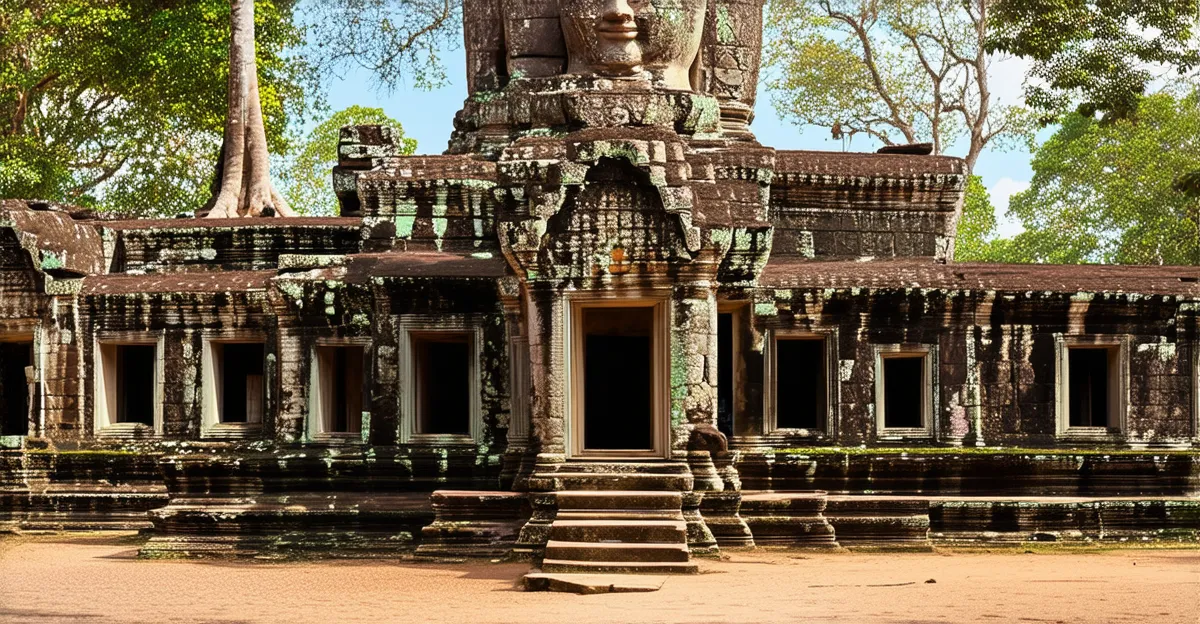
Table of Contents
Things to Do in Siem Reap: Your 2026 Adventure Guide
Looking for the best Things to Do in Siem Reap in 2026? This vibrant Cambodian city offers a captivating blend of ancient wonders, cultural experiences, and modern attractions. From exploring the majestic temples of Angkor to indulging in delicious cuisine and discovering hidden gems, Siem Reap has something for every traveler. Let’s dive into the must-do activities that will make your trip unforgettable.
Explore the Magnificent Angkor Wat at Sunrise
To plan your trip, review Siem Reap–Angkor International Airport.
For current hours, prices, and announcements, start with Angkor Enterprise.
Witnessing the sunrise at Angkor Wat is often cited as a quintessential Siem Reap experience. The sheer scale and intricate details of this ancient temple complex are amplified when bathed in the soft, golden light of dawn. As the sky transforms from a dark indigo to vibrant hues of orange and pink, the silhouette of Angkor Wat is reflected in the surrounding pools, creating a breathtaking and unforgettable panorama. Therefore, setting your alarm and making the early morning trek is well worth the reward. Furthermore, you’ll be able to appreciate the site with fewer crowds, enhancing the sense of awe and tranquility.Planning Your Sunrise Visit
To make the most of your Angkor Wat sunrise experience, careful planning is essential. First, purchase your Angkor Pass the day before to avoid queues in the morning. Next, arrange transportation; a tuk-tuk or taxi is ideal for the early journey. Arrive at Angkor Wat around 5:00 AM to secure a good viewing spot near the reflecting pools. Additionally, consider bringing a flashlight to navigate the dimly lit areas before sunrise. Remember to dress respectfully, covering your shoulders and knees. For a hassle-free experience, you might consider booking an Angkor Wat Small Group Sunrise Tour.
The best time to visit for sunrise is during the dry season (November to April), when clear skies are more frequent. However, regardless of the time of year, the experience is magical. After witnessing the sunrise, take some time to explore the interior of Angkor Wat. The bas-reliefs, depicting scenes from Hindu mythology and Khmer history, are incredibly detailed and offer a fascinating glimpse into the past. Don’t miss the upper levels of the temple, which provide panoramic views of the surrounding landscape. Exploring Things to Do in Siem Reap often starts right here.
Pro Tip: Check the sunrise forecast the day before your visit. Even on cloudy days, the experience can be beautiful, as the clouds often create dramatic and colorful effects.
Exploring Angkor Wat at sunrise is more than just ticking off a bucket-list item; it’s an opportunity to connect with history, culture, and the natural beauty of Cambodia. As you plan your itinerary, make sure this is at the top of your list of Siem Reap Activities. To make your travel planning easier, see more information on Siem Reap Attractions. This unforgettable experience offers a unique perspective on one of the world’s most iconic landmarks. If you’re looking for convenient transport to and from the airport, check out this Siem Reap Airport Shuttle Bus Service.
Discover the Ancient City of Angkor Thom
Angkor Thom, meaning “Great City,” was the last and most enduring capital city of the Khmer Empire. Established in the late 12th century by King Jayavarman VII, it stands as a remarkable testament to the Khmer civilization’s architectural prowess and artistic grandeur. Enclosed by impressive walls and moats, Angkor Thom houses some of the most iconic temples and structures, offering visitors a deep dive into Cambodia’s rich history. Moreover, exploring Angkor Thom is an essential part of understanding the broader Angkor Archaeological Park and its cultural significance. Therefore, a visit here offers a chance to step back in time and experience the splendor of a bygone era.
Key Attractions Within Angkor Thom
Within the walls of Angkor Thom, several key attractions beckon. The Bayon Temple, famous for its massive stone faces gazing in all directions, is located at the city’s center. Each face exudes serenity and power, creating a mesmerizing experience for visitors. Nearby, the Baphuon Temple, a massive mountain-temple, showcases intricate carvings and offers panoramic views of the surrounding area after a steep climb. Additionally, the Elephant Terrace and the Terrace of the Leper King, used for royal ceremonies and public events, display elaborate bas-reliefs depicting scenes from Khmer mythology and daily life. These sites collectively highlight the diverse artistic and architectural achievements within Angkor Thom, making it a treasure trove of Things to Do in Siem Reap.
Pro Tip: Hire a local guide to navigate Angkor Thom and learn about the historical context and symbolism behind each structure. Their insights will enrich your understanding and appreciation of this ancient city.
Exploring Angkor Thom also offers opportunities to appreciate the natural beauty that complements its historical sites. The city’s walls and moats create a serene environment, while the surrounding jungle adds an air of mystery. Furthermore, the South Gate of Angkor Thom, with its impressive statues of gods and demons, provides a dramatic entrance to the city, setting the stage for your exploration. Considering the scale and complexity of Angkor Thom, it’s advisable to allocate at least a full day to fully appreciate its wonders. As you wander through its ancient streets and temples, you’ll gain a profound understanding of the Khmer Empire’s legacy. For those planning their journey, it’s worth exploring various Siem Reap Activities to make the most of their visit. You can also discover more about Siem Reap Attractions to plan your visit efficiently.
To further enhance your exploration of this ancient city, consider booking a guided tour. Explore Angkor Wat and other temples with a guided tour.
Wander Through the Mystical Ta Prohm Temple
Ta Prohm, often referred to as the “Jungle Temple,” stands as one of the most captivating Siem Reap Attractions. Unlike other meticulously restored temples in the Angkor region, Ta Prohm has been left largely untouched, allowing the jungle to reclaim its space among the ancient stones. As you explore, you’ll be mesmerized by the colossal trees, their roots entwined with the temple’s architecture, creating a surreal and unforgettable landscape. This temple offers a unique glimpse into the power of nature and the passage of time.
Unveiling the Temple’s History and Mystique
Originally built in the late 12th and early 13th centuries by King Jayavarman VII as a Buddhist monastery and university, Ta Prohm once housed thousands of residents, including monks, dancers, and laborers. Over the centuries, the temple was abandoned, and the jungle slowly enveloped it. Today, this integration of nature and architecture is precisely what makes Ta Prohm so alluring. As you wander through its corridors and courtyards, you’ll encounter ancient inscriptions and intricate carvings, offering glimpses into the temple’s rich history. Moreover, the interplay of light and shadow enhances the mystical atmosphere, creating a truly enchanting experience. It’s definitely one of the top Things to Do in Siem Reap.
Pro Tip: Visit Ta Prohm early in the morning or late in the afternoon to avoid the crowds and fully immerse yourself in its serene atmosphere. The soft light during these hours enhances the temple’s mystical aura.
Exploring Ta Prohm is akin to stepping into a movie set, and indeed, the temple served as a filming location for the movie “Tomb Raider.” Walking through its crumbling walls, you’ll see how the giant tree roots embrace the stone structures, both supporting and destroying them simultaneously. Furthermore, the temple’s labyrinthine layout encourages exploration, with hidden chambers and courtyards waiting to be discovered. Besides, the experience vividly illustrates the impermanence of human endeavors and the relentless power of nature. Many consider this one of the most amazing Siem Reap Experiences.
While in Siem Reap, don’t miss the opportunity to delve into the mystical world of Ta Prohm. Furthermore, remember to wear comfortable shoes, bring water, and allow ample time to fully appreciate this incredible site. For those seeking a deeper understanding of the Angkor region, exploring Ta Prohm is an essential part of the journey. Check out this 2-day guided tour of Angkor Wat, which might include a visit to Ta Prohm. If you’re interested in more ideas, explore more Siem Reap Activities.
Experience a Traditional Apsara Dance Performance
🌟 Local Expert Tip: Get the most out of your Siem Reap visit with guided tours!
Immerse yourself in the rich cultural heritage of Cambodia by experiencing a traditional Apsara dance performance. This mesmerizing art form, dating back to the Angkorian era, is a cornerstone of Cambodian culture. Witnessing an Apsara dance is more than just entertainment; it’s a journey into the heart of Khmer history and mythology. The graceful movements, elaborate costumes, and enchanting music combine to create an unforgettable spectacle. So, if you’re looking for unique Things to Do in Siem Reap, make sure Apsara dance is on your list!
What to Expect
Apsara dances typically depict scenes from Khmer legends, epics, and folklore. The dancers, adorned in vibrant silk costumes and intricate headdresses, tell stories through their stylized gestures and poses. Each movement, from the delicate placement of the fingers to the subtle sway of the body, carries a specific meaning. The accompanying music, played on traditional instruments, further enhances the emotional impact of the performance. Furthermore, many performances are accompanied by a delicious dinner, offering a complete sensory experience. Experiencing an Apsara dance is truly one of the best Siem Reap Experiences you can have.
Pro Tip: Book your Apsara dance performance in advance, especially during peak tourist season, to ensure you get a good seat and avoid disappointment.
Several venues in Siem Reap offer Apsara dance performances, ranging from intimate settings to grand theaters. Some of the more popular options include dinner shows that combine a buffet of Cambodian cuisine with a captivating dance performance. Whether you choose a lavish dinner show or a more modest performance, the beauty and artistry of the Apsara dance are sure to leave you spellbound. Moreover, experiencing this art form firsthand provides valuable insight into the cultural significance of Siem Reap Attractions.
In addition to the visual spectacle, attending an Apsara dance performance supports the preservation of Cambodian cultural traditions. By witnessing and appreciating this art form, you contribute to its continued practice and transmission to future generations. It is an enriching experience that allows you to connect with the local culture on a deeper level. So, while exploring Siem Reap Activities, take the opportunity to delve into this aspect of Cambodian heritage.
To complete your cultural immersion, consider exploring other facets of Cambodian art and history. You can Explore More Siem Reap Activities and learn more about the local traditions. Book your Apsara Dance and Dinner show here and prepare to be amazed by the beauty and grace of this ancient art form.
Take a Cambodian Cooking Class
Immerse yourself in the rich culinary heritage of Cambodia by taking a hands-on Cambodian Cooking Class. This is a fantastic opportunity to learn about local ingredients, traditional cooking techniques, and the vibrant flavors that define Cambodian cuisine. Furthermore, it’s a great way to experience the culture beyond the temples. Whether you’re a seasoned chef or a novice cook, you’ll find these classes engaging and rewarding. These culinary experiences often start with a visit to local markets, where you’ll select fresh produce and spices, setting the stage for an authentic cooking journey. Indeed, it’s one of the most enriching Things to Do in Siem Reap.
What to Expect in a Cooking Class
Typically, a Cambodian cooking class begins with an introduction to the essential ingredients used in local dishes. You’ll learn about various herbs, spices, sauces, and vegetables that contribute to the unique taste profiles. Subsequently, the instructor will guide you through the preparation of several classic Cambodian dishes, such as Fish Amok, Lok Lak, and Khmer Curry. Moreover, these classes often provide insights into the cultural significance of each dish, giving you a deeper understanding of Cambodian traditions. As you cook, you’ll learn about the importance of balancing flavors and textures to create harmonious and delicious meals. Additionally, most classes conclude with a delightful feast where you get to enjoy the fruits of your labor. To enhance your cultural journey, check out these Siem Reap Activities.
Pro Tip: Don’t be afraid to ask questions and experiment with flavors. Cambodian cuisine is all about balance, so understanding how to adjust the seasoning to your liking is key!
Participating in a cooking class not only teaches you new culinary skills but also provides a memorable cultural exchange. You’ll connect with local chefs and fellow food enthusiasts, sharing stories and experiences that enrich your travel memories. Besides, it’s an excellent way to support local businesses and contribute to the community. For those keen on exploring the outdoors, consider browsing Siem Reap Outdoor Activities to add adventure to your trip.
In addition to the cooking itself, many classes offer supplementary experiences, such as learning how to make traditional desserts or crafting intricate fruit carvings. You might also receive a recipe book to take home, allowing you to recreate your favorite Cambodian dishes for friends and family. As well as expanding your culinary skills, you’ll gain a deeper appreciation for the art and passion that goes into Cambodian cooking. Therefore, it is certainly among the top Siem Reap Experiences.
Ready to unlock the secrets of Cambodian cuisine? Book your Cambodian cooking class today and embark on a flavorful journey!
Visit the Floating Village of Kampong Phluk
Visiting Kampong Phluk offers a unique glimpse into Cambodian life, far removed from the ancient temples that usually dominate tourist itineraries. This floating village, located on the Tonle Sap Lake, showcases the resourcefulness and adaptability of the local communities. Houses are built on stilts, some reaching impressive heights, to accommodate the lake’s fluctuating water levels. Exploring Kampong Phluk provides an opportunity to witness everyday life unfold on the water, with residents navigating canals in boats, children attending floating schools, and fishermen casting their nets. It’s an experience that deeply connects you with the rhythms of nature and the resilience of the Cambodian people.
Exploring the Village
The best way to experience Kampong Phluk is by boat. Guided tours take you through the heart of the village, navigating narrow waterways lined with stilted homes, pagodas, and local businesses. As you glide along, you’ll see how the villagers have ingeniously adapted their lives to the lake. Moreover, depending on the time of year, the water levels vary dramatically, which means the landscape can look completely different between the wet and dry seasons. During the rainy season, the houses appear to float serenely on the water, while in the dry season, the stilts are fully exposed, revealing the village’s architectural foundations. As a result, this seasonal transformation offers two distinct experiences of Kampong Phluk. For those interested, you can book a boat tour of Kampong Phluk here.
Pro Tip: Visit during the late afternoon to witness a stunning sunset over the Tonle Sap Lake, casting a golden glow over the floating village. This creates a magical atmosphere and unforgettable photo opportunities.
Additionally, consider the timing of your visit; the dry season (November to May) offers a clearer view of the village’s structure, while the wet season (June to October) showcases the full extent of the floating phenomenon. Regardless of when you go, remember to respect the local culture and environment. Engage with the community respectfully, purchase local handicrafts, and support sustainable tourism practices. In addition to the cultural insights, Kampong Phluk offers a chance to appreciate the natural beauty of the Tonle Sap Lake, Southeast Asia’s largest freshwater lake. This ecosystem is vital to Cambodia, providing sustenance and livelihood for millions of people. To further explore this region, consider these Siem Reap Experiences.
For those seeking a more in-depth experience, consider a guided tour that includes a visit to a local family or a traditional meal in the village. These interactions provide deeper insights into the daily lives and customs of the residents. Not only will you gain a better understanding of the challenges and opportunities of living on the lake, but you’ll also contribute directly to the local economy. Don’t miss out on this unique and enriching experience during your visit to Siem Reap. To discover more Things to Do in Siem Reap, explore local tour options and plan your adventure today. You can also check out GetYourGuide’s tour options to Kampong Phluk.
Shop for Souvenirs at the Angkor Night Market
The Angkor Night Market is a vibrant and bustling hub of activity, providing an excellent opportunity to immerse yourself in the local culture and find unique souvenirs to remember your trip to Siem Reap. Open daily from late afternoon until midnight, the market offers a wide array of goods, from traditional handicrafts and clothing to artwork and delicious street food. As you explore the labyrinthine alleys, you’ll encounter friendly vendors eager to showcase their products and share their stories. Moreover, the lively atmosphere, with its colorful lights and enticing aromas, makes it an essential stop on any Siem Reap itinerary.
What to Buy at the Angkor Night Market
When browsing the market, consider purchasing locally made silk scarves, hand-carved wooden sculptures, and intricate silver jewelry. These items not only serve as beautiful reminders of your visit but also support local artisans and their communities. Additionally, you can find unique clothing items featuring traditional Khmer designs, perfect for adding an exotic touch to your wardrobe. Furthermore, the market offers a variety of spices, teas, and snacks that capture the flavors of Cambodia, allowing you to bring a taste of Siem Reap back home. Don’t forget to haggle respectfully to get the best prices and enjoy the experience of bargaining in a traditional market setting. For more ideas on Siem Reap Activities, check out our guide.
In addition to shopping, the Angkor Night Market is a great place to sample local street food. From savory noodles and grilled meats to sweet treats and refreshing fruit shakes, there’s something to satisfy every palate. As you wander through the market, you’ll encounter numerous food stalls offering a tempting array of Cambodian delicacies. Furthermore, dining at the market is an affordable and authentic way to experience the local cuisine and immerse yourself in the vibrant atmosphere. Be sure to try some of the regional specialties for a truly memorable culinary adventure.
Pro Tip: Visit the market in the early evening to avoid the biggest crowds and enjoy a more relaxed shopping experience. Also, be sure to bring small bills for easier transactions.
The Angkor Night Market not only offers a wide range of products but also provides a glimpse into the local culture. You can witness traditional dance performances, listen to live music, and interact with local artisans as they create their crafts. Moreover, the market is a social hub where locals and tourists alike come together to enjoy the lively atmosphere and share experiences. As a result, visiting the market is a rewarding way to connect with the community and gain a deeper understanding of Cambodian culture.
Explore the vibrant Angkor Night Market and discover unique treasures! Find your way from the airport with this convenient airport shuttle.
Get a Blessing from a Buddhist Monk
Experiencing a blessing from a Buddhist monk is a deeply spiritual and culturally significant activity in Siem Reap. This practice is not merely a tourist attraction; it’s a genuine interaction with local religious traditions. For those seeking authentic Siem Reap Experiences, a monk’s blessing offers a moment of peace, reflection, and connection with Cambodian culture. It’s a chance to receive well wishes and positive energy, making it a memorable and enriching part of your journey. Furthermore, participating respectfully in this tradition can provide a deeper understanding of the values and beliefs that shape Cambodian society.
How to Participate Respectfully
To properly receive a blessing, it’s essential to show respect and understanding. Typically, you would visit a local pagoda (temple) and approach a monk with a small donation, such as food, flowers, or money. Dress modestly, covering your shoulders and knees. Sit or kneel respectfully before the monk, and listen attentively as they chant prayers and sprinkle you with holy water. The monk may also tie a sacred thread around your wrist, symbolizing protection and good fortune. Remember to maintain a quiet and respectful demeanor throughout the ceremony. Moreover, understanding these customs ensures a meaningful and respectful exchange.
Pro Tip: Ask your local guide to help arrange a visit to a pagoda and to explain the proper etiquette for receiving a blessing. This can enhance your understanding and ensure a respectful interaction.
Many pagodas in and around Siem Reap offer blessings to visitors. Some popular temples include Wat Preah Prom Rath and Wat Bo. These temples provide serene environments where you can observe daily rituals and interact with monks. Engaging in this activity allows you to witness firsthand the devotion and spiritual practices of the local community. Additionally, it’s a great opportunity to learn about Buddhist teachings and Cambodian religious history. Getting to these temples is easy with options for airport transportation if you are arriving directly.
Beyond the personal blessings, visiting these temples contributes to the local economy and supports the preservation of cultural heritage. By respectfully participating in these traditions, tourists play a positive role in maintaining the vibrancy of Siem Reap’s cultural landscape. Embrace the opportunity to connect with the spiritual side of Cambodia and create a lasting memory. After experiencing this profound moment, consider exploring other Things to Do in Siem Reap, such as visiting the top Siem Reap attractions.
For an even more immersive cultural experience, consider booking a tour that includes a temple visit and blessing. You can explore a guided city tour to discover hidden gems and experience local traditions firsthand.
With so many incredible things to do in Siem Reap, your 2026 adventure awaits! Start planning your unforgettable journey today and discover the magic of Cambodia.
Frequently Asked Questions
A: Angkor Wat is open year-round, but the best time to visit is during the dry season (November to April) for cooler temperatures and less rain. Sunrise at Angkor Wat is a must-see, but be prepared for crowds.
A: Besides Angkor Wat, don’t miss Angkor Thom (including the Bayon and Srei temples), Ta Prohm (the ‘Tomb Raider’ temple), and Banteay Srei. Consider a visit to the floating village of Kampong Phluk on Tonle Sap Lake for a unique cultural experience.
A: Consider a sunrise hot air balloon ride over Angkor Wat, a traditional Apsara dance performance, a Cambodian cooking class, or a visit to the Phare, the Cambodian Circus. A countryside bike tour offers a glimpse into local life.
A: To make the most of your time and avoid the crowds, hire a tuk-tuk or a private car with a driver. Purchase an Angkor Pass in advance, and consider visiting the temples early in the morning or late in the afternoon. Respectful attire (shoulders and knees covered) is required when visiting religious sites.
A: The Angkor Pass grants access to the Angkor Archaeological Park, including Angkor Wat. Passes are available for 1, 3, or 7 days. You can purchase them online or at the official ticket center near the park entrance.