
Respectfully Visiting Orthodox Churches in Belgrade
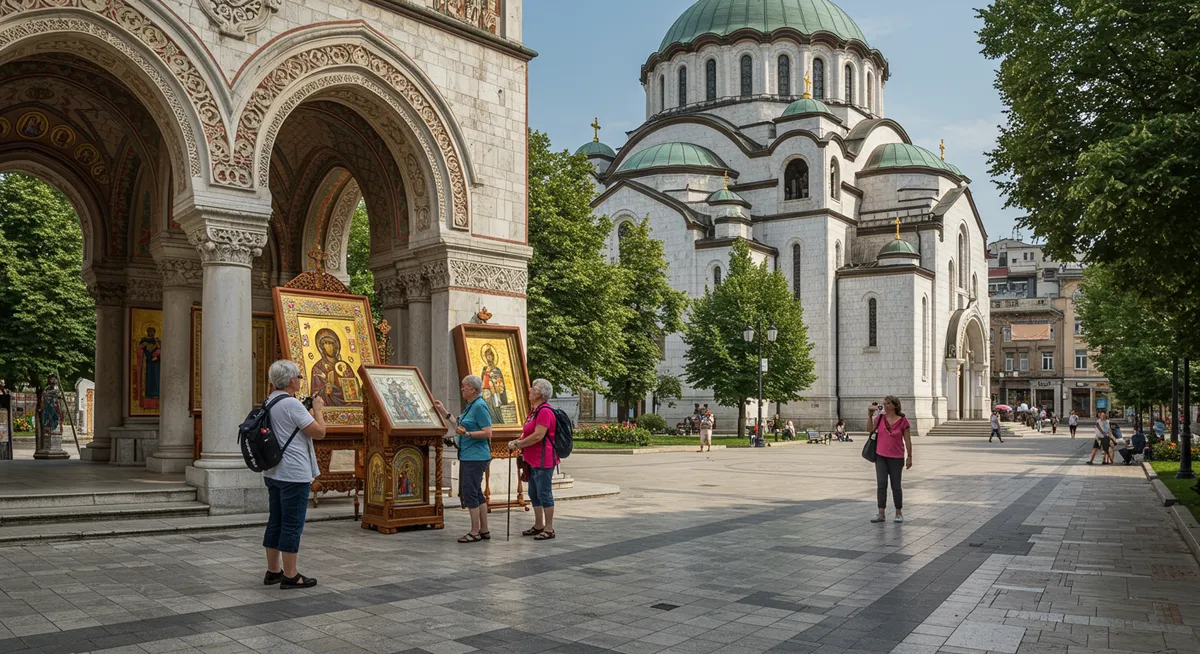
Table of Contents
Respectfully Visiting Orthodox Churches in Belgrade
Belgrade is a city rich in history and vibrant culture, and its Orthodox churches stand as testaments to centuries of deep spiritual devotion. As someone who’s spent considerable time exploring Belgrade’s spiritual heart, I can tell you that visiting these sacred spaces offers a profound glimpse into Serbian heritage. However, to ensure a truly meaningful experience—both for you and the worshippers—it’s essential to understand and follow local customs. Embracing these guidelines shows respect for their faith and traditions. This guide will provide key tips for respectfully visiting Orthodox churches in Belgrade, helping you navigate these beautiful sites with confidence and appreciation. For a broader look at what the city offers, check out more Belgrade experiences.
Dressing the Part: What to Wear
For practical details and last-minute changes, use Belgrade Nikola Tesla Airport.
You can find the latest updates on National Tourism Organisation of Serbia.
When planning your visit to an Orthodox church in Belgrade, your attire is the first sign of respect. Modesty is key for both men and women. For women, this typically means covering your shoulders and knees. While headscarves aren’t strictly mandatory for female visitors, it’s a thoughtful gesture often appreciated, especially during services or in particularly conservative churches. Men should also avoid shorts and sleeveless shirts. My personal tip is to always carry a light scarf or shawl in your bag – it’s perfect for covering up if you decide to pop into a church spontaneously. Remember, these aren’t just historical sites; they are active places of worship, making proper dress part of the best cultural activities for first-timers. Embracing local customs like this truly showcases traditional Serbian hospitality from your side. It’s one of the most important things to do in Belgrade thoughtfully.Inside the Sanctuary: Conduct and Reverence
Once inside, maintaining a quiet, reverent demeanor is paramount when respectfully visiting Orthodox churches in Belgrade. Avoid loud conversations and switch your phone to silent. Observe what locals do: many will cross themselves (right to left, unlike Catholics), light candles for health or remembrance, and venerate icons by kissing them. While you don’t need to emulate these actions, witnessing them provides insight into profound spiritual devotion. It’s genuinely moving to observe the deep faith here. Remember, historical sites like these churches are living spiritual spaces, much like learning about Serbian history at its museums or exploring hidden historical sites in Belgrade. Be mindful of ongoing services and keep a respectful distance, allowing worshippers their space. This mindful approach elevates your visit to Belgrade’s attractions.
Photography, Offerings, and Active Participation
When it comes to photography, always ask or look for clear signs. Many Orthodox churches permit photography without flash for non-commercial use, but some may prohibit it entirely, especially during services. Err on the side of caution and always be discreet. If you wish to make an offering, look for designated donation boxes or candle-lighting areas; this is a common way to support the church. Participating in a service, if you feel inclined, means standing for most of it and observing from the back to avoid disrupting worshippers. It’s a powerful cultural immersion, similar to enjoying Belgrade’s unique art galleries or experiencing the National Theatre. Even if you’re not religious, observing traditions like traditional live music offers a similar connection to local life.
Best Times & Maximizing Your Cultural Experience
⭐ Recommendation: Don't miss out on amazing Belgrade tours - book now!
For the best experience when respectfully visiting Orthodox churches in Belgrade, aim to go during off-service hours if your primary goal is sightseeing and appreciating the architecture and iconography. Weekday afternoons are often quieter. If you wish to observe a service, attend early on a Sunday morning or during a significant feast day, but be prepared for crowds and longer standing times. Remember, these visits are more than just ticking off landmarks; they’re about connecting with the local spirit. For families, explaining the importance of quiet reverence can make it a meaningful family-friendly cultural activity. Beyond churches, Belgrade offers a wealth of experiences, from its vibrant outdoor activities to the delights of authentic Serbian food experiences. Each aspect contributes to a deeper understanding of the city.
Frequently Asked Questions
Q: Do I need to cover my head in an Orthodox church?
A: While not strictly required for female visitors, wearing a head covering like a scarf is a sign of respect and often appreciated, especially during services. It’s a good practice to carry one with you.
Q: Can I take photos inside Orthodox churches?
A: Photography is often permitted without flash for personal, non-commercial use, but always check for signs or ask a church official. Avoid taking photos during active services to prevent disruption.
Q: Is it okay to light candles?
A: Yes, lighting candles is a common practice in Orthodox churches for prayers or remembrance. Look for designated areas where you can purchase candles and light them, usually near the entrance.
Respectfully visiting Orthodox churches in Belgrade allows for an enriching experience that transcends mere tourism. By adhering to these simple yet significant etiquette tips – from dressing modestly to maintaining a quiet demeanor – you honor the traditions and faith of the Serbian people. Each church visit offers a unique window into Belgrade’s soul, a chance to connect with its profound spiritual heritage. So, step inside, observe, and absorb the serene beauty. Don’t stop there; delve deeper into all the enriching Belgrade activities, perhaps exploring local markets for unique souvenirs, to fully immerse yourself in this incredible city’s culture.