
Latvian Traditions & Etiquette: Rīga Tips
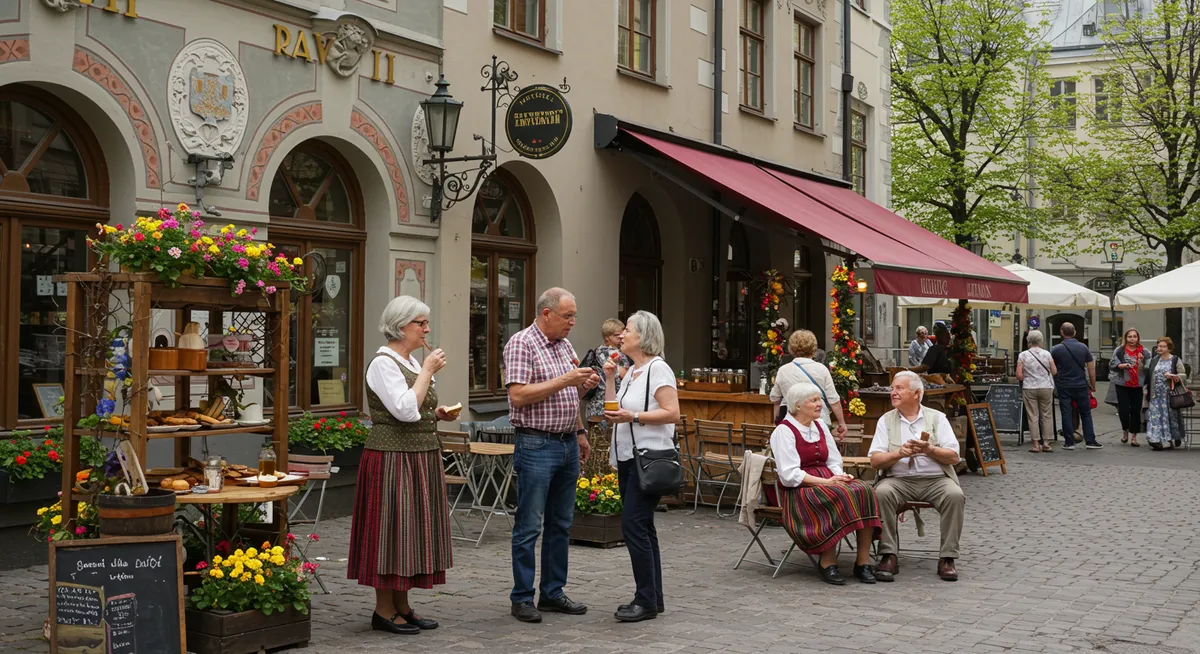
Table of Contents
Navigating Rīga: Essential Tips for Understanding Latvian Traditions and Etiquette
Having spent considerable time exploring the beautiful streets of Rīga, I’ve come to appreciate the subtle yet significant nuances of Latvian culture. It’s a country rich in heritage, and understanding Latvian traditions and etiquette is key to truly connecting with locals and experiencing the city beyond the typical tourist path. This guide offers practical tips for understanding Latvian traditions and etiquette in Rīga, ensuring your visit is both respectful and deeply rewarding. Let’s dive into how you can immerse yourself gracefully in the vibrant spirit of Latvia’s capital!
Greetings and Social Norms: The First Impression
When you’re exploring Rīga, one of the first things you’ll notice about local interactions is a sense of polite reserve. Latvians are generally welcoming, but often more reserved than some other cultures, especially upon first meeting. A firm handshake and direct eye contact are appropriate when greeting new acquaintances. Remember to use ‘Labdien’ (Good day) or ‘Sveiki’ (Hello, informal) as a common courtesy. For me, observing this quiet respect truly helped in understanding Latvian traditions and etiquette. It’s also considered polite to remove your shoes when entering someone’s home, a tradition deeply rooted in Latvian hospitality. This simple gesture shows respect for the homeowner and their space.
Dining Etiquette and Food Traditions: Savoring Latvian Flavors
Latvian dining customs, while not overly formal, do have their own specific quirks. When dining out, it’s common for Latvians to wait for everyone at the table to be served before starting to eat. Tipping around 10% for good service is standard, though not strictly obligatory. One of my favorite aspects of understanding Latvian traditions and etiquette in the culinary scene is experiencing their love for fresh, seasonal produce, often found at places like traditional Latvian food markets. Don’t be surprised if your host offers you a small glass of Rīgas Melnais balzams (Rīga Black Balsam) after a meal; it’s a traditional digestif and a local specialty.
Respecting Cultural Sites and Spaces: From Churches to Museums
Rīga boasts an incredible array of historical and cultural landmarks, from majestic churches to impressive museums. When visiting these sites, particularly places of worship, dressing modestly is advised – covering shoulders and knees shows respect. Many churches also prefer visitors to keep a quiet demeanor inside. I always found that a little research into the specific customs of each place, like those at Rīga’s best cultural museums, greatly aids in understanding Latvian traditions and etiquette. Photography might be restricted in certain areas, so always check for signs. These small considerations contribute significantly to a harmonious cultural experience.
Understanding Festivals and Folk Customs: Beyond Daily Life
Latvia’s cultural calendar is vibrant, especially during events like Jāņi (Midsummer) or the Song and Dance Festival. These times offer incredible opportunities for understanding Latvian traditions and etiquette at their most exuberant. If you’re lucky enough to be in Rīga during these periods, embrace the communal spirit! Locals often wear traditional costumes, sing folk songs, and participate in ancient rituals. For a deeper dive into these unique celebrations, check out the best time to visit Rīga for cultural festivals. Participating, even just by observing respectfully, shows immense appreciation for the local way of life and its rich folklore.
Navigating Public Transport and Personal Space: Rīga’s Rhythm
Public transport in Rīga is efficient, and observing local etiquette here is straightforward. Always validate your ticket immediately upon boarding a tram, trolleybus, or bus. While Latvians appreciate personal space, crowded public transport means you’ll often be in close proximity to others. Be mindful of not blocking doorways and offer your seat to elderly or pregnant individuals. My own experience taking Rīga’s trams taught me a lot about the city’s daily rhythm and the unwritten rules of interaction, which are crucial for understanding Latvian traditions and etiquette. For general tips on getting around and enjoying the city, consider exploring things to do in Rīga for a full scope.
Frequently Asked Questions
Q: Do Latvians shake hands?
A: Yes, a firm handshake with direct eye contact is common when greeting new acquaintances in Latvia, both in formal and informal settings. Among close friends, a hug might be preferred.
Q: Is tipping customary in Rīga?
A: Tipping 5-10% is customary in Rīga for good service in restaurants and cafes, though it’s not as ingrained as in some other countries. For taxis, rounding up the fare is common.
Q: What are some common Latvian phrases to learn?
A: Learning a few basic Latvian phrases like ‘Labdien’ (Good day), ‘Paldies’ (Thank you), ‘Lūdzu’ (Please/You’re welcome), and ‘Atā’ (Bye) will be greatly appreciated by locals and enhance your interactions.
Embracing the local customs and etiquette truly enriches your travel experience in Rīga. By taking these tips for understanding Latvian traditions and etiquette to heart, you’re not just visiting a city; you’re connecting with its soul. Respecting their social norms, appreciating their culinary heritage, and participating in their cultural life will open doors to authentic interactions and unforgettable memories. So go forth, explore with an open mind, and immerse yourself in the enchanting culture of Latvia. Your journey through Rīga will be all the more meaningful for it.