
The Traditional Bosnian Coffee Ceremony: A Sarajevo Experience
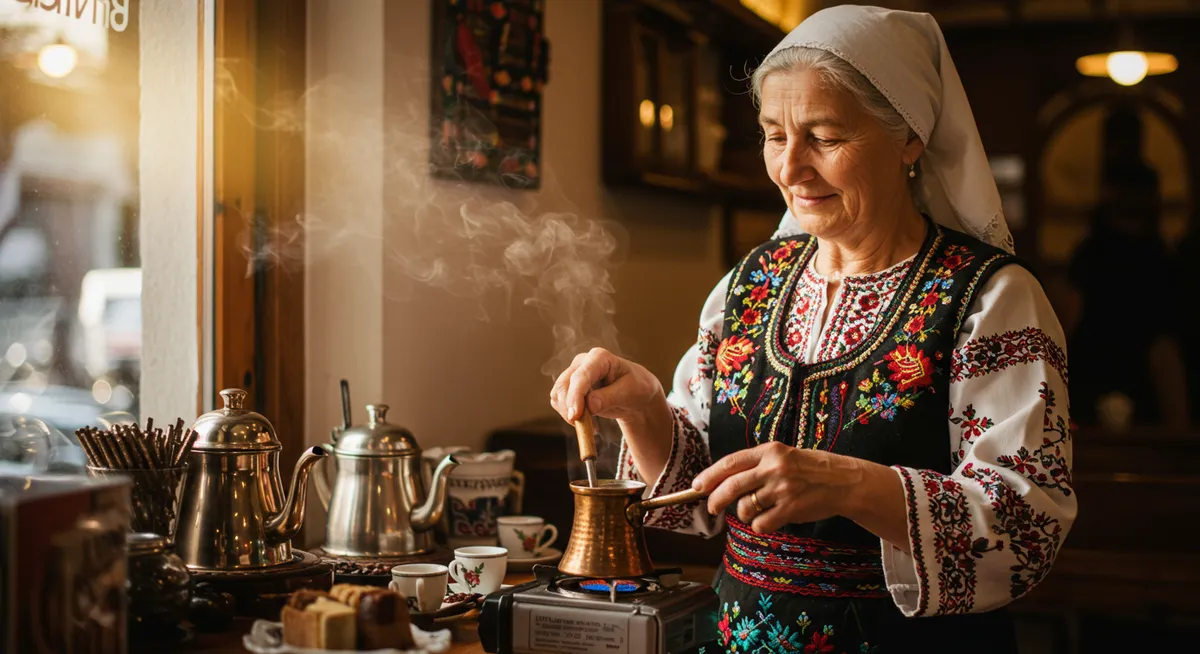
Table of Contents
The Traditional Bosnian Coffee Ceremony: Your Essential Sarajevo Experience Guide
Stepping into Sarajevo, you’re immediately enveloped by its unique blend of East and West, a city where every corner tells a story. For me, few experiences capture the soul of this place quite like participating in a traditional Bosnian coffee ceremony. It’s more than just a drink; it’s a profound cultural ritual, a symbol of hospitality, and a cornerstone of daily life. As someone who’s spent countless hours sipping coffee in the Old Town’s charming alleys, I can tell you it’s an absolute must-do. Get ready to slow down, connect, and truly immerse yourself in one of Sarajevo’s most cherished traditions.
What Makes Bosnian Coffee So Special?
For practical details and last-minute changes, use Sarajevo International Airport.
For practical details and last-minute changes, use City of Sarajevo.
Bosnian coffee isn’t merely a beverage; it’s a ceremonial act deeply woven into the fabric of daily life and hospitality in Sarajevo. Unlike its Turkish counterpart, which is often brewed and served instantly, the traditional Bosnian coffee ceremony involves a slower, more deliberate process, emphasizing patience and connection. It’s prepared in a specific copper pot called a dzezva, allowing the finely ground coffee to settle, ensuring a rich, intense flavor. This ritual embodies the city’s warmth and the importance of shared moments. You’ll quickly discover that experiencing the true authentic local culture in Sarajevo often starts with a cup of coffee.The Ritual Unveiled: How to Prepare and Serve
The preparation of traditional Bosnian coffee is an art form. First, water is brought to a boil in the dzezva, then removed from the heat. Finely ground coffee, resembling flour, is added, and the mix is briefly returned to the heat to form a rich foam. It’s then poured into small, handle-less cups called fildzans, often accompanied by a sugar cube and a piece of rahat lokum (Turkish delight). The host pours a little for themselves first, as a sign of respect, and then for their guests. This act highlights the deep-rooted local customs and etiquette you’ll encounter in Sarajevo, inviting you to slow down and savor the moment.
Where to Experience an Authentic Ceremony in Sarajevo
Sarajevo’s Old Town, especially Bascarsija, is brimming with traditional cafes where you can immerse yourself in an authentic traditional Bosnian coffee ceremony. Look for places that feel genuinely local, perhaps with older patrons enjoying quiet conversations. My personal tip: wander down the coppersmiths’ street (Kazandziluk) and pick a cozy spot away from the main square. These establishments often have a rich history and provide a truly immersive setting, making your visit to Sarajevo even more memorable. Many cultural walking tours through Sarajevo’s Old Town also highlight these essential coffee houses, guiding you to the best spots.
Tips for Savoring Your Bosnian Coffee Moment
🎯 Insider Tip: Discover the best Sarajevo experiences with Viator Tours!
To fully appreciate your traditional Bosnian coffee, remember a few key tips. First, never stir the coffee; allow the grounds to settle at the bottom. Sip slowly, savoring the robust flavors. The rahat lokum is meant to be eaten between sips, cleansing your palate and adding a touch of sweetness. Hold the fildzan gently, often with two fingers. Embrace the unhurried pace; this isn’t about a quick caffeine fix but about social connection and reflection. It’s one of the best local food experiences in Sarajevo for culture seekers, offering a unique taste of Bosnian hospitality.
Beyond the Cup: Coffee as a Social Cornerstone
The traditional Bosnian coffee ceremony in Sarajevo extends far beyond simply consuming a beverage; it’s a fundamental part of social interaction and daily life. It’s the prelude to important discussions, the glue of friendships, and the welcoming gesture for guests. Whether discussing business, sharing family news, or simply catching up with friends, coffee is always at the heart of it. This deeply ingrained custom reflects the city’s emphasis on community and connection, making it one of the most vital things to do in Sarajevo you can participate in to understand the local culture truly.
Frequently Asked Questions
🌟 Local Expert Tip: Get the most out of your Sarajevo visit with guided tours!
Q: How is Bosnian coffee different from Turkish coffee?
A: While similar in preparation, Bosnian coffee emphasizes the ritual of serving and consumption more, with a slower, more deliberate process. It’s often boiled once, then the grounds are added, and it’s brought back to a boil to create a foam. Turkish coffee sometimes involves boiling the grounds multiple times and is more about the strong, immediate caffeine hit, whereas Bosnian coffee focuses on the social ceremony.
Q: What is the proper etiquette for drinking Bosnian coffee?
A: The main etiquette points include not stirring the coffee to avoid disturbing the grounds, sipping slowly to appreciate the flavor, and eating the accompanying rahat lokum between sips. It’s also customary to take your time and enjoy the conversation, as the ceremony is about social interaction, not just drinking the coffee.
The traditional Bosnian coffee ceremony truly offers a window into the heart and soul of Sarajevo. It’s an invitation to pause, connect, and appreciate the simple yet profound beauty of shared moments. By participating in this ancient ritual, you’re not just tasting a drink; you’re experiencing centuries of hospitality and tradition. So, when you visit Sarajevo, don’t miss the opportunity to find a cozy café, order a dzezva, and let the rich aroma and warm conversation transport you. It’s an unforgettable way to truly immerse yourself in the city’s vibrant cultural tapestry.