
Bilbao’s Top Traditional Food Experiences for Culture Seekers
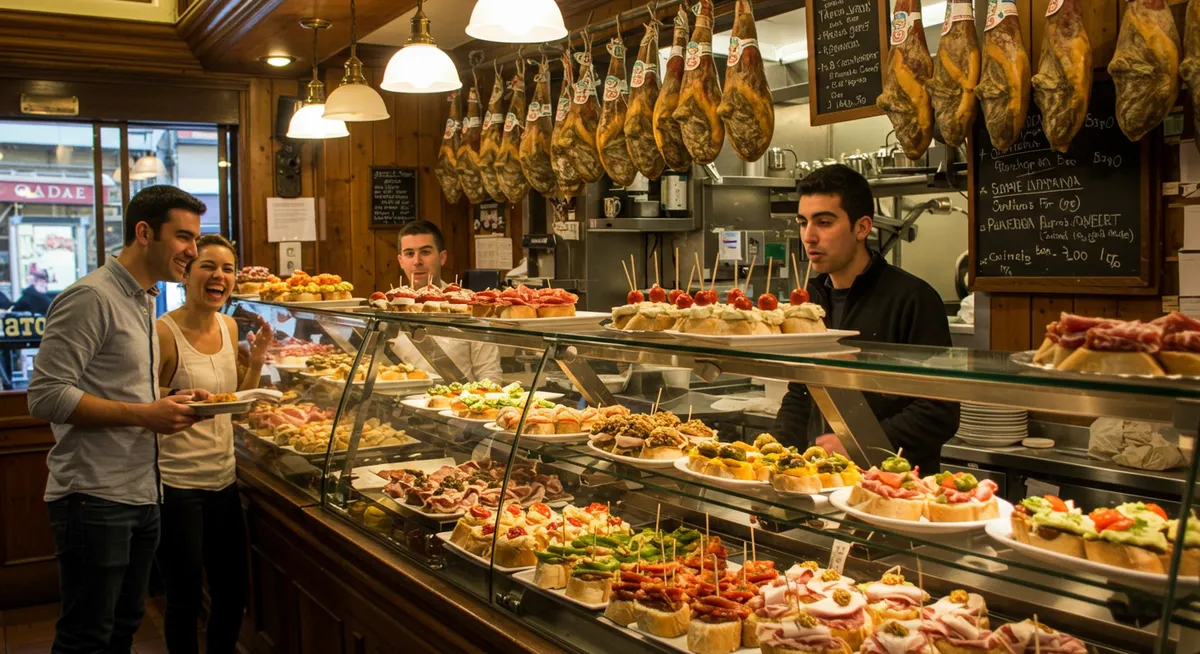
Table of Contents
Bilbao’s Top Traditional Food Experiences for Culture Seekers
Having explored countless cities through their kitchens, I can confidently say that Bilbao offers one of the most authentic and delicious culinary journeys in Spain. For culture seekers, understanding a place’s soul often begins with its plate. Bilbao’s traditional food experiences aren’t just about eating; they’re about immersing yourself in the Basque way of life, from vibrant pintxo bars to bustling markets and cozy cider houses. This city’s unique gastronomy is a cornerstone of its identity, reflecting centuries of rich history, deep-rooted traditions, and a profound respect for local produce. Get ready to embark on a mouth-watering adventure where every bite tells a story and every meal is a celebration of heritage.
The Art of Pintxos: Bilbao’s Culinary Signature
For the most up-to-date details, check Bilbao Airport (Aena) before you go.
You can find the latest updates on Guggenheim Museum Bilbao.
No discussion of traditional food experiences in Bilbao is complete without diving headfirst into the world of pintxos. These aren’t just tapas; they’re miniature culinary masterpieces, often elaborate and always delicious, served on a small slice of bread. The real magic happens during the ‘txikiteo,’ a social ritual where locals hop from bar to bar, enjoying a pintxo or two with a glass of txakoli or crianza wine. It’s a fantastic way to sample a huge variety of flavors and soak in the vibrant atmosphere. My best tip? Don’t be shy; point to what looks good, grab a plate, and join the lively crowd. This is truly how to experience authentic Basque culture in Bilbao.Savoring Basque Classics: From Bacalao to Txuleton
Beyond the pintxos, Bilbao boasts a repertoire of hearty, traditional dishes that are simply must-try for any culture seeker. Bacalao a la Vizcaína (cod in a rich red pepper sauce) is an iconic staple, showcasing the region’s love for seafood. Then there’s the legendary Txuleton, a thick, perfectly grilled Basque steak, often served rare and bursting with flavor—a carnivore’s dream. Don’t overlook Marmitako, a comforting tuna and potato stew, especially on a cooler day. These substantial meals are often enjoyed in traditional ‘asadores’ (grill houses) or ‘tabernas,’ where the focus is on quality ingredients and time-honored recipes, defining genuine traditional food experiences in Bilbao.
Immersive Cultural Bites: Markets, Cider Houses, and Cooking Classes
For truly immersive traditional food experiences, head to Mercado de la Ribera, Europe’s largest covered market. Here, you’ll witness local life unfold amidst stalls brimming with fresh seafood, cheeses, and produce. Beyond shopping, some vendors offer ready-to-eat pintxos or delicious prepared meals. Another unique experience is a visit to a Sagardotegi (cider house), especially during cider season (January-April), where you can enjoy endless cider straight from the barrel alongside a hearty cod and txuleton meal. For hands-on learning, consider a Basque cooking class; it’s one of the best Basque cooking classes in Bilbao for tourists to unravel culinary secrets.
Sweet Endings and Local Sips: Desserts and Drinks
⭐ Recommendation: Don't miss out on amazing Bilbao tours - book now!
Every great meal deserves a fitting conclusion, and Bilbao’s traditional food experiences extend to delightful sweets and unique beverages. Pastel Vasco, a creamy custard or cherry-filled tart, is a ubiquitous and comforting dessert. Goxua, a layered dessert with cream, sponge cake, and caramelized sugar, offers a more elegant sweet treat. When it comes to drinks, Txakoli, the slightly sparkling, dry white wine characteristic of the Basque Country, is a refreshing companion to any meal. And for something truly local and surprisingly delicious, try Kalimotxo—a mix of red wine and cola—a staple among younger generations, but surprisingly popular city-wide. It’s an essential part of Bilbao’s vibrant experiences.
Navigating Bilbao’s Food Scene Like a Local Culture Seeker
🌟 Local Expert Tip: Get the most out of your Bilbao visit with guided tours!
To truly embrace traditional food experiences in Bilbao, understanding local customs is key. Eating dinner often starts later, around 9 PM or 10 PM, with pintxos serving as an earlier, lighter evening meal. Don’t expect huge portions for pintxos; they are meant for grazing. Tipping is generally not expected as in some other countries, but rounding up the bill or leaving a small amount for excellent service is always appreciated. Many pintxo bars don’t have seating, encouraging a dynamic, social atmosphere. Embrace the standing, the chatter, and the lively energy. It’s all part of planning a cultural walking tour of Bilbao city center by savoring its culinary gems.
Frequently Asked Questions
Q: What is the most traditional food in Bilbao?
A: The most traditional food in Bilbao is arguably pintxos, small, elaborate snacks often served on bread. Beyond pintxos, iconic dishes include Bacalao a la Vizcaína (cod in red pepper sauce), Txuleton (Basque steak), and Marmitako (tuna and potato stew).
Q: How do you eat pintxos like a local in Bilbao?
A: To eat pintxos like a local, participate in the ‘txikiteo’ – bar hopping from one establishment to another, having one or two pintxos with a drink at each. Stand at the bar, grab your selection, and keep track of what you eat for payment at the end.
Q: Are there any specific drinks I should try with traditional food in Bilbao?
A: Absolutely! Pair your traditional food experiences in Bilbao with Txakoli, a dry, slightly sparkling white wine local to the Basque Country. Red wine (Rioja Alavesa is nearby) and the unique Kalimotxo (red wine and cola) are also popular choices among locals.
Embarking on a culinary journey through Bilbao means much more than just satisfying your hunger; it’s a profound dive into the heart of Basque culture. From the convivial ritual of pintxo hopping to savoring hearty traditional dishes and enjoying the unique Sagardotegi experience, every meal is an adventure. These traditional food experiences in Bilbao truly are a must-try for culture seekers, offering unparalleled insight into the city’s heritage. So, pack your appetite, embrace the local customs, and prepare for a gastronomic exploration that will leave you with delicious memories and a deeper appreciation for this remarkable Spanish city.