
Understand Basel Fasnacht Carnival Traditions
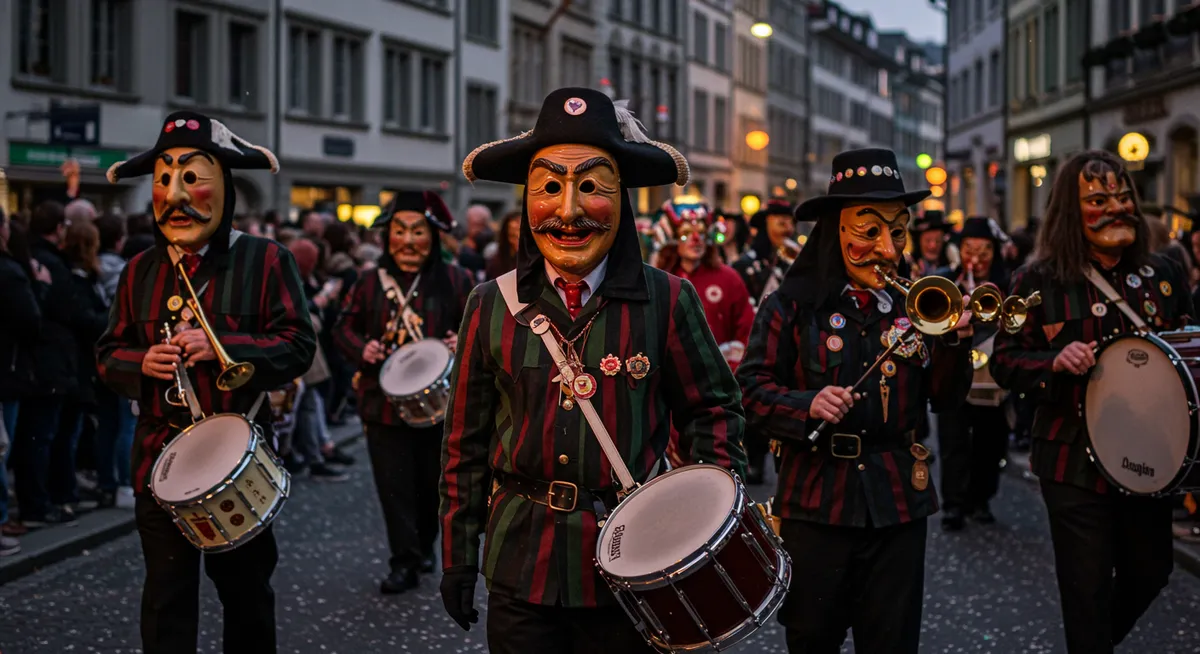
Table of Contents
Understand Basel Fasnacht Carnival Traditions
Having experienced the mesmerizing spectacle of Basel Fasnacht firsthand, I can tell you there’s nothing quite like it. This isn’t just any carnival; it’s a deeply rooted cultural phenomenon, a rebellious and artistic explosion that transforms Basel, Switzerland, for three extraordinary days. If you’re looking to truly understand Basel Fasnacht carnival traditions, you’re about to uncover a world of captivating customs, intricate masks, and a spirit of joyful subversion. Get ready to dive into the heart of one of Switzerland’s most cherished and unique cultural experiences, offering far more than just a fleeting show.
What Makes Basel Fasnacht So Unique?
To plan your trip, review Lonely Planet Basel.
For the most up-to-date details, check Canton of Basel-Stadt before you go.
Unlike many other carnivals that precede Lent, Basel Fasnacht kicks off on the Monday after Ash Wednesday, sharp at 4:00 AM. This precise timing and its post-Lenten start are just a few aspects that make it distinct. The entire city plunges into darkness, then bursts alive with the haunting sounds of piccolos and drums as thousands of masked figures, known as Cliques, march through the streets. It’s an experience that truly redefines what you might expect from cultural experiences in Basel. This incredible event isn’t about wild revelry; it’s a meticulously organized, artistic expression, offering a satirical commentary on the previous year’s events. To truly understand Basel Fasnacht carnival traditions, you must appreciate its disciplined yet freeing nature.The Unforgettable Morgestraich and Its Rites
The Morgestraich is the undisputed highlight and the solemn, yet thrilling, beginning of Fasnacht. At precisely 4 AM, all city lights are extinguished, and a drum roll signals the start. Suddenly, countless lanterns, each a work of art depicting current events and satirical themes, illuminate the dark streets, carried aloft by the Cliques. The air fills with the ethereal music of piccolos and drums, creating an almost otherworldly atmosphere. As an observer, standing in the cold, early morning dark watching this unfold, you can’t help but feel a part of something ancient and deeply meaningful. It’s an essential part of the experience if you want to understand Basel Fasnacht carnival traditions, and one you can follow on one of the many cultural walking tours around the city center.
Decoding the Masks, Costumes, and Themes
Central to Basel Fasnacht are the elaborate masks (Larven) and costumes. Each Clique carefully designs its attire and a main lantern (Laterne) to reflect a chosen ‘Sujet’ or theme, often a satirical take on politics or societal issues from the past year. You’ll see traditional characters like the ‘Waggis’ (a caricature of an Alsatian peasant) or the elegant ‘Alti Tante’ (old aunt). Buying a ‘Blaggedde’ (badge) isn’t just a souvenir; it’s a mandatory contribution to support the carnival, showing your respect for this significant Swiss heritage. These intricate details are key if you truly wish to understand Basel Fasnacht carnival traditions and Basels vibrant activities.
Experiencing Fasnacht Like a True Local
⭐ Recommendation: Don't miss out on amazing Basel tours - book now!
To fully immerse yourself and understand Basel Fasnacht carnival traditions, embrace local customs. Wake up early for Morgestraich, find a good spot along the parade routes for the ‘Cortège’ on Monday and Wednesday afternoon, and prepare to be showered with oranges, mimosa, and sweets (Wähe and Fastenwähe). Don’t miss trying the traditional Fasnacht fare like ‘Mehlsuppe’ (flour soup) and ‘Zwiebelwähe’ (onion tart) from local bakeries and restaurants. Remember, punctuality and respect for the participants are highly valued. My best tip: wander off the main routes to discover smaller Cliques and their unique performances, and maybe even enjoy some traditional Swiss food.
The Heartbeat of Basel: History and Spirit
Basel Fasnacht, often dubbed the city’s “drei scheenschte Dääg” (three most beautiful days), is more than just a party; it’s a living tradition dating back centuries, resiliently preserved by its citizens. It’s a period where the normal rules are suspended, allowing for artistic expression, critique, and collective celebration before the solemnity of Lent. The spirit is one of unity and shared identity, as friends, families, and colleagues join Cliques and march together. Understanding its deep historical roots, interwoven with Basel’s hidden historical sites, is vital to truly grasp why these carnival traditions hold such profound significance for the people of Basel.
Frequently Asked Questions
Q: When is Basel Fasnacht celebrated?
A: Basel Fasnacht traditionally begins on the Monday after Ash Wednesday at precisely 4:00 AM, known as Morgestraich. It continues for three consecutive days, concluding early on Thursday morning.
Q: What is a ‘Clique’ in Fasnacht?
A: A ‘Clique’ is a group of Fasnacht participants, typically consisting of drummers and piccolo players, along with their lantern carriers. Each Clique prepares for months, designing their costumes, masks, and often a large thematic lantern.
Q: Can tourists participate in Fasnacht?
A: Tourists cannot actively participate in the formal parades or join the Cliques, which are exclusive to locals. However, you can freely experience the carnival as a spectator, enjoy the atmosphere, and support it by purchasing a ‘Blaggedde’ badge.
To truly understand Basel Fasnacht carnival traditions is to appreciate a unique blend of history, satire, music, and community spirit. It’s an extraordinary cultural event that showcases Basel’s distinct character and vibrant heritage. From the haunting beauty of Morgestraich to the colorful chaos of the Cortège, every moment offers a deeper insight into this cherished Swiss custom. So, next time you plan a trip to Switzerland, consider timing your visit to witness Basel’s “three best days” firsthand. You won’t just observe a carnival; you’ll connect with the very heartbeat of a city that lives and breathes this incredible tradition.