
Unveiling Hungarian Coffee House Culture in Budapest
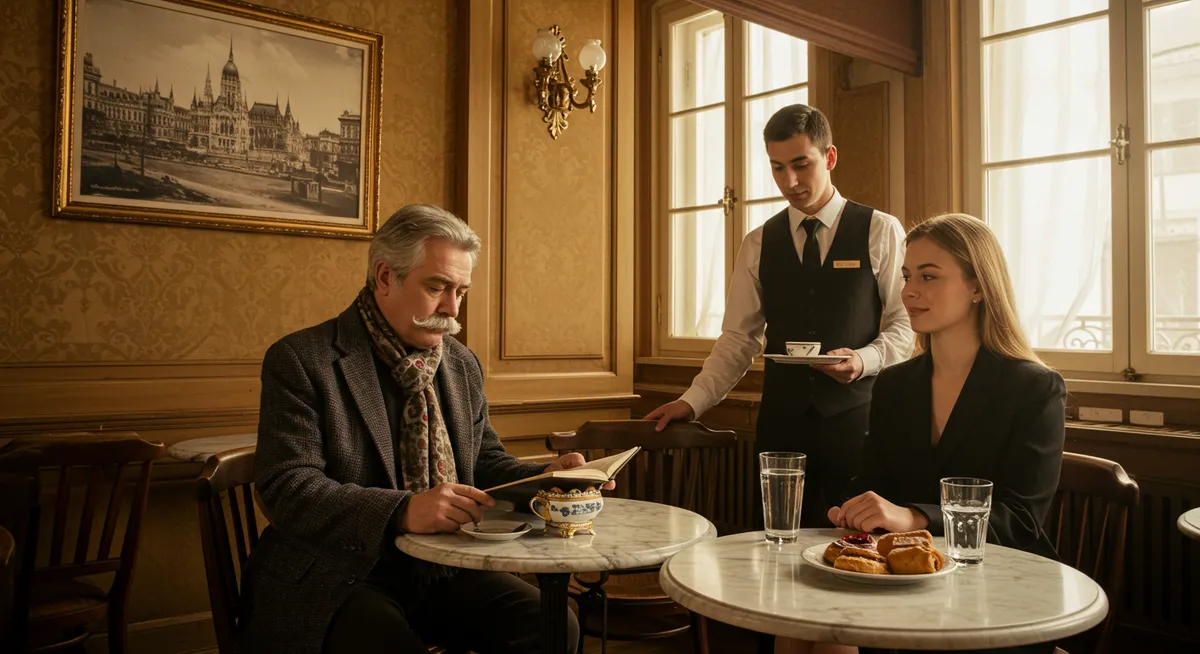
Table of Contents
Unveiling Hungarian Coffee House Culture in Budapest
Having explored countless cafés across Europe, I can confidently say that understanding Hungarian coffee house culture in Budapest is like unlocking a secret level of the city’s soul. It’s not just about a caffeine fix; it’s a deep dive into history, literature, and social life. From grand, opulent salons to cozy neighborhood spots, Budapest’s coffee houses offer a unique window into the city’s past and present. If you’re a culture seeker, this guide will help you embrace one of the most authentic Budapest experiences, showing you why these establishments are much more than mere places to sip a brew.
A Rich History: The Soul of Budapest’s Coffee Houses
For current hours, prices, and announcements, start with Budapest travel info.
To plan your trip, review Lonely Planet Budapest.
The story of Hungarian coffee house culture is deeply intertwined with the nation’s intellectual and artistic heritage. In the late 19th and early 20th centuries, these elegant establishments were vibrant hubs where writers, poets, artists, and revolutionaries gathered to discuss ideas, plot revolutions, and create masterpieces. Think of them as the original co-working spaces, but with far more grandeur and strudel! My own experience walking through these historic halls always brings to mind the echoes of passionate debates. This tradition of intellectual exchange is a cornerstone of Budapest’s historical sites, cementing their place as cultural institutions rather than just cafés.Beyond the Beans: What Makes Hungarian Coffee Culture Unique
What truly sets Hungarian coffee house culture apart is its emphasis on atmosphere and community. Unlike quick-stop coffee shops, these are places designed for lingering, reflection, and conversation. The service is often formal yet welcoming, and the interiors frequently boast ornate chandeliers, velvet seating, and stunning frescoes. It’s an immersion into a slower, more refined pace of life. You’ll often find patrons reading newspapers, playing chess, or simply people-watching for hours. This unhurried pace makes it one of the most rewarding cultural things to do in Budapest for first-timers seeking authentic immersion.
Iconic Grand Cafés: Where History and Coffee Mingle
No exploration of Budapest’s coffee house scene is complete without visiting its legendary grand cafés. The New York Café (New York Kávéház) is arguably the most famous, with its lavish interior often described as a palace. Then there’s Gerbeaud, a confectionery icon on Vörösmarty Square, famous for its cakes. My personal favorite, Central Café (Centrál Kávéház), exudes a more relaxed, intellectual vibe while still being incredibly elegant. These spots perfectly embody the essence of understanding Hungarian coffee house culture. Visiting them feels like stepping back in time, discovering some of the true hidden cultural gems in Budapest’s city center.
How to Experience Budapest’s Coffee House Culture Today
🌟 Local Expert Tip: Get the most out of your Budapest visit with guided tours!
To genuinely experience Budapest’s coffee house culture, don’t rush. Order a traditional Hungarian coffee – perhaps a ‘hosszú kávé’ (long coffee) or ‘melange’ – and pair it with a slice of cake. Resist the urge to grab your phone immediately; instead, observe the intricate decor and the local patrons. While grand cafés are a must-see, also seek out smaller, less famous neighborhood spots for a more intimate feel. Remember to familiarize yourself with general local etiquette tips for visiting Budapest attractions, though coffee houses are generally quite relaxed. It’s about savoring the moment and the unique ambiance.
More Than Coffee: Culinary Delights to Savor
While coffee is central, the culinary offerings are integral to Hungarian coffee house culture. Most establishments boast an array of exquisite pastries and cakes. Indulge in a slice of Dobos Torta, a multi-layered sponge cake with chocolate buttercream and caramel topping, or the rich Esterházy Torta. Many also serve light meals, making them perfect for breakfast or a leisurely lunch. This aspect is crucial for understanding Hungarian coffee house culture holistically, as it often blends into the broader authentic local food experiences in Budapest. Don’t forget to try a savory strudel if you get the chance!
Frequently Asked Questions
Q: What’s the difference between a coffee house and a modern café in Budapest?
A: Traditional Hungarian coffee houses (kávéház) are historic, often opulent establishments that historically served as cultural and intellectual centers. They offer a more formal, leisurely experience with a focus on atmosphere, pastries, and sometimes light meals. Modern cafés typically focus more on quick coffee service and contemporary design.
Q: Are Budapest’s grand coffee houses expensive?
A: While prices at iconic grand coffee houses like New York Café can be higher than average Budapest cafés, they are generally still reasonable compared to similar establishments in Western European capitals. Consider the price not just for the drink, but for the unique historical ambiance and experience.
Q: What should I order beyond coffee at a Hungarian coffee house?
A: Definitely try some traditional Hungarian pastries! Popular choices include Dobos Torta, Esterházy Torta, or a slice of strudel (rétes). Many coffee houses also offer excellent hot chocolate and a selection of teas. Some also serve simple, yet delicious, breakfast or lunch options.
Ultimately, understanding Hungarian coffee house culture in Budapest is about embracing a way of life where time slows down, conversations flow, and history is palpable in every ornate detail. These iconic establishments are more than just places to enjoy a beverage; they are living museums, cultural crucibles, and enduring symbols of Budapest’s charm. So, next time you’re in Budapest, don’t just grab a quick brew; immerse yourself in this rich tradition and let the ambiance transport you. Explore, savor, and let the city’s coffee scene enchant you.