
Uncovering Traditional Porto Architecture History
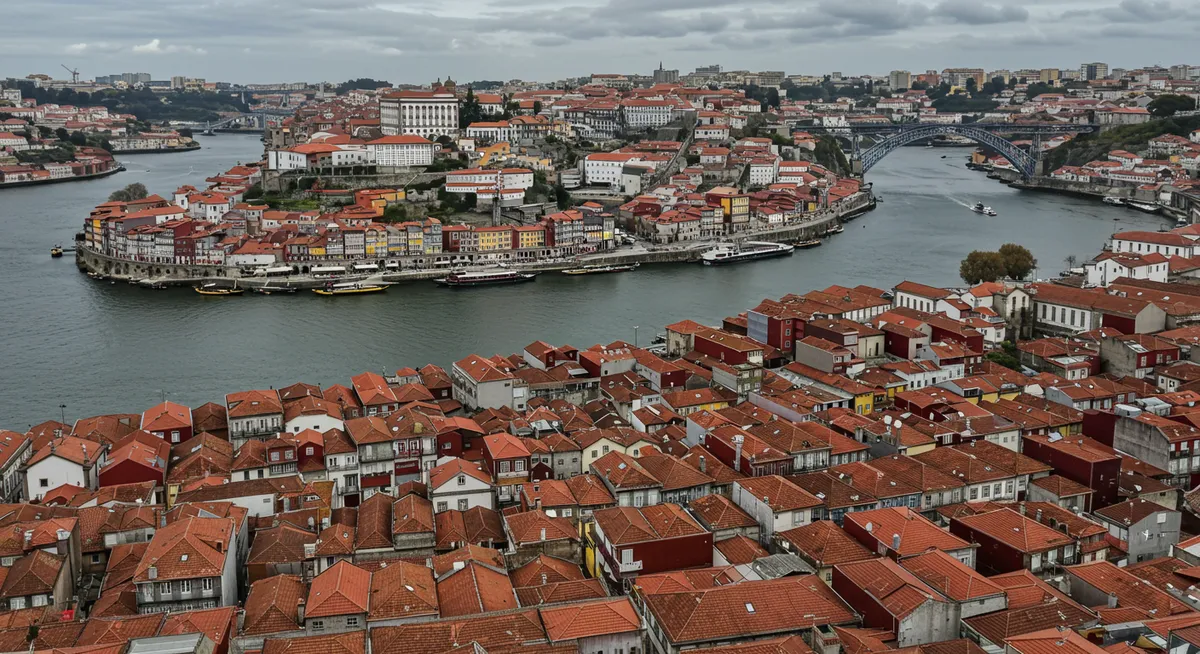
Table of Contents
Understanding Traditional Porto Architecture History: A Journey Through Time
As a long-time admirer and explorer of European cities, I’ve always found Porto’s unique charm particularly captivating, especially when it comes to understanding traditional Porto architecture history. This city isn’t just about delicious wine and vibrant culture; its buildings tell a story spanning millennia. From ancient Roman foundations to the distinctive Azulejo tiles, every corner offers a glimpse into its past. Join me on a journey through time as we uncover the layers of architectural brilliance that make Porto truly special.
The Deep Roots: Early Influences on Porto’s Architecture
You can find the latest updates on Lonely Planet Porto.
For practical details and last-minute changes, use Historic Centre of Porto, Luiz I Bridge and Monastery of Serra do Pilar.
When you walk through Porto, it’s fascinating to realize how much of its foundational design comes from early settlers. The city’s original Roman layout, or ‘Castrum’, set the stage, influencing subsequent urban planning. While much of the Roman presence lies beneath the modern city, some remnants of early fortifications and structures can still be seen near the Sé Cathedral. These early designs laid the groundwork for the city’s future expansion, dictating street patterns and building orientations. Really, understanding traditional Porto architecture history begins with appreciating these almost invisible origins. I always try to spot these subtle hints in the oldest parts of town; they’re like whispers from the past, connecting you to Porto’s hidden historical sites.From Gothic Spires to Manueline Flourishes in Porto
Moving into the medieval period, Porto saw the rise of impressive Gothic architecture, particularly evident in its magnificent cathedrals like the Sé. These structures, characterized by their soaring arches and detailed stonework, truly reflect the era’s devotion and craftsmanship. By the 15th and 16th centuries, Portugal developed its own unique style: Manueline. This ornate architectural expression, named after King Manuel I, often incorporates maritime elements like ropes, shells, and armillary spheres, celebrating the Age of Discoveries. It’s a key part of understanding traditional Porto architecture history, as these flourishes added a distinctly Portuguese identity to the city’s buildings. Look closely at doorways and windows—you’ll often find these intricate details.
Baroque Opulence & the Iconic Azulejos of Porto Architecture
The 17th and 18th centuries ushered in Porto’s Baroque period, a time of grandiosity and dramatic flair. Iconic landmarks like the Clérigos Tower and Church of São Francisco showcase this opulent style, with their lavish interiors and gilded altarpieces. However, no discussion of traditional Porto architecture history is complete without mentioning the ubiquitous *azulejos*, or painted ceramic tiles. These blue and white (and sometimes multicolored) tiles transformed plain facades into stunning works of art, depicting historical scenes, religious narratives, or simply geometric patterns. I always recommend spending time just gazing at these tiled masterpieces; they are a true visual delight and you can even try your hand at a tile painting workshop.
The Age of Iron: Industrial Revolution’s Mark on Porto
💡 Pro Tip: Book your Porto adventures in advance through Viator for the best deals!
As the 19th century dawned, the Industrial Revolution brought significant changes to Porto’s urban landscape. While many older buildings retained their charm, new construction embraced materials like iron and glass. Neoclassical influences also became prominent, favoring symmetry, grandeur, and classical motifs, often seen in public buildings and grand avenues. This period saw the blending of traditional craftsmanship with modern engineering, creating a unique hybrid of styles. It’s a fascinating chapter in understanding traditional Porto architecture history, as the city began to adapt while retaining its essential character. You’ll notice the robust iron balconies and decorative grilles that became fashionable, adding a distinctive elegance to many buildings.
Modern Echoes: Contemporary Styles Blending with Traditional Porto Architecture
Into the 20th and 21st centuries, Porto has continued to evolve, carefully integrating modern architectural expressions while preserving its heritage. Contemporary architects often draw inspiration from the city’s historical context, creating designs that complement rather than clash with the old. From the sleek lines of the Casa da Música to innovative restorations of traditional houses, there’s a conscious effort to respect the past. Understanding traditional Porto architecture history means appreciating this ongoing dialogue between old and new. It’s truly amazing to see how new buildings can stand proudly alongside centuries-old structures, adding fresh vibrancy to Porto’s diverse activities while maintaining its unique spirit.
Frequently Asked Questions
Q: What are the oldest architectural styles found in Porto?
A: Porto’s oldest architectural styles include Roman foundations, with influences from early fortifications, followed by Romanesque and Gothic periods. These early styles are most evident in structures like the Sé Cathedral and remnants found in the city’s oldest districts.
Q: Where can I see the best examples of Azulejo tiles in Porto?
A: Excellent examples of Azulejo tiles are abundant in Porto. Don’t miss São Bento Railway Station, Carmo Church, and the Igreja de Santo Ildefonso for stunning large-scale panels. Many residential buildings throughout the city also feature beautiful, intricate tile work.
Q: How does the topography of Porto influence its architecture?
A: Porto’s hilly topography significantly influenced its architecture, leading to terraced buildings, winding narrow streets, and homes designed to maximize views and adapt to steep inclines. This also contributed to the compact, vertical nature of many traditional structures.
Exploring Porto’s buildings is like stepping through a living history book. From its Roman roots and the intricate details of Manueline design to the vibrant Azulejo-clad facades and the integration of modern elements, understanding traditional Porto architecture history truly enhances your visit. Each building, street, and tile tells a unique story, offering deep insights into the city’s past and its enduring spirit. So, next time you’re wandering the charming streets of Porto, take a moment to look up, look around, and truly appreciate the layers of history etched into its stunning architecture. For more ways to experience this incredible city, check out all the amazing things to do in Porto.