
Agra Attractions: Your 2026 Travel Guide
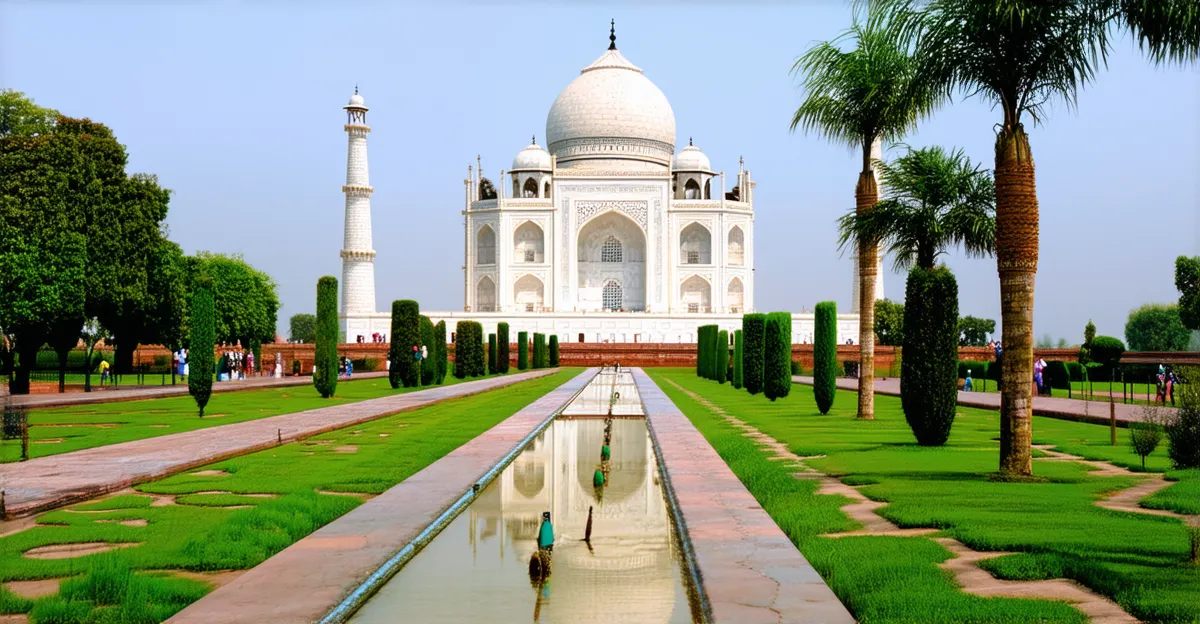
Table of Contents
Agra Attractions: Unveiling the City’s Best in 2026
Discover the timeless allure of Agra in 2026, a city brimming with historical significance and architectural marvels. Our guide highlights the most captivating Agra Attractions, ensuring an unforgettable journey through India’s rich heritage.
The Majestic Taj Mahal: A Timeless Agra Attraction
You can find the latest updates on Agra District Administration.
For official information, visit Taj Mahal Official Website.
The Taj Mahal, an ivory-white marble mausoleum on the bank of the Yamuna river, stands as a testament to eternal love and is undoubtedly the most iconic of Agra Attractions. Commissioned in 1632 by the Mughal emperor Shah Jahan to house the tomb of his favorite wife, Mumtaz Mahal, it represents a pinnacle of Mughal architecture. The Taj Mahal attracts millions of visitors each year, drawn to its stunning beauty and rich history. Visiting this monument is an essential experience for anyone exploring India and is a must among Things to Do in Agra. The intricate details and serene atmosphere make it an unforgettable sight. Furthermore, the monument’s changing hues at different times of the day provide a unique visual treat, making each visit distinct.Experiencing the Taj Mahal
To fully appreciate the Taj Mahal, consider visiting during sunrise or sunset when the marble glows with a soft, ethereal light. Moreover, hiring a local guide can greatly enhance your experience, providing insights into the monument’s history, architecture, and the love story behind its creation. Exploring the surrounding gardens, with their meticulously designed water channels and landscaping, offers a tranquil contrast to the bustling city outside. Agra Activities often revolve around this iconic landmark, and for good reason. Additionally, remember to check for special events or festivals that may offer unique perspectives of the Taj Mahal.
Pro Tip: Purchase your tickets online in advance to avoid long queues, especially during peak tourist season. Also, be mindful of the dress code and photography restrictions inside the mausoleum.
The Taj Mahal’s influence extends beyond its architectural grandeur. It serves as a symbol of India’s rich cultural heritage and artistic achievements. Many seek to capture its image, making it one of the most photographed structures in the world. However, its true essence can only be understood through a personal visit, allowing you to connect with its history and feel its profound emotional resonance. It is one of the most important Agra Experiences for any traveler.
Exploring the Taj Mahal is more than just sightseeing; it’s an immersion into a world of history, art, and undying love. Whether you are an architecture enthusiast, a history buff, or simply a traveler seeking beauty, the Taj Mahal will leave an indelible mark on your soul. You can also explore other Agra activities to make the most of your trip. Considering a guided tour can greatly enrich your visit, providing historical context and ensuring you don’t miss any of the monument’s hidden details. Check out this skip-the-line tour of the Taj Mahal and Agra Fort for a hassle-free experience.
Agra Fort: Exploring the Mughal Dynasty’s Power Center
Agra Fort, a UNESCO World Heritage site, stands as a formidable symbol of the Mughal Dynasty’s power and architectural prowess. Situated on the banks of the Yamuna River, this imposing structure once served as the main residence of the Mughal emperors until 1638 when the capital was shifted to Delhi. The fort’s strategic importance and intricate design make it a must-visit among Agra Attractions. Constructed primarily of red sandstone, the fort’s massive walls enclose a complex of palaces, audience halls, and mosques, reflecting a rich tapestry of Mughal art and culture. Therefore, exploring this historical landmark offers a captivating journey into India’s imperial past.
Key Structures Within Agra Fort
Within the fort’s walls, several structures stand out for their architectural and historical significance. The Diwan-i-Aam (Hall of Public Audience) and Diwan-i-Khas (Hall of Private Audience) showcase the grandeur of Mughal court life. Additionally, the Jahangir’s Palace, built by Akbar for his son Jahangir, is a stunning example of Mughal architecture, blending Indian and Central Asian styles. The Khas Mahal, with its intricate marble inlays, offers a glimpse into the luxurious lifestyle of the emperors. Moreover, the Sheesh Mahal (Mirror Palace), adorned with thousands of tiny mirrors, is another fascinating attraction within the fort. Visiting these sites provides insight into the artistic and administrative aspects of the Mughal era. So, when considering Things to Do in Agra, allocate ample time to explore the fort’s diverse structures.
The fort’s construction began under Emperor Akbar in 1565 and was later enhanced by his successors, Jahangir and Shah Jahan. Each emperor left their distinct architectural mark, resulting in a harmonious blend of styles. For instance, Shah Jahan, known for his love of white marble, added several marble structures that contrast beautifully with the red sandstone. This fusion of architectural styles highlights the evolving aesthetic sensibilities of the Mughal rulers. Furthermore, the fort’s layout and design reflect the dynasty’s strategic considerations, providing both security and opulent living spaces.
Pro Tip: Hire a local guide to fully appreciate the historical context and hidden stories behind each structure within Agra Fort. This will enrich your exploration and provide deeper insights into Mughal history.
Visiting Agra Fort is an essential part of experiencing Agra Experiences. The fort not only offers a glimpse into the Mughal Dynasty’s power center but also provides stunning views of the Taj Mahal. To enhance your visit, consider booking a guided tour to learn about the fort’s history and significance. Before planning your trip, explore more Agra activities to make the most of your visit.
To delve deeper into this historical site, consider a private tour of the Taj Mahal and Agra Fort for an immersive experience.
Itmad-ud-Daulah’s Tomb: Agra’s Exquisite ‘Baby Taj’
Often referred to as the ‘Baby Taj,’ Itmad-ud-Daulah’s Tomb is a jewel of Agra Attractions that predates the Taj Mahal. This stunning mausoleum, commissioned by Empress Nur Jahan for her father, Mirza Ghiyas Beg, showcases intricate marble craftsmanship and delicate inlay work. As you approach the tomb, the serene ambiance and meticulously designed gardens offer a peaceful escape from the bustling city. Furthermore, the architectural details and historical significance make it a must-visit site for anyone exploring Things to Do in Agra.
Architectural Marvel and Historical Significance
The tomb’s design is a transition between the red sandstone architecture of earlier Mughal emperors and the white marble that defines the Taj Mahal. Constructed entirely of white marble and adorned with pietra dura inlay, featuring semi-precious stones, the tomb’s aesthetic appeal is unparalleled. Moreover, the geometric patterns and floral designs reflect the artistic sensibilities of the Mughal era. Agra Experiences are incomplete without witnessing this masterpiece, as it provides a deep dive into the region’s rich artistic heritage. For an enhanced visit, consider a guided tour; you might even book a skip-the-line tour here.
Pro Tip: Visit Itmad-ud-Daulah’s Tomb during the late afternoon to witness the stunning marble glow under the soft sunlight. This time of day offers excellent photo opportunities and a tranquil atmosphere.
Exploring Itmad-ud-Daulah’s Tomb offers a unique perspective on Mughal artistry and provides insight into the love and reverence Empress Nur Jahan had for her father. Additionally, the tomb’s location on the banks of the Yamuna River adds to its scenic charm, making it an ideal spot for quiet contemplation and reflection. Therefore, a visit here not only enriches your understanding of Mughal history but also provides a serene contrast to the more crowded Agra Attractions.
While in Agra, discovering Agra Outdoor Activities and historical sites is a must. From vibrant bazaars to majestic monuments, Agra offers a diverse range of experiences. For more insights into planning your trip, explore more Agra activities here. In conclusion, make sure Itmad-ud-Daulah’s Tomb is on your list, and to make the most of your trip you may want to consider a guided day trip from Delhi.
Mehtab Bagh: A Moonlit Garden with Taj Mahal Views
🌟 Local Expert Tip: Get the most out of your Agra visit with guided tours!
Imagine standing in a serene garden, the cool evening breeze gently caressing your face, as you gaze upon the Taj Mahal bathed in the soft glow of the moon. This is the magic of Mehtab Bagh, a meticulously designed garden offering unparalleled views of the iconic monument. Located directly across the Yamuna River from the Taj Mahal, Mehtab Bagh, which translates to “Moonlight Garden,” provides a unique perspective and a tranquil escape from the bustling city of Agra. Consequently, visiting this garden is a must for anyone seeking a different angle and a peaceful experience of one of the world’s most famous landmarks.
Originally conceived by Emperor Babur, the garden was later perfected by Shah Jahan as a place to admire the Taj Mahal in its full glory. Moreover, the symmetrical layout, reflecting the design of the Taj itself, adds to the garden’s charm. Over time, the garden fell into disrepair but has since been restored to its former splendor, offering visitors a glimpse into Mughal aesthetics. Thus, Mehtab Bagh not only offers stunning views but also a journey back in time.
Experiencing the Sunset at Mehtab Bagh
Without a doubt, the best time to visit Mehtab Bagh is during sunset. As the sun dips below the horizon, the Taj Mahal transforms into a mesmerizing spectacle of colors, from soft pinks and oranges to the cool hues of twilight. Furthermore, the reflection of the Taj in the Yamuna River adds another layer of beauty to the scene. Therefore, photographers and romantics alike find this hour particularly enchanting. Besides the view, the garden itself becomes a haven of tranquility as the day cools down and the crowds thin. This makes it one of the most captivating Agra Attractions.
Visiting Mehtab Bagh provides an opportunity to escape the crowds and appreciate the Taj Mahal from a different vantage point. As a result, many consider it a more relaxed and contemplative experience. Furthermore, you can explore the garden’s pathways, admire the carefully manicured lawns, and soak in the atmosphere of peace and serenity. Exploring Things to Do in Agra often leads visitors to discover this hidden gem, appreciating its historical significance and breathtaking views.
Consider visiting Mehtab Bagh as part of your Agra Experiences. It provides a perfect end to a day of sightseeing, allowing you to reflect on the beauty and grandeur of the Taj Mahal. It is easily accessible and offers a welcome respite from the busy city center. For those interested in exploring further, discover more Agra Outdoor Activities.
Enhance your visit to Agra with a guided tour that includes Mehtab Bagh. Book your tour now and experience the best of Agra!
Fatehpur Sikri: A Day Trip to the Abandoned City Near Agra
💡 Pro Tip: Book your Agra adventures in advance through Viator for the best deals!
A visit to Fatehpur Sikri, a UNESCO World Heritage site, offers a fascinating day trip from Agra. This deserted city, once the capital of the Mughal Empire during Akbar’s reign, stands as a remarkable example of Mughal architecture and urban planning. Constructed in the 16th century, it was abruptly abandoned due to water scarcity, leaving behind a perfectly preserved ghost city that tells tales of imperial grandeur and sudden abandonment. As you explore the red sandstone structures, you’ll be transported back in time, marveling at the intricate designs and historical significance. Furthermore, the blend of Persian, Islamic, and Hindu architectural styles makes Fatehpur Sikri a unique and unmissable destination for history enthusiasts.
Exploring the Architectural Wonders
Fatehpur Sikri is teeming with architectural marvels, each telling a unique story of its time. The Buland Darwaza, or “Gate of Victory,” is an imposing entrance that stands as one of the tallest gateways in the world. Within the complex, you’ll find the Diwan-i-Aam (Hall of Public Audience) and Diwan-i-Khas (Hall of Private Audience), reflecting the administrative and royal functions of the city. The Jama Masjid, a grand mosque, is another highlight, showcasing exquisite marble inlay work. Additionally, don’t miss Panch Mahal, a five-story palatial structure, and the Tomb of Salim Chisti, a stunning white marble shrine revered by many. Exploring these sites provides deep insights into the sophisticated urban design and the artistic achievements of the Mughal era. Indeed, a guided tour, such as this transfer from Delhi, can enhance your understanding and appreciation of this historical site.
Pro Tip: Hire a local guide to navigate the city and learn about the hidden stories and historical anecdotes associated with each monument. This will enrich your experience and provide a deeper understanding of Fatehpur Sikri’s legacy.
Moreover, the journey to Fatehpur Sikri from Agra is an experience in itself, taking you through the rural landscapes of Uttar Pradesh. As you approach the city, the imposing silhouette of the Buland Darwaza begins to dominate the horizon, creating a sense of anticipation and excitement. Many travelers opt for a combined tour that includes Agra and Fatehpur Sikri, such as this Taj Mahal skip-the-line tour, ensuring a comprehensive exploration of the region’s historical treasures.
Visiting Fatehpur Sikri is undoubtedly one of the essential Agra Activities for those keen on delving into India’s rich past. Whether you’re interested in architecture, history, or simply soaking in the atmosphere of a bygone era, Fatehpur Sikri offers a memorable and enriching experience. So, plan your day trip to this abandoned city and witness the grandeur of Mughal India. For more options on exploring the region, consider booking a transfer from Jaipur that includes a stop at this amazing site.
Sadar Bazaar: Immerse Yourself in Local Culture and Shopping
Sadar Bazaar in Agra is more than just a market; it’s an immersive experience into the heart of local culture and commerce. Situated close to Agra Fort and the Taj Mahal, this bustling marketplace offers a vibrant array of goods, from traditional handicrafts and textiles to leather products and delicious street food. As one of the most popular Agra Attractions, Sadar Bazaar provides an opportunity to witness the daily life of Agra residents while indulging in some retail therapy. The vibrant atmosphere, filled with colorful displays and the sounds of vendors, makes it an unforgettable stop for any traveler.
Exploring the Delights of Sadar Bazaar
As you navigate through the labyrinthine lanes of Sadar Bazaar, you’ll encounter a plethora of Things to Do in Agra. Haggling is common practice here, so be prepared to negotiate for the best prices. The market is particularly known for its leather goods, including shoes, bags, and belts, which are crafted locally. Furthermore, you can find exquisite marble handicrafts, reflecting Agra’s rich artistic heritage. In addition, be sure to sample some of the local street food, such as chaat, kebabs, and sweets, to truly immerse yourself in the local culinary scene. For a guided experience, consider exploring an old Agra street food tour.
Pro Tip: Visit Sadar Bazaar in the late afternoon or early evening when the market comes alive with activity and the weather is more pleasant. Wear comfortable shoes, as you’ll be doing a lot of walking!
Beyond shopping and eating, Sadar Bazaar offers a glimpse into the social fabric of Agra. It’s a place where locals and tourists mingle, creating a dynamic environment that showcases the city’s diverse character. Engaging with the vendors and learning about their crafts adds a personal touch to your visit. Additionally, the bazaar’s proximity to other major Agra Attractions makes it a convenient addition to your itinerary. After exploring the Taj Mahal or Agra Fort, a visit to Sadar Bazaar provides a contrasting, yet equally enriching, experience.
Whether you are looking for souvenirs, local delicacies, or simply a taste of Agra’s vibrant culture, Sadar Bazaar is a must-visit destination. The market’s lively atmosphere and diverse offerings ensure that there’s something for everyone. It provides a unique opportunity to connect with the city on a deeper level and create lasting memories. Additionally, for those interested in Agra Experiences, a visit to Sadar Bazaar complements the historical sites by offering insight into contemporary life in Agra. Check out more things to do in Agra to plan your trip effectively. To enhance your trip, discover guided tours and experiences here.
Akbar’s Tomb: A Blend of Hindu and Islamic Architecture
🌟 Local Expert Tip: Get the most out of your Agra visit with guided tours!
Akbar’s Tomb, located in Sikandra, a suburb of Agra, is a magnificent testament to the syncretic architectural style of the Mughal era. This grand structure, commissioned by Emperor Akbar himself and completed by his son Jahangir, beautifully merges Hindu and Islamic design elements, reflecting Akbar’s vision of religious tolerance and cultural harmony. The tomb is not only a visual delight but also an important historical site, providing insights into the life and reign of one of India’s greatest emperors. Indeed, visiting Akbar’s Tomb offers a profound understanding of the Mughal dynasty’s artistic and philosophical inclinations. As you explore Agra Attractions, make sure this architectural marvel is on your list.
Architectural Highlights
The tomb complex is entered through four imposing gateways, each showcasing unique architectural features. The south gateway, with its white marble minarets and intricate inlay work, is particularly striking. The main tomb is a four-tiered pyramid-shaped structure, constructed primarily of red sandstone, inlaid with white marble panels and geometric patterns. The design incorporates elements from both Hindu and Islamic styles, creating a harmonious blend. Moreover, the intricate carvings and calligraphy add to the tomb’s aesthetic appeal. Therefore, every corner of Akbar’s Tomb tells a story of cultural synthesis. You can discover more about things to do in Agra by exploring this guide.
Pro Tip: Visit early in the morning to avoid crowds and to witness the tomb in the soft morning light, which enhances its beauty and grandeur.
The tomb’s interior is equally impressive, with a central chamber housing Akbar’s cenotaph, adorned with exquisite carvings and inscriptions. The surrounding gardens, laid out in the Charbagh style, further enhance the tomb’s serene atmosphere. These gardens, divided into four sections by walkways and water channels, symbolize the four rivers of paradise in Islamic tradition. Furthermore, the strategic placement of the tomb within the garden creates a sense of balance and harmony. Exploring Agra Outdoor Activities can be a fulfilling experience, and a visit to Akbar’s Tomb adds a historical dimension to your outdoor exploration. You can find relevant options here.
Overall, a visit to Akbar’s Tomb is an enriching experience, offering a glimpse into the Mughal era’s artistic achievements and cultural ethos. As you wander through the complex, take time to appreciate the intricate details and the serene ambiance. For those seeking to delve deeper into the city’s heritage, considering Agra Experiences like a guided tour can provide valuable insights. Check out available options here to make the most of your visit.
Ready to explore the best Agra Attractions? Start planning your adventure today and uncover the historical wonders that await!
Frequently Asked Questions
A: The Taj Mahal is undeniably the most iconic attraction, but Agra Fort and Itmad-ud-Daulah’s Tomb also offer incredible historical insights and architectural beauty.
A: October to March offers the most pleasant climate for exploring Agra Attractions, avoiding the extreme heat and monsoon rains.
A: Consider a guided tour for in-depth historical context or explore local markets like Sadar Bazaar for unique cultural experiences.
A: Yes, many hotels and tour operators offer packages that combine accommodation, transportation, and guided tours to Agra’s main attractions.
A: Be sure to wear comfortable shoes, stay hydrated, and be respectful of the cultural norms at religious sites.