
Things to Do in Agra: Top 2026 Activities
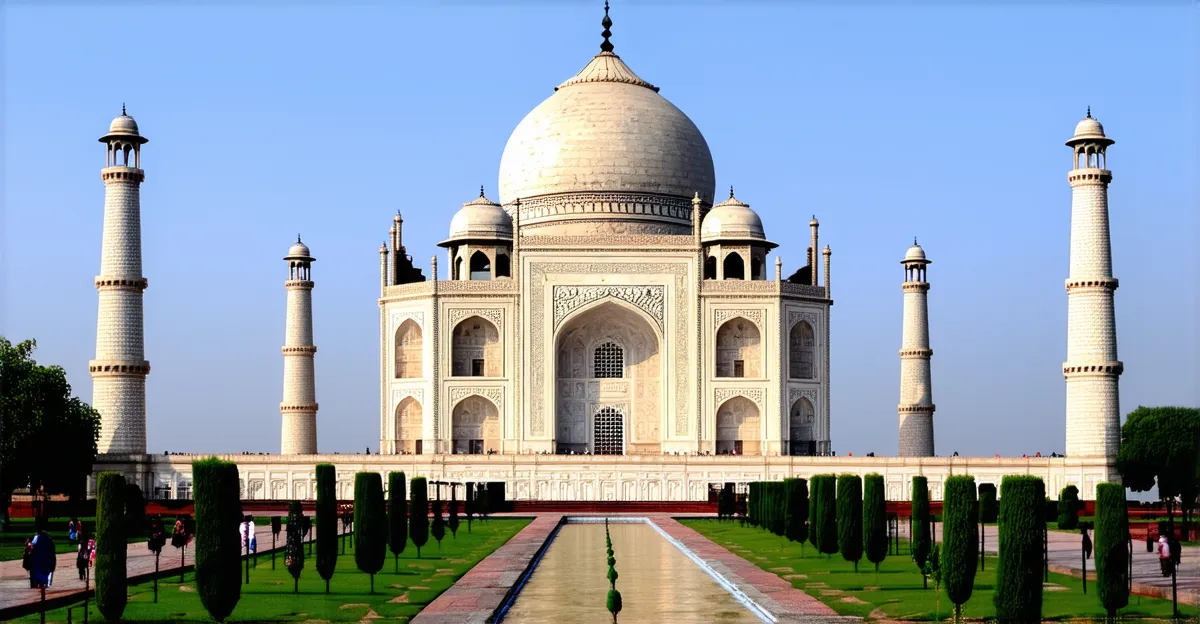
Table of Contents
Things to Do in Agra: Your Ultimate 2026 Guide
Discover the magic of Agra in 2026! Our guide unveils the best things to do in Agra, from the iconic Taj Mahal to hidden local gems, ensuring an unforgettable journey through this historical city. Immerse yourself in the rich culture and architectural wonders that define Agra’s unique charm.
Marvel at the Taj Mahal: A Timeless Wonder
You can find the latest updates on Agra District Administration.
For official information, visit Taj Mahal Official Website.
The Taj Mahal, an ivory-white marble mausoleum on the banks of the Yamuna river, stands as a testament to eternal love and artistic brilliance. Commissioned in 1632 by the Mughal emperor Shah Jahan to house the remains of his beloved wife, Mumtaz Mahal, this UNESCO World Heritage site attracts millions of visitors each year. Indeed, seeing the Taj Mahal is often at the top of the list of Things to Do in Agra. The monument’s intricate detailing, symmetrical design, and serene ambiance create an unforgettable experience. Moreover, the play of light on the marble throughout the day offers a mesmerizing spectacle, making each visit unique. The Taj Mahal truly exemplifies Mughal architecture at its finest.Unveiling the Architectural Marvel
Besides its romantic allure, the Taj Mahal is an architectural masterpiece. Its construction involved skilled artisans from Persia, Turkey, and France, showcasing a blend of various architectural styles. The central dome, surrounded by four smaller domes, is an iconic feature. Furthermore, the minarets, calligraphy, and pietra dura inlay work reflect the meticulous craftsmanship. Each element contributes to the overall harmony and grandeur of the structure. As you explore the monument, notice the attention to detail, a hallmark of Mughal artistry. Therefore, a visit here is not just sightseeing; it’s an immersive experience into a world of beauty and precision. For those looking to delve deeper, consider a private tour of the Taj Mahal and Agra Fort to uncover hidden stories and architectural nuances.
Visiting the Taj Mahal requires some planning. Given its popularity, expect crowds, especially during peak tourist seasons. Therefore, arriving early in the morning or later in the afternoon can help avoid the largest crowds. Also, be aware of security restrictions; certain items like large bags and food are prohibited inside the complex. Dress modestly as a sign of respect. Additionally, hiring a local guide can enrich your visit with historical insights and anecdotes. Exploring the Taj Mahal is one of the quintessential Agra Activities, offering a deep dive into India’s rich cultural heritage. For more options on planning your visit, check out Explore More Agra Activities.
The Taj Mahal remains an enduring symbol of love and architectural prowess. As you stand before this majestic monument, you can feel its timeless beauty and historical significance. Whether you are an architecture enthusiast, a history buff, or simply a traveler seeking awe-inspiring sights, the Taj Mahal promises an unforgettable experience. So, plan your visit, immerse yourself in its splendor, and create memories that will last a lifetime. Don’t miss out on experiencing one of the world’s most iconic wonders. You can even enhance your visit with a skip-the-line ticket for a hassle-free experience.
Explore Agra Fort: A Majestic Mughal Stronghold
Agra Fort, a UNESCO World Heritage site, stands as a powerful symbol of the Mughal Empire’s grandeur. Located on the banks of the Yamuna River, this impressive red sandstone fort was initially built by Emperor Akbar in 1565 and subsequently expanded by his successors, including Shah Jahan. Exploring Agra Fort provides a fascinating journey through Mughal architecture, history, and imperial life. As you wander through its massive gates, intricate courtyards, and opulent palaces, you’ll gain insights into the dynasty that once ruled much of the Indian subcontinent. In fact, it is considered one of the important Things to Do in Agra.
Key Attractions Inside Agra Fort
Within the fort’s walls, several structures stand out. The Diwan-i-Aam (Hall of Public Audience) allowed the emperor to address his subjects, while the Diwan-i-Khas (Hall of Private Audience) hosted important dignitaries and guests. The Jahangir’s Palace, built by Akbar for his son Jahangir, showcases a blend of Hindu and Islamic architectural styles. Moreover, the Khas Mahal, with its exquisite marble work, offers a glimpse into the luxurious lifestyle of the Mughal emperors. From the Musamman Burj, a delicate octagonal tower, Shah Jahan spent his final years gazing at the Taj Mahal, a poignant reminder of his lost love. For those interested in Agra Attractions, the fort is a must-see.
Pro Tip: Hire a local guide at the entrance to enhance your visit with historical anecdotes and hidden stories of the fort. This can significantly enrich your understanding of the site’s importance.
The fort’s strategic importance is evident in its imposing architecture and defensive structures. High walls, massive gates, and a moat once protected the Mughal emperors from invaders. Today, visitors can still appreciate the fort’s military architecture while exploring its palaces and gardens. Besides the historical significance, the fort offers stunning views of the Taj Mahal, providing a perfect backdrop for memorable photos. Furthermore, the fort’s layout and design reflect the Mughal emperors’ sophisticated understanding of art, architecture, and governance.
Visiting Agra Fort is more than just sightseeing; it’s an immersive experience that transports you back in time. You can easily spend hours exploring its various sections, each offering a unique glimpse into Mughal history and culture. So, when planning your Agra Activities, make sure to allocate enough time to fully appreciate this majestic stronghold. Also, it is easily accessible from major parts of the city, making it a convenient addition to your travel itinerary.
To delve deeper into the history and significance of Agra Fort, consider booking a guided tour through GetYourGuide for an enriching experience. You might also want to check out other Agra Activities to make the most of your trip.
Discover Fatehpur Sikri: A City Frozen in Time
Fatehpur Sikri, a UNESCO World Heritage site, stands as a remarkable testament to Mughal architecture and Emperor Akbar’s vision. Built in the 16th century, this city was briefly the capital of the Mughal Empire. Today, it remains a captivating destination near Agra, drawing visitors with its stunning blend of Persian, Islamic, and Indian architectural styles. Exploring Fatehpur Sikri provides a unique glimpse into the imperial court’s life and the artistic grandeur of the Mughal era. Moreover, the city’s well-preserved structures evoke a sense of stepping back in time, making it an essential stop for history enthusiasts and culture seekers alike.
Key Attractions within Fatehpur Sikri
The complex includes several notable structures, each with its own story. The Buland Darwaza, or “Gate of Victory,” is an imposing entrance that demonstrates Akbar’s military achievements. Jama Masjid, one of the largest mosques in India, showcases exquisite marble inlay work. Also, don’t miss the Panch Mahal, a five-story palatial structure offering panoramic views. These sites provide a comprehensive look at Mughal artistry and imperial life. For instance, the intricately carved pillars and expansive courtyards reflect the sophistication of the empire.
Pro Tip: Hire a local guide to fully appreciate the historical significance and architectural details of Fatehpur Sikri. Their insights can significantly enrich your experience.
Visiting Fatehpur Sikri offers numerous Agra Experiences, primarily due to its historical relevance and architectural splendor. The city’s layout and design provide valuable insights into the urban planning strategies of the Mughal period. As you wander through the complex, imagine the bustling activity of courtiers, artisans, and scholars who once inhabited these spaces. Furthermore, the serene atmosphere and well-maintained structures offer a peaceful retreat from the busier areas of Agra. As such, it’s a place where history comes alive, connecting visitors to a rich cultural past.
To make the most of your visit, consider including Fatehpur Sikri as part of your Things to Do in Agra itinerary. It is located a short drive from Agra and can be easily combined with a visit to the Taj Mahal and Agra Fort. Several tour operators offer day trips from Agra, allowing you to explore the city’s highlights conveniently. For those interested in a guided tour, you might consider exploring a private tour of the Taj Mahal and Agra Fort, which often includes a stop at Fatehpur Sikri.
Finally, remember to wear comfortable shoes as you’ll be doing a lot of walking. And hydrate well, especially during the warmer months. By properly planning, your visit to Fatehpur Sikri will undoubtedly be a highlight of your trip, offering a deep dive into the Agra Attractions and the grand legacy of the Mughal Empire. If you want to see more options, explore other Agra attractions.
Wander Through Mehtab Bagh: The Moonlight Garden
🌟 Local Expert Tip: Get the most out of your Agra visit with guided tours!
Mehtab Bagh, translating to “Moonlight Garden,” offers a serene escape from the bustling city of Agra and provides an unparalleled view of the Taj Mahal. Located directly across the Yamuna River from the iconic mausoleum, this meticulously designed garden provides a tranquil setting for reflection and appreciation of Mughal architecture. Originally conceived by Emperor Babur, it was later enhanced by Shah Jahan to be an integral part of the Taj Mahal complex. Therefore, a visit to Mehtab Bagh is essential for anyone seeking a more profound understanding of the Taj Mahal’s aesthetic and historical context. The garden is not just a collection of plants; it’s a carefully curated experience designed to enhance the visitor’s appreciation of the Taj.
A Panoramic Viewpoint
The strategic positioning of Mehtab Bagh offers what many consider the best panoramic view of the Taj Mahal, especially at sunset. As the sun dips below the horizon, the marble facade of the Taj Mahal transforms through a spectrum of colors, creating a magical spectacle mirrored in the Yamuna River. Consequently, photographers and romantics alike find this spot irresistible. Moreover, the garden itself is designed with چار باغ (Char Bagh) style—a quadrilateral layout based on Persian gardens—further enhancing the visual experience. This symmetrical design adds to the overall harmony and balance of the landscape, making it one of the memorable Agra Attractions.
Pro Tip: Arrive at Mehtab Bagh about an hour before sunset to secure a good viewing spot and fully enjoy the changing colors on the Taj Mahal.
Aside from the Taj Mahal view, Mehtab Bagh itself is a haven of natural beauty. Replanted with native flora, the garden showcases a variety of plants and flowers that attract local wildlife, adding to the sensory experience. Furthermore, walkways and water features enhance the tranquil atmosphere, making it a perfect place for a leisurely stroll. The garden also provides insights into Mughal horticulture and their deep connection to nature. Exploring these elements truly enhances your appreciation for Things to Do in Agra.
Whether you’re seeking a peaceful retreat, a photographic opportunity, or a deeper connection with Mughal history, Mehtab Bagh should undoubtedly be on your list. Its unique vantage point and serene environment make it an unforgettable experience. In fact, many consider it one of the best places for Agra Outdoor Activities, providing a refreshing contrast to the city’s more crowded sites. For those interested in exploring this and other such treasures, you might consider booking a guided tour to fully appreciate the historical and cultural significance of Mehtab Bagh and surrounding areas.
Indulge in Local Cuisine: A Culinary Journey
Embarking on a culinary journey in Agra is an essential part of experiencing the city’s vibrant culture. The local cuisine is a rich tapestry of flavors, influenced by Mughal traditions and regional specialties. From aromatic curries to delectable sweets, Things to Do in Agra often revolve around exploring its diverse food scene. As you wander through the bustling streets, the enticing aromas will guide you to hidden gems and well-known eateries alike.
Must-Try Dishes in Agra
No visit to Agra is complete without savoring its signature dishes. Begin with the famous Agra ka Petha, a sweet delicacy made from white pumpkin. Additionally, indulge in flavorful Mughlai dishes like biryani and kebabs, which showcase the region’s culinary heritage. Moreover, don’t miss the opportunity to try local street food such as chaat and samosas, offering a burst of flavors that tantalize the taste buds. In fact, food enthusiasts can even embark on an old Agra street food tour to fully immerse themselves in the culinary scene.
Pro Tip: Venture beyond the tourist hotspots to discover authentic flavors in local markets and family-run restaurants. These hidden gems often offer the most genuine culinary experiences.
Exploring the local cuisine is also one of the best Agra Activities that connects you to the city’s history and culture. Many dishes have stories that date back to the Mughal era, offering insight into the region’s past. Furthermore, local food festivals and culinary events provide additional opportunities to sample a variety of dishes and learn about traditional cooking methods.
For those seeking a more structured experience, consider joining a guided food tour. These tours often include visits to local markets, cooking demonstrations, and tastings of regional specialties. Besides, they offer a convenient way to discover the best culinary spots and learn about the ingredients and techniques used in Agra’s cuisine. With a food tour, you will surely uncover hidden gems and gain a deeper appreciation for the city’s gastronomic delights.
Consider exploring more of Agra’s attractions and outdoor activities after your culinary adventure. Find guided tours and experiences here.
Shop at Kinari Bazaar: A Vibrant Marketplace
Kinari Bazaar, located near the iconic Taj Mahal, is Agra’s bustling and vibrant marketplace, offering a sensory overload of colors, textures, and sounds. It’s a must-visit destination for anyone looking to immerse themselves in the local culture and find unique souvenirs. From intricate jewelry and dazzling fabrics to traditional clothing and exquisite handicrafts, Kinari Bazaar is a treasure trove of Things to Do in Agra.
As you step into this lively bazaar, you’ll be greeted by a maze of narrow lanes filled with shops overflowing with goods. The air is thick with the aroma of spices, the chatter of vendors, and the excited bargaining of shoppers. It’s a truly authentic Indian market experience, far removed from the polished showrooms of modern malls. Moreover, exploring Kinari Bazaar is an adventure in itself, allowing you to witness the daily life and traditions of Agra’s residents. Consider visiting other Agra attractions while you’re in the area to make the most of your trip.
What You Can Find
Kinari Bazaar is particularly famous for its wedding-related items. You’ll find shops selling bridal wear, including lehengas, saris, and sherwanis, adorned with intricate embroidery and embellishments. Additionally, there’s a dazzling array of jewelry, from delicate necklaces and earrings to heavy bangles and anklets. However, even if you’re not planning a wedding, there are plenty of other Agra Experiences to enjoy. Look for colorful bangles, handcrafted items, textiles, and decorative pieces that make perfect souvenirs. Remember to bargain to get the best prices!
Pro Tip: Visit Kinari Bazaar in the late afternoon to experience the market at its liveliest. Be prepared for crowds and be mindful of your belongings. Also, carry cash as many vendors may not accept card payments.
Furthermore, don’t miss the opportunity to sample some of the local street food while you’re at Kinari Bazaar. From savory snacks like samosas and chaat to sweet treats like jalebi and lassi, there’s something to satisfy every palate. Exploring the local cuisine is an integral part of the Things to Do in Agra, and Kinari Bazaar offers a fantastic culinary adventure. To further enhance your culinary journey, you might also be interested in exploring other food experiences in Agra. For those interested in a guided tour of the bazaar and other Agra Attractions, check out GetYourGuide’s Old Agra Street Food Tour.
While exploring the vibrant streets of Agra, remember to check out other Agra outdoor activities to make the most of your visit. Consider booking a tour with GetYourGuide to fully appreciate the cultural richness of Agra. Book your guided tour today!
Visit Itmad-ud-Daulah’s Tomb: The Baby Taj
Often referred to as the “Baby Taj,” Itmad-ud-Daulah’s Tomb is a stunning Mughal mausoleum located on the banks of the Yamuna River. Constructed before the Taj Mahal, this tomb offers a serene and less crowded alternative for visitors seeking Things to Do in Agra. Its intricate marble latticework and exquisite pietra dura inlay work make it a masterpiece of art and architecture. Exploring this gem provides insight into the evolution of Mughal design and craftsmanship.
Architectural Marvels and Historical Significance
The tomb was commissioned by Nur Jahan, the wife of Emperor Jahangir, for her father, Mirza Ghiyas Beg, who was bestowed with the title of Itmad-ud-Daulah. Unlike many Mughal structures that primarily use red sandstone, this tomb is predominantly made of white marble, sourced from Rajasthan. Furthermore, the walls are adorned with semi-precious stones forming intricate floral and geometric patterns. The meticulous detailing and refined artistry make it a captivating site for history and art enthusiasts. It’s truly one of the unmissable Agra Attractions. For a comprehensive exploration of Agra’s architectural wonders, consider this guided tour of Agra Fort and Itmad-ud-Daulah.
Pro Tip: Visit during the golden hour (sunrise or sunset) for the best lighting to capture the stunning details of the tomb and its reflection in the surrounding gardens.
Visiting Itmad-ud-Daulah’s Tomb offers a peaceful retreat from the bustling city. The surrounding gardens are meticulously maintained, providing a tranquil environment for leisurely strolls. Additionally, the location on the Yamuna River offers picturesque views, enhancing the overall experience. Therefore, taking your time to wander through the gardens and appreciate the architecture is highly recommended. This contributes greatly to the list of Agra Experiences one can have.
For those planning their trip, it’s useful to know that the tomb is easily accessible by taxi or auto-rickshaw from most parts of Agra. The entrance fee is relatively low, making it an affordable addition to your itinerary. Moreover, combining a visit to the Baby Taj with other nearby attractions, such as Mehtab Bagh, allows you to maximize your day and delve deeper into Agra’s rich heritage.
Discover more about the historical landmarks and explore other attractions in Agra to enrich your travel itinerary. To experience this architectural marvel with ease, book a private day trip to Agra.
Experience the Taj Mahal at Sunrise: A Breathtaking View
💡 Pro Tip: Book your Agra adventures in advance through Viator for the best deals!
Witnessing the Taj Mahal at sunrise is an experience unlike any other. As the first light of dawn kisses the ivory-white marble, the monument transforms with a soft, ethereal glow. The serene atmosphere, combined with the stunning visual spectacle, makes it a must-do for anyone visiting Agra. Therefore, plan your visit carefully to capture this magical moment.
Firstly, the soft hues of the sunrise paint the Taj Mahal in a range of colors, from pale pink to warm gold. Moreover, the relative quiet of the early morning allows for a more peaceful and reflective experience compared to the bustling daytime crowds. Furthermore, the cool morning air adds to the overall tranquility, enhancing your connection with this timeless wonder. To make your visit seamless, consider booking skip-the-line Taj Mahal tickets.
Planning Your Sunrise Visit
To fully appreciate the sunrise at the Taj Mahal, arrive well before dawn. The gates typically open about 30 minutes before sunrise, and lines can form quickly. Secondly, remember to check the sunrise time for the specific date of your visit, as it varies throughout the year. Bringing a camera is essential to capture the stunning visuals, but be mindful of the restrictions on photography inside the main mausoleum. Consequently, these preparations ensure you make the most of your visit.
Pro Tip: Hire a local guide to learn about the history and significance of the Taj Mahal. Their insights can greatly enrich your experience and provide a deeper understanding of this architectural masterpiece.
Besides the visual spectacle, the sunrise visit offers a spiritual and emotional connection to the Taj Mahal. The peaceful ambiance allows for contemplation and appreciation of the monument’s beauty and the love story behind its creation. Additionally, the experience is often described as awe-inspiring and unforgettable, leaving a lasting impression on visitors. The early morning is also a great time for photography without the harsh sunlight and large crowds. Don’t forget to check out other Agra Attractions to complete your itinerary.
Experiencing the Taj Mahal at sunrise truly exemplifies the Things to Do in Agra. It transcends the ordinary and provides a moment of serene beauty that will stay with you long after you leave. So, consider planning your visit around this breathtaking experience. If you’re coming from Delhi, you might find this Delhi to Taj Mahal day tour convenient. Book your spot today!
Ready to explore the best things to do in Agra? Plan your trip today and immerse yourself in the beauty and history of this unforgettable city in 2026!
Frequently Asked Questions
A: The Taj Mahal is the most iconic attraction and a must-see for any visitor. Other popular spots include Agra Fort, Fatehpur Sikri, and Itmad-ud-Daulah’s Tomb, offering diverse insights into Mughal architecture and history.
A: The ideal time to visit Agra is during the winter months (October to March) when the weather is pleasant and conducive for sightseeing. Avoid the scorching summer months (April to June) for a more comfortable experience.
A: Consider a guided tour for in-depth historical context and to navigate the city efficiently. Explore local markets for handicrafts and souvenirs, and be sure to sample the regional cuisine, including Mughlai delicacies and street food.
A: Yes, Agra offers numerous opportunities for cultural experiences, including attending a live performance of the Taj Mahal show ‘Mohabbat the Taj,’ exploring the vibrant Kinari Bazaar, and participating in local festivals.
A: Beyond the main attractions, explore Mehtab Bagh for a stunning view of the Taj Mahal at sunset, visit the Tomb of Mariam-uz-Zamani, and take a heritage walk through the old city to discover hidden gems.