
Archaeological Museum Hania: Your Greece Visitor Guide
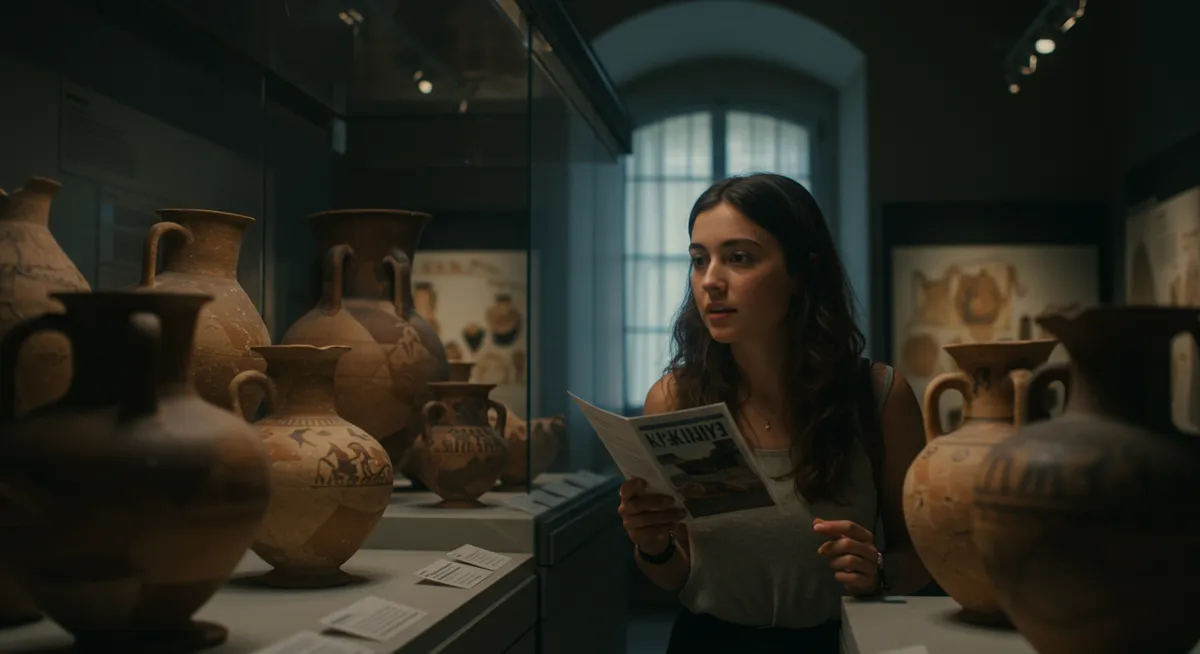
Table of Contents
Archaeological Museum Hania: Your Greece Visitor Guide
As a passionate traveler and someone who’s spent countless hours wandering through Greece’s rich historical sites, I can tell you that the Archaeological Museum Hania Greece is an absolute gem. It’s not just a collection of old things; it’s a vibrant window into Crete’s deep past, offering a tangible connection to the Minoan civilization, Roman rule, and everything in between. This guide is designed to help you navigate your visit, ensuring you get the most out of this fascinating cultural experience in Chania.
Planning Your Visit to the Archaeological Museum Hania Greece
For the most up-to-date details, check Incredible Crete - Chania before you go.
Getting ready for your journey into Hania’s ancient past is straightforward, but a little planning goes a long way. The Archaeological Museum Hania Greece is housed in the former Venetian Monastery of San Francesco, offering a unique blend of historical building and modern exhibit space. Generally, the museum operates on typical Greek museum hours, often closing on Tuesdays, so always double-check their official website or a local tourism office for the most current schedule and ticket prices, especially during different seasons. My tip? Arrive early, right when they open, to enjoy the tranquility before the crowds arrive. This allows for a more intimate experience with the priceless artifacts. Moreover, the museum is conveniently located, making it easy to combine with other exciting Hania activities and Hania attractions in the city center.Unearthing History: Highlights of the Archaeological Museum Hania Collections
Once inside the Archaeological Museum Hania Greece, you’ll embark on a chronological journey through Crete’s captivating history, primarily focusing on the Chania region. The museum showcases an impressive array of finds, ranging from Neolithic tools and stunning Minoan pottery to Roman sculptures and intricate jewelry. You’ll encounter fascinating insights into daily life, funerary customs, and artistic expressions from various periods. Look out for the famous Minoan sarcophagus from Armeni and the beautiful mosaic floors. I always recommend taking your time in the Minoan section; the craftsmanship of the ceramics and seals truly speaks volumes about their advanced culture. Exploring these ancient relics provides a profound understanding of Hania’s deep historical roots, setting the stage for further exploration of hidden historical sites or a stroll around the Venetian Harbor.
Beyond the Exhibits: Engaging with Hania’s Ancient Past
While the Archaeological Museum Hania Greece itself is a treasure trove, its true power lies in how it connects to the broader narrative of Chania’s past. The artifacts inside give context to the ruins and historical buildings you’ll see scattered throughout the city and beyond. For a truly immersive experience, consider joining guided walking tours of Hania’s historical sites after your museum visit; it helps to visualize where these incredible finds originated. This museum provides invaluable insights into ancient Crete, enhancing your overall understanding of authentic cultural experiences. Families visiting with children will appreciate the visual appeal of many exhibits, and the new building often hosts educational programs. My advice: don’t just look at the labels; imagine the lives of the people who used these objects thousands of years ago.
Making the Most of Your Archaeological Museum Hania Experience
⭐ Recommendation: Don't miss out on amazing Chania tours - book now!
To truly maximize your time at the Archaeological Museum Hania Greece, consider allocating at least 1.5 to 2 hours. This allows for a comfortable pace, absorbing the stories each artifact tells. Bring a small notebook to jot down observations or questions, or simply pause to reflect on the immense history surrounding you. The museum shop also offers excellent books and reproductions if you wish to take a piece of Chania’s history home. Combining your visit with a relaxed stroll through the Old Town and the Venetian Harbor afterward creates a perfect day of cultural immersion. Ultimately, the museum enriches your journey into Hania experiences, complementing other things to do in Hania. It’s a journey through time, revealing the layers of human activity that shaped this remarkable part of Greece.
Frequently Asked Questions
⭐ Recommendation: Don't miss out on amazing Chania tours - book now!
Q: Where is the Archaeological Museum of Hania located?
A: The Archaeological Museum of Hania is situated in the former Venetian Monastery of San Francesco on Halidon Street, right in the heart of Chania’s Old Town, making it easily accessible for visitors.
Q: What are the typical opening hours and ticket prices?
A: While hours can vary seasonally, the museum is generally open from Wednesday to Monday, usually closing on Tuesdays. Ticket prices are affordable, typically around €6-€10 for general admission, with reductions for students and seniors.
Q: Is the Archaeological Museum Hania Greece family-friendly?
A: Yes, the Archaeological Museum Hania Greece is generally considered family-friendly. Its well-lit, spacious exhibits and clear displays make it accessible for all ages, though younger children might benefit from a guided approach to keep them engaged.
Visiting the Archaeological Museum Hania Greece is more than just seeing old artifacts; it’s an essential step in understanding the soul of Crete. From its ancient Minoan roots to its Roman influences, the museum provides a vital backdrop to the charming streets and vibrant culture you experience today. So, make sure to carve out time for this incredible journey through time. You’ll leave with a deeper appreciation for this beautiful island and its enduring legacy. Ready to explore more of Hania’s cultural treasures? Dive into other historical sites and local traditions to complete your Cretan adventure!