
Aswan Activities: Top Things To Do in 2026
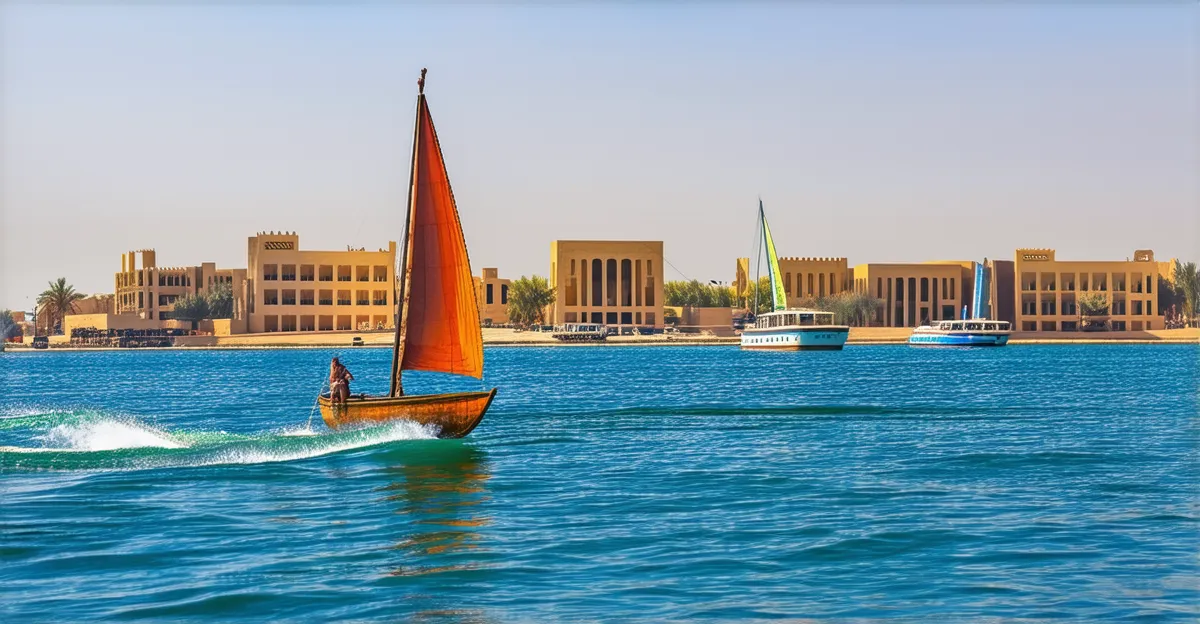
Table of Contents
Aswan Activities: Your Ultimate Guide to Exploring in 2026
Welcome to Aswan, the jewel of the Nile! In 2026, Aswan continues to offer an enchanting array of activities that blend ancient history, Nubian culture, and breathtaking natural beauty. From sailing the majestic Nile to exploring remarkable temples, our guide highlights the very best Aswan activities to make your visit truly unforgettable.
Unveiling Philae Temple: A Spiritual Journey
For the most up-to-date details, check Ministry of Tourism and Antiquities before you go.
For practical details and last-minute changes, use Aswan Governorate Portal.
Philae Temple, relocated to Agilkia Island to save it from the rising waters of Lake Nasser, stands as a testament to ancient Egyptian ingenuity and devotion. More than just a historical site, Philae Temple is an immersive spiritual experience that transports visitors back to the time of pharaohs and gods. As you approach the island by boat, the majestic facade of the temple complex gradually reveals itself, creating a sense of awe and anticipation. This stunning introduction sets the stage for a profound exploration of one of Egypt’s most revered sanctuaries. Moreover, the temple’s relocation has preserved its intricate carvings and architectural grandeur for future generations, making it an essential destination for history enthusiasts and spiritual seekers alike.The temple is dedicated primarily to the goddess Isis, revered as the divine mother and protector. Exploring the temple’s courtyards, halls, and sanctuaries offers insights into the rich mythology and religious practices of ancient Egypt. Furthermore, the detailed reliefs and hieroglyphs adorning the walls narrate tales of gods, goddesses, and pharaohs, offering a visual feast for the eyes and a wealth of historical information for those keen to delve deeper. Therefore, a guided tour can greatly enrich your understanding of these complex narratives.
Architectural Highlights and Symbolic Significance
Philae Temple showcases a remarkable blend of Egyptian, Greek, and Roman architectural styles, reflecting the diverse cultural influences that shaped ancient Egypt. The First Pylon, with its towering gateways and elaborate carvings, serves as a grand entrance to the temple complex. Beyond it lies the Court of Isis, surrounded by colonnades adorned with intricate floral and geometric patterns. Additionally, the Sanctuary of Isis, the heart of the temple, houses the sacred barque of the goddess, symbolizing her divine presence. Besides, each element within the temple complex carries symbolic significance, reflecting the ancient Egyptians’ deep connection to the natural world and their belief in the afterlife.
Visiting Philae Temple is among the top Aswan Activities, offering a serene and inspiring experience that contrasts with the bustling city. As you wander through the temple, take time to appreciate the tranquil surroundings and the stunning views of the Nile River. You’ll discover why it is one of the most popular Aswan Attractions. Consider visiting in the early morning or late afternoon to avoid the crowds and the heat, allowing for a more peaceful and reflective exploration. The Philae Temple Sound and Light Show offers an alternative experience in the evening, illuminating the temple with vibrant colors and narrating its history through captivating storytelling. Don’t miss out on these incredible Aswan Experiences.
If you’re planning a trip to Aswan, consider booking a private tour to Philae Temple for a more personalized and in-depth experience.
Nubian Village Visits: A Cultural Immersion
A visit to a Nubian village is an essential part of experiencing Aswan Activities, offering a vibrant glimpse into the unique culture and traditions of the Nubian people. These villages, typically located on islands or along the banks of the Nile, provide an immersive experience far removed from the bustling city. As you approach, the brightly colored houses stand out against the desert landscape, creating a welcoming and picturesque scene. Moreover, the warmth and hospitality of the Nubian people make this an unforgettable cultural encounter.
Exploring Nubian Culture and Traditions
Once you arrive in a Nubian village, you’ll be greeted with traditional music and dance, offering an immediate introduction to their rich heritage. The Nubian people are known for their distinctive language, customs, and art, all of which are proudly displayed in their daily lives. Things to Do in Aswan often include visiting a Nubian home, where you can enjoy traditional food and learn about their family life. Furthermore, many villages offer hands-on experiences such as henna painting and craft-making, allowing you to actively participate in their cultural practices. Consider exploring more Aswan Activities to enhance your visit.
Pro Tip: Engage with the local artisans and purchase handmade crafts directly from them. This not only supports the community but also provides you with authentic souvenirs to remember your visit.
Aswan Attractions extend beyond the ancient monuments, and the Nubian villages are a testament to the region’s living history. You can explore the colorful markets, where you’ll find spices, textiles, and various handmade goods. Additionally, many tours include a visit to a local school or community center, offering a deeper understanding of the Nubian way of life. As you wander through the village, take the time to admire the intricate designs on the houses, each telling a story of the family who resides within.
For those seeking Aswan Outdoor Activities, a visit to a Nubian village can also include a camel ride through the surrounding desert landscape. This adds an adventurous element to your cultural immersion, providing stunning views of the Nile and the unique terrain. These experiences offer a blend of relaxation and exploration, making your visit truly memorable. To further enhance your exploration, you might find a tour on GetYourGuide to the Nubian Village with a camel tour. Ultimately, visiting a Nubian village is one of the most rewarding Aswan Experiences, leaving you with a profound appreciation for this unique culture and its enduring traditions. Moreover, do not forget to check out other Aswan Experiences to make the most of your trip.
Feluccas on the Nile: A Relaxing Escape
Embarking on a felucca ride on the Nile River is one of the most serene and quintessential Aswan Activities. These traditional wooden sailboats, with their distinctive lateen sails, offer a tranquil escape from the bustling city. As the felucca glides gently along the water, passengers can soak in the breathtaking views of the Nile’s shimmering surface, the lush green islands, and the dramatic desert landscape in the backdrop. The experience provides an opportunity to connect with nature, unwind, and appreciate the timeless beauty of the region. Moreover, this is one of the best Things to Do in Aswan for those seeking relaxation.
Sunset Sails: An Unforgettable Experience
One of the most magical times for a felucca ride is during sunset. As the sun dips below the horizon, the sky transforms into a canvas of vibrant colors, casting a golden glow over the Nile. This creates a picturesque and romantic setting, perfect for couples or anyone seeking a peaceful moment. The gentle breeze, the rhythmic lapping of water against the boat, and the stunning visual spectacle combine to create an unforgettable experience. Furthermore, many tours offer the option to enjoy traditional Egyptian tea or snacks onboard, enhancing the overall experience.
Pro Tip: Negotiate the price with the felucca captain before setting off to ensure a fair deal. Also, consider bringing a light jacket or sweater, as the evenings can get cool, especially during the winter months.
Feluccas typically sail around Elephantine Island, Kitchener’s Island (also known as the Botanical Garden), and other smaller islands dotting the Nile. Elephantine Island, with its ancient ruins and Nubian villages, offers a glimpse into the region’s rich history and culture. Kitchener’s Island, on the other hand, is a tranquil oasis filled with exotic plants and trees from around the world. A felucca ride provides a unique vantage point to admire these Aswan Attractions and appreciate their beauty. Additionally, these rides are among the most popular Aswan Outdoor Activities.
In addition to the scenic beauty, a felucca ride offers a chance to experience the local culture. Engage in conversation with the captain, learn about the history of the Nile, and listen to traditional Egyptian music. This immersive experience provides a deeper understanding of the region and its people. Moreover, for a more comprehensive exploration of Aswan Experiences, you might enjoy a private felucca ride. You can also Explore More Aswan Activities. So, why not unwind and let the gentle currents of the Nile carry you away on a relaxing escape? This offers an enriching and unforgettable way to appreciate the beauty of Aswan.
Exploring the Unfinished Obelisk: A Glimpse into Ancient Engineering
🎯 Insider Tip: Discover the best Aswan experiences with Viator Tours!
Visiting the Unfinished Obelisk in Aswan provides a fascinating peek into the engineering and stone-working techniques of ancient Egypt. Located in the northern quarries of Aswan, this massive obelisk offers a unique opportunity to witness how these colossal monuments were crafted. Although it was never completed due to cracks that appeared in the stone, its sheer size and the marks left by ancient tools make it one of the most intriguing Aswan Attractions.
The Size and Significance
The Unfinished Obelisk is impressive not only for its size but also for what it reveals about ancient Egyptian ambitions. If completed, it would have been the largest obelisk ever erected, measuring approximately 42 meters (137 feet) in length and weighing nearly 1,200 tons. Imagine the logistical challenges involved in moving and erecting such a structure! As you stand beside this massive stone, you gain a profound appreciation for the scale of ancient Egyptian building projects. Moreover, the obelisk provides invaluable insights into the methods used by ancient engineers. For instance, the marks left by dolerite pounding stones show how workers meticulously chipped away at the granite. Thus, exploring the Unfinished Obelisk is undeniably one of the most compelling Things to Do in Aswan.
Visiting the site also allows you to contemplate the reasons why the obelisk was abandoned. The cracks that appeared during the carving process forced the ancient engineers to halt their work, leaving the obelisk in its unfinished state. However, this abandonment turned out to be a boon for archaeologists and historians. As a result, the site provides a clearer understanding of ancient quarrying techniques than completed monuments do. Additionally, the Unfinished Obelisk offers a connection to the past, reminding us of the ingenuity and ambitions of those who lived thousands of years ago.
To further enhance your understanding of ancient Egyptian engineering, consider exploring other nearby sites. A visit to Philae Temple or the Aswan High Dam can complement your understanding of the technological prowess of both ancient and modern Egyptians. Indeed, seeing these sites in conjunction with the Unfinished Obelisk provides a comprehensive view of Aswan’s historical and engineering significance. You can discover more about these connected experiences by exploring Aswan Experiences.
Finally, for an organized tour of the Unfinished Obelisk and other key sites in Aswan, consider booking a guided tour through GetYourGuide for a seamless and informative experience.
Aswan High Dam: A Modern Marvel
The Aswan High Dam stands as a monumental feat of engineering, significantly impacting Egypt’s economy and environment. Completed in 1970, this massive dam controls the Nile’s floods, provides water for irrigation, and generates substantial hydroelectric power. Visiting the Aswan High Dam offers not only a glimpse into modern Egyptian infrastructure but also provides panoramic views of Lake Nasser, one of the world’s largest artificial lakes. Furthermore, the dam represents a pivotal point in Egypt’s development, showcasing how human ingenuity can harness natural resources to meet societal needs.
Understanding the Dam’s Impact
Before the dam’s construction, the annual Nile floods were both a blessing and a curse, providing fertile silt but also causing widespread damage. The Aswan High Dam effectively mitigated these floods, ensuring a consistent water supply for agriculture year-round. As a result, Egyptian farmers could cultivate their lands more reliably, leading to increased agricultural productivity. In addition, the dam’s hydroelectric plant contributes significantly to Egypt’s power supply, reducing the nation’s reliance on fossil fuels. However, it’s crucial to acknowledge the environmental impact, including changes in the river’s ecosystem and the relocation of Nubian communities.
Pro Tip: Visit the Aswan High Dam in the early morning or late afternoon to avoid the intense midday heat and enjoy a more pleasant viewing experience.
Exploring the Aswan High Dam also provides a unique opportunity to learn about the geopolitical context of its construction. The project involved international collaboration and faced numerous challenges, reflecting the complex dynamics of the Cold War era. Despite these challenges, the dam stands as a symbol of Egyptian resilience and determination to modernize the country. Moreover, the views from the top are simply breathtaking, offering a unique perspective on the vastness of Lake Nasser and the surrounding landscape.
When planning your visit to Aswan, including the High Dam is essential for understanding the scale of Egyptian engineering and its impact on the nation. You can explore various Aswan Activities that include a visit to the dam, often combined with other key attractions. Consider joining a guided tour for comprehensive insights and historical context, which will enhance your appreciation of this modern marvel. Don’t miss this significant landmark to fully grasp Things to Do in Aswan.
To make the most of your visit, consider booking a guided tour that includes the Aswan High Dam. Explore guided tours to the Aswan High Dam and other Aswan attractions.
Camel Trekking to St. Simeon Monastery: A Desert Adventure
🎯 Insider Tip: Discover the best Aswan experiences with Viator Tours!
Embarking on a camel trek to St. Simeon Monastery is undoubtedly one of the most unforgettable Aswan Activities. This adventure combines the thrill of desert exploration with the serenity of visiting an ancient monastic site. As you sway atop your camel, you’ll traverse the golden sands, experiencing the timeless landscape that has captivated travelers for centuries. Moreover, this journey offers a unique perspective on the stark beauty of the Egyptian desert and its historical significance. The rhythmic gait of the camel and the vast expanse of sand create a sense of peace and wonder, making it a truly immersive experience.
Preparing for Your Camel Trek
Before setting off, it’s crucial to prepare adequately for the desert environment. Wearing comfortable, loose-fitting clothing, a wide-brimmed hat, and sunglasses is essential to protect yourself from the sun. Furthermore, applying sunscreen and staying hydrated are paramount throughout the trek. Many tours provide bottled water, but it’s advisable to bring extra, especially during the hotter months. In addition to physical preparation, consider the cultural aspects; dressing respectfully and being mindful of local customs will enhance your interaction with the Bedouin guides.
Pro Tip: Opt for a morning or late afternoon trek to avoid the intense midday heat. The cooler temperatures make the journey more comfortable and the lighting ideal for photography.
The journey itself is a highlight, as you witness the ever-changing desert scenery. Sand dunes rise and fall, creating stunning visual effects, and the silence of the desert is broken only by the sounds of your camel and the occasional whisper of wind. As you approach St. Simeon Monastery, the imposing structure emerges from the landscape, a testament to centuries of history. This site, dating back to the 7th century, offers a fascinating glimpse into the lives of early Christian monks and the challenges they faced in this remote location. This trek is definitely one of the top Things to Do in Aswan.
Upon reaching the monastery, take time to explore its well-preserved ruins. The architecture reflects a blend of Coptic and Islamic influences, and the views from the monastery are breathtaking. Reflect on the lives of those who sought solitude and spiritual enlightenment in this isolated place. This visit not only provides a historical lesson but also a moment of introspection amidst the vast desert landscape. Consider booking a guided tour for a more enriching experience.
For those seeking unique Aswan Experiences, camel trekking to St. Simeon Monastery is an absolute must. It’s an adventure that combines physical activity, cultural immersion, and historical exploration, leaving you with memories that will last a lifetime. To discover more Aswan Attractions, explore further options here.
Shopping in Aswan Souks: A Treasure Trove of Souvenirs
🌟 Local Expert Tip: Get the most out of your Aswan visit with guided tours!
Exploring the souks of Aswan offers a vibrant and immersive experience, providing a glimpse into the local culture and a chance to find unique treasures. The Aswan souks, or markets, are bustling hubs of activity, filled with colorful displays of spices, textiles, handicrafts, and jewelry. Shopping in Aswan is not just about buying souvenirs; it’s about engaging with the local community and experiencing the authentic flavors of Egypt. In fact, the souks provide an opportunity to haggle for the best prices and discover hidden gems that you won’t find anywhere else. Therefore, make sure to set aside ample time to wander through these lively markets and soak up the atmosphere.
What to Buy in Aswan Souks
Aswan’s souks are a treasure trove of unique items that reflect the region’s rich cultural heritage. You can find an array of traditional Nubian handicrafts, such as woven baskets, pottery, and intricate beadwork. Aswan Activities often include visits to these markets to purchase spices like saffron, cumin, and cardamom, which are renowned for their quality and aroma. Moreover, the local textiles, including cotton scarves and vibrant fabrics, make excellent souvenirs. Gold and silver jewelry, often handcrafted with intricate designs, are also popular choices. Consequently, remember to explore various stalls and compare prices before making a purchase to ensure you get the best deal. Indeed, bargaining is a common practice, so don’t hesitate to negotiate for a fair price.
As you explore the souks, you’ll encounter friendly vendors eager to share their stories and offer you a taste of local hospitality. Engage in conversations, learn about the craftsmanship behind the products, and savor the opportunity to connect with the community. For example, many artisans create their goods on-site, allowing you to witness the creation process firsthand. Besides, supporting local businesses is a great way to contribute to the sustainability of the community. The Things to Do in Aswan often highlight these souks as must-visit destinations due to their cultural significance and shopping opportunities.
Pro Tip: Visit the Aswan souks in the late afternoon or early evening to avoid the midday heat and experience the markets at their most vibrant. Don’t forget to bring small denominations of Egyptian pounds for easier transactions.
Before you leave, consider purchasing some local teas or herbal remedies, known for their health benefits and unique flavors. You can also find traditional musical instruments, such as the oud or darbuka, perfect for music enthusiasts. Overall, the Aswan Attractions offered in the souks are a great way to immerse yourself in the local culture. To further enhance your Aswan adventure, why not explore the ancient wonders with a private guided tour of Aswan’s highlights? Also, feel free to Explore More Aswan Activities.
With its blend of ancient wonders and serene Nile landscapes, Aswan offers a diverse range of activities for every traveler. Begin planning your unforgettable Aswan adventure today and immerse yourself in the magic of this Nubian gem!
Frequently Asked Questions
A: Philae Temple, dedicated to the goddess Isis, is a relocated temple complex on Agilkia Island. Abu Simbel, even further south, features colossal statues of Ramses II and Nefertari. Both offer stunning insights into ancient Egyptian architecture and religious beliefs.
A: The best time to visit Aswan for pleasant weather is during the winter months (October to April) when temperatures are milder. However, be prepared for peak tourist season and potentially higher prices.
A: Consider a traditional felucca sailing trip on the Nile, exploring Philae Temple, visiting the Nubian Museum, taking a camel ride to St. Simeon Monastery, and experiencing a Nubian cooking class.
A: Yes, day trips to Abu Simbel are readily available from Aswan, either by road (approx. 3 hours each way) or by air (approx. 30 minutes flight). Booking in advance is highly recommended.
A: While some vendors may accept card payments, it’s advisable to carry Egyptian pounds (EGP) for smaller shops, markets, and tipping. ATMs are available in Aswan city.