
Dharamsala Attractions: Top Spots for 2026
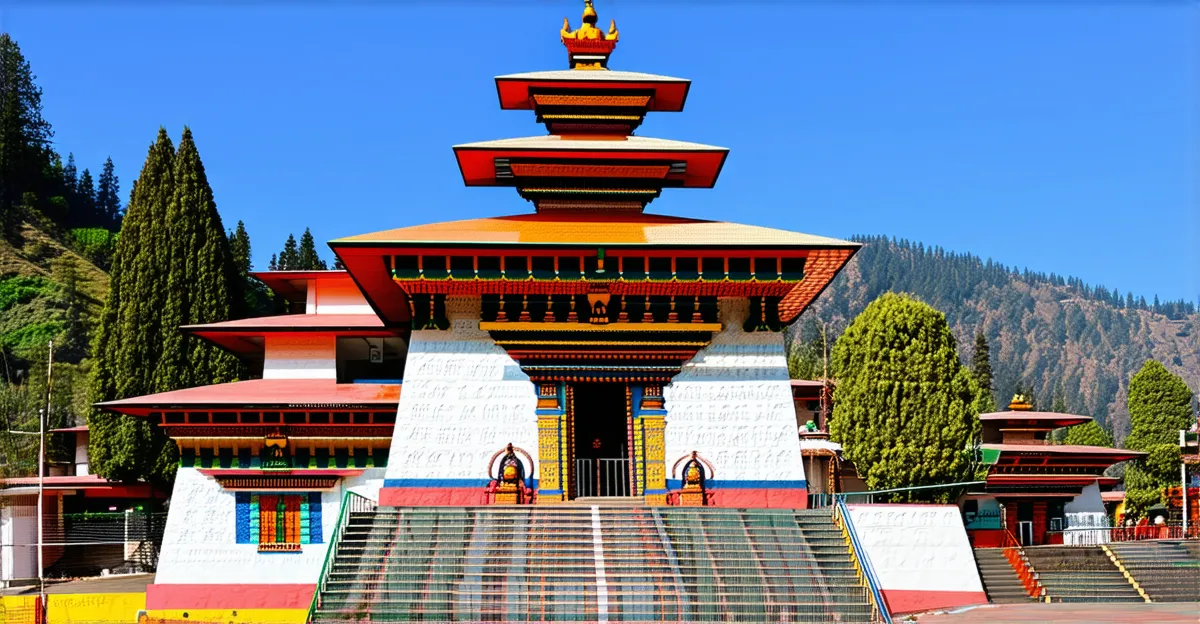
Table of Contents
Discover the Best Dharamsala Attractions in 2026
Welcome to Dharamsala, a mesmerizing hill station nestled in the Himalayas, renowned as the home of the Dalai Lama. In 2026, Dharamsala continues to enchant visitors with its spiritual aura, breathtaking landscapes, and rich Tibetan culture. This guide highlights the must-see Dharamsala attractions, ensuring an unforgettable experience in this serene destination.
Explore the Tsuglagkhang Complex: The Dalai Lama’s Temple
For official information, visit Central Tibetan Administration.
The Tsuglagkhang Complex, located in Mcleod Ganj, Dharamsala, serves as the official residence of the 14th Dalai Lama and stands as a spiritual hub for Tibetan Buddhism. More than just a temple, it’s a place of profound peace and reflection, drawing visitors from all corners of the globe. As you step into the complex, the serene atmosphere immediately envelops you, offering respite from the bustling streets outside. Moreover, the vibrant prayer flags fluttering in the wind add to the spiritual ambiance, symbolizing blessings and well-wishes carried on the breeze.Key Attractions Within the Complex
Within the Tsuglagkhang Complex, several significant sites await exploration. The main temple houses a stunning gilded statue of Buddha, alongside equally impressive statues of Avalokiteśvara and Padmasambhava. Additionally, the Kalachakra Temple features intricate murals depicting the Kalachakra mandala, a complex cosmological diagram. Furthermore, the Namgyal Monastery, associated with the Dalai Lama, is also part of the complex, where monks engage in various rituals and practices. Visiting these sites provides deep insight into Tibetan Buddhist traditions and offers a chance for quiet contemplation. Therefore, it’s essential for anyone seeking Dharamsala Attractions.
Furthermore, the complex includes a museum that showcases the history of Tibet and the struggles faced by the Tibetan people. Through photographs, documents, and artifacts, the museum tells a compelling story of resilience and cultural preservation. Visiting this museum enriches your understanding of the Tibetan diaspora and their unwavering commitment to their heritage. Because of its cultural and historical significance, it is one of the most important Things to Do in Dharamsala.
Pro Tip: Arrive early in the morning to witness the monks chanting and participating in their daily rituals. This experience offers a unique glimpse into their spiritual practices and adds a layer of depth to your visit.
The Tsuglagkhang Complex is not merely a tourist spot; it is a living, breathing center of faith and culture. Visitors are encouraged to be respectful and mindful of their surroundings, maintaining a peaceful demeanor. Whether you are interested in meditation, cultural exploration, or simply seeking tranquility, the complex offers a meaningful experience. In addition to spiritual enrichment, it provides a deeper connection to the values of compassion and peace. The serene environment makes it one of the prime Dharamsala Outdoor Activities, even if it’s just for quiet reflection.
Immerse yourself in the spiritual heart of Dharamsala and experience the profound peace of the Tsuglagkhang Complex. Check out a guided tour for a more in-depth understanding of this sacred site.
Discover the Art and Culture at Norbulingka Institute
The Norbulingka Institute, located near Dharamsala, stands as a vibrant center for preserving Tibetan art, culture, and traditions. Founded in 1988, it offers a serene escape where visitors can immerse themselves in the rich heritage of Tibet. The institute features beautifully landscaped gardens, intricate temples, artisan workshops, and a delightful guesthouse. It’s a place where creativity thrives and ancient crafts are kept alive, providing a unique window into Tibetan identity. As you wander through the complex, you’ll find yourself captivated by the dedication to preserving a culture that has persevered through adversity. Moreover, the tranquil atmosphere invites reflection and appreciation for the intricate details found in every corner of the institute.
Exploring the Artistic Workshops
One of the key Dharamsala Attractions within Norbulingka is its array of artisan workshops. Here, you can witness skilled craftspeople creating traditional Tibetan art forms such as thangka paintings, wood carving, metalwork, and statue making. Each workshop provides insight into the meticulous processes and profound symbolism behind these art forms. Additionally, observing the artisans at work offers a deeper understanding of the cultural significance embedded in each piece. Furthermore, many visitors find these demonstrations to be a highlight of their visit, as it connects them to the living traditions of Tibet. These workshops provide a hands-on experience that enhances your appreciation for the artistry involved. For those interested, you can even participate in short courses to learn the basics of some crafts. To delve deeper into local culture, consider a guided cultural tour of McLeod Ganj.
Beyond the workshops, the Norbulingka Institute boasts stunning architectural design that reflects traditional Tibetan aesthetics. The main temple, with its vibrant murals and serene Buddha statues, is a place of peace and contemplation. The surrounding gardens, complete with flowing streams and colorful flowers, offer a tranquil setting for relaxation and reflection. Therefore, whether you’re an art enthusiast, a culture seeker, or simply looking for a peaceful retreat, Norbulingka promises an enriching experience. Additionally, the institute’s dedication to preserving Tibetan heritage makes it a must-visit destination among the many Things to Do in Dharamsala. Also, don’t miss the opportunity to explore more Dharamsala Activities to enhance your trip.
For a truly immersive experience, consider planning your visit around one of the institute’s cultural festivals or events. These celebrations offer a vibrant glimpse into Tibetan traditions, with music, dance, and elaborate costumes. To make the most of your trip, take advantage of guided tours to gain deeper insights into the art, history, and philosophy behind Norbulingka. Before you go, why not book a tour of Dharamsala and McLeod Ganj for a complete experience?
Experience the Thrill at HPCA Cricket Stadium
The Himachal Pradesh Cricket Association (HPCA) Stadium in Dharamsala is not just a sports venue; it’s a breathtaking experience set against the backdrop of the majestic Dhauladhar mountain range. Consequently, its stunning location makes it one of the most picturesque cricket stadiums in the world. For cricket enthusiasts and nature lovers alike, visiting this stadium is among the top Things to Do in Dharamsala. Moreover, the stadium’s architectural design blends seamlessly with the natural landscape, enhancing the overall aesthetic appeal.
A World-Class Cricket Venue
Hosting both domestic and international cricket matches, the HPCA Stadium offers a thrilling atmosphere for spectators. The stadium has a seating capacity of around 23,000, providing an intimate yet vibrant setting to enjoy the game. Furthermore, the well-maintained pitch and excellent facilities ensure a high-quality cricketing experience. Apart from watching live matches, visitors can also take guided tours of the stadium to learn about its history and significance. It’s indeed one of the premier Dharamsala Attractions.
Pro Tip: Check the HPCA’s official website for match schedules and tour availability. Booking in advance is highly recommended, especially during popular tournaments.
Even if you’re not a die-hard cricket fan, the sheer beauty of the location makes it worth a visit. The crisp mountain air, coupled with panoramic views, creates a serene and invigorating environment. In addition to cricket, the stadium grounds are occasionally used for other events, such as cultural festivals and concerts. Therefore, it’s always a good idea to check the local event calendar to see if anything interesting coincides with your visit.
Experiencing a match here transcends the typical sporting event; it becomes an immersive experience that combines sport with nature. The setting enhances every moment, from the roar of the crowd to the quiet anticipation before a crucial play. Whether you are captivated by the game itself or simply soaking in the stunning scenery, a visit to the HPCA Stadium is undoubtedly one of the most memorable Dharamsala Experiences. For those interested in exploring more of what Dharamsala has to offer, consider a private city tour to discover other hidden gems.
For those seeking a mix of adventure and relaxation, remember to explore Dharamsala’s outdoor activities to make the most of your trip.
Find Serenity at Dal Lake
💡 Pro Tip: Book your Dharamsala adventures in advance through Viator for the best deals!
Nestled amidst lush greenery and towering deodar trees, Dal Lake near Dharamsala offers a serene escape from the hustle and bustle of city life. Although smaller than its namesake in Srinagar, this charming lake possesses a unique tranquility that captivates visitors. The pristine waters reflect the surrounding landscapes, creating a picturesque setting perfect for relaxation and introspection. Indeed, a visit to Dal Lake is among the most peaceful Dharamsala Attractions, allowing one to reconnect with nature and find inner peace.
Moreover, the lake’s calm ambiance makes it an ideal spot for leisurely activities such as boating and strolling along its perimeter. Small tea stalls and cafes dot the area, offering refreshing beverages and snacks, so you can relax while taking in the breathtaking views. The surrounding hills provide a stunning backdrop, enhancing the overall sense of tranquility. For those seeking a meditative experience, the quiet corners of Dal Lake offer the perfect setting to unwind and reflect.
Things to Do Around Dal Lake
Besides enjoying the lake itself, the area around Dal Lake provides several opportunities for exploration and adventure. The nearby Shiva temple is a popular pilgrimage site, attracting devotees and tourists alike. A short trek through the surrounding forests leads to scenic viewpoints, offering panoramic vistas of the Kangra Valley. Additionally, the lake serves as a base for longer treks into the Dhauladhar range, appealing to adventure enthusiasts looking for Dharamsala Outdoor Activities. These trails vary in difficulty, ensuring options for both novice and experienced trekkers.
To further enrich your experience, consider exploring nearby Dharamsala Activities, such as visiting the Tsuglagkhang Complex or the Norbulingka Institute. These cultural and spiritual sites provide deeper insights into the region’s rich heritage. Furthermore, for adventure seekers, a trek to Triund offers unparalleled views of the Himalayas. Don’t forget to check out this guided nature trek for an immersive experience.
Whether you are seeking spiritual solace, natural beauty, or adventurous pursuits, Dal Lake and its surroundings offer a diverse range of experiences. From tranquil moments by the water to exhilarating treks in the mountains, this destination promises an unforgettable journey. Start planning your visit today and discover the serenity that awaits you. For more ideas on Things to Do in Dharamsala, explore our guide to the region’s best experiences. Book your Dharamsala sound healing session now.
Trek to Bhagsu Waterfall: A Refreshing Escape
Embarking on a trek to Bhagsu Waterfall is undoubtedly one of the most invigorating Dharamsala Attractions. Located near the quaint village of Bhagsu, just a short distance from Mcleod Ganj, this moderately easy trek offers a refreshing escape into nature. The trail winds through scenic landscapes, dotted with lush greenery and panoramic views of the surrounding mountains. Therefore, it’s an ideal activity for both seasoned trekkers and beginners eager to explore the natural beauty of the region. Furthermore, the sound of cascading water serves as a soothing backdrop, enhancing the overall trekking experience.
What to Expect on Your Trek
The trek to Bhagsu Waterfall typically takes around 2 to 3 hours, depending on your pace and the number of stops you make along the way. As you begin, the trail is well-defined and relatively easy to navigate. Along the path, you’ll encounter charming cafes and tea stalls where you can pause for refreshments and soak in the stunning vistas. Moreover, as you ascend, the terrain becomes slightly steeper, but the anticipation of reaching the waterfall keeps you motivated. Upon arrival, the sight of the cascading water, plunging into a cool pool below, is truly rewarding. It’s a perfect spot to relax, rejuvenate, and capture some memorable photos. For a guided experience, consider this nature trek in McLeod Ganj.
Pro Tip: Wear comfortable hiking shoes and carry water and snacks. Also, consider visiting during the monsoon season (July-September) when the waterfall is at its fullest, but be cautious of slippery trails.
Besides the waterfall itself, Bhagsu is also known for the ancient Bhagsunag Temple, located near the waterfall’s base. This temple holds significant religious importance and is a peaceful place to visit after your trek. Many visitors take a dip in the holy pool near the temple, believing it to have purifying properties. Therefore, combining the trek with a visit to the temple enriches the overall experience, offering a blend of adventure and spirituality. This contributes to making it one of the best Things to Do in Dharamsala.
For those looking for more Dharamsala Outdoor Activities, the area around Bhagsu offers ample opportunities for further exploration. You can extend your trek to nearby viewpoints or explore the surrounding forests. Additionally, the vibrant culture and serene environment make Bhagsu Waterfall a must-visit destination for anyone seeking a refreshing escape in the heart of the Himalayas. Before you go, explore more Dharamsala outdoor activities. Finally, discover the unique Dharamsala Experiences that await you.
Ready for a refreshing trek? Book your adventure now: Explore Bhagsu Waterfall with GetYourGuide.
Visit the War Memorial: Honoring the Brave
⭐ Recommendation: Don't miss out on amazing Dharamsala tours - book now!
The War Memorial in Dharamsala stands as a solemn tribute to the brave soldiers who sacrificed their lives for India. Located amidst the serene landscapes of Himachal Pradesh, this memorial offers a poignant reminder of the courage and dedication of the armed forces. A visit here is not only a chance to pay your respects but also an opportunity to learn about the history and sacrifices made by these heroes. Moreover, the peaceful environment surrounding the memorial provides a space for reflection and remembrance.
A Place of Remembrance and Gratitude
As you enter the War Memorial, you are greeted by well-maintained gardens and pathways that lead to the central monument. The memorial features stone panels inscribed with the names of soldiers from the region who lost their lives in various wars and conflicts. Furthermore, the site includes informative displays detailing significant battles and the contributions of the armed forces. The tranquil setting, coupled with the powerful symbolism, makes this a deeply moving experience. Consider exploring other Dharamsala Activities after your visit to balance the solemnity with the vibrant culture of the region.
Pro Tip: Allow ample time for quiet reflection as you explore the War Memorial. The serene atmosphere encourages thoughtful contemplation and offers a unique perspective on the sacrifices made for the nation.
Visiting the War Memorial is among the most significant Things to Do in Dharamsala, providing insight into the region’s connection with national defense. Additionally, the memorial serves as an educational resource for visitors of all ages, fostering a sense of patriotism and respect. Therefore, whether you are a history enthusiast or simply wish to pay homage, the War Memorial is a must-visit location. You may also find other things to do in Dharamsala to enrich your travel experience.
Besides honoring the fallen, the War Memorial also showcases the natural beauty of the area. Surrounded by lush greenery and offering panoramic views of the Dhauladhar range, the location provides a calming backdrop for remembrance. Thus, it’s a place where you can connect with both history and nature. You can also explore Dharamsala Outdoor Activities nearby to make the most of your day. In addition to its historical importance, the War Memorial also hosts occasional ceremonies and events that commemorate significant dates in Indian military history, offering a deeper understanding of the nation’s armed forces and their enduring legacy. Don’t forget to check out more Dharamsala Experiences to complete your journey.
To delve deeper into the local culture and history, consider a guided tour of Dharamsala, which often includes a visit to the War Memorial.
St. John in the Wilderness Church: A Historical Gem
Nestled amidst the serene deodar forests near Dharamsala, St. John in the Wilderness Church stands as a poignant reminder of British colonial history and architectural beauty. Constructed in 1852, this Neo-Gothic church is not only a place of worship but also a significant landmark attracting history enthusiasts and peace-seekers alike. Its tranquil setting and unique design make it a must-visit among the numerous Dharamsala Attractions. As you approach the church, the towering deodar trees create an atmosphere of solitude and reverence, setting the stage for a reflective experience.
The church’s stained-glass windows, imported from Belgium, add to its ethereal charm. They depict various biblical scenes, casting colorful patterns of light onto the stone floor. Moreover, the church houses the grave of Lord Elgin, one of the Viceroys of India, adding a layer of historical significance to the site. Therefore, taking the time to explore the churchyard and read the inscriptions on the tombstones offers a glimpse into the lives of those who lived and died in this remote corner of the British Empire.
Architectural and Historical Significance
St. John in the Wilderness Church is renowned for its distinct Neo-Gothic architecture, characterized by pointed arches, ribbed vaults, and intricate detailing. The structure is primarily built of stone, which blends harmoniously with the surrounding natural landscape. Furthermore, the church’s bell tower, though damaged in the 1905 earthquake, still stands tall as a testament to its enduring construction. Exploring this historical site is undoubtedly one of the essential Things to Do in Dharamsala.
In addition to its architectural appeal, the church holds significant historical value. It witnessed the devastating 1905 Kangra earthquake that claimed many lives and caused widespread destruction. Consequently, the church itself suffered damage, and the surrounding area bore the brunt of the natural disaster. Despite this, it was later restored and continues to serve as a symbol of resilience and faith. As one of the most serene Dharamsala Outdoor Activities, visiting this church offers a peaceful retreat.
Ultimately, St. John in the Wilderness Church offers a unique blend of history, architecture, and natural beauty. It’s a place where you can reflect, appreciate the artistry of a bygone era, and immerse yourself in the tranquil surroundings. Indeed, this historical gem should be on every traveler’s list when exploring Dharamsala Experiences.
To further enhance your spiritual journey in Dharamsala, consider a guided walking tour of Dharamsala, exploring more of its sacred sites. Also, remember to Explore More Dharamsala Activities.
Shop for Souvenirs at McLeod Ganj Market
💡 Pro Tip: Book your Dharamsala adventures in advance through Viator for the best deals!
No visit to Mcleod Ganj is complete without a trip to its vibrant market. Nestled in the heart of this bustling town, the Mcleod Ganj Market offers a treasure trove of Dharamsala Attractions, from Tibetan handicrafts to local artwork. Whether you are looking for a unique keepsake or a special gift, this market promises an unforgettable shopping experience. Furthermore, the market’s lively atmosphere, filled with the sounds of bargaining and the aroma of street food, adds to its irresistible charm. As you explore the narrow lanes, you’ll discover an array of items that reflect the rich culture and heritage of the region.
What to Buy
The market is renowned for its collection of Tibetan carpets, shawls, and clothing. These items are not only beautiful but also carry significant cultural value. In addition to textiles, you can find an assortment of handcrafted jewelry, prayer wheels, and Buddhist artifacts. Moreover, the market is a great place to purchase teas, spices, and local produce, allowing you to take a piece of Dharamsala home with you. As you browse, remember that bargaining is a common practice, so don’t hesitate to negotiate for the best price. To further enrich your visit, consider exploring guided village walks to uncover the area’s hidden stories and traditions.
Pro Tip: Visit the market during the off-season (September to June) for a less crowded and more relaxed shopping experience. This way, you can take your time to explore each stall and interact with the local vendors.
Beyond the shopping, the Mcleod Ganj Market is a hub of cultural exchange. Here, you can interact with Tibetan refugees and local artisans, learning about their traditions and way of life. Moreover, the market serves as a meeting point for travelers from all over the world, creating a vibrant and diverse community. Engaging with the locals adds a deeper dimension to your experience, making your visit more meaningful and memorable. For more insight into the local culture, consider the Heritage Cultural Trails walking tour.
As you plan your trip, remember to explore the other Things to Do in Dharamsala. From visiting monasteries to trekking in the Himalayas, Dharamsala offers a wide range of activities to suit every interest. Before or after your shopping spree, you can relax at a nearby cafe, savoring local delicacies and soaking in the atmosphere. Discover more about Dharamsala Activities on our website.
Looking for unique Dharamsala Experiences? Book a guided food tour and savor the local flavors!
Discover the magic of Dharamsala through its many attractions. Start planning your unforgettable journey today and immerse yourself in the spiritual heart of the Himalayas!
Frequently Asked Questions
A: The best times to visit Dharamsala for clear skies and pleasant weather are during the spring (March-June) and autumn (September-November) seasons. These months offer comfortable temperatures for exploring Dharamsala attractions.
A: Some of the most notable Dharamsala attractions include the Tsuglagkhang Complex (Dalai Lama’s temple), the Norbulingka Institute, the HPCA Cricket Stadium, and the scenic Dal Lake. Don’t miss out on exploring the vibrant local markets and trekking opportunities too!
A: Yes, many Dharamsala attractions are suitable for families. The Norbulingka Institute, for example, offers a peaceful and culturally enriching experience for all ages. Also, consider visiting the War Memorial and taking a leisurely stroll around Dal Lake.
A: Dharamsala offers attractions suitable for all types of visitors, including Solo travelers, families, and groups. Its serene atmosphere and diverse cultural experiences make it a welcoming destination for everyone.
A: To fully experience Dharamsala’s attractions, plan for at least 3-4 days. This allows you ample time to explore the main sites, enjoy the scenery, and immerse yourself in the local culture.