
Esfahan Attractions: Your 2026 Travel Guide
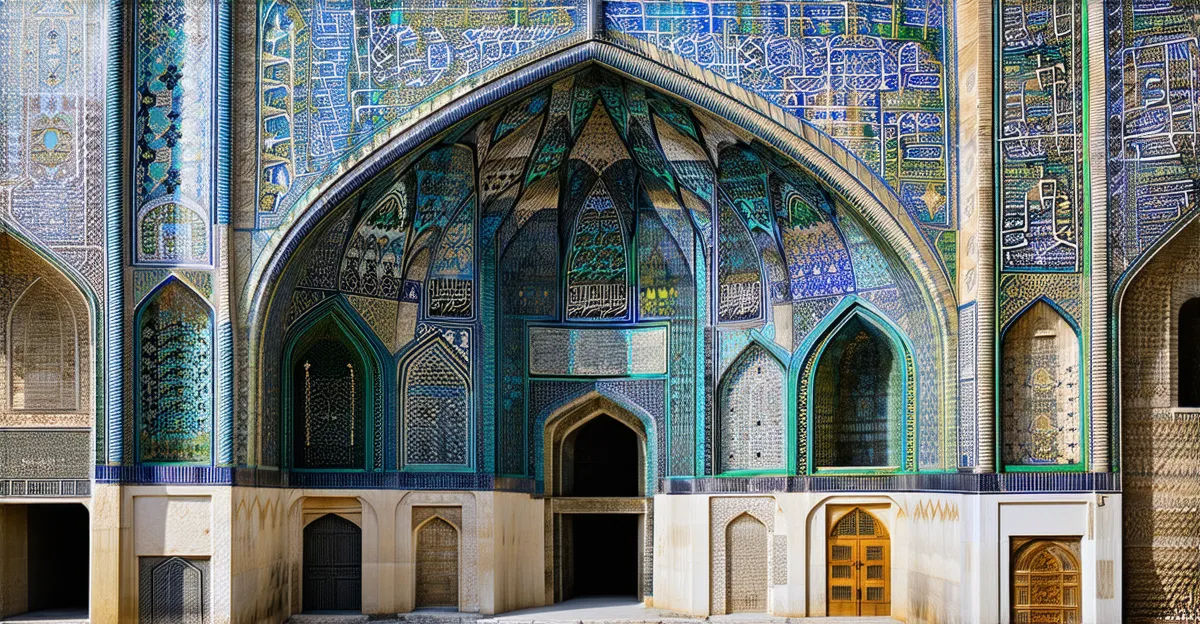
Table of Contents
Explore the Wonders: Esfahan Attractions You Can’t Miss in 2026
Welcome to Esfahan, a city brimming with rich history, stunning architecture, and vibrant culture. In 2026, Esfahan continues to be a top destination for travelers seeking unique and unforgettable experiences. This guide highlights the must-see Esfahan Attractions that will captivate your senses and leave you in awe of this Persian gem.
Naqsh-e Jahan Square: The Heart of Esfahan Attractions
To plan your trip, review Isfahan International Airport.
To plan your trip, review Ministry of Cultural Heritage, Tourism and Handicrafts.
Naqsh-e Jahan Square, also known as Imam Square, is the vibrant epicenter of Esfahan Attractions. This UNESCO World Heritage site is a sprawling public square that encapsulates the rich history, culture, and architectural grandeur of Esfahan. Consequently, it is a must-visit destination for anyone seeking to immerse themselves in the city’s heritage. Measuring approximately 560 meters in length and 160 meters in width, the square is surrounded by remarkable historical monuments, each narrating a chapter of Persia’s glorious past. The square’s central location makes it the ideal starting point for exploring the numerous Things to Do in Esfahan.Architectural Marvels Surrounding the Square
Four magnificent structures frame Naqsh-e Jahan Square: the Imam Mosque, Sheikh Lotfollah Mosque, Ali Qapu Palace, and the Qeysariyeh Bazaar. The Imam Mosque, with its stunning blue-tiled mosaics and towering minarets, stands as a testament to Islamic architectural brilliance. Opposite the mosque, the Sheikh Lotfollah Mosque offers a more intimate and equally mesmerizing display of intricate tile work. Ali Qapu Palace, a six-story structure, served as the royal residence and offers panoramic views of the square. Finally, the Qeysariyeh Bazaar, a historic covered market, provides a glimpse into Esfahan’s vibrant commercial traditions. Each of these sites contributes to the unique character of the square, making it a focal point for both locals and tourists. Moreover, these landmarks collectively showcase the artistic and cultural depth of the Safavid era.
The square is not merely a collection of historical buildings; it is a living, breathing space where the pulse of Esfahan can be felt. Throughout the day, families stroll, vendors sell traditional crafts, and the air is filled with the aroma of local delicacies. In the evenings, the square transforms into a social hub, with illuminated fountains and the soft glow of lights accentuating its beauty. Indeed, the atmosphere is captivating. For those interested in experiencing Esfahan Outdoor Activities, the square provides ample space for leisurely walks and enjoying the city’s ambiance. Furthermore, the presence of horse-drawn carriages adds a touch of old-world charm, offering a unique way to explore the square.
Visiting Naqsh-e Jahan Square offers a diverse range of Esfahan Experiences, from exploring historical sites to enjoying local culture. Whether you are an architecture enthusiast, a history buff, or simply seeking a vibrant cultural experience, the square has something to offer. As a result, it remains one of the most cherished and iconic landmarks in Iran.
To truly appreciate the beauty and history of this square, consider joining a guided tour. Explore Naqsh-e Jahan Square with a local guide. Furthermore, you can Explore More Esfahan Activities for a well-rounded experience.
Imam Mosque: A Masterpiece of Islamic Architecture
The Imam Mosque, also known as the Shah Mosque, stands as a crowning jewel of Islamic architecture in Esfahan, Iran. Situated on the southern side of Naqsh-e Jahan Square, this magnificent mosque is a testament to the artistic and engineering prowess of the Safavid dynasty. Construction began in 1611 under the reign of Shah Abbas I and was completed around 1629. The mosque’s stunning blue-tiled mosaics, intricate calligraphy, and towering minarets create an awe-inspiring spectacle for visitors, making it a highlight among Esfahan Attractions. Moreover, the Imam Mosque not only represents a place of worship but also a symbol of Persian cultural identity and architectural innovation.
Architectural Marvels and Design
The Imam Mosque’s design incorporates sophisticated geometric patterns and acoustics. The main entrance is strategically oriented to face the square, while the mosque itself is angled towards Mecca. This orientation is ingeniously achieved through a connecting corridor. The use of seven-color mosaic tiles adds vibrancy to the structure, depicting floral motifs, geometric designs, and religious inscriptions. Furthermore, the towering dome, standing at 52 meters, is adorned with intricate muqarnas (stalactite-like carvings), showcasing the exceptional craftsmanship of the era. The acoustics inside the dome allow a single voice to echo clearly throughout the entire structure, which enhances the spiritual experience. You can discover more about the cultural significance of this site through various Esfahan Activities.
Pro Tip: Visit the Imam Mosque during prayer times to witness the spiritual ambiance and observe the interactions of local worshippers. Remember to dress respectfully, covering your head and shoulders.
Exploring the Imam Mosque offers a deep dive into the world of Persian art and architecture. The iwans (vaulted spaces), courtyards, and prayer halls are decorated with elaborate tilework, creating a visually stunning environment. Besides the aesthetic appeal, the mosque also serves as a historical record, with inscriptions detailing the names of architects, calligraphers, and artisans who contributed to its creation. Additionally, consider joining a guided tour to fully appreciate the mosque’s history and significance. For those interested in history, there are many enriching Esfahan Experiences.
Visiting the Imam Mosque is an essential part of experiencing the cultural richness of Esfahan. As one of the most significant Things to Do in Esfahan, it provides a captivating insight into Islamic artistry and historical heritage. The combination of visual splendor, architectural ingenuity, and spiritual significance ensures a memorable experience for every visitor. The location is very central and it is easy to discover Esfahan Outdoor Activities nearby. Furthermore, don’t miss the opportunity to capture the beauty of this iconic landmark. Consider booking a tour to explore this and other highlights. Book your Esfahan tour here!
Ali Qapu Palace: Royal Grandeur and Panoramic Views
Ali Qapu Palace, standing proudly on the western side of Naqsh-e Jahan Square in Esfahan, is an architectural marvel that exemplifies the grandeur of the Safavid era. Constructed in the 17th century under the reign of Shah Abbas I, this impressive structure served as a gateway to the royal palaces and a venue for state receptions and entertainment. The name ‘Ali Qapu’ translates to ‘Sublime Gate,’ hinting at its significance as the entrance to the royal complex. Therefore, exploring Ali Qapu Palace is essential to understanding the historical context of Esfahan Attractions.
The Sound Room: A Symphony in Stucco
One of the most striking features of Ali Qapu Palace is the Music Hall, also known as the Sound Room, located on the top floor. This room is adorned with intricately designed stucco decorations in the shapes of various musical instruments, bottles, and vases. These designs are not merely ornamental; they were strategically placed to enhance the acoustics of the room, providing an optimal environment for musical performances. As a result, the Sound Room stands as a testament to the Safavid’s sophisticated understanding of both art and science. Moreover, during royal celebrations, musicians would fill this space with melodies, adding to the palace’s vibrant atmosphere.
Pro Tip: Take your time to appreciate the delicate details of the stucco work in the Sound Room. The play of light and shadow on these intricate designs creates a mesmerizing effect. Consider visiting during off-peak hours to fully enjoy the acoustic ambiance.
Furthermore, the palace boasts stunning panoramic views of Naqsh-e Jahan Square and the surrounding landmarks. The elevated position of Ali Qapu allowed the Safavid rulers to observe activities and events within the square. The palace consists of six floors, each with unique architectural and artistic features. As visitors ascend through the palace, they are treated to increasingly breathtaking vistas. In addition to its aesthetic value, Ali Qapu Palace held significant political importance. Foreign dignitaries and ambassadors were received here, solidifying Esfahan’s status as a major center of diplomacy and trade.
Things to Do in Esfahan often include visiting Ali Qapu to witness its grandeur. The palace has a rich history and impressive architecture. Esfahan Experiences aren’t complete without seeing this attraction, offering a glimpse into Persia’s royal life. Additionally, while exploring, take advantage of the opportunity to capture stunning photographs of Naqsh-e Jahan Square from the palace’s balconies. To delve deeper into the cultural richness of Esfahan, Explore More Esfahan Activities.
Looking for guided tours in Esfahan? Check out Esfahan Tours on GetYourGuide.
Sheikh Lotfollah Mosque: A Sanctuary of Exquisite Beauty
🎯 Insider Tip: Discover the best Esfahan experiences with Viator Tours!
The Sheikh Lotfollah Mosque, an architectural gem in Esfahan, stands as a testament to the exquisite artistry of the Safavid era. Commissioned by Shah Abbas I in the early 17th century, this mosque was intended as a private sanctuary for the royal family, distinguishing it from the more public Imam Mosque. Indeed, its unique design and lack of minarets reflect its exclusive purpose. As you approach this magnificent structure, you will immediately notice its intricate tilework and harmonious proportions, setting it apart as one of the most breathtaking Esfahan Attractions.
Architectural Marvels and Intricate Details
What sets the Sheikh Lotfollah Mosque apart is its distinct design and remarkable attention to detail. Unlike typical mosques, it lacks a courtyard and minaret, emphasizing its role as a royal chapel. The mosque’s single dome, adorned with swirling arabesque patterns that change color throughout the day, is an engineering marvel. Moreover, the interior showcases stunning mosaics and calligraphy, creating an atmosphere of serene beauty and spiritual reflection. For those interested in exploring other facets of Esfahan, you can discover a range of Esfahan Activities.
Pro Tip: Visit the mosque during different times of the day to witness the dome’s tilework transform under varying sunlight conditions, revealing new shades and patterns.
The mosque’s design cleverly addresses the challenge of aligning the entrance with the square while orienting the prayer niche (mihrab) towards Mecca. This is achieved through a subtle angled corridor, showcasing the ingenuity of the architects. Furthermore, the use of light within the mosque is masterful, with sunlight filtering through the delicate latticework to illuminate the interior spaces. This creates a mystical ambiance, making it a truly unique spiritual experience. In fact, many consider a visit to this mosque among the essential Things to Do in Esfahan.
Visiting the Sheikh Lotfollah Mosque offers a profound experience of Islamic art and architecture. The quiet elegance and intricate details invite contemplation and appreciation, making it a highlight of any trip to Esfahan. Besides, exploring this sanctuary provides a deeper understanding of the Safavid dynasty’s artistic achievements. Consequently, the Sheikh Lotfollah Mosque remains a captivating destination, drawing visitors from around the globe to witness its unparalleled beauty.
To further enhance your exploration of Esfahan’s cultural treasures, consider joining a guided tour. Explore Esfahan’s historic sites with a knowledgeable guide and uncover hidden gems.
Chehel Sotoun Palace: Reflecting History in a Garden Paradise
Chehel Sotoun Palace, meaning “Forty Columns,” is a stunning testament to Persian architecture and garden design located in Isfahan. Built in the 17th century by Shah Abbas II as a pleasure pavilion and reception hall, this palace beautifully blends indoor and outdoor spaces. The name “Forty Columns” is derived from the twenty actual columns supporting the entrance pavilion, whose reflections in the adjacent pool create the illusion of forty. This reflective quality enhances the palace’s ethereal beauty, making it a highlight among Esfahan Attractions. As you approach the palace, the symmetrical layout and lush gardens immediately capture your attention, offering a serene escape from the bustling city.
The Alluring Architecture and Artistic Details
Inside Chehel Sotoun, visitors are greeted with lavish murals, intricate mosaics, and delicate stucco work. These artworks depict various historical events, including battles and royal receptions, providing a glimpse into the Safavid era’s opulent court life. Moreover, the palace’s architectural design cleverly integrates with its surrounding gardens, creating a harmonious environment. Large windows and open verandas offer panoramic views of the meticulously manicured lawns and flowerbeds. Considering the detailed craftsmanship and historical significance, Chehel Sotoun Palace truly embodies the essence of Things to Do in Esfahan. It is a place where art, history, and nature converge to create an unforgettable experience. Furthermore, you can explore more Esfahan activities to enrich your travel itinerary.
Pro Tip: Visit Chehel Sotoun in the late afternoon to witness the breathtaking sunset reflecting off the pool, enhancing the palace’s magical ambiance.
The gardens surrounding Chehel Sotoun are just as captivating as the palace itself. Designed in the classic Persian style, the gardens feature a grid-like layout with long pools, fountains, and walkways shaded by ancient trees. As you stroll through this verdant oasis, you’ll find yourself immersed in a tranquil atmosphere, far removed from the city’s noise. The gardens also serve as a perfect spot for relaxation and contemplation. Additionally, they offer a picturesque backdrop for photography enthusiasts aiming to capture the palace’s beauty from various angles. Given its serene environment and historical charm, Chehel Sotoun stands out among Esfahan Outdoor Activities.
For those planning their visit, Chehel Sotoun Palace offers more than just a historical site; it provides an immersive cultural experience. Whether you’re an art lover, history buff, or simply seeking a peaceful retreat, this palace has something to offer everyone. Don’t miss the chance to witness the grandeur and artistic brilliance of Chehel Sotoun Palace, a true gem among Esfahan Attractions. To further enhance your experience, consider booking a guided tour to delve deeper into the palace’s history and significance.
Si-o-se Pol: A Bridge with 33 Arches
Si-o-se Pol, also known as the Allahverdi Khan Bridge, is arguably one of the most iconic Esfahan Attractions. Spanning the Zayandeh River, this magnificent structure is not only a bridge but also a gathering place, a work of art, and a testament to Persian ingenuity. Built in the early 17th century during the reign of Shah Abbas I, it was commissioned by his general, Allahverdi Khan Undiladze, a Georgian statesman who served in the Safavid court. The bridge’s primary purpose was to connect the city’s two main districts, but over time, it evolved into a crucial social and recreational hub. Moreover, the bridge’s impressive architecture and vibrant history make it a must-see destination for anyone visiting Esfahan.
Architectural Marvel and Social Hub
The Si-o-se Pol is renowned for its 33 arches, from which its name is derived, “Si-o-se” meaning “thirty-three” in Persian. This remarkable design not only facilitates the flow of the Zayandeh River but also creates a stunning visual rhythm. Constructed with brick and stone, the bridge features a series of chambers and walkways that provide shaded spaces for relaxation and contemplation. Furthermore, the bridge is adorned with intricate tilework and delicate carvings that showcase the exquisite craftsmanship of the Safavid era. As a result, the Si-o-se Pol stands as a masterpiece of Islamic architecture and a symbol of Esfahan’s cultural richness. To discover more about Things to Do in Esfahan, explore the local offerings.
Pro Tip: Visit Si-o-se Pol at sunset to witness the arches reflecting the golden light of the setting sun. It’s a truly magical sight that captures the essence of Esfahan’s beauty.
Historically, the bridge was also used for religious ceremonies and celebrations. The most famous of these was the Ab-Pashan ceremony, where people would sprinkle water on each other to celebrate the summer solstice. Even today, the Si-o-se Pol remains a central meeting point for locals and tourists alike. You can often find people strolling along the bridge, enjoying picnics by the riverbank, or simply admiring the panoramic views. Considering the many Esfahan Experiences it facilitates, this bridge truly enhances the cultural vibrancy of the city.
The Zayandeh River, while facing environmental challenges in recent years, remains vital to the bridge’s allure. When the river flows, the reflection of the arches on the water creates a breathtaking spectacle, adding to the bridge’s charm and attracting visitors from around the globe. Despite occasional dry spells, efforts are continuously being made to ensure the river’s restoration, preserving the beauty of this historical landmark. For those interested in Esfahan Outdoor Activities, a walk along the Si-o-se Pol is an unforgettable experience. Learn more about outdoor activities in Esfahan.
To make the most of your visit, consider joining a guided tour that provides deeper insights into the bridge’s history, architecture, and cultural significance. These tours often include stories and anecdotes that bring the past to life, offering a richer understanding of this iconic landmark.
Discover the magic of Esfahan! Book your guided tour today and experience the beauty of Si-o-se Pol firsthand.
Vank Cathedral: A Blend of Cultures and Religious Art
Vank Cathedral, also known as the Holy Savior Cathedral, stands as a testament to the cultural fusion and religious tolerance that has characterized Esfahan for centuries. Located in the Armenian quarter of Jolfa, this cathedral is a stunning example of how different artistic and religious traditions can coexist and enrich one another. Established in the 17th century by Armenian deportees who were resettled in Esfahan by Shah Abbas I, Vank Cathedral beautifully blends Armenian Christian architectural styles with Persian Islamic decorative elements.
Architectural and Artistic Marvels
Upon entering Vank Cathedral, visitors are immediately struck by the vibrant frescoes that adorn the walls and ceilings. These paintings, executed in a distinctly Persian style, depict biblical stories, scenes from Armenian history, and allegorical images. Furthermore, the intricate tilework, gilded carvings, and elaborate mosaics showcase the remarkable craftsmanship of both Armenian and Persian artisans. The cathedral’s bell tower, a later addition, further enhances its unique architectural profile. As you explore the cathedral complex, you’ll discover a fascinating collection of religious artifacts, historical documents, and a memorial to the Armenian Genocide, enriching your understanding of Armenian history and culture. Indeed, the cathedral serves as a living museum, reflecting the rich tapestry of influences that have shaped Esfahan’s identity.
Pro Tip: Take your time to examine the frescoes closely; each painting tells a story, offering insights into the beliefs and historical experiences of the Armenian community in Esfahan.
Visiting Vank Cathedral is more than just a sightseeing trip; it’s an immersive cultural experience. Additionally, the adjacent museum houses a curated collection of Armenian costumes, religious books, and historical artifacts, which provide deeper context to the community’s past. Outside the cathedral, the peaceful atmosphere of the Armenian quarter invites you to wander through its narrow streets, discovering charming cafes and artisan workshops. Engaging with the local community offers a unique perspective on contemporary Armenian life in Iran, bridging the past and present.
Whether you’re interested in art, history, or cultural exchange, Vank Cathedral offers a rewarding experience. Its blend of architectural styles and artistic traditions makes it one of the most unique and captivating Esfahan Attractions. The cathedral not only serves as a place of worship but also as a symbol of cultural dialogue and mutual respect. Consider adding this remarkable site to your list of Things to Do in Esfahan. Discover more about Esfahan Activities and plan your visit today. For an even more enriching experience, consider joining a guided tour to delve deeper into the cathedral’s history and significance. You can book a guided tour in Esfahan and explore other incredible sites.
Hasht Behesht Palace: The Eight Paradises Pavilion
Nestled within the verdant expanse of Esfahan’s gardens, the Hasht Behesht Palace, translating to “Eight Paradises,” stands as a testament to Persian architectural ingenuity and aesthetic refinement. Constructed in 1669 during the reign of Shah Suleiman of the Safavid dynasty, this exquisite pavilion offers a glimpse into the opulence and sophistication of royal life. Furthermore, its design is a celebration of harmony and balance, with each facet carefully considered to enhance the overall sensory experience. Visiting Hasht Behesht is not merely a sightseeing activity; it’s an immersion into a world where art, nature, and history converge. The palace exemplifies Esfahan Attractions at their finest, drawing visitors into a realm of unparalleled beauty.
Architectural Marvel and Garden Integration
The architectural layout of Hasht Behesht is truly remarkable. The palace features an octagonal design, which is ingeniously divided into numerous rooms, each exhibiting unique decorative elements. These spaces are adorned with intricate stucco work, mirrored mosaics, and delicate frescoes that reflect the palace’s name, symbolizing the eight levels of paradise in Islamic cosmology. In addition to its design, the palace seamlessly integrates with the surrounding garden, creating a tranquil environment that complements its aesthetic appeal. Moreover, the careful placement of fountains and waterways enhances the ambiance, providing a soothing soundtrack to the visual splendor. Indeed, exploring Things to Do in Esfahan wouldn’t be complete without experiencing this architectural jewel.
Pro Tip: Visit Hasht Behesht during the golden hours of sunrise or sunset to witness the palace bathed in soft, ethereal light, which accentuates its architectural details and enriches the colors of the garden.
Beyond its architectural and aesthetic qualities, Hasht Behesht also served a crucial role in the Safavid court. It functioned not only as a royal residence but also as a venue for state receptions and private gatherings. The palace facilitated interactions between the Shah and his courtiers, solidifying its place as a locus of power and influence. Consequently, understanding the historical context of Hasht Behesht adds depth to the visitor experience, providing insights into the political and social dynamics of the era. So, if you are looking for Esfahan Experiences, this place should be on your list.
Visiting Hasht Behesht offers a unique opportunity to witness the culmination of Persian artistry and royal ambition. It is a place where history, culture, and natural beauty intertwine, creating an unforgettable impression. As you plan your trip, consider including this enchanting palace among your list of must-see Esfahan Outdoor Activities. To enhance your visit, why not explore guided tours, which provide deeper insights into its history and significance?
Ready to discover the best Esfahan Attractions? Plan your visit today and immerse yourself in the beauty and history Esfahan has to offer!
Frequently Asked Questions
A: The Naqsh-e Jahan Square, a UNESCO World Heritage site, is a must-see, along with the stunning Imam Mosque and Sheikh Lotfollah Mosque. Don’t miss the Ali Qapu Palace for its incredible views and intricate architecture.
A: Spring (April-May) and Autumn (September-October) offer pleasant weather, ideal for exploring Esfahan’s outdoor attractions and historical sites. The city is vibrant and beautiful during these months.
A: Yes, many attractions offer guided tours in English and other languages. Booking in advance is recommended, especially during peak tourist season, to ensure availability.
A: While some attractions offer online booking, it’s generally easy to purchase tickets on-site. However, for popular attractions like the Imam Mosque, arriving early is advisable to avoid long queues.
A: Yes, the Si-o-se Pol (33 Arches Bridge) and Khaju Bridge are particularly enchanting at night, offering stunning views of the city and Zayandeh River. The illuminated architecture creates a magical atmosphere.