
Esfahan Activities: Top Things to Do in 2026
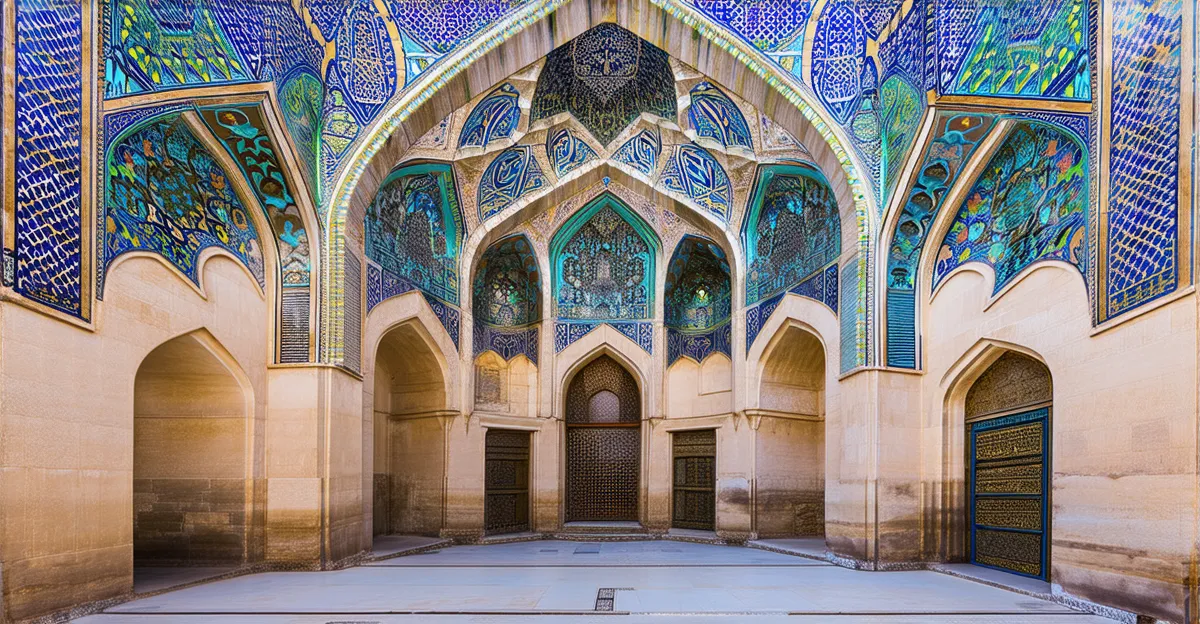
Table of Contents
Esfahan Activities: Your Ultimate 2026 Guide
Planning a trip to the enchanting city of Esfahan in 2026? Discover a wealth of incredible Esfahan activities that await you! From exploring stunning historical sites to indulging in vibrant cultural experiences, Esfahan offers something for every traveler. Our comprehensive guide will help you uncover the best things to do in Esfahan, ensuring an unforgettable adventure.
Exploring Naqsh-e Jahan Square: A UNESCO World Heritage Site
For official information, visit Isfahan Municipality.
You can find the latest updates on Visit Iran - Isfahan.
Naqsh-e Jahan Square, also known as Imam Square, stands as the heart and soul of Esfahan and a testament to Persian architectural grandeur. Designated a UNESCO World Heritage Site, this expansive public space offers a mesmerizing blend of history, culture, and artistry. Indeed, the square’s vastness and meticulously planned layout make it a captivating destination for travelers seeking to immerse themselves in Iran’s rich heritage. The square is framed by stunning architectural masterpieces and bustling bazaars, offering visitors a unique blend of historical exploration and cultural immersion. Because of its significance and beauty, it remains a focal point for both locals and tourists alike.A Historical and Cultural Hub
Constructed in the early 17th century by Shah Abbas I, Naqsh-e Jahan Square was designed to showcase the power and splendor of the Safavid Empire. Consequently, it has served various purposes throughout history, from a royal polo ground to a venue for public celebrations and proclamations. Today, it continues to be a vibrant center of activity, hosting festivals, gatherings, and everyday social interactions. As a result, visitors can experience the living pulse of Esfahan within its ancient confines. Furthermore, the square is surrounded by several significant historical structures.
Pro Tip: Visit Naqsh-e Jahan Square in the late afternoon to witness the magical transformation as the setting sun casts a golden glow on the surrounding monuments. This is also the perfect time to enjoy a leisurely stroll and soak in the atmosphere.
The square is flanked by four iconic structures: the Imam Mosque, the Sheikh Lotfollah Mosque, Ali Qapu Palace, and the entrance to the Esfahan Grand Bazaar. Each of these landmarks contributes to the square’s unique charm and historical significance. While exploring the square, visitors can marvel at the intricate tilework of the mosques, wander through the opulent chambers of Ali Qapu Palace, and delve into the labyrinthine alleys of the bazaar. In addition to these architectural wonders, the square itself is adorned with beautifully manicured gardens, fountains, and traditional teahouses, providing ample opportunities for relaxation and contemplation.
Visiting Naqsh-e Jahan Square is an essential part of experiencing Esfahan Activities. It offers a comprehensive introduction to the city’s cultural and historical identity, as well as some of the best Things to Do in Esfahan. Whether you’re interested in history, architecture, or simply soaking in the local atmosphere, this UNESCO World Heritage Site promises an unforgettable experience. To discover more about Esfahan Attractions, you can Explore More Esfahan Activities. Also, consider enhancing your visit with a guided tour from GetYourGuide for a deeper understanding of this historic site.
Visiting the Majestic Mosques: Sheikh Lotfollah and Imam Mosque
Esfahan is renowned for its stunning Islamic architecture, and no visit is complete without experiencing the grandeur of its majestic mosques. The Sheikh Lotfollah Mosque and the Imam Mosque, both located in Naqsh-e Jahan Square, represent the pinnacle of Persian architectural achievement. As you plan your Esfahan Activities, remember that these mosques provide a profound insight into the city’s rich cultural and religious heritage. These sites draw visitors from around the globe, offering not just aesthetic beauty but also a deep sense of spiritual and historical significance.
Sheikh Lotfollah Mosque: A Sanctuary of Elegance
The Sheikh Lotfollah Mosque, commissioned by Shah Abbas I in the early 17th century, was intended as a private mosque for the royal court. Consequently, it lacks the traditional minarets found in other mosques. Instead, its exquisite dome and intricate tile work offer a more intimate and refined atmosphere. The mosque’s interior is bathed in soft, natural light, enhancing the delicate arabesques and calligraphy that adorn its walls. Moreover, the play of light and shadow creates a mesmerizing visual experience. Consider visiting during different times of the day to fully appreciate how the light transforms the space. Discover more about Things to Do in Esfahan and plan your visit accordingly.
Pro Tip: Take your time inside the Sheikh Lotfollah Mosque. Sit quietly and observe the intricate details of the tile work and the mesmerizing patterns on the dome. The tranquility of the space offers a respite from the bustling square outside.
Imam Mosque: A Testament to Grandeur
In contrast to the Sheikh Lotfollah Mosque, the Imam Mosque (formerly known as the Shah Mosque) is a monumental structure designed to impress. It stands as a testament to the opulence and power of the Safavid Empire. Its towering minarets and vast courtyard reflect the ambition of Shah Abbas I to create a mosque that would rival any in the Islamic world. The mosque’s exterior is covered in brilliant blue tiles, creating a breathtaking spectacle. Furthermore, the acoustics inside the main prayer hall are remarkable; a single shout can be heard echoing throughout the vast space. For those interested in Esfahan Attractions, the Imam Mosque is an unmissable landmark.
Visiting these mosques is an essential part of experiencing the spiritual and artistic heart of Esfahan. The Sheikh Lotfollah Mosque and the Imam Mosque are not just architectural marvels; they are living embodiments of Persian culture and history, offering a window into a world of profound beauty and intricate craftsmanship. To make the most of your visit, explore guided tours that delve into the history and artistry behind these incredible structures. Check out guided tours of historical sites in Esfahan for a comprehensive experience.
Strolling Along the Historical Bridges: Si-o-se-pol and Khaju Bridge
Esfahan, often celebrated as the jewel of Persia, is renowned for its stunning architecture and rich cultural heritage. Among the most captivating Esfahan Attractions are its historical bridges, particularly Si-o-se-pol and Khaju Bridge. These bridges are not merely functional structures; they are integral parts of the city’s identity, serving as gathering places, architectural marvels, and testaments to Persian engineering prowess. A leisurely stroll along these bridges offers a unique opportunity to soak in the city’s atmosphere and appreciate its historical depth.
Si-o-se-pol: The Bridge of Thirty-Three Arches
Si-o-se-pol, also known as the Allahverdi Khan Bridge, is an iconic symbol of Esfahan. Built in the early 17th century, this bridge is celebrated for its impressive length and symmetrical design. Featuring thirty-three arches, it spans the Zayandeh River, providing breathtaking views of the city. Furthermore, the bridge’s structure reflects the architectural brilliance of the Safavid era. As you walk along Si-o-se-pol, you’ll encounter locals and tourists alike, all drawn to its beauty and historical significance. The bridge is a popular spot for evening gatherings, where the illuminated arches create a magical ambiance. Indeed, experiencing Si-o-se-pol at night is one of the essential Esfahan Experiences.
During the day, the bridge offers a different charm, with sunlight casting intricate shadows across the arches and water. It’s a perfect location for photography enthusiasts and those seeking a peaceful retreat from the bustling city. In addition, the surrounding area is replete with tea houses and gardens, providing ample opportunities to relax and enjoy the scenery. Learn more about Esfahan’s other attractions to plan a comprehensive visit.
Khaju Bridge, another masterpiece of Persian architecture, is renowned for its artistic embellishments and intricate tilework. Built by Shah Abbas II around 1650, this bridge served not only as a crossing but also as a dam. The structure includes sluice gates that control the river’s flow, showcasing the sophisticated engineering of the time. Moreover, Khaju Bridge features beautiful pavilions in the center, offering shaded areas to relax and admire the views.
Strolling along Khaju Bridge, you’ll be mesmerized by its detailed ornamentation and the vibrant atmosphere. The bridge is a popular meeting place, especially in the evenings, where locals gather to sing and socialize. The reflections of the bridge’s lights on the water create a mesmerizing scene, making it an unforgettable experience. Be sure to check out other Esfahan Outdoor Activities for a complete travel itinerary. Discover guided tours of Esfahan’s wonders here.
Immersing Yourself in Persian Art: The Vank Cathedral
🎯 Insider Tip: Discover the best Esfahan experiences with Viator Tours!
The Vank Cathedral, also known as the Holy Savior Cathedral, is a stunning testament to the blend of Persian and Armenian artistic traditions. Located in the New Julfa district of Esfahan, this cathedral stands as a vibrant reminder of the Armenian community’s rich history and cultural contributions to the city. As you step inside, you’ll be immediately captivated by the intricate frescoes, ornate carvings, and unique architecture that make it a must-see destination. Furthermore, the cathedral offers a tranquil escape from the bustling city, inviting visitors to reflect on its historical significance and artistic grandeur.
The Architectural and Artistic Marvel
The architecture of the Vank Cathedral is a fascinating fusion of Islamic and Armenian styles. Completed in the mid-17th century, the exterior features a blend of brickwork and tile designs typical of Persian architecture, while the interior showcases elaborate Armenian Christian art. The walls and ceilings are adorned with frescoes depicting biblical stories, scenes from Armenian history, and depictions of heaven and hell, all rendered in vivid colors and meticulous detail. These frescoes are not only visually stunning but also serve as a valuable historical record, reflecting the cultural and religious beliefs of the time. Experiencing these visual narratives is undoubtedly one of the most enriching Esfahan Activities.
Pro Tip: Allocate at least two hours to fully explore the cathedral and its museum. The museum houses a remarkable collection of Armenian artifacts, including historical manuscripts, religious relics, and traditional costumes, providing deeper insights into the community’s heritage.
Beyond the frescoes, the cathedral’s ornate altar, intricate tile work, and beautifully carved wooden doors further enhance its artistic allure. The attention to detail is simply breathtaking, with every corner revealing something new and fascinating. The Vank Cathedral is more than just a religious site; it’s a living museum that vividly portrays the intersection of cultures and artistic expressions. Indeed, it represents one of the finest examples of Things to Do in Esfahan for art and history enthusiasts.
Visiting the Vank Cathedral allows you to delve into the heart of Persian art while also honoring the Armenian community’s enduring legacy. It is a journey through time and culture that leaves a lasting impression. Don’t miss the opportunity to witness this remarkable site when exploring Esfahan Attractions. To further plan your cultural explorations, discover other unique Esfahan experiences here.
To enhance your visit, consider joining a guided tour to gain deeper insights into the history and artistry of the Vank Cathedral. You can book a tour through GetYourGuide for an informative experience.
Discovering the Charms of the Esfahan Grand Bazaar
The Esfahan Grand Bazaar, also known as the Qeysarieh Bazaar, is a sprawling historical market that stands as one of the oldest and largest bazaars in the Middle East. It is not just a marketplace; it’s a living, breathing tapestry of Persian culture, commerce, and craftsmanship. As you step into this labyrinthine world, you’re immediately enveloped by a sensory overload of vibrant colors, exotic aromas, and the lively sounds of merchants and customers engaging in trade. Furthermore, the bazaar offers an unparalleled glimpse into the traditional Esfahan Activities and serves as a hub for both locals and tourists seeking authentic Persian goods.
A Shopper’s Paradise and Cultural Experience
Wandering through the Esfahan Grand Bazaar is akin to stepping back in time. Each section of the bazaar specializes in different goods, from intricately designed Persian carpets and hand-painted tiles to spices, textiles, and traditional clothing. Moreover, the architecture itself is a marvel, with its vaulted ceilings, ornate tile work, and hidden courtyards providing a cool respite from the bustling crowds. Exploring the bazaar is one of the top Things to Do in Esfahan, as it offers an immersive experience into the heart of Persian artistry and trade. Additionally, you can find unique souvenirs and witness the skilled artisans at work, preserving ancient crafts.
Pro Tip: Don’t be afraid to haggle! Bargaining is a common practice in the bazaar, and it’s expected that you negotiate the price with the vendors to get the best deal.
Beyond the shopping, the Esfahan Grand Bazaar is a cultural treasure trove. Scattered throughout the bazaar are historical mosques, caravanserais, and tea houses where you can pause, relax, and soak in the atmosphere. Indeed, these communal spaces offer a chance to connect with locals and savor traditional Persian tea and sweets. As a result, the bazaar provides a holistic experience that goes beyond mere commerce, enriching visitors with a deeper understanding of Persian heritage. For more insights, you can explore Esfahan’s main attractions.
To fully appreciate the bazaar, it’s recommended to allocate several hours for exploration. Start at Naqsh-e Jahan Square, the bazaar’s grand entrance, and then let your curiosity guide you through its winding alleys. Engaging with local vendors, sampling traditional snacks, and admiring the intricate craftsmanship are essential parts of the experience. The Esfahan Grand Bazaar is not just a place to shop; it’s a journey into the soul of Esfahan.
Ready to immerse yourself in the wonders of Esfahan? Book a guided tour of Esfahan’s historical sites and enhance your adventure today!
Relaxing in the Beautiful Gardens: Chehel Sotoun Palace
🎯 Insider Tip: Discover the best Esfahan experiences with Viator Tours!
Chehel Sotoun Palace, whose name translates to ‘The Forty Columns,’ is a jewel within Esfahan, celebrated for its stunning gardens and exquisite architecture. Built in the 17th century as a pleasure pavilion and reception hall by Shah Abbas II, the palace is a testament to Persian artistry and royal grandeur. The perfectly manicured gardens offer a serene escape from the bustling city, making it an ideal location for relaxation and reflection. Furthermore, the harmonious blend of nature and architecture creates an unforgettable experience for visitors exploring Esfahan Activities.
A Tranquil Oasis in the Heart of Esfahan
As you stroll through the gardens, you’ll discover a meticulously designed landscape featuring symmetrical pathways, flower beds, and water features. The centerpiece is a large reflecting pool that mirrors the palace’s twenty columns, creating the illusion of forty, hence the name. Moreover, this optical effect enhances the palace’s allure, providing picture-perfect moments and tranquil vistas. Therefore, spending time here is undeniably one of the most calming Things to Do in Esfahan. The lush greenery and soothing sounds of water provide a respite, allowing visitors to unwind and appreciate the palace’s historical and artistic significance.
Pro Tip: Visit Chehel Sotoun Palace in the late afternoon to witness the breathtaking sunset reflecting off the pool and the palace façade, creating a magical ambiance.
The interior of Chehel Sotoun Palace is equally captivating, adorned with intricate frescoes and murals depicting historical events and royal ceremonies. These artworks offer valuable insights into the Safavid era, showcasing the opulent lifestyle and cultural richness of the time. In addition to the art, the palace’s architectural details, such as the ornate ceilings and delicate stucco work, further enhance its aesthetic appeal. Therefore, exploring both the interior and exterior of Chehel Sotoun provides a comprehensive understanding of Persian artistic achievements.
Furthermore, the gardens surrounding Chehel Sotoun are not just visually appealing but also historically significant. They are designed based on the principles of the Persian garden, known as Charbagh, which symbolizes paradise on earth. Each element, from the carefully chosen plants to the precise layout, reflects a deep connection to nature and spirituality. As a result, these gardens provide a space for quiet contemplation, inviting visitors to connect with the past and find peace in the present. Consider this as you plan your Esfahan Experiences, ensuring a balanced itinerary of cultural immersion and serene relaxation.
To enhance your experience, consider joining a guided tour that delves into the history and symbolism of Chehel Sotoun Palace and its gardens. A knowledgeable guide can provide valuable context, enriching your understanding and appreciation of this remarkable site. For a deeper dive into Esfahan Attractions, explore more historical sites in Esfahan and consider booking your activities through platforms like GetYourGuide for a hassle-free experience.
Experiencing Traditional Persian Cuisine: A Culinary Adventure
Embarking on a culinary adventure in Esfahan is a must for any traveler seeking an authentic taste of Persian culture. Traditional Persian cuisine is more than just food; it’s an integral part of the nation’s heritage, reflecting centuries of history, regional influences, and artistic expression. Every dish tells a story, from the saffron-infused rice to the delicately spiced stews. Therefore, exploring the local culinary scene provides a unique window into the heart and soul of Esfahan. Moreover, the aromas, flavors, and presentation create a sensory experience that is both enriching and memorable.
Must-Try Dishes in Esfahan
Esfahan boasts a variety of dishes that are unique to the region. For example, Beryani, a flavorful mutton or lamb dish cooked in a special oven and served on a piece of bread, is a local specialty. Also, be sure to try Khoresht Mast, a sweet and savory yogurt stew often served as an appetizer. Furthermore, Ghormeh Sabzi, a herb-based stew with kidney beans and lamb, is a staple in Persian households and a delightful introduction to Iranian flavors. Experiencing these dishes is among the top Esfahan Activities that connect you to the local culture. You can discover more about local attractions at Esfahan Attractions.
Pro Tip: Don’t miss the opportunity to dine at a traditional teahouse or restaurant. These venues often feature live music and offer a captivating glimpse into Persian hospitality.
Beyond the main courses, the art of Persian bread-making is an experience in itself. From Lavash, a thin, unleavened flatbread, to Sangak, a hearty bread baked on pebbles, each type has a distinct texture and taste that complements the various dishes. In addition, no Persian meal is complete without a selection of fresh herbs, radishes, and cucumbers, which add a refreshing touch to the rich flavors. Exploring these culinary traditions is one of the most engaging Things to Do in Esfahan, allowing you to appreciate the intricate details of Persian cuisine.
For those seeking an immersive experience, consider participating in a Persian cooking class. These classes offer hands-on instruction in preparing traditional dishes, providing insights into the techniques, ingredients, and cultural significance of Persian cooking. It’s a fantastic way to deepen your appreciation for the cuisine and impress your friends and family back home with your newfound culinary skills. Discover more enriching Esfahan Experiences at Esfahan Experiences.
To further enhance your culinary journey, explore guided food tours in Esfahan. These tours provide valuable context and insider knowledge, ensuring you savor the best culinary offerings the city has to offer. Exploring Esfahan Outdoor Activities can also lead you to local markets where fresh ingredients are sourced, further enriching your culinary understanding. Check out Esfahan Outdoor Activities for more information.
With so many Esfahan activities to choose from, your 2026 trip promises to be unforgettable. Start planning your itinerary today and immerse yourself in the beauty and culture of this amazing city!
Frequently Asked Questions
A: Some of the most popular Esfahan activities include visiting Naqsh-e Jahan Square, exploring the Sheikh Lotfollah Mosque, and wandering through the Vank Cathedral. Don’t miss the opportunity to try local Persian cuisine and shop for handicrafts at the bazaar!
A: Spring (April-May) and autumn (September-October) offer the most pleasant weather for enjoying Esfahan’s outdoor attractions and historical sites. The temperatures are mild, and the city is less crowded compared to peak summer months.
A: For budget-friendly Esfahan activities, consider exploring the public parks, visiting the bridges at sunset (Si-o-se-pol and Khaju Bridge), and enjoying traditional tea at a local teahouse. Walking tours are also a great way to see the city without spending a lot of money.
A: Yes, many Esfahan activities are suitable for families with children. Parks like Birds Garden and Flowers Garden are great for kids, and historical sites like Naqsh-e Jahan Square offer plenty of space to explore. Consider hiring a guide to make the experience more engaging for children.
A: While many locals speak some English, it’s helpful to learn a few basic Persian phrases to enhance your experience and show respect for the local culture. Knowing phrases like ‘Salam’ (hello) and ‘Mamnoon’ (thank you) can go a long way.