
Évora Experiences: Top Things To Do in 2026
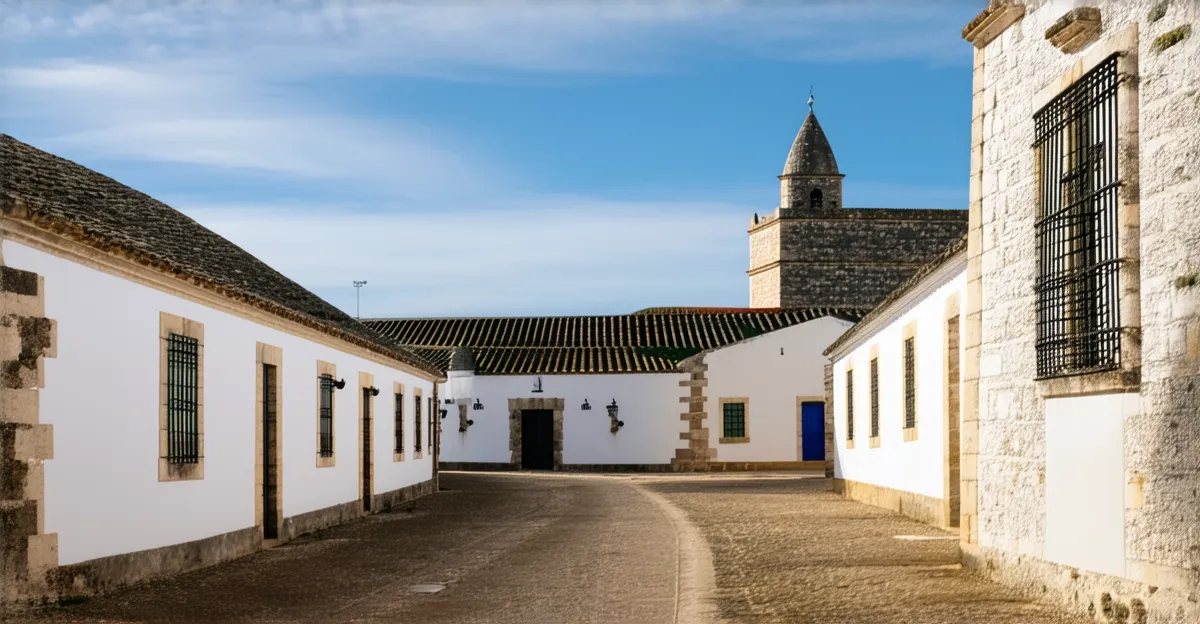
Table of Contents
Évora Experiences: Unforgettable Adventures in 2026
Embark on a journey through time with Évora Experiences in 2026. This historic Portuguese city offers a captivating blend of ancient wonders, culinary delights, and cultural gems. Discover the best things to do and see in Évora, creating memories that will last a lifetime.
Explore the Roman Temple: A Glimpse into Ancient Évora
For current hours, prices, and announcements, start with Evora travel info.
The Roman Temple of Évora, also known as the Temple of Diana, stands as one of the best-preserved Roman temples on the Iberian Peninsula. Constructed in the 1st century AD, this iconic structure provides a fascinating glimpse into the ancient Roman presence in what is now Portugal. As you approach the temple, its Corinthian columns and sturdy granite structure evoke a sense of timelessness, transporting you back to an era of emperors and Roman governance. The temple’s elevated platform offers stunning views of Évora, making it not only a historical landmark but also a picturesque vantage point.Architectural Marvel and Historical Significance
Originally believed to be dedicated to the goddess Diana, current historical consensus suggests that the temple was actually built in honor of Emperor Augustus. Regardless of its original dedication, the temple’s enduring architecture reflects the sophisticated engineering and artistic skills of the Roman civilization. Things to Do in Évora often include admiring the temple’s well-preserved columns and appreciating the intricate details that have survived centuries of weathering and historical events. Moreover, the Temple has been integrated into various historical narratives, serving at different times as a medieval fortress, a butcher shop, and even a location for public executions. Consequently, its diverse past contributes to its rich cultural tapestry.
Pro Tip: Visit the Roman Temple during sunrise or sunset for the most stunning lighting and fewer crowds. The golden hour casts a magical glow on the ancient stones, enhancing the overall experience.
Exploring the Roman Temple is an essential part of any visit to Évora. It offers a tangible connection to the city’s ancient roots and provides valuable insights into the Roman Empire’s influence in the region. Moreover, the surrounding area is rich with other historical sites, allowing you to delve further into Évora‘s captivating past. For those interested in archaeology and history, this site is an absolute must-see. Therefore, be sure to include it in your list of Évora Experiences.
For an even more immersive experience, consider joining a guided tour that delves into the temple’s history and architectural nuances. You can explore Évora with a private walking tour, ensuring you don’t miss any of the hidden stories behind this remarkable monument. Also, feel free to check out Évora attractions for more information.
Wander Through the Évora Cathedral: A Gothic Masterpiece
The Évora Cathedral, also known as the Sé de Évora, stands as a magnificent example of Gothic architecture, deeply intertwined with Portugal’s rich history and religious heritage. As you approach its imposing facade, you’ll be struck by its blend of Romanesque and Gothic elements, a testament to the various stages of its construction and evolution. The cathedral isn’t merely a building; instead, it is a historical narrative etched in stone, inviting visitors to explore centuries of artistic and architectural endeavors. Furthermore, its significance extends beyond its aesthetic appeal, embodying the spiritual and cultural essence of Évora Experiences.
Exploring the Interior Splendor
Upon stepping inside, you’re immediately greeted by soaring vaulted ceilings and intricate stone carvings that adorn the interior. Sunlight filters through the stained-glass windows, casting a kaleidoscope of colors across the nave, enhancing the spiritual ambiance. As you wander through the cathedral, notice the main chapel’s elaborate details and the pipe organ’s grandeur, each contributing to the overall sense of awe and reverence. Moreover, exploring the cloisters provides a tranquil retreat, showcasing beautiful Gothic arches and serene garden spaces. Thus, experiencing the interior is undoubtedly one of the premier Things to Do in Évora.
Pro Tip: Take your time to appreciate the artwork within the cathedral, including the sculptures and religious iconography. Each piece tells a story and offers insight into the cultural context of its time.
Climbing the cathedral’s tower rewards you with panoramic views of Évora, allowing you to see the city’s historic center from a unique perspective. The vista encompasses terracotta rooftops, ancient monuments, and the rolling plains of the Alentejo region, making it a perfect spot for reflection and photography. Additionally, the tower provides an opportunity to appreciate the cathedral’s architectural details from a different angle. Consequently, this aerial perspective enhances your understanding of Évora’s urban layout and historical significance.
For those interested in delving deeper into the region’s history, consider joining a guided tour that includes the Évora Cathedral. These tours often provide valuable insights into the cathedral’s construction, its historical context, and the artistic elements that make it a masterpiece. Moreover, a guided visit can enrich your understanding of Évora Attractions. To enhance your cultural journey, you might enjoy exploring Évora with a private walking tour.
Don’t miss the opportunity to explore this Gothic masterpiece. For more information on planning your visit, explore more Évora activities here.
Contemplate Mortality at the Chapel of Bones
The Chapel of Bones, or Capela dos Ossos, stands as one of the most striking and thought-provoking Évora Attractions. Located within the Igreja de São Francisco, this small interior chapel is adorned with the bones and skulls of an estimated 5,000 monks. This macabre display serves as a memento mori, a reminder of the fleeting nature of life. As you step inside, you’re immediately confronted with the stark reality of human mortality, an experience that encourages reflection on the transience of existence. Indeed, contemplating mortality is at the heart of the chapel’s purpose, urging visitors to consider the value and brevity of life. Furthermore, the chapel’s unique artistry and historical context contribute to its profound impact, making it a memorable, albeit unsettling, visit.
The Inscription Above the Entrance
Above the entrance to the Chapel of Bones, an inscription reads: “Nós ossos que aqui estamos, pelos vossos esperamos”—”We bones that are here, for yours await.” This powerful message encapsulates the chapel’s purpose, serving as a constant reminder of the inevitable end that awaits all. This inscription is not merely a warning but also an invitation to reflect on one’s own life and actions. In addition to its direct message, the inscription highlights the cultural and religious beliefs of the time, emphasizing the importance of spiritual preparation. The chapel, therefore, offers a profound lesson in humility and perspective.
Pro Tip: Visit during off-peak hours to fully absorb the atmosphere and contemplate the chapel’s message without the distraction of large crowds.
While the Chapel of Bones might seem morbid, it is an integral part of Évora’s cultural and historical landscape. The arrangement of bones is not haphazard but rather carefully constructed, showcasing a peculiar form of Baroque artistry. It is a powerful expression of faith and a testament to the era’s preoccupation with death and salvation. Moreover, the chapel reflects a period when religious orders sought to remind the faithful of their mortality, thereby encouraging a life of virtue and piety. As a result, exploring this chapel provides deep insights into the historical and spiritual context of Évora.
To delve deeper into Évora’s historical offerings, consider joining a guided walking tour of the city. Additionally, for more Évora Experiences and Things to Do in Évora, check out local resources. Be sure to also see the Évora Attractions. Finally, for an unforgettable experience, book a guided tour of Évora’s main monuments.
Indulge in Alentejo Cuisine: A Culinary Journey
Embarking on a culinary journey through Évora means immersing yourself in the heart of Alentejo cuisine, a gastronomic adventure marked by rich flavors and traditional cooking methods. Alentejo, Portugal’s largest region, is celebrated for its hearty dishes that reflect the simplicity and abundance of the land. The cuisine focuses on locally sourced ingredients, including succulent meats, freshly baked bread, aromatic herbs, and, of course, exquisite olive oil. Exploring the food scene here is certainly one of the most rewarding Évora Experiences you can have.
Savoring Traditional Dishes
Alentejo’s culinary heritage is deeply rooted in its pastoral history, so meat dishes are naturally prominent. Carne de Porco à Alentejana, a delightful combination of pork and clams, stands out as a regional specialty. This savory dish perfectly encapsulates the area’s unique ability to blend land and sea flavors. Also, don’t miss out on trying Açorda à Alentejana, a bread soup flavored with garlic, coriander, olive oil, and a poached egg. This humble yet flavorful soup exemplifies the resourcefulness of Alentejo cuisine, transforming simple ingredients into a comforting and satisfying meal. Furthermore, for those seeking Things to Do in Évora, sampling these dishes at local restaurants is a must.
Pro Tip: Look for restaurants that offer a ‘prato do dia’ (dish of the day) for an authentic and affordable taste of Alentejo cuisine.
Beyond the main courses, Alentejo cheeses are also worth exploring. Queijo de Évora, made from sheep’s milk, offers a creamy and tangy taste that pairs perfectly with local wines. Moreover, regional pastries such as Pão de Rala, a sweet treat made with almonds and pumpkin, provide a delightful end to any meal. To fully appreciate the breadth of Alentejo’s culinary offerings, consider joining one of the guided Évora Activities focused on food and wine.
Exploring Alentejo cuisine is more than just eating; it’s about experiencing the culture and traditions of the region. Each dish tells a story of the land, its people, and their enduring connection to the natural world. Whether you are dining in a sophisticated restaurant or a rustic taverna, the flavors of Alentejo will undoubtedly leave a lasting impression. In addition, taking a walking tour that includes wine tasting will enhance your understanding of the local gastronomy.
Discover more about the rich culinary landscape and other exciting activities by visiting Explore More Évora Activities. You can also elevate your Évora Experiences by booking a private food tour in Évora today!
Discover Local Wines: Wine Tasting Tours in Évora
Évora, nestled in the heart of the Alentejo region, is a haven for wine enthusiasts. The Alentejo is renowned for its rich, full-bodied wines, and taking a wine tasting tour in Évora offers an immersive experience into the local viticulture. Évora Experiences often revolve around exploring vineyards, learning about winemaking processes, and, of course, savoring the distinctive flavors of Alentejo wines. Moreover, the picturesque landscapes dotted with cork oak trees provide a stunning backdrop for these unforgettable tours. These tours often provide detailed insights into the unique terroir that shapes the character of these exceptional wines.
Exploring Évora’s Wine Routes
Several wine routes near Évora beckon visitors to explore family-owned wineries and established estates alike. Each winery offers a unique perspective on Alentejo winemaking traditions. As you journey through the vineyards, you will discover the secrets behind the region’s acclaimed red wines, as well as its increasingly popular white and rosé varieties. Furthermore, many tours include guided visits to the cellars, where you can witness the aging process and learn about the different techniques used by local winemakers. Given the region’s long history of winemaking, a tour enriches your understanding of Portuguese heritage.
Pro Tip: Schedule your wine tour during the harvest season (usually in September) to witness the grape-picking process and participate in wine-related festivities.
Participating in Things to Do in Évora like wine tasting tours allows you to connect with local culture on a deeper level. You’ll often find that the winemakers are passionate about sharing their knowledge and stories, making each tasting a personal and engaging experience. In addition to the wine itself, many tours include pairings with regional cheeses, olives, and other local delicacies, enhancing the overall sensory experience. For Évora Attractions and Évora Outdoor Activities, remember to check local listings and plan accordingly.
To enhance your experience, consider booking a guided tour that includes transportation, ensuring a safe and enjoyable outing. Alternatively, if you prefer to explore independently, renting a car allows you to visit multiple wineries at your own pace. However, always ensure a designated driver is in place. For those based in Lisbon, you might consider a day trip from Lisbon to Évora with wine tasting. It’s a convenient way to sample the region’s wines without the hassle of driving.
Discover the rich flavors of Alentejo and create lasting memories with a wine tasting tour in Évora. Cheers to unforgettable Évora Experiences!
Uncover Hidden Gems: Walking Tours of Évora’s Backstreets
Embarking on a walking tour through Évora’s backstreets is like stepping into a living museum, where every cobblestone and whitewashed wall whispers tales of centuries past. These tours offer a unique perspective, venturing beyond the main Évora Attractions to reveal the city’s authentic soul. Furthermore, strolling through the labyrinthine alleys, you’ll discover charming squares, hidden courtyards, and architectural details that often go unnoticed by the casual tourist. It’s an immersive Évora Experience that connects you with the city on a deeper level.
Why Choose a Backstreet Walking Tour?
Unlike standard sightseeing routes, these tours focus on the lesser-known aspects of Évora, highlighting its unique character and history. They provide insights into the daily lives of locals, the evolution of the city’s architecture, and the stories behind the seemingly ordinary facades. In addition, a knowledgeable guide can point out historical markers, explain local traditions, and share anecdotes that bring the past to life. For instance, you might stumble upon a centuries-old well, a forgotten chapel, or a tile panel depicting a local legend. Therefore, taking a walking tour will enrich your understanding of Évora Experiences.
Pro Tip: Wear comfortable shoes, as the cobblestone streets can be uneven. Also, bring a camera to capture the picturesque scenes and architectural details you’ll encounter along the way.
As you meander through the backstreets, you’ll gain a sense of Évora‘s unique blend of cultures and influences. The city’s history as a Roman settlement, a Moorish stronghold, and a Portuguese royal residence is reflected in its diverse architectural styles and cultural traditions. Moreover, your guide will explain the significance of various landmarks and provide context for the city’s rich heritage. Along the way, you’ll find many Évora Outdoor Activities.
For those seeking a truly immersive experience, consider a themed walking tour that focuses on a specific aspect of Évora‘s history or culture. Some tours explore the city’s Roman past, while others delve into its medieval heritage or its connection to the Portuguese monarchy. No matter your interests, a backstreet walking tour is an unforgettable way to uncover the hidden gems of this historic city. By the way, if you want to learn more, check out these walking tours in Évora and also be sure to Explore More Évora Activities.
Experience Fado in Évora: An Evening of Portuguese Music
Fado, a soulful genre of Portuguese music, is an essential part of Portugal’s cultural identity, and experiencing it in Évora offers a uniquely intimate and authentic encounter. This hauntingly beautiful music, characterized by its expressive vocals and melancholic melodies, provides a deep dive into the heart of Portuguese emotion and history. While in Évora, immersing yourself in an evening of Fado is among the most memorable Évora Experiences you can have, offering a glimpse into the soul of the Alentejo region.
Finding Fado Performances in Évora
Unlike larger cities such as Lisbon, Évora’s Fado scene is more understated, which adds to its charm. Performances often take place in smaller, more intimate settings, such as traditional restaurants (tascas) and cultural centers. To find a Fado performance, it’s best to inquire locally at your hotel or at the tourism office. Often, these performances are not heavily advertised but are discovered through word-of-mouth, making the experience feel more personal and special. Be sure to check for listings during local festivals, as Évora Activities frequently include musical performances.
Pro Tip: Arrive early to secure a good seat, as venues tend to be small and fill up quickly. Additionally, showing appreciation for the performance by listening attentively and applauding respectfully enhances the experience for both the performers and other audience members.
The atmosphere at an Évora Fado performance is typically very intimate. The close proximity to the musicians allows you to feel the raw emotion in their voices and the passion in their instrumental playing. Furthermore, the dimly lit, cozy settings often enhance the melancholic mood of the music, creating a powerful and immersive experience. Given the smaller scale of Things to Do in Évora at night, Fado offers a captivating alternative to sightseeing.
Attending a Fado performance in Évora offers more than just musical entertainment; it’s an immersion into Portuguese culture and history. The songs often tell stories of love, loss, and longing, providing insight into the Portuguese spirit. Moreover, the local setting adds a layer of authenticity, as you are experiencing a tradition that is deeply rooted in the community. Consequently, it’s an opportunity to connect with the local culture on a profound level. For instance, while exploring Évora Attractions during the day, experiencing Fado at night provides a contrasting, yet complementary, perspective.
To enrich your cultural exploration of Évora, consider joining a guided tour. For example, this walking tour of Évora combines historical insights with local legends, offering a broader understanding of the city’s cultural tapestry.
Visit the University of Évora: A Historic Center of Learning
The University of Évora, founded in 1559 by Cardinal Henrique, stands as a testament to Portugal’s rich academic heritage. As the second oldest university in the country, it has played a pivotal role in shaping intellectual thought and cultural development in the Alentejo region. A visit to this historic center of learning offers a unique glimpse into centuries of scholarly pursuits, architectural grandeur, and the vibrant student life that continues to thrive within its walls. Therefore, exploring the University of Évora is undoubtedly one of the most enriching Évora Experiences for visitors interested in history and education.
Architectural Highlights and Historical Significance
The university’s architecture is a stunning blend of various styles, reflecting its long and evolving history. Manumental courtyards adorned with azulejo tile panels, elegant cloisters, and baroque chapels are among its most captivating features. These spaces not only serve as visual delights but also narrate the institution’s journey through different eras. Furthermore, the Great Hall, with its intricate wooden ceiling and historical portraits, is a must-see. In fact, it is a space where significant academic ceremonies and events have taken place over the centuries. The university’s historical significance is also evident in its vast library, which houses an impressive collection of ancient manuscripts and rare books. This makes the University of Évora a cornerstone among Évora Attractions. For those seeking a guided exploration, several walking tours of Évora include the university as a key stop.
Pro Tip: Check the university’s official website for guided tour schedules and special events. Attending a lecture or a concert can provide an immersive experience of the university’s contemporary academic life.
Beyond its architectural and historical allure, the University of Évora contributes significantly to the city’s contemporary atmosphere. The presence of students from diverse backgrounds infuses Évora with youthful energy. It also fosters a dynamic cultural scene. The university’s commitment to research and innovation also plays a key role in the region’s development, making it a hub for intellectual exchange and progress. As a visitor, you might find yourself drawn into conversations with students. You may even discover exhibitions and public lectures that showcase the university’s ongoing contributions to knowledge. Moreover, engaging with the academic community provides a unique perspective on Évora’s identity as both a historical treasure and a modern center of learning.
To enrich your visit to Évora, be sure to explore the University of Évora. It’s an attraction that combines history, architecture, and academic vibrancy. Consequently, this offers a profound understanding of the city’s cultural landscape. For additional Things to Do in Évora, consider exploring other historical sites and cultural landmarks in the city.
Discover the heart of academic heritage. Book a guided tour of Évora today and immerse yourself in its storied past!
Uncover unforgettable Évora Experiences in 2026. Start planning your historical adventure today and immerse yourself in Portugal’s captivating past!
Frequently Asked Questions
A: Many Évora Experiences focus on its UNESCO World Heritage sites, including the Roman Temple, Évora Cathedral, and the Chapel of Bones. Guided tours offer in-depth explorations of these landmarks.
A: Évora is renowned for its Alentejo cuisine, offering culinary experiences that include traditional dishes like ‘porco preto’ (black pork) and ‘açorda’ (bread soup). Wine-tasting tours at local vineyards are also popular.
A: The best times are spring (April-May) and autumn (September-October) for pleasant weather, ideal for walking tours and outdoor activities. Summer can be hot, but evenings are perfect for exploring the city’s vibrant nightlife.
A: While most attractions are accessible, some older sites may have limited accessibility for individuals with mobility issues. Check in advance for specific site accommodations.
A: Yes, consider a day trip to nearby Arraiolos to see its famous handmade carpets or visit the megalithic monuments surrounding Évora for a glimpse into prehistoric Portugal.