
Hanoi Attractions: Top Spots for 2026
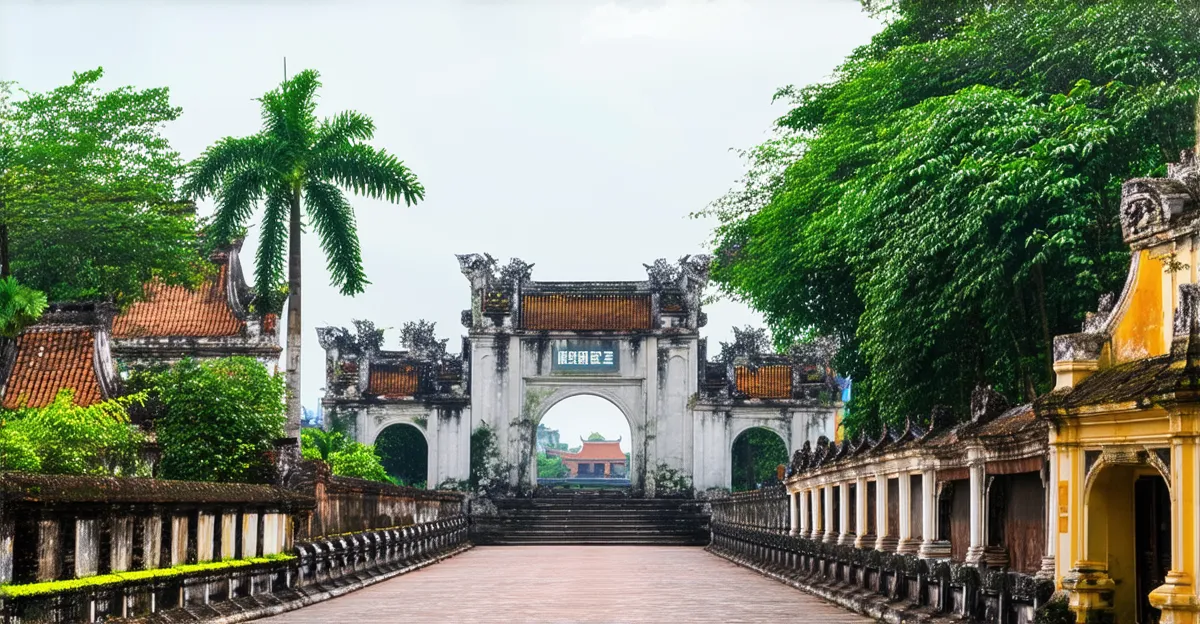
Table of Contents
Discover the Best Hanoi Attractions in 2026
Looking for the best Hanoi Attractions in 2026? Our comprehensive guide highlights the must-see destinations that capture the essence of Vietnam’s vibrant capital city. From historical landmarks to cultural gems, experience the best of Hanoi!
Explore the Historic Old Quarter
You can find the latest updates on Hanoi Department of Tourism.
For practical details and last-minute changes, use Temple of Literature (Van Mieu).
The Historic Old Quarter of Hanoi, often referred to as the “36 Streets,” is a vibrant tapestry of culture, commerce, and history. This bustling district is a must-see for any visitor, offering a captivating glimpse into Hanoi‘s past and present. As you wander through the narrow, winding streets, you’ll encounter a sensory feast of sights, sounds, and smells, reflecting the area’s rich heritage. Indeed, exploring this quarter provides an immersive experience, allowing you to connect with the heart and soul of Hanoi. The Old Quarter is not merely a place to visit; it’s an experience to be savored.A Shopper’s Paradise and Foodie’s Delight
Each street in the Old Quarter was traditionally dedicated to a specific trade or craft, a legacy that continues to this day. From silk and textiles to hardware and traditional medicine, you can find an astonishing variety of goods. Moreover, the area is renowned for its street food, offering a tantalizing array of dishes that showcase the best of Vietnamese cuisine. Therefore, be sure to sample local favorites like pho, banh mi, and egg coffee as you explore. Certainly, food tours are a popular way to navigate the culinary landscape. Consider joining a guided food tour with a train street experience. Many of the Hanoi Attractions can be found in the Old Quarter.
Beyond shopping and eating, the Old Quarter is also home to numerous temples, pagodas, and historical landmarks. These sites offer a glimpse into the spiritual and cultural life of the city. The architecture is a blend of traditional Vietnamese, Chinese, and French colonial styles, reflecting the diverse influences that have shaped Hanoi over the centuries. As a result, every corner turned reveals something new and intriguing. Furthermore, many hidden alleyways contain unexpected gems, from art galleries to cozy cafes.
For travelers looking for Things to Do in Hanoi, the Old Quarter is an essential starting point. You can spend hours simply wandering, soaking in the atmosphere, and discovering hidden gems. Consider taking a cyclo tour for a relaxing way to see the sights, or join a walking tour to learn more about the history and culture of the area. Additionally, don’t miss the chance to visit the Dong Xuan Market, Hanoi’s largest indoor market, for a true taste of local life.
Immerse yourself in the vibrant culture and rich history of Hanoi’s Old Quarter. Also, check out more Hanoi activities for a deeper dive into the city’s offerings.
Visit Hoan Kiem Lake and Ngoc Son Temple
Hoan Kiem Lake, also known as Turtle Lake, is the heart and soul of Hanoi. Visiting this serene lake and the adjacent Ngoc Son Temple is undoubtedly one of the top Things to Do in Hanoi. The lake offers a tranquil escape from the bustling city streets, providing a picturesque setting for a leisurely stroll or a moment of quiet contemplation. Moreover, the surrounding area is steeped in local lore and historical significance, making it a must-see for any visitor seeking to understand Hanoi’s cultural identity. Therefore, plan to spend at least a couple of hours soaking in the ambiance and exploring the sights.
Legend and Lore
According to legend, Emperor Le Loi was given a magical sword by a golden turtle in the lake, which he used to drive out the Ming Dynasty. After the war, the turtle reappeared and reclaimed the sword, hence the name Hoan Kiem, meaning “Lake of the Returned Sword.” This legend adds a layer of mystique to the already captivating scenery. Furthermore, the presence of the Turtle Tower in the middle of the lake serves as a constant reminder of this enduring tale. Consequently, locals and tourists alike are drawn to the lake’s mystical charm and historical importance.
Ngoc Son Temple, situated on a small island in the lake, is accessible via the iconic Huc Bridge, a vibrant red bridge that is a symbol of Hanoi. The temple is dedicated to General Tran Hung Dao, a national hero, as well as Van Xuong, a scholar, and La To, the patron saint of physicians. Inside, you’ll find intricate altars, ancient artifacts, and a preserved giant turtle, believed to be the last turtle living in the lake. In addition to its cultural significance, the temple offers stunning views of the lake and the surrounding cityscape. Exploring this temple is one of the memorable Hanoi Attractions you can’t miss. Additionally, consider joining a guided tour to learn more about the history.
The area around Hoan Kiem Lake is also a hub of activity, with numerous cafes, shops, and street vendors. Enjoy a traditional Vietnamese coffee while watching the world go by, or sample some local delicacies from the food stalls. The weekends are especially lively, with street performances and cultural events taking place around the lake. Hanoi Outdoor Activities are abundant in this area, from early morning Tai Chi sessions to evening strolls. However, be mindful of traffic and crowds, especially during peak hours.
In conclusion, a visit to Hoan Kiem Lake and Ngoc Son Temple offers a fascinating glimpse into Hanoi’s history, culture, and daily life. It’s a place where ancient legends meet modern-day bustle, creating a unique and unforgettable experience. If you’re looking for other Hanoi Experiences, explore more Hanoi activities here. You might also enjoy a Water Puppet Show.
Discover the Imperial Citadel of Thang Long
The Imperial Citadel of Thang Long, a UNESCO World Heritage Site, stands as a powerful symbol of Hanoi’s rich history and cultural significance. For centuries, this citadel served as the political and cultural center of Vietnam, witnessing the rise and fall of dynasties. Exploring its extensive grounds provides a fascinating glimpse into the nation’s past. Moreover, the citadel’s well-preserved architecture and historical artifacts offer a unique educational experience for visitors of all ages. It’s not only a key historical site but also a testament to Vietnam’s enduring legacy.
A Journey Through Time
As you wander through the Imperial Citadel, you’ll encounter numerous structures and relics that narrate different periods of Vietnamese history. The central flag tower, Kinh Thien Palace, and the Dragon Steps are just a few of the Hanoi Attractions that showcase the citadel’s architectural grandeur. Additionally, the archaeological site at 18 Hoang Dieu Street reveals layers of history, with artifacts dating back thousands of years. Consider taking a guided tour to fully appreciate the historical context and significance of each site. Therefore, a visit here enriches your understanding of Vietnam’s imperial past.
Pro Tip: Wear comfortable shoes as you’ll be doing a lot of walking. Also, bring water, especially if visiting during the hotter months. Exploring early in the morning or late in the afternoon provides a cooler and less crowded experience.
The Imperial Citadel isn’t just about ancient history; it also played a crucial role in more recent events. During the Vietnam War, parts of the citadel were used as a military headquarters. Exploring these sections provides insight into the country’s resilience and determination during challenging times. Moreover, the blending of historical and contemporary elements makes the citadel a compelling site for reflection and learning. Consequently, you gain a profound appreciation for Vietnam’s complex narrative.
Visiting the Imperial Citadel offers diverse Hanoi Experiences. You can explore historical exhibitions, attend cultural events, or simply stroll through its serene gardens. It is easily one of the best Things to Do in Hanoi. Furthermore, the citadel provides a tranquil escape from the bustling city streets. For those interested in delving deeper into Hanoi’s historical and cultural landscape, the Imperial Citadel of Thang Long is an essential destination. Therefore, make sure it’s on your list of Hanoi Attractions.
To enhance your visit, consider booking a guided tour through GetYourGuide. Explore More Hanoi Activities.
Experience the Thang Long Water Puppet Theatre
⭐ Recommendation: Don't miss out on amazing Hanoi tours - book now!
The Thang Long Water Puppet Theatre offers a captivating glimpse into Vietnamese culture, making it a must-see for anyone visiting Hanoi. This unique art form dates back to the 11th century and originated in the rice paddies of the Red River Delta. Performers stand waist-deep in water behind a screen, manipulating wooden puppets to tell stories, myths, and legends accompanied by traditional music. Therefore, attending a show provides not only entertainment but also deep cultural insight. The vibrant colors, intricate puppet designs, and lively music create an unforgettable experience.
What to Expect at the Show
As you settle into your seat, prepare to be transported to a world of ancient Vietnamese folklore. Each performance is a series of short skits, often depicting rural life, historical events, and fantastical tales. For example, you might witness the legend of the Turtle God, the daily routines of farmers, or the excitement of traditional festivals. The puppets are skillfully controlled to dance, fight, and even perform acrobatic feats on the water surface. Furthermore, the accompanying music, played on traditional instruments, adds to the immersive atmosphere, enhancing the storytelling and emotional impact. To experience more of Hanoi’s cultural activities, explore additional options.
Pro Tip: Book your tickets in advance, especially during peak tourist season, to ensure you get a seat. The theatre is centrally located near Hoan Kiem Lake, making it easily accessible.
The Thang Long Water Puppet Theatre is more than just a show; it’s an integral part of Hanoi Attractions and a representation of Vietnam’s rich artistic heritage. Moreover, it showcases the ingenuity and creativity of Vietnamese artists throughout history. Therefore, it offers a delightful experience for visitors of all ages, giving them a deeper understanding of Vietnamese traditions and culture. In addition to this, it’s a memorable way to spend an evening in Hanoi, leaving you with lasting impressions of the city.
For those looking to further explore cultural experiences, consider booking your Thang Long Water Puppet show tickets to secure your spot and enjoy the convenience. And, to get a better idea of other exciting things to see and do, check out this guide to things to do in Hanoi.
Explore the Ho Chi Minh Mausoleum and Museum
💡 Pro Tip: Book your Hanoi adventures in advance through Viator for the best deals!
Visiting the Ho Chi Minh Mausoleum and Museum is a deeply significant experience for anyone wanting to understand modern Vietnamese history and pay respects to one of its most iconic figures. Located in Ba Dinh Square, the mausoleum is the final resting place of Ho Chi Minh, the first president of the Democratic Republic of Vietnam. As a result, it stands as a powerful symbol of national unity and independence. Moreover, the serene atmosphere and the historical importance of the site make it a must-see for those exploring Hanoi Attractions.
Experiencing the Mausoleum
The mausoleum is open to the public for viewing, though specific hours vary, and it’s often closed for maintenance. Therefore, visitors are advised to check the schedule in advance. Dress modestly, and be prepared to observe a strict code of conduct, including no talking, photography, or hands in pockets. Despite these regulations, the experience is profoundly moving, offering a moment to reflect on Ho Chi Minh’s legacy and his impact on Vietnam. In addition, the changing of the guard ceremony, which occurs regularly, is a noteworthy spectacle adding to the solemn ambiance. Exploring the mausoleum is definitely one of the important Things to Do in Hanoi.
Pro Tip: Arrive early to avoid long queues, especially during peak tourist season. The lines can extend quickly, and the wait can be considerable. Bringing water and wearing comfortable shoes is advisable.
After visiting the mausoleum, take time to explore the Ho Chi Minh Museum. This museum offers an in-depth look at Ho Chi Minh’s life, revolutionary activities, and contributions to Vietnam’s independence. Through exhibits of artifacts, documents, and photographs, visitors gain a comprehensive understanding of his journey. The museum not only showcases his political endeavors but also delves into his personal life and the values he stood for. Moreover, it provides essential context for understanding the broader historical narrative of Vietnam’s struggle for independence. Furthermore, do not miss the opportunity to see the Presidential Palace and Ho Chi Minh’s stilt house located within the same complex. These sites provide further insights into his modest lifestyle and his dedication to the Vietnamese people.
Exploring the Ho Chi Minh Mausoleum and Museum complex offers a profound understanding of Vietnamese history and culture. It’s an essential experience for anyone looking to connect with the spirit of Vietnam and appreciate the legacy of its revered leader. For those interested in cultural activities, consider exploring other cultural sites in Hanoi.
To make the most of your visit, you might also consider a guided tour. Learn more about guided tours of Hanoi.
Wander Through the Temple of Literature
The Temple of Literature, or Văn Miếu, stands as a serene oasis in the heart of bustling Hanoi. Originally established in 1070 during the Lý dynasty, it was Vietnam’s first university, dedicated to Confucius and the education of the nation’s elite. As you wander through its five courtyards, you’ll discover a harmonious blend of traditional Vietnamese architecture and tranquil gardens. Therefore, this historical site offers both locals and tourists a unique glimpse into Vietnam’s rich educational and cultural heritage. Moreover, the temple complex provides a refreshing escape from the city’s vibrant chaos, inviting contemplation and appreciation of its historical significance.
Exploring the Courtyards
Each of the five courtyards within the Temple of Literature tells a different story. The first courtyard, stretching from the main gate to the Great Middle Gate, is a meticulously maintained garden that sets a peaceful tone. Secondly, the second courtyard features the Khue Van Pavilion, a symbol of Hanoi, and the Well of Heavenly Clarity. Following that, the third courtyard houses the Stelae of Doctors, stone turtles carrying the names of those who passed the royal examinations. In addition, the fourth courtyard is dedicated to Confucius and his disciples, with an impressive altar and statues. Finally, the last courtyard, Quoc Tu Giam, once housed the Imperial Academy. Indeed, strolling through these courtyards offers a comprehensive understanding of the temple’s historical layers.
The Temple of Literature isn’t merely a relic of the past; it continues to inspire and educate. It serves as a venue for traditional ceremonies and cultural events, fostering a sense of continuity between Vietnam’s past and present. Consequently, visitors can often witness graduation ceremonies or calligraphy demonstrations, adding to the site’s vibrant atmosphere. Moreover, the temple’s well-preserved architecture and historical artifacts provide a tangible connection to Vietnam’s intellectual heritage, making it a must-visit destination for anyone interested in the nation’s cultural roots. In fact, you can find more exciting Hanoi Activities.
As you plan your visit to Hanoi, ensure the Temple of Literature is high on your list. It is, after all, more than just a historical site; it’s a living testament to Vietnam’s enduring commitment to education and culture. Whether you’re interested in history, architecture, or simply seeking a peaceful retreat, the Temple of Literature offers an enriching experience. So, why not delve deeper into the cultural richness of Hanoi? Explore Hanoi with a guided tour and uncover more hidden gems!
Ready to discover the best Hanoi Attractions? Start planning your adventure today and experience the charm of Vietnam’s capital!
Frequently Asked Questions
A: Many Hanoi Attractions offer tours in English, including the Temple of Literature, Ho Chi Minh Mausoleum, and various museums. Booking in advance is recommended, especially during peak season.
A: The best time to visit Hanoi Attractions is during the shoulder seasons (March-April and September-November) for pleasant weather and fewer crowds.
A: Yes, many Hanoi Attractions are family-friendly, such as the Thang Long Water Puppet Theatre, parks around Hoan Kiem Lake, and the Vietnam Museum of Ethnology.
A: To make the most of Hanoi Attractions, wear comfortable shoes, stay hydrated, be mindful of your belongings in crowded areas, and try to learn a few basic Vietnamese phrases.
A: Yes, several Hanoi Attractions are free to visit, including Hoan Kiem Lake, Ngoc Son Temple (small fee applies), and many of the city’s vibrant markets and parks.