
Things to Do in Hanoi: Explore Top Spots in 2026
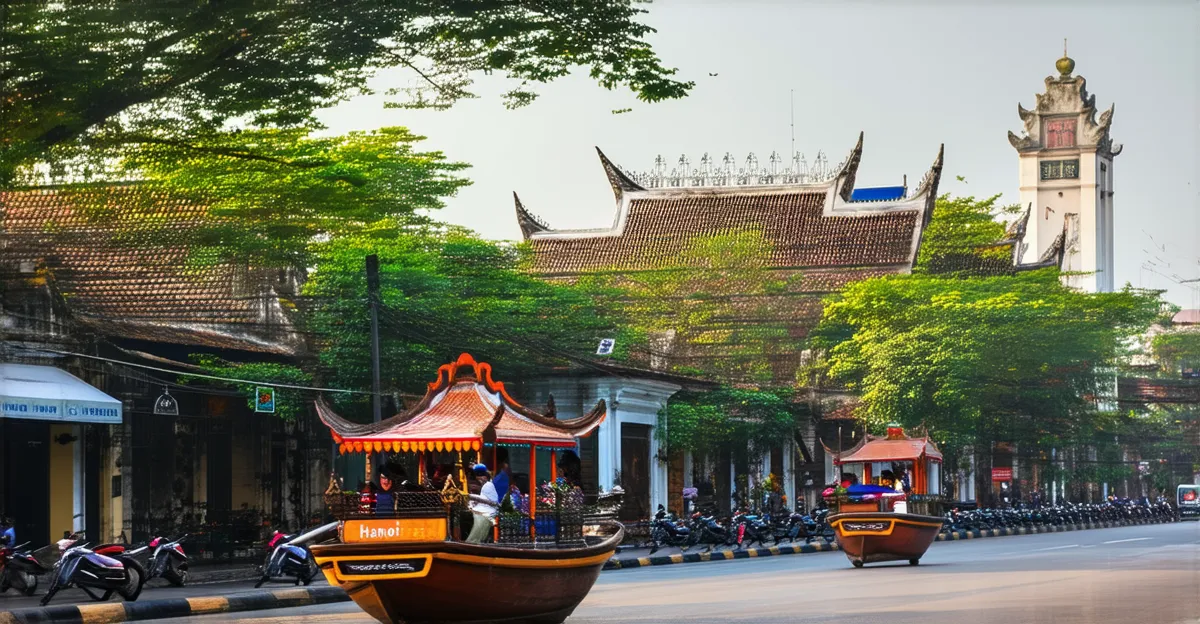
Table of Contents
Things to Do in Hanoi: Your Ultimate 2026 Guide
Planning a trip to Vietnam in 2026? Look no further than Hanoi, the vibrant capital city brimming with culture, history, and delicious food. Our comprehensive guide will walk you through the best things to do in Hanoi, ensuring an unforgettable experience filled with rich heritage and modern charm.
Wander Through the Historic Old Quarter
For current hours, prices, and announcements, start with Hanoi Department of Tourism.
For official information, visit Temple of Literature (Van Mieu).
Exploring Hanoi‘s Old Quarter is like stepping back in time. This bustling commercial hub, with its narrow, chaotic streets, offers a fascinating glimpse into the city’s rich history and vibrant culture. Each street was traditionally dedicated to a specific trade, and while some of these divisions have blurred, you can still find areas specializing in silk, jewelry, paper goods, and traditional medicine. As you wander, you’ll encounter ancient temples, colonial architecture, and an overwhelming array of street vendors offering everything from fresh fruit to intricate handicrafts. It’s an assault on the senses, but in the best possible way, giving you an authentic taste of Hanoi Activities.Discovering Hidden Gems
Beyond the main thoroughfares, the Old Quarter is a maze of hidden alleyways and courtyards just waiting to be discovered. Taking the time to veer off the beaten path often leads to delightful surprises – a centuries-old temple tucked away behind a shop, a tranquil tea house, or a local artisan crafting traditional wares. To truly immerse yourself in the local culture, consider joining a guided walking tour. For example, you might enjoy this guided street food tour which combines cultural insights with culinary delights. Moreover, these tours often provide valuable context and historical information that you might otherwise miss.
The architecture in the Old Quarter is a unique blend of Vietnamese, Chinese, and French influences. Notice the narrow, tube-like houses, often referred to as “shop houses,” which are a direct result of historical taxes based on street frontage. Additionally, the ornate facades of the temples and the grand colonial buildings add to the area’s distinctive character. As you explore, remember to look up and appreciate the architectural details that tell the story of Hanoi‘s past.
No visit to Hanoi is complete without experiencing the Old Quarter’s vibrant street life. From early morning tai chi sessions by Hoan Kiem Lake to the lively night markets that spring up after sunset, there’s always something happening. Sampling the local street food is an absolute must – be sure to try pho, banh mi, and bun cha from the numerous food stalls lining the streets. Furthermore, you can find some unique souvenirs that reflect the local culture and heritage. Indeed, exploring the Old Quarter provides endless opportunities for adventure and discovery.
To delve deeper into the city’s cultural offerings, explore more Hanoi activities and plan your visit accordingly. The Old Quarter is the heart and soul of Hanoi, and it’s an experience you won’t soon forget. Be sure to check out these food tour options to get the most out of your visit.
Visit the Ho Chi Minh Mausoleum and Museum
Visiting the Ho Chi Minh Mausoleum and Museum is a profound experience, offering insight into the life and legacy of Vietnam’s most iconic leader. Located in Ba Dinh Square, the mausoleum serves as the final resting place of Ho Chi Minh, also known as “Uncle Ho.” The site is a place of pilgrimage for Vietnamese people and a significant historical landmark for international visitors. Furthermore, the solemn atmosphere and the historical importance of the site make it a must-see attraction when considering Things to Do in Hanoi.
Experiencing the Mausoleum
The Ho Chi Minh Mausoleum is heavily guarded, and visitors are expected to dress respectfully (no shorts, sleeveless shirts, or hats). Photography and talking are prohibited inside. Despite the strict rules, the experience is deeply moving. Afterward, you can explore the Ho Chi Minh Museum, which showcases his life, revolutionary activities, and contributions to Vietnam’s independence. This museum provides context and depth to understanding his enduring impact on the nation. The museum is one of the most significant Hanoi Attractions you can explore.
Pro Tip: Arrive early in the morning to avoid long queues, as this is a popular site for both tourists and locals.
Adjacent to the mausoleum, the Presidential Palace and Ho Chi Minh’s Stilt House offer a glimpse into his modest lifestyle. Ho Chi Minh rejected the grandeur of the palace, choosing instead to live in a simple stilt house in the palace grounds. This area provides a stark contrast between power and humility, further emphasizing Ho Chi Minh’s dedication to the people. Besides, the gardens surrounding the house are tranquil and offer a peaceful escape from the bustling city.
Planning your visit effectively allows you to fully appreciate the significance of this site. The mausoleum is typically open in the mornings, and it’s closed on certain days for maintenance, so checking the opening hours in advance is essential. Moreover, the site’s historical and cultural value makes it an enriching experience for anyone interested in understanding Vietnam’s journey to independence and the pivotal role Ho Chi Minh played in shaping the nation.
For those interested in delving deeper into Hanoi’s cultural sites, consider exploring other historical landmarks in the city. Additionally, to enhance your trip, you might want to book a guided tour for a more in-depth understanding.
Explore the Temple of Literature
The Temple of Literature, or Văn Miếu-Quốc Tử Giám, stands as a poignant testament to Vietnam’s rich educational and cultural heritage. Established in 1070 during the Lý dynasty, it initially served as a temple dedicated to Confucius. Six years later, it transformed into Vietnam’s first university, a place where mandarins and elites were educated for centuries. Exploring this serene complex offers a captivating journey through history, architecture, and the enduring legacy of Confucian ideals in Vietnamese society. Moreover, it provides a unique insight into the nation’s commitment to education and scholarly pursuits.
Architectural Layout and Key Features
The temple complex is divided into five courtyards, each with its distinct character and purpose. The first courtyard extends from the main gate to the Great Portico, providing a tranquil space filled with ancient trees and manicured lawns. Progressing further, the second courtyard houses the Khue Van Pavilion, an iconic architectural masterpiece often considered a symbol of Hanoi. The third courtyard features the Well of Heavenly Clarity (Thiên Quang Tỉnh) and the stelae of doctors, which are stone turtles carrying the names of successful graduates from the royal examinations. These stelae are invaluable historical records and are carefully preserved. Furthermore, the fourth courtyard is dedicated to Confucius and his disciples, housing altars and ceremonial spaces. Finally, the fifth courtyard, Quoc Tu Giam, was the site of the first university, although most of the original structures have been lost and rebuilt over time.
As you wander through these courtyards, you’ll notice the meticulous attention to detail in the architecture. The intricate carvings, traditional Vietnamese motifs, and harmonious blend of nature and structure create a peaceful and contemplative atmosphere. For those interested in delving deeper, you might consider a guided tour of Hanoi that includes a visit to the Temple of Literature.
Visiting the Temple of Literature is not only about seeing historical buildings; it’s about experiencing the soul of Vietnamese education and culture. It stands as a reminder of the importance of learning, perseverance, and the pursuit of knowledge. Therefore, it remains a significant landmark and one of the most important Hanoi Attractions. It is easily accessible and a must-see destination for anyone interested in the Things to Do in Hanoi.
For a broader understanding of Hanoi Activities, feel free to explore more options here. Don’t miss the chance to experience this cultural gem!
Enjoy a Traditional Water Puppet Show
🌟 Local Expert Tip: Get the most out of your Hanoi visit with guided tours!
A visit to Hanoi isn’t complete without experiencing a traditional water puppet show, a unique art form that originated in the Red River Delta. This captivating performance offers a glimpse into Vietnamese folklore and rural life. The shows typically take place in specially designed theaters with a pool of water serving as the stage. Skilled puppeteers stand behind a screen, manipulating the puppets with long bamboo rods and strings, making them dance, fight, and perform various scenes on the water’s surface. Therefore, the vibrant colors, traditional music, and intricate puppetry create a magical and unforgettable experience for audiences of all ages.
The Art of Water Puppetry
Water puppetry, known as Múa rối nước in Vietnamese, dates back to the 11th century. Originally, it was performed by farmers during the flooding season, using the waterlogged rice paddies as their stage. The puppets, made of lacquered wood, are meticulously crafted and often depict characters from Vietnamese legends, historical figures, and everyday life. Moreover, each performance is accompanied by a traditional Vietnamese orchestra, featuring instruments such as drums, gongs, flutes, and vocals, which adds to the immersive cultural experience. You can discover more about Hanoi Activities here.
Pro Tip: Book your tickets in advance, especially during peak tourist season, as shows tend to sell out quickly. Also, arrive early to secure a good seat for an unobstructed view of the performance.
Attending a water puppet show is not only entertaining but also educational. The stories performed often carry moral lessons and reflect the values of Vietnamese society. Additionally, the shows provide insights into the country’s rich history, agricultural practices, and cultural traditions. For example, you might see scenes depicting rice farming, fishing, festivals, and mythical creatures. Furthermore, these elements combine to make it one of the most engaging Things to Do in Hanoi.
Beyond the cultural significance, water puppet shows are a delightful form of entertainment. The puppeteers’ skill in bringing the wooden figures to life is truly remarkable. Also, the special effects, such as water splashes, smoke, and lighting, enhance the overall spectacle, making it a memorable part of your visit to Hanoi. Consider exploring other Hanoi Attractions to enrich your trip here.
Don’t miss the opportunity to witness this unique art form during your trip to Hanoi. You can purchase your tickets in advance here and immerse yourself in the enchanting world of Vietnamese water puppetry. After the show, you might consider taking a Hanoi Street Food Tour to fully experience the city’s vibrant culture.
Take a Street Food Tour
💡 Pro Tip: Book your Hanoi adventures in advance through Viator for the best deals!
Embarking on a street food tour in Hanoi is an absolute must for any visitor looking to immerse themselves in the local culture and savor authentic Vietnamese flavors. Hanoi’s streets are teeming with culinary delights, from savory snacks to hearty meals, all prepared with fresh ingredients and traditional recipes. Therefore, joining a guided tour allows you to navigate this vibrant food scene with ease, ensuring you don’t miss out on any hidden gems or local favorites. Moreover, these tours often provide fascinating insights into the history and cultural significance of each dish, enriching your overall experience.
Must-Try Dishes on a Hanoi Street Food Tour
A typical Hanoi street food tour will introduce you to an array of mouthwatering dishes. Pho, the iconic Vietnamese noodle soup, is a staple, and you’ll find countless variations throughout the city. Another highlight is Banh Mi, a delicious baguette sandwich filled with a variety of meats, pickled vegetables, and flavorful sauces. Furthermore, you should definitely try Bun Cha, grilled pork served with rice noodles and a savory dipping sauce, as well as Cha Ca La Vong, a turmeric-marinated fish dish that’s a Hanoi specialty. Consequently, each dish offers a unique taste of Hanoi’s culinary heritage.
Pro Tip: Don’t hesitate to try the local beverages as well! Egg coffee (Ca Phe Trung) is a unique Hanoi creation that’s surprisingly delicious, and fresh fruit smoothies are a refreshing way to beat the heat.
Beyond the food itself, a street food tour offers a glimpse into the daily life of Hanoians. You’ll wander through bustling markets, narrow alleyways, and lively street corners, observing how locals shop, cook, and eat. This immersive experience provides a deeper understanding of the city’s culture and traditions. In addition, many tours include a visit to Train Street, an iconic location where trains pass just inches from residential buildings, offering a thrilling and unforgettable experience.
Hanoi Experiences are incomplete without indulging in its street food scene. These tours are typically led by knowledgeable locals who can provide recommendations based on your preferences and dietary restrictions. As well as pointing out the best vendors, they also ensure you’re eating at safe and hygienic establishments. So, whether you’re a seasoned foodie or a curious traveler, a street food tour is an essential part of exploring Things to Do in Hanoi. You can book a guided street food tour here and immerse yourself in the city’s culinary delights. For more information on Hanoi Attractions, visit this page.
Relax by Hoan Kiem Lake and Visit Ngoc Son Temple
Hoan Kiem Lake, also known as Turtle Lake, is a serene and picturesque body of water located in the heart of Hanoi. It serves as a focal point for both locals and tourists, offering a tranquil escape from the bustling city streets. Visiting Hoan Kiem Lake is undoubtedly one of the top Things to Do in Hanoi. Furthermore, the lake’s calm waters and surrounding greenery create a peaceful atmosphere, ideal for a leisurely stroll or simply relaxing on one of the many benches. Therefore, it’s a great place to unwind and soak in the local ambiance.
Ngoc Son Temple: A Jewel on the Lake
Nestled on a small island in the northern part of Hoan Kiem Lake is Ngoc Son Temple, accessible via the iconic red-painted Huc Bridge. This beautiful temple is dedicated to several figures, including General Tran Hung Dao, a national hero. Moreover, the temple’s architecture and historical significance make it a must-see attraction. As you cross the Huc Bridge, take a moment to appreciate the stunning views of the lake and the surrounding city. Inside the temple, you’ll find intricate altars, ancient artifacts, and a preserved giant turtle, which adds to the mystique of the place. Consequently, exploring Ngoc Son Temple enhances your understanding of Vietnamese culture and history.
Spending time by Hoan Kiem Lake offers numerous opportunities for engaging in Hanoi Outdoor Activities. Early morning Tai Chi sessions, conducted by local residents, provide a glimpse into the daily life of Hanoians. You can also enjoy a traditional Vietnamese coffee at one of the many cafes overlooking the lake. Additionally, evening walks around the illuminated lake are particularly enchanting, as the city lights reflect beautifully on the water. In short, the area is perfect for experiencing the rhythm of Hanoi.
Pro Tip: Visit Hoan Kiem Lake on a weekend evening to witness local cultural performances and traditional games. It’s a fantastic way to immerse yourself in the local culture and enjoy Hanoi Experiences.
Hoan Kiem Lake and Ngoc Son Temple are central to many Hanoi Attractions, offering a unique blend of natural beauty and cultural heritage. They provide a welcome respite from the urban environment and a chance to connect with the heart of Hanoi. Besides, you can easily combine a visit to the lake with other nearby attractions in the Old Quarter. So, don’t miss the opportunity to explore this iconic landmark when planning your Hanoi Activities. For those interested in exploring more of Hanoi’s cultural side, consider a water puppet show. To delve deeper into the heart of the city, explore more Hanoi activities.
Visit the Imperial Citadel of Thang Long
The Imperial Citadel of Thang Long, a UNESCO World Heritage Site, is a must-visit for history buffs and anyone interested in Vietnam’s rich cultural heritage. This historical complex was the center of regional political power for almost 13 centuries. Moreover, it showcases different layers of history from various dynasties, offering a unique glimpse into Vietnam’s past. Exploring the citadel allows you to wander through ancient ruins, delve into archaeological findings, and appreciate the architectural grandeur of a bygone era. Indeed, it is a journey back in time that unveils the spirit and resilience of Hanoi.
Exploring the Citadel’s Highlights
As you explore the Imperial Citadel, make sure to visit the Kinh Thien Palace, which was the heart of the citadel and a venue for important royal ceremonies. The Doan Mon Gate, the main southern gate to the citadel, is another significant landmark with its impressive structure and historical importance. Furthermore, the War Remnants Museum within the citadel displays artifacts and exhibits from the Vietnamese resistance wars, offering a poignant perspective on the nation’s struggle for independence. Additionally, the archaeological site at 18 Hoang Dieu Street provides insights into the continuous layers of history that have shaped the citadel. To fully immerse yourself, consider joining a guided tour, which you can book through GetYourGuide for a Thang Long Water Puppet Show, often associated with cultural performances at the citadel.
The citadel is not only a historical site but also a place where you can experience the blend of traditional Vietnamese architecture and French colonial influences. Therefore, allocate ample time to stroll through its vast grounds, admire the well-preserved structures, and absorb the serene atmosphere. Besides its historical significance, the citadel also hosts cultural events and exhibitions throughout the year, providing visitors with an opportunity to engage with Vietnam’s contemporary arts scene.
Visiting the Imperial Citadel of Thang Long is an enriching experience that offers a deep appreciation for Vietnam’s history and culture. Whether you are fascinated by ancient architecture, archaeological discoveries, or simply seeking a peaceful escape from the bustling city, the citadel provides a captivating journey through time. While in Hanoi, consider also exploring other Hanoi Activities to fully embrace the city’s offerings.
To make the most of your trip, consider booking a comprehensive Hanoi tour on GetYourGuide, which often includes a visit to the Imperial Citadel and other significant cultural sites.
With so many incredible things to do in Hanoi, your 2026 visit promises to be unforgettable. Start planning your adventure today and immerse yourself in the rich culture and vibrant energy of this captivating city!
Frequently Asked Questions
A: Hanoi offers a diverse range of attractions, from historical sites like the Ho Chi Minh Mausoleum and the Temple of Literature to cultural experiences in the Old Quarter and culinary adventures with street food tours.
A: The best time to explore Hanoi is during the autumn (September to November) and spring (March to April) when the weather is mild and pleasant, making it ideal for outdoor activities and sightseeing.
A: Yes, many tours and activities are available in Hanoi that cater to families, including water puppet shows, cyclo rides around the Old Quarter, and visits to the Hanoi Children’s Palace.
A: To make the most of your time in Hanoi, consider booking tours in advance, especially for popular attractions like Halong Bay or Sapa. Also, be prepared for the bustling traffic and negotiate prices when shopping in the local markets.
A: For an authentic experience, try a street food tour to sample local delicacies like pho and banh mi, explore the Dong Xuan Market, or visit a traditional water puppet show.