
Hiroshima Activities: Top Things To Do in 2026
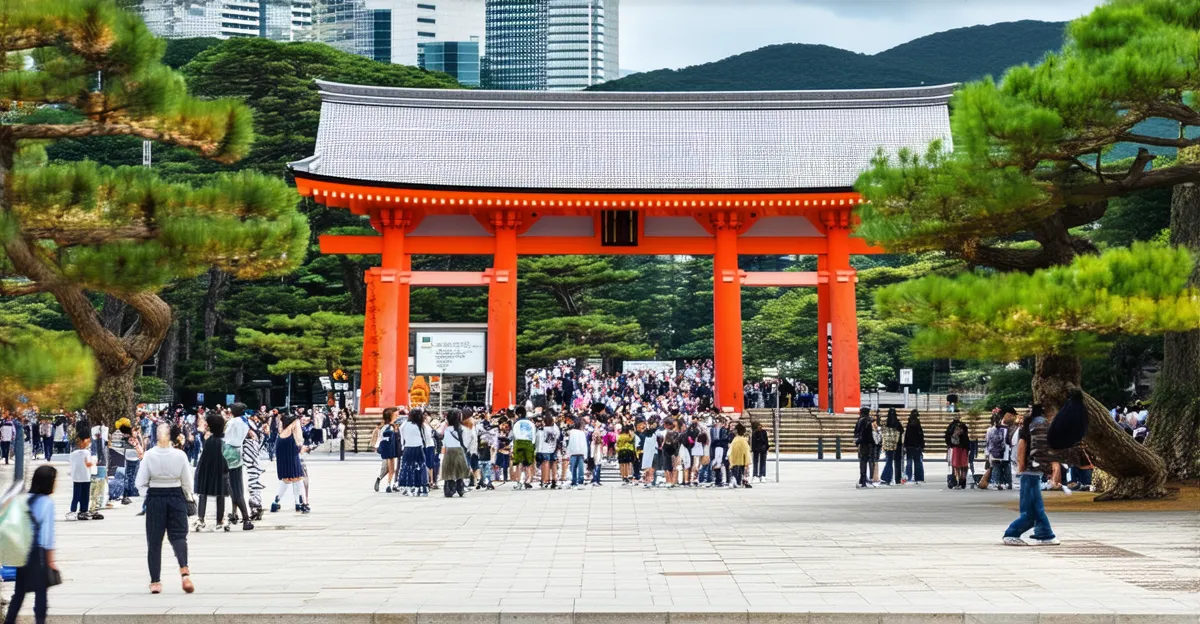
Table of Contents
Hiroshima Activities: Your Ultimate 2026 Guide
Welcome to Hiroshima in 2026! If you’re seeking a blend of historical significance, cultural experiences, and modern attractions, you’ve come to the right place. Our comprehensive guide highlights the best Hiroshima Activities to make your visit unforgettable. From poignant memorials to stunning natural landscapes, discover the heart and soul of this captivating city.
Explore Hiroshima Peace Memorial Park and Museum
You can find the latest updates on Hiroshima City Official Website.
You can find the latest updates on Dive! Hiroshima.
The Hiroshima Peace Memorial Park and Museum stand as poignant reminders of the atomic bombing’s devastation and a symbol of enduring hope for peace. A visit to these sites is a deeply moving experience, offering insights into the events of August 6, 1945, and the subsequent efforts for reconciliation and global harmony. The park itself is a sprawling green space where visitors can reflect amidst monuments, memorials, and serene gardens, each carrying profound messages of peace and remembrance.Reflecting on History and Hope
The Peace Memorial Museum provides a comprehensive look at the bombing through personal stories, artifacts, and historical context. As you walk through the exhibits, you’ll encounter powerful testimonies and displays that illustrate the human toll of the catastrophe. This experience encourages deep reflection on the importance of peace and the consequences of war. For those interested in a guided exploration, consider joining a historical walking tour to gain deeper insights into the park’s significance.
Pro Tip: Allocate at least 3-4 hours to fully explore both the park and museum. The experience can be emotionally taxing, so plan for breaks and moments of reflection.
Moreover, the park is designed to guide visitors through various memorials, including the iconic Atomic Bomb Dome, a skeletal structure preserved as a stark reminder of the destruction. The Children’s Peace Monument, inspired by Sadako Sasaki and her paper cranes, serves as a touching tribute to the children who lost their lives. The Flame of Peace, which will burn until all nuclear weapons are abolished, symbolizes Hiroshima’s unwavering commitment to global peace. These monuments collectively create a powerful atmosphere of solemnity and hope.
Exploring the park and museum is an essential part of understanding Hiroshima’s Activities and its profound message of peace. Beyond the historical significance, these sites offer a space for quiet contemplation and a renewed commitment to creating a more peaceful world. If you are planning Things to Do in Hiroshima, make sure this experience is at the top of your list. To further enhance your visit, you might consider a guided tour combining the Peace Memorial with other iconic landmarks. Additionally, remember to check out other Hiroshima Attractions to make the most of your trip.
For an even more immersive experience, discover the Peace Walking Tour and truly appreciate the historical highlights of this area.
Visit the Iconic Miyajima Island and Itsukushima Shrine
Miyajima Island, formally known as Itsukushima, is a jewel in the crown of Hiroshima Attractions and a must-see destination for anyone visiting the region. Famous for its iconic floating torii gate, part of the Itsukushima Shrine, the island offers a blend of natural beauty and historical significance that captivates visitors year-round. Furthermore, the island is easily accessible by ferry from Hiroshima, making it a convenient day trip. However, to truly appreciate its charm, consider spending more time exploring its hidden corners and soaking in its serene atmosphere.
Exploring Itsukushima Shrine
The Itsukushima Shrine is a UNESCO World Heritage site, renowned for its unique construction over water. During high tide, the shrine appears to float, creating a magical spectacle. Moreover, the vibrant red torii gate is the island’s most recognizable symbol, offering stunning photo opportunities, especially during sunset. As you wander through the shrine complex, you’ll encounter various halls, stages, and walkways, each with its own history and significance. Therefore, taking a guided tour can enhance your understanding of the shrine’s cultural and spiritual importance. Check out this cultural experience on Miyajima.
Pro Tip: Visit during high tide to witness the iconic floating torii gate at its most impressive. Check the tide schedule in advance to plan your visit accordingly.
Beyond the shrine, Miyajima Island offers several other attractions. Mount Misen, the island’s highest peak, provides panoramic views of the surrounding Seto Inland Sea. You can hike to the summit or take a ropeway for a more relaxed journey. Things to Do in Hiroshima often include sampling local delicacies such as Momiji Manju (maple leaf-shaped cakes) and fresh oysters. Also, be sure to watch out for the friendly wild deer that roam freely on the island; they are considered sacred and add to the island’s charm. For a comprehensive tour, explore this day tour of Hiroshima and Miyajima.
Visiting Miyajima Island is more than just a sightseeing trip; it’s an immersive cultural experience that offers a glimpse into Japan’s rich history and natural beauty. Whether you’re interested in exploring ancient shrines, hiking scenic trails, or simply enjoying the local cuisine, Miyajima has something to offer every traveler. So, plan your visit and discover why this island is considered one of Japan’s most cherished destinations. Furthermore, you can find more Hiroshima Activities here.
Ready to explore this enchanting island? Book your guided tour of Miyajima today and uncover its secrets!
Wander Through the Bustling Hondori Street
Hondori Street is the premier shopping destination in Hiroshima, offering a vibrant mix of retail experiences, from traditional crafts to modern fashion. This pedestrian-only street stretches for several blocks, providing a lively atmosphere where locals and tourists alike can immerse themselves in the city’s dynamic culture. As you wander through Hondori Street, you’ll encounter an array of shops, restaurants, and entertainment options, making it a must-visit spot for anyone exploring Hiroshima. Moreover, its central location makes it easily accessible and a perfect starting point for discovering other Hiroshima Attractions.
Shopping and Dining Delights
The street is lined with department stores, boutiques, and specialty shops selling everything from local souvenirs to high-end brands. Food lovers will find themselves in paradise, with countless restaurants and cafes offering both traditional Japanese cuisine and international flavors. Whether you’re looking to sample Hiroshima’s famous okonomiyaki or enjoy a relaxing coffee break, Hondori Street has something to satisfy every palate. Furthermore, seasonal events and promotions add an extra layer of excitement to the shopping experience, ensuring there’s always something new to discover. For a taste of local culture, consider joining the Hiroshima all-inclusive food and culture extravaganza.
Beyond shopping and dining, Hondori Street is also a hub for entertainment and cultural activities. Street performers, art installations, and seasonal festivals frequently animate the area, providing a lively backdrop for your visit. The energy of the street is infectious, making it a great place to people-watch and soak in the local atmosphere. In addition, the street’s proximity to other key attractions makes it an ideal spot to incorporate into your itinerary of Things to Do in Hiroshima. It’s easy to explore more Hiroshima activities around this central hub.
Pro Tip: Visit Hondori Street in the evening to experience its vibrant nightlife. Many restaurants and bars stay open late, offering a variety of options for evening entertainment.
For those interested in history, Hondori Street also offers a connection to Hiroshima’s past. Although the street was heavily damaged during World War II, it has been completely rebuilt and revitalized, symbolizing the city’s resilience and spirit of recovery. Walking through Hondori Street, you’ll notice modern architecture seamlessly integrated with historical landmarks, creating a unique blend of old and new. You can also delve deeper into the city’s narrative with a historical walking tour.
Overall, wandering through the bustling Hondori Street is an essential Hiroshima Experience that offers something for everyone. From shopping and dining to entertainment and cultural exploration, this vibrant street captures the essence of Hiroshima’s modern spirit while honoring its rich history. Be sure to include it in your itinerary to make the most of your visit. If you want to see the area in a different way, you can join the Hiroshima 3-hour cycling tour
Take a Day Trip to Okunoshima (Rabbit Island)
⭐ Recommendation: Don't miss out on amazing Hiroshima tours - book now!
Okunoshima, often called Rabbit Island, is a small island in the Inland Sea of Japan, easily accessible from Hiroshima. A day trip to Okunoshima provides a unique and heartwarming experience, especially for animal lovers. It’s known for its large population of friendly wild rabbits that roam freely around the island, approaching visitors for food. Therefore, it’s become a popular destination for tourists seeking a memorable and adorable encounter. Moreover, beyond its furry residents, Okunoshima holds a significant place in history, offering a blend of natural beauty and historical intrigue.
What to Expect on Rabbit Island
Upon arrival, you’ll immediately notice the abundance of rabbits. These creatures are accustomed to human interaction, often gathering around visitors in anticipation of food. While interacting with them, it’s important to be gentle and follow guidelines to ensure their well-being. Remember, these are wild animals, and respecting their space is crucial. Besides interacting with the rabbits, visitors can explore the island’s walking trails, which wind through scenic landscapes and lead to various points of interest. Consequently, this makes it a fulfilling experience for nature enthusiasts as well.
Pro Tip: Purchase rabbit food at the ferry terminal before heading to the island, as it may not be readily available once you arrive. Also, avoid chasing the rabbits and always approach them calmly.
However, the island’s history is not to be overlooked. During World War II, Okunoshima served as a poison gas production site. Although the facilities are now defunct, the Poison Gas Museum provides a sobering look into the island’s past. Furthermore, the museum serves as a reminder of the impact of war and the importance of peace. Combining the interaction with the rabbits and exploring the historical sites offers a multifaceted experience that appeals to a wide range of interests. In addition to the museum, the island features abandoned military fortifications that offer a glimpse into its strategic importance during the war.
To make the most of your visit, consider exploring other Hiroshima Activities. You might be interested in other things to do in Hiroshima. From Hiroshima, you can conveniently book a day tour to Okunoshima that typically includes transportation and sometimes a guided tour. Before planning your trip to see the Hiroshima Outdoor Activities, why not enhance your travel experience by booking a guided tour? Check out GetYourGuide’s offerings for Hiroshima to enhance your experience.
Discover Shukkei-en Garden’s Tranquil Beauty
Shukkei-en Garden, meaning “shrunken scenery garden,” offers a serene escape in the heart of Hiroshima. This meticulously crafted landscape garden, originally built in 1620 by Ueda Sōko, features miniature representations of famous natural landmarks. As you wander through its winding paths, you’ll discover meticulously manicured hills, valleys, and ponds. Therefore, it provides a peaceful respite from the bustling city. The garden’s design invites contemplation and offers a glimpse into traditional Japanese aesthetics, making it one of the most enchanting Hiroshima Attractions.
Key Features and Highlights
One of the garden’s most striking features is its central pond, Takuei-ike, dotted with islands connected by elegant bridges. These bridges, along with strategically placed teahouses, offer stunning vantage points from which to admire the surrounding scenery. In addition, each element of the garden is carefully arranged to create a harmonious balance. Consequently, this design reflects the beauty of nature on a smaller scale. The garden also showcases a variety of plants and flowers that bloom throughout the year, ensuring that each visit provides a unique visual experience. Moreover, the seasonal changes enhance the garden’s appeal, making it a captivating destination in any season.
Furthermore, Shukkei-en Garden is not just a visual delight; it also offers a cultural experience. Traditional tea ceremonies are often held in one of the garden’s teahouses, allowing visitors to immerse themselves in Japanese customs. Besides, the garden’s peaceful atmosphere makes it an ideal place for meditation and reflection. As you explore, consider taking a guided tour to learn more about the garden’s history and design principles.
Pro Tip: Visit during the cherry blossom season (sakura) in spring or during the vibrant autumn foliage season to witness the garden at its most spectacular.
Visiting Shukkei-en Garden is indeed one of the most relaxing Things to Do in Hiroshima. After exploring the garden, you can also check out other nearby attractions or enjoy a traditional Japanese meal at a local restaurant. For those interested in history and culture, a visit to other historical sites in Hiroshima is highly recommended. Whether you are seeking tranquility or cultural enrichment, Shukkei-en Garden promises a memorable experience.
To enhance your visit, consider booking a guided tour that combines a visit to Shukkei-en Garden with other significant landmarks in Hiroshima, providing a comprehensive exploration of the city’s cultural and historical treasures.
Experience Hiroshima Castle’s Rich History
Hiroshima Castle, also known as Carp Castle (Rijo), offers a captivating glimpse into the city’s feudal past. Originally constructed in the 1590s by Mōri Terumoto, a prominent feudal lord, the castle served as a vital center of power. Although the atomic bombing in 1945 destroyed the original structure, the main keep was meticulously reconstructed in 1958, offering visitors a chance to step back in time and explore traditional Japanese castle architecture. In addition, the surrounding park provides a serene escape and further enriches the visitor experience.
Exploring the Castle Grounds
As you approach Hiroshima Castle, you’ll immediately be struck by its imposing presence. The reconstructed main keep houses a museum showcasing the castle’s history and samurai culture. Inside, you can examine artifacts, armor, and historical documents that paint a vivid picture of life during the feudal era. Moreover, the panoramic views from the top floor provide stunning vistas of Hiroshima city. Additionally, the castle grounds are home to several other points of interest, including a reconstructed Ninomaru (second circle of defense) with its traditional buildings and gardens. Therefore, a visit to the Ninomaru offers a deeper understanding of the castle’s defensive strategies and architectural design.
Pro Tip: Plan to spend at least two to three hours exploring both the interior of the castle and its extensive grounds to fully appreciate the historical significance and beauty of this landmark.
Beyond the main keep, the castle park is a wonderful place to relax and reflect. In fact, during the spring, the park becomes a popular spot for cherry blossom viewing, enhancing its appeal. Furthermore, various events and festivals are held here throughout the year, adding to the vibrant atmosphere. However, regardless of the season, the tranquil setting offers a peaceful contrast to the bustling city. For those interested in delving deeper into Hiroshima’s past, consider a historical walking tour.
Experiencing Hiroshima Castle is not just about seeing a historical site; it’s about connecting with the resilience and spirit of Hiroshima. While exploring the castle, one can’t help but reflect on the city’s journey from devastation to renewal. Indeed, the castle stands as a symbol of perseverance and a reminder of the importance of peace. Don’t miss this opportunity to immerse yourself in one of the most significant Hiroshima Attractions. For more ideas on planning your trip and discovering other Things to Do in Hiroshima, check out Explore More Hiroshima Activities. Consider booking a guided tour to enhance your experience.
Discover the best Hiroshima Activities and experiences this 2026! Start planning your unforgettable adventure today and immerse yourself in the rich culture and history Hiroshima has to offer.
Frequently Asked Questions
A: Some of the top-rated Hiroshima Activities include visiting the Hiroshima Peace Memorial Park and Museum, exploring Miyajima Island and Itsukushima Shrine, enjoying the vibrant Hondori Street, and taking a day trip to Okunoshima (Rabbit Island).
A: The best time to enjoy outdoor Hiroshima Activities is during the spring (March-May) and autumn (September-November) seasons. The weather is mild and pleasant, making it ideal for exploring the city’s parks, gardens, and islands.
A: Yes, Hiroshima offers numerous free Activities. Visiting the Hiroshima Peace Memorial Park is free, and you can also explore the city’s beautiful parks and gardens without any charge. Walking around Hondori Street and soaking in the atmosphere is also a great free activity.
A: For families with children, visiting the Hiroshima City Zoo, exploring the Hiroshima Children’s Museum, and taking a ferry to Miyajima Island are excellent choices. Okunoshima (Rabbit Island) is also a hit with kids.
A: To make the most of your Hiroshima Activities, wear comfortable shoes, bring a portable charger for your phone, carry a water bottle, and consider purchasing a Japan Rail Pass if you plan to travel extensively. Also, learn a few basic Japanese phrases to enhance your interactions with locals.