
Explore Belfast’s Political Murals Responsibly
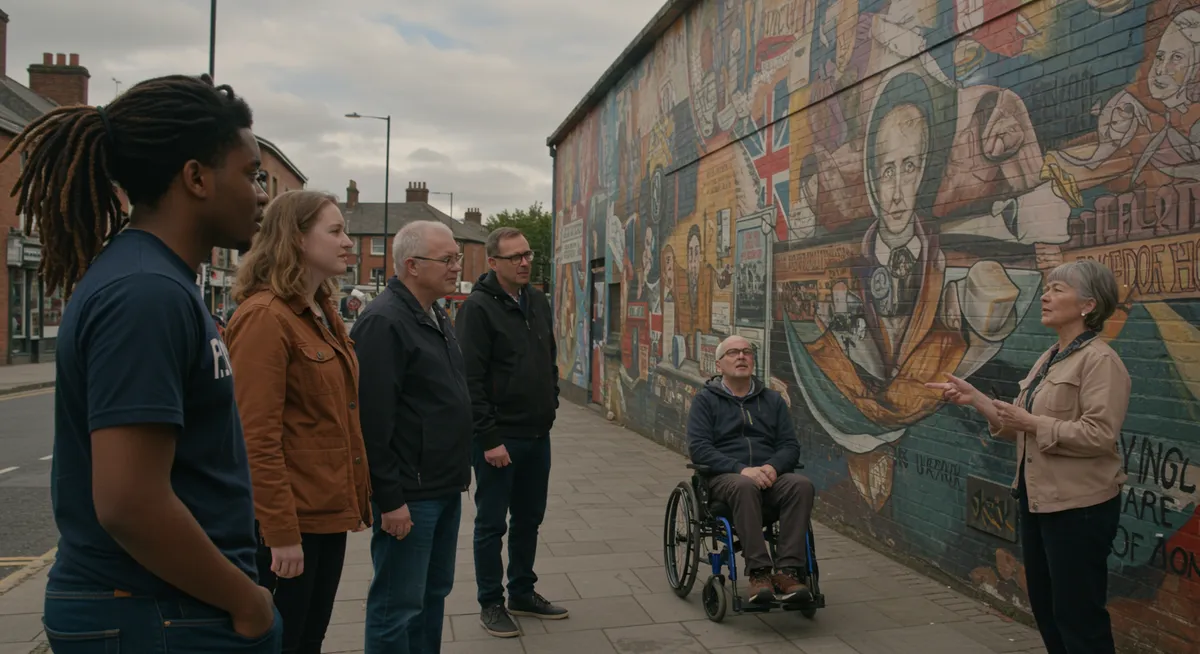
Table of Contents
How to Explore Belfast’s Political Murals Responsibly
Having explored Belfast extensively myself, I can tell you there’s a powerful story waiting on its walls. Belfast’s political murals aren’t just art; they’re living history, painted narratives of a complex past often referred to as ‘The Troubles.’ To truly appreciate these powerful visual statements, it’s crucial to understand how to explore Belfast’s political murals responsibly. This guide will walk you through engaging with this unique aspect of the city’s heritage with the respect and sensitivity it deserves, ensuring a meaningful and informative visit.
Understanding the Murals: More Than Just Art
For the most up-to-date details, check Belfast City Council before you go.
To plan your trip, review Queen's University Belfast.
When you set out to explore Belfast’s political murals responsibly, your first step is grasping their profound significance. These aren’t just pretty pictures; they are visual testaments to historical events, community identities, and ongoing efforts towards peace and reconciliation. Many murals reflect the perspectives of the republican and loyalist communities, detailing their experiences during ‘The Troubles.’ My own visits have taught me that these artworks serve as poignant reminders of past conflicts and memorials to those affected. Understanding this foundational context enriches your appreciation and helps you engage thoughtfully with the city’s unique street art.Choosing Your Exploration Method Wisely
To truly understand Belfast’s political murals responsibly, selecting the right exploration method is key. While self-guided tours are possible, I highly recommend joining a guided tour, especially one led by former political prisoners or local residents. These ‘Black Cab’ tours or specific walking tours offer invaluable first-hand accounts and nuanced interpretations that you simply can’t get from a guidebook. They bridge the gap between tourist and history, providing context on the different narratives within the republican and loyalist areas. For an authentic and insightful experience, consider booking one of the best cultural walking tours in Belfast City.
Engaging Respectfully with Communities and Symbols
When you explore Belfast’s political murals responsibly, remember you’re visiting active residential areas, not just open-air galleries. Always be respectful of privacy; ask permission before photographing people, and avoid disrupting daily life. Some symbols and murals are highly emotive, reflecting deep-seated political or historical allegiances. Be mindful of your reactions and avoid making assumptions. From my experience, showing genuine curiosity and respect opens doors to brief, meaningful interactions with locals, offering a deeper understanding of the vibrant yet complex communities that call these areas home. These interactions are crucial for truly appreciating the murals’ living history.
Deciphering the Narratives and Peace Walls
🎯 Insider Tip: Discover the best Belfast experiences with Viator Tours!
A critical part of knowing how to explore Belfast’s political murals responsibly involves learning to decipher the differing narratives. Each side of the Belfast Peace Wall tells its own story through art, symbols, and text. Look for recurring motifs, figures, and dates that signify key events or individuals. Guides are excellent at explaining these subtleties, helping you understand the perspectives of both republican (often Catholic/Nationalist) and loyalist (often Protestant/Unionist) communities. This deeper reading transforms the murals from mere pictures into powerful educational tools, illustrating the complex path Belfast has taken towards peace and reconciliation. I always advise taking time to reflect on these diverse viewpoints.
Beyond Murals: Embracing Belfast’s Wider Culture
While Belfast’s political murals are a must-see, truly understanding the city means exploring its broader cultural tapestry. To explore Belfast’s political murals responsibly is to also acknowledge the resilience and vibrancy of its people. After your mural tour, dive into other aspects of things to do in Belfast. Visit the Titanic Belfast museum, enjoy traditional Irish music in a local pub, or explore the bustling Belfast Cultural Quarter. Supporting local businesses and engaging with various cultural institutions helps foster a more complete and positive experience of Belfast, contributing to the city’s ongoing growth and unity beyond its visual history.
Frequently Asked Questions
Q: Is it safe to visit the political murals in Belfast?
A: Yes, it is generally very safe to visit Belfast’s political murals. The areas are accustomed to tourists, and many visitors choose guided tours for added comfort and historical context. Always stay with your guide if on a tour, and be respectful of local residents and privacy.
Q: What’s the best way to see the Belfast murals?
A: The most recommended way to see the Belfast murals is by taking a ‘Black Cab’ tour or a dedicated walking tour. Guides, often locals themselves, provide invaluable historical context and personal insights that bring the murals and their stories to life in a sensitive and informative way.
Q: Can I take photos of the murals?
A: Yes, you can generally take photos of the murals. However, remember that many are in residential areas. Always be respectful of locals, avoid pointing cameras directly into homes, and if you wish to photograph people, always ask for their permission first.
Exploring Belfast’s political murals responsibly is an incredibly profound experience, offering a unique window into the city’s challenging yet resilient past. By approaching these powerful artworks with sensitivity, respect, and an open mind, you contribute to a meaningful exchange that honours the narratives they represent. Go beyond simply observing; truly engage with the stories, the people, and the ongoing journey towards peace. Your thoughtful visit will not only enrich your understanding but also support Belfast’s vibrant future. Consider this your invitation to thoughtfully immerse yourself in Belfast’s compelling history and culture.