
Hue Attractions: Top Spots to Visit in 2026
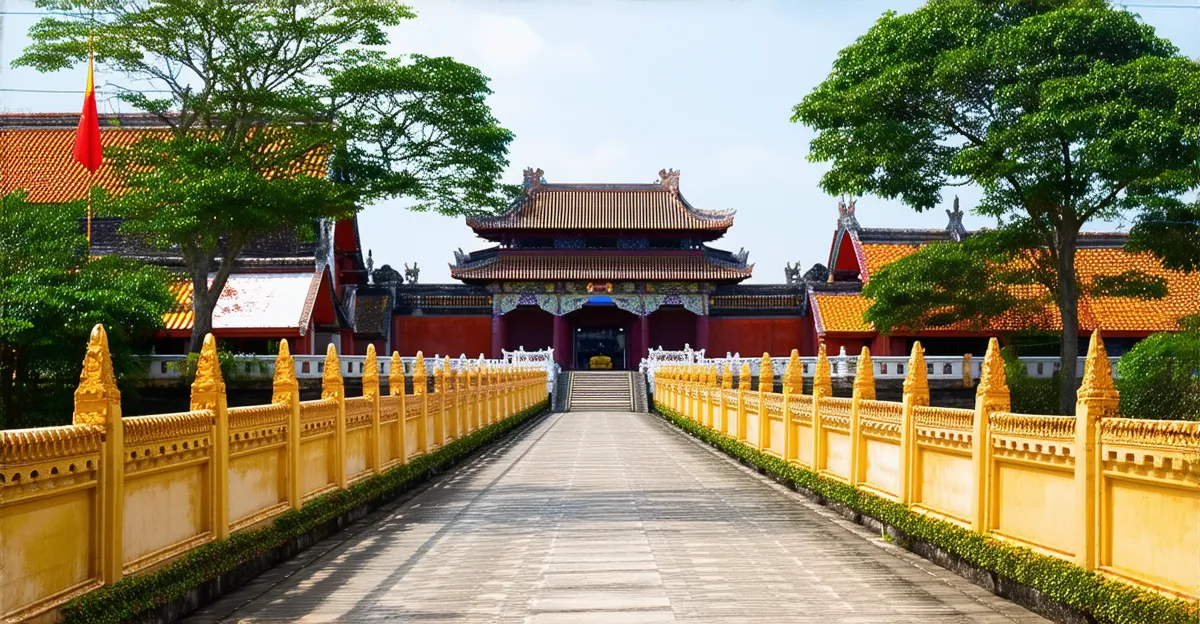
Table of Contents
Discover the Best Hue Attractions in 2026: Your Ultimate Guide
Welcome to Hue, Vietnam, a city steeped in history and culture! In 2026, Hue remains a top destination for travelers seeking authentic Vietnamese experiences. Our comprehensive guide showcases the most captivating Hue attractions, from ancient citadels to serene natural landscapes, ensuring an unforgettable journey through this imperial city.
Exploring the Majestic Imperial Citadel: A Journey Through Time
To plan your trip, review Hue Monuments Conservation Centre.
The Imperial Citadel of Hue, a UNESCO World Heritage site, stands as a powerful symbol of Vietnam’s rich history and architectural prowess. As you step through its imposing gates, you are transported back in time to the Nguyen Dynasty, the last royal family to rule Vietnam. This sprawling complex, encircled by fortified walls and a moat, showcases a captivating blend of Vietnamese, Chinese, and Western architectural styles. Exploring the Citadel offers a unique glimpse into the lives of emperors and the intricate workings of the royal court. Furthermore, the meticulous layout and historical significance make it a must-see for anyone interested in Hue Attractions.Key Areas Within the Citadel
Within the Citadel’s walls lie several distinct areas, each with its own story to tell. The Forbidden Purple City, once the exclusive domain of the Emperor and his concubines, features ornate palaces and serene gardens. Although much of it was destroyed during the war, restoration efforts have brought back some of its former glory. The Imperial City, the administrative heart of the dynasty, houses impressive halls and temples where important state ceremonies were conducted. Moreover, the complex also includes the Royal Tombs, each reflecting the personality and reign of the respective emperor. These sites collectively offer a comprehensive understanding of the Nguyen Dynasty’s influence.
Pro Tip: Hire a local guide to truly appreciate the history and significance of each structure within the Citadel. Their insights can bring the past to life, making your visit even more meaningful.
Visitors can easily spend hours wandering through the Citadel’s expansive grounds, marveling at the intricate details of the architecture. From the elaborate carvings on the palace roofs to the serene beauty of the royal gardens, every corner reveals a piece of Vietnam’s royal past. The Citadel is not only a feast for the eyes but also a testament to the enduring legacy of Vietnamese culture. Therefore, exploring the Imperial Citadel is undoubtedly one of the essential Things to Do in Hue.
Consider joining a guided walking tour of the Imperial Citadel to delve deeper into its history and hidden stories. For those looking for more Hue Activities, explore other cultural experiences in Hue.
Cruising the Perfume River: Discovering Hue’s Scenic Beauty
A cruise along the Perfume River is an essential Hue experience, providing a serene and picturesque perspective of the city’s historical and natural beauty. The river, known locally as Sông Hương, meanders through the heart of Hue, offering stunning views of ancient temples, lush gardens, and the iconic Imperial Citadel. As you glide along its tranquil waters, you’ll be transported back in time, experiencing the same views that emperors and mandarins once enjoyed. Furthermore, the gentle pace of the boat allows for moments of quiet reflection and appreciation of the surrounding landscape. A Perfume River cruise is, therefore, more than just a tour; it’s an immersive journey into the soul of Hue.
The best time to embark on a Perfume River cruise is during the early morning or late afternoon when the light is soft, and the temperatures are mild. These times also provide the most picturesque settings for photography, capturing the vibrant colors of the riverbanks and the historical landmarks in their best light. Moreover, the cooler temperatures make for a more comfortable and enjoyable experience, especially during the hotter months. Additionally, consider a sunset cruise to witness the sky ablaze with color, casting a magical glow over the river and its surroundings.
Key Stops Along the River
Several significant Hue Attractions are best accessed via the Perfume River. One of the most notable is the Thien Mu Pagoda, a historic Buddhist temple that stands as a symbol of spiritual harmony. The cruise also offers easy access to the various Imperial Tombs, including the Tomb of Minh Mang and the Tomb of Khai Dinh, each showcasing unique architectural styles and historical significance. Moreover, the river provides a unique vantage point for viewing the Imperial City, offering glimpses of its imposing walls and ornate gates. Don’t miss the opportunity to explore these sites, as they are integral to understanding Hue’s rich cultural heritage.
Besides the historical sites, the Perfume River offers glimpses into the daily life of the local communities. You’ll see fishermen casting their nets, locals tending to riverside gardens, and children playing along the banks. These candid moments provide a deeper connection to the people of Hue and their way of life. So, be sure to take the time to observe and appreciate these simple, authentic scenes that paint a vivid picture of the local culture. To explore more Things to Do in Hue, consider a guided walking tour of the Imperial Citadel. You can discover more about Hue Experiences on our website.
Booking a cruise on the Perfume River is easy, with numerous tour operators offering a range of options to suit different interests and budgets. You can choose from short, leisurely cruises to full-day excursions that include visits to multiple sites along the river. Many tours also include lunch or dinner, allowing you to savor local cuisine while enjoying the scenic views. Regardless of your choice, a cruise on the Perfume River is sure to be a highlight of your visit to Hue. Discover more Hue Outdoor Activities here. For those seeking adventure, consider a day trip to Bach Ma National Park after your cruise.
Tomb of Minh Mang: A Masterpiece of Imperial Architecture
The Tomb of Minh Mang stands as a testament to the grandeur and architectural sophistication of the Nguyen Dynasty. Located approximately 12 kilometers from Hue city center, this elaborate complex is not merely a burial site but a harmonious blend of architecture, landscape, and spiritual significance. As one of the most impressive Hue Attractions, it attracts history enthusiasts and architecture aficionados alike. The tomb reflects Emperor Minh Mang’s strong personality and his vision for an eternal resting place, making it a crucial stop for anyone exploring the historical depth of Things to Do in Hue.
Architectural Layout and Design
The design of Minh Mang’s tomb follows a symmetrical axis, creating a sense of balance and order that mirrors Confucian principles. The complex includes a series of gates, courtyards, and pavilions, each serving a specific purpose. Furthermore, the integration of water elements, such as the crescent-shaped Tan Nguyet Lake and the Minh Lau Pavilion situated on an island in the middle of the lake, enhances the serene and contemplative atmosphere. The meticulous attention to detail and the incorporation of natural elements exemplify the pinnacle of imperial architecture. Indeed, exploring this tomb provides a deeper understanding of the artistic and philosophical values prevalent during the Nguyen Dynasty. You can delve deeper into Hue’s experiences by exploring local tours.
Pro Tip: Visit early in the morning to avoid the crowds and fully appreciate the tranquil atmosphere. Allow at least 2-3 hours to explore the entire complex at a relaxed pace.
The Honor Courtyard, with its stone statues of mandarins and animals, leads to the Stele Pavilion, housing Emperor Minh Mang’s biography inscribed on a large stone tablet. The Sung An Temple, dedicated to the emperor and his empress, showcases intricate woodwork and ornate decorations. Moreover, the tomb is surrounded by lush gardens and pine forests, adding to its majestic yet peaceful ambiance. Consider taking a guided tour of the Royal Tombs for an enriched experience.
Visiting the Tomb of Minh Mang offers a profound insight into the life and reign of one of Vietnam’s most influential emperors. It not only showcases architectural brilliance but also provides a tranquil escape into nature, making it a must-see among Hue Outdoor Activities. Don’t miss the opportunity to explore this magnificent historical site, which represents a significant part of Vietnam’s imperial heritage. To discover more historical sites and activities, discover more things to do in Hue.
To fully appreciate the historical and architectural significance of this site, consider booking a guided tour of Hue. These tours often include transportation and in-depth explanations of the tomb’s history and design.
Dong Ba Market: Immerse Yourself in Local Life and Culture
💡 Pro Tip: Book your Hue adventures in advance through Viator for the best deals!
Dong Ba Market, Hue’s largest and most bustling marketplace, offers an unparalleled glimpse into the daily life and vibrant culture of the city. Situated along the Perfume River, this sprawling market is not just a place to shop; it’s an experience that engages all your senses. From the colorful array of fresh produce to the aromatic street food and the lively chatter of vendors, Dong Ba Market encapsulates the essence of Hue. Therefore, a visit here is a must for anyone seeking to truly understand and appreciate the local way of life. Moreover, exploring the market provides a fantastic opportunity to interact with the friendly locals and discover unique souvenirs.
A Shopper’s Paradise: What to Buy
Dong Ba Market is a treasure trove of goods, offering everything from fresh produce and seafood to clothing, handicrafts, and household items. In fact, it’s an excellent place to find traditional Vietnamese conical hats (nón lá), Hue sesame candies (mè xửng), and local fish sauce. Furthermore, you can also discover beautiful silk products, hand-embroidered items, and intricate lacquerware. Don’t hesitate to bargain with the vendors; it’s a common practice and part of the fun. As a result, you can often snag some great deals on your purchases. For a more structured exploration of local culture, consider checking out Hue walking tours.
Besides shopping, sampling the local cuisine is a highlight of visiting Dong Ba Market. A variety of food stalls offer regional specialties such as bún bò Huế (Hue beef noodle soup), bánh khoái (crispy pancake), and nem lụi (lemongrass skewers). So, grab a seat at one of the stalls, savor the flavors, and soak in the atmosphere. The market is a great place to try authentic Vietnamese coffee as well. For those interested, a Vietnamese coffee making class could enhance your appreciation.
Navigating Dong Ba Market can be overwhelming at first, but that is part of its charm. Start by exploring the central areas and then venture into the smaller alleys. Pay attention to your belongings, as pickpocketing can occur in crowded areas. Visit early in the morning to see the market at its most vibrant, when vendors are setting up and locals are doing their daily shopping. Consequently, you’ll get the most authentic experience. For more structured Hue Attractions, you can Explore More Hue Activities.
For a deeper dive into Hue’s culinary scene, consider joining a Hue local food tour, which often includes a visit to Dong Ba Market. This way, you can sample a variety of dishes and learn about the ingredients and cooking techniques from local guides. Plan your visit to this iconic market and immerse yourself in the heart of Hue’s culture. After your market visit, discover other Hue Experiences to enrich your trip.
Thien Mu Pagoda: A Symbol of Spiritual Harmony
Nestled on the banks of the Perfume River, Thien Mu Pagoda stands as one of Hue’s most iconic landmarks, embodying centuries of spiritual and historical significance. This serene pagoda isn’t just a visual delight; it’s a journey into Vietnam’s rich Buddhist heritage. Founded in 1601, its towering seven-story pagoda represents seven reincarnations of the Buddha, making it a profound symbol of faith and perseverance. Visiting Thien Mu offers a tranquil escape and a deeper understanding of the region’s cultural roots. Moreover, the pagoda’s picturesque setting makes it a must-see for anyone exploring Hue Attractions.
Architectural Marvel and Historical Resonance
The pagoda’s architecture seamlessly blends traditional Vietnamese design with spiritual symbolism. Each structure within the complex, from the main hall to the meticulously maintained gardens, tells a story. Furthermore, the site is renowned for the ancient bell, Đại Hồng Chung, which is said to be audible from 10 kilometers away. The pagoda also gained international recognition in the 1960s when a monk, Thich Quang Duc, self-immolated in protest against the persecution of Buddhists, an event poignantly symbolized by the car on display within the grounds. Thus, a visit here provides both a spiritual and historical context to Things to Do in Hue.
Pro Tip: Arrive early in the morning to experience the pagoda in peaceful solitude, before the crowds arrive. This allows for a more intimate and reflective visit.
Exploring Thien Mu Pagoda offers more than just sightseeing; it provides an immersive experience into the local culture and spiritual practices. You can observe monks in their daily rituals, appreciate the intricate Buddhist art, and stroll through the beautifully landscaped gardens. The pagoda also serves as a starting point for many boat tours along the Perfume River, offering a unique perspective of Hue’s Scenic Beauty. Additionally, consider a full-day tour of Hue that includes Thien Mu Pagoda for a comprehensive experience.
For those seeking Hue Experiences that combine culture, history, and tranquility, Thien Mu Pagoda is an essential destination. Whether you’re interested in religious landmarks, scenic beauty, or historical sites, the pagoda offers something for everyone. Consequently, planning a visit to this spiritual haven promises a memorable and enriching experience in Hue. Don’t miss the opportunity to witness this important part of Vietnamese heritage. Consider exploring more Hue activities to enhance your travel itinerary.
Discover the spiritual harmony of Thien Mu Pagoda and book your guided tour of Hue today!
Hue Royal Antiquities Museum: A Treasure Trove of Historical Artifacts
💡 Pro Tip: Book your Hue adventures in advance through Viator for the best deals!
The Hue Royal Antiquities Museum stands as a vital repository of Vietnam’s imperial past, housing an extensive collection of artifacts from the Nguyen Dynasty. Located in the heart of Hue, this museum offers a fascinating glimpse into the opulent lives of emperors, consorts, and mandarins who once ruled the country. For history enthusiasts and cultural explorers, it’s an unmissable destination when discovering Hue Attractions. It not only showcases the artistic and cultural achievements of the Nguyen Dynasty but also provides context to the rich history of the region.
Exploring the Collections
Within the museum’s walls, visitors encounter a diverse array of objects, including royal costumes, weaponry, ceramics, and intricately carved wooden furniture. Each artifact tells a story, revealing aspects of royal life, ceremonies, and artistic tastes. Additionally, the museum’s collection of royal decrees and official documents provides insight into the administrative and political systems of the Nguyen court. Consequently, a visit here enriches one’s understanding of Vietnam’s imperial heritage. For a broader perspective on Things to Do in Hue, consider exploring beyond the citadel.
Pro Tip: Allocate at least 2-3 hours to fully explore the museum’s extensive collections. Guided tours are available and highly recommended for a more in-depth understanding.
The museum itself is housed within a historic building that was once part of the imperial palace complex, further enhancing the immersive experience. As you wander through the halls, you’ll notice the architectural details that reflect the grandeur of the Nguyen era. Moreover, the tranquil gardens surrounding the museum offer a peaceful escape from the bustling city, allowing for moments of reflection on the historical significance of the artifacts. Thus, the setting complements the treasures it holds.
Furthermore, the museum frequently hosts temporary exhibitions and educational programs, offering fresh perspectives on Vietnam’s cultural heritage. These initiatives aim to engage both local and international audiences, fostering a deeper appreciation for the country’s rich past. Consider checking the museum’s schedule for special events during your visit. Moreover, engaging with these programs can greatly enrich your understanding of Hue Experiences.
For those interested in delving deeper into Hue’s history, a guided tour of Hue is an excellent way to explore other key landmarks and gain further insights into the city’s royal past. In addition to the museum, there’s much to discover, from ancient tombs to serene pagodas. Also, Explore More Hue Activities for a deeper dive into the city’s cultural offerings.
To enrich your travel experience, book a guided walking tour of Hue and witness the imperial city come to life.
Hidden Gems: Off-the-Beaten-Path Hue Attractions You Shouldn’t Miss
While Hue’s Imperial Citadel, Perfume River, and Royal Tombs rightly earn their place on every visitor’s itinerary, exploring beyond these iconic landmarks reveals the city’s authentic charm. Discovering off-the-beaten-path Hue attractions offers a unique perspective into local life and culture. Venturing away from the crowded tourist spots allows for a more intimate connection with the city and its people. Moreover, these lesser-known sites often hold intriguing stories and unparalleled beauty, waiting to be uncovered.
An Dinh Palace: A Blend of European and Vietnamese Architecture
An Dinh Palace, once a private residence of Emperor Khai Dinh, showcases a stunning fusion of European and Vietnamese architectural styles. As you wander through its ornate rooms and lush gardens, you’ll witness the remarkable blend of neoclassical design and traditional Vietnamese motifs. Additionally, the palace offers a glimpse into the opulent lifestyle of the Nguyen Dynasty. Unlike the more crowded Imperial Citadel, An Dinh Palace provides a more serene and personal experience. Visiting An Dinh Palace is definitely one of the unforgettable Things to Do in Hue. For a comprehensive experience of Hue’s iconic sites, consider a guided tour: Explore Hue’s Imperial Citadel and Forbidden City.
Pro Tip: Hire a local guide to learn about the palace’s history and significance. Many guides offer personalized tours, enriching your understanding of this hidden gem.
Another notable hidden gem is the series of garden houses scattered throughout Hue. These traditional residences offer a glimpse into the refined lifestyle of Hue’s elite. Often hidden behind unassuming gates, these houses feature meticulously designed gardens, antique furniture, and tranquil atmospheres. Exploring these homes provides a stark contrast to the bustling city streets. Furthermore, it is a perfect way to experience Hue’s unique blend of natural beauty and cultural heritage. Therefore, make sure to add this to your list of Hue Activities.
In addition to historical sites, exploring the local culinary scene beyond the well-known restaurants unveils a world of authentic flavors. Seek out small, family-run eateries tucked away in narrow alleyways. Moreover, these hidden culinary gems offer regional specialties prepared with time-honored recipes. Trying local delicacies not only satisfies your taste buds but also immerses you in the city’s vibrant culture.
Discover more about Hue’s cultural activities and plan your adventure with this comprehensive guide: Explore More Hue Activities. Uncover the enchantment of Hue’s best-kept secrets—Book a Hue City Tour and experience the magic for yourself!
Explore the rich tapestry of Hue’s attractions and plan your unforgettable journey today. Whether you’re a history buff, nature lover, or foodie, Hue has something to captivate every traveler in 2026!
Frequently Asked Questions
A: The Imperial Citadel, a UNESCO World Heritage site, is a must-see, along with the serene Perfume River, the ornate tombs of emperors, and the bustling Dong Ba Market.
A: Spring (February to April) and autumn (September to November) offer the most pleasant weather for exploring Hue’s attractions, avoiding the extreme heat and humidity of summer and the rainy season.
A: Absolutely! Many attractions, such as the Imperial Citadel, offer guided tours in English and other languages. Local guides can also provide valuable insights and historical context.
A: Yes, there are numerous vegetarian restaurants in Hue, especially around the Citadel area. Many pagodas also offer vegetarian meals, reflecting the city’s Buddhist influences.
A: Consider a boat trip on the Perfume River, a cyclo tour around the Citadel, or a cooking class to learn how to make Hue’s unique cuisine. These offer immersive experiences beyond typical sightseeing.