
Lhasa Attractions: Top Spots in 2026
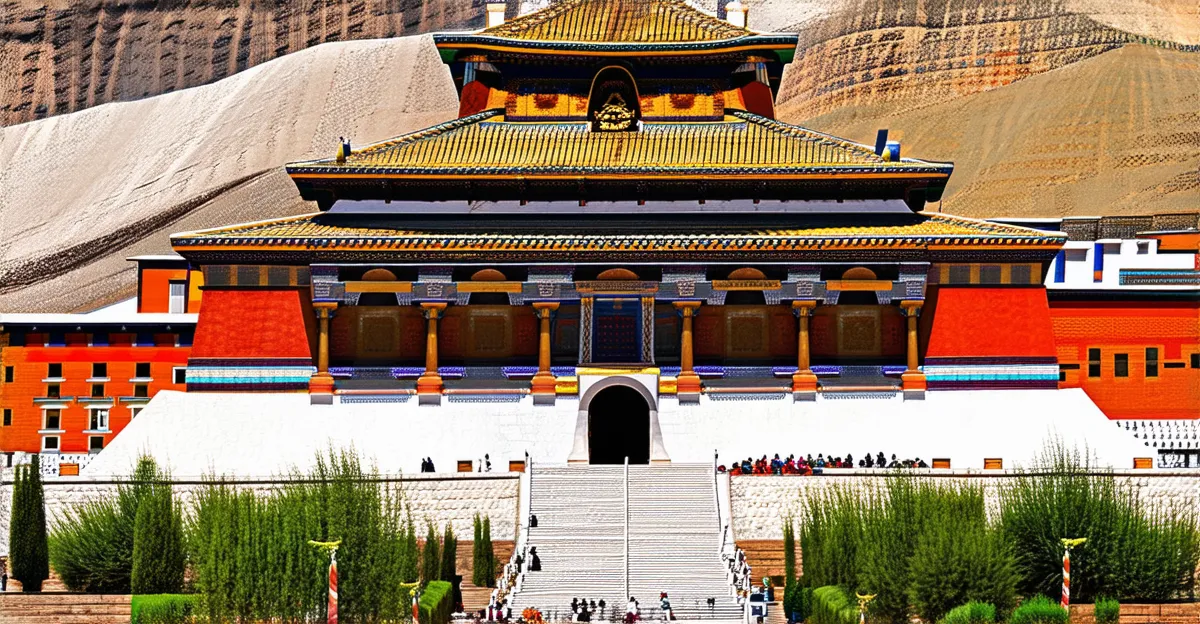
Table of Contents
Unveiling the Best Lhasa Attractions in 2026
Welcome to Lhasa, the spiritual heart of Tibet! In 2026, the city promises a wealth of unforgettable experiences through its remarkable Lhasa Attractions. From ancient palaces to sacred temples, prepare to be captivated by the unique blend of culture, history, and natural beauty. This guide will navigate you through the must-see spots and hidden gems that make Lhasa a truly extraordinary destination.
The Majestic Potala Palace: A Timeless Lhasa Attraction
For the most up-to-date details, check Historic Ensemble of the Potala Palace, Lhasa before you go.
For practical details and last-minute changes, use Lhasa Municipal People's Government.
The Potala Palace, an iconic symbol of Tibet, stands as a testament to the region’s rich cultural and religious heritage. Perched atop Marpo Ri (Red Mountain) in the heart of Lhasa, this architectural marvel dominates the skyline, offering breathtaking views and an unparalleled glimpse into Tibetan history. As a former winter residence of the Dalai Lamas, the Potala Palace isn’t just a visual spectacle; it’s a repository of invaluable artifacts, religious relics, and historical documents. Therefore, visiting the Potala Palace is an essential experience for anyone exploring Lhasa Attractions.Exploring the Palace’s Intricate Structure
Constructed over centuries, the Potala Palace comprises two main sections: the White Palace (Potrang Karpo) and the Red Palace (Potrang Marpo). The White Palace served as the living quarters of the Dalai Lamas and housed government offices. On the other hand, the Red Palace is dedicated to religious study and prayer, featuring numerous chapels, assembly halls, and sacred shrines. Furthermore, the intricate murals, statues, and precious materials used throughout the palace highlight the exceptional craftsmanship and artistic skills of Tibetan artisans. Exploring these areas allows you to delve deep into the spiritual and political life of Tibet.
Visiting the Potala Palace requires advance planning due to daily visitor limits. It’s advisable to book your tickets well in advance and arrive early to avoid long queues. Moreover, be prepared for a moderate climb, as the palace is situated at a high altitude. Pacing yourself and staying hydrated can significantly improve your experience. Once inside, remember to show respect for the sacred environment by maintaining silence and following the guidelines provided by the staff. Consequently, your visit will be both enjoyable and respectful.
Beyond its architectural grandeur, the Potala Palace offers profound insights into Tibetan Buddhism and its influence on the region’s culture and identity. You can witness monks in their daily rituals, observe ancient scriptures, and learn about the lives of the Dalai Lamas who once resided within its walls. The palace also hosts various religious ceremonies and festivals throughout the year, providing visitors with a unique opportunity to immerse themselves in the spiritual atmosphere. Also, be sure to check the local calendar for any events that might coincide with your visit.
Consider enhancing your visit by exploring other nearby Things to Do in Lhasa, such as the Jokhang Temple and Barkhor Street. For a guided experience, check out this private 3-night Lhasa trip. Additionally, explore more Lhasa Activities.
Jokhang Temple: The Spiritual Heart of Lhasa
Visiting Lhasa is incomplete without experiencing the profound spirituality radiating from Jokhang Temple. As the most sacred temple in Tibetan Buddhism, it draws pilgrims from across the globe. They come to prostrate, offer prayers, and spin prayer wheels in a deeply moving display of faith. The temple’s rich history, dating back to the 7th century, underscores its significance as a repository of Tibetan culture and religious art. Moreover, the Jokhang Temple complex is more than just a place of worship; it’s a vibrant hub where tradition and devotion intertwine, offering visitors an unparalleled insight into Tibetan spiritual life.
Exploring the Inner Sanctum
Stepping inside Jokhang Temple transports you to a realm of ornate chapels, golden statues, and ancient murals. Each hall is dedicated to different deities and enlightened beings, showcasing the intricate artistry of Tibetan craftsmanship. The air is thick with the scent of incense and the murmur of prayers, creating an atmosphere of profound reverence. Furthermore, the main shrine houses the Jowo Shakyamuni statue, believed to have been blessed by Buddha himself, making it the most venerated image in Tibet. Exploring these inner sanctums provides a deep connection to the heart of Tibetan Buddhism. To enhance your spiritual journey, explore various Lhasa Experiences.
Pro Tip: Arrive early in the morning to witness the most authentic displays of devotion. You’ll see pilgrims performing full-body prostrations, a truly humbling sight.
The outer courtyard of Jokhang Temple is equally captivating. Lined with prayer wheels and surrounded by chanting monks, it offers a glimpse into the daily rituals and practices that define Tibetan Buddhism. Pilgrims often circumambulate the temple, spinning the prayer wheels and reciting mantras, believing that each spin sends blessings out into the world. Additionally, the courtyard serves as a gathering place for the community, reinforcing the temple’s central role in Lhasa’s social and spiritual fabric. Exploring the Lhasa Activities around Jokhang Temple is highly recommended.
Jokhang Temple isn’t just a landmark; it’s a living testament to the enduring power of faith and tradition. Its spiritual significance is palpable, offering a profound and unforgettable experience to all who visit. As you plan your trip, consider joining a guided tour to fully appreciate the temple’s rich history and religious importance. Check out this tour on GetYourGuide to make the most of your visit.
Wandering Barkhor Street: Immersing Yourself in Local Culture
Barkhor Street, the bustling heart of Lhasa, is more than just a market; it’s a vibrant tapestry of Tibetan culture, spirituality, and commerce. Circling the sacred Jokhang Temple, this ancient pilgrimage route draws locals and travelers alike into its captivating embrace. A walk along Barkhor Street is an immersive experience, engaging all your senses and offering a profound connection to the soul of Tibet. Therefore, exploring this iconic street is a must for anyone seeking authentic Lhasa Experiences.
As you wander through the labyrinthine lanes, the air is thick with the scent of incense, yak butter lamps, and traditional Tibetan spices. Pilgrims clad in traditional robes, spinning prayer wheels and chanting mantras, create a mesmerizing spectacle. Moreover, the vibrant array of shops lining the street showcases an impressive collection of Tibetan handicrafts, religious artifacts, and local goods. Therefore, whether you’re searching for a unique souvenir or simply soaking in the atmosphere, Barkhor Street offers something for everyone.
A Sensory Feast: Sights, Sounds, and Smells
The sights and sounds of Barkhor Street are a constant source of fascination. The rhythmic chanting of monks blends with the lively chatter of vendors, creating a unique soundscape. Colorful prayer flags flutter in the breeze, adding a vibrant splash of color to the scene. Furthermore, the intricate details of Tibetan architecture, adorned with ornate carvings and vibrant murals, are a feast for the eyes. Don’t forget to sample some local delicacies from street vendors, such as momos (Tibetan dumplings) or yak butter tea. Indeed, a stroll along Barkhor Street is a true sensory overload, providing a glimpse into the daily life and spiritual devotion of the Tibetan people. To discover more about local traditions, check out these Lhasa activities.
Beyond the commercial aspects, Barkhor Street holds deep spiritual significance. Pilgrims walk the kora (circumambulation route) around the Jokhang Temple, often prostrating themselves at various points along the way. Joining them, even for a short distance, can be a powerful and humbling experience. In addition, the street serves as a gathering place for locals, a place to socialize, exchange news, and strengthen community bonds. Interacting with the friendly faces you encounter can offer invaluable insights into Tibetan culture and way of life. For those seeking Things to Do in Lhasa, immersing yourself in Barkhor Street’s culture is essential. Consider taking a guided tour to learn more about the street’s history and significance.
Visiting Barkhor Street is not just about seeing the sights; it’s about immersing yourself in the heart of Tibetan culture. Take your time, engage with the locals, and allow yourself to be swept away by the vibrant energy of this extraordinary place. And to further explore the region, there are plenty of Lhasa outdoor activities you can take part in to explore beyond the city limits. Book your Lhasa adventure today through GetYourGuide!
Norbulingka: Exploring the Summer Palace
🎯 Insider Tip: Discover the best Lhasa experiences with Viator Tours!
Norbulingka, meaning “Jeweled Park,” served as the summer residence of the Dalai Lamas from the 1780s until 1959. Covering an area of approximately 36 hectares (89 acres), this serene oasis is a stark contrast to the bustling city of Lhasa, offering visitors a tranquil escape into Tibetan history and culture. Visiting Norbulingka provides a unique opportunity to explore meticulously preserved palaces, wander through beautifully landscaped gardens, and immerse yourself in the peaceful ambiance cherished by generations of Dalai Lamas. Moreover, the palace complex showcases a blend of Tibetan and other architectural styles, reflecting its rich historical significance.
Key Palaces and Gardens
The park is divided into several distinct sections, each with its own unique character and purpose. Among the main attractions is the Kelsang Potang, built by the Seventh Dalai Lama, which represents an early example of the architectural splendor found within Norbulingka. Another highlight is the Tsokyil Potang, constructed during the reign of the Eighth Dalai Lama, known for its exquisite murals and detailed craftsmanship. The Golden Palace, the most opulent of the palaces, was completed in 1956 and served as the summer residence of the Thirteenth and Fourteenth Dalai Lamas. Each palace offers a glimpse into the lives and legacies of the Dalai Lamas, making it a must-see among Lhasa Attractions. These sites emphasize the importance of Things to Do in Lhasa.
The gardens of Norbulingka are an integral part of the overall experience. These gardens feature a variety of native Tibetan plants and flowers, meticulously arranged to create a harmonious and visually stunning landscape. Pavilions and meditation spots are dotted throughout the park, inviting visitors to pause and reflect. The park comes alive during the Shoton Festival, also known as the Yogurt Festival, when locals gather to celebrate with opera performances and traditional dances. This festival provides an excellent opportunity to experience Lhasa Experiences and cultural traditions firsthand.
Visiting Norbulingka not only offers a glimpse into Tibetan royal life but also provides a peaceful retreat from the city. The tranquil atmosphere and stunning architecture make it an essential destination for anyone seeking to understand and appreciate Tibetan culture. Whether you are interested in history, architecture, or simply seeking a moment of peace, Norbulingka offers something for everyone. Consider this jewel when planning your Lhasa Activities. You might also enjoy various Lhasa Outdoor Activities.
To enhance your journey through Tibet, check out this private 3-night Lhasa trip for a more personalized experience.
Drepung Monastery: One of the Great Three
Nestled on the Gambo Utse mountain, Drepung Monastery stands as one of the “Great Three” Gelug monasteries of Tibet. Founded in 1416 by Jamyang Choge Tashi Palden, a direct disciple of Je Tsongkhapa, it once housed over 10,000 monks, becoming the largest monastery in the world. Consequently, its historical and cultural significance is immense, drawing visitors interested in Tibetan Buddhism and its monastic traditions. Exploring Drepung offers a profound glimpse into the spiritual heart of Tibet and its enduring legacy.
Architectural Marvel and Key Halls
The sprawling complex of Drepung Monastery is a testament to Tibetan monastic architecture. Within its walls are several key halls and colleges (Dratsangs), each playing a crucial role in the education and daily life of the monks. The Ganden Phodrang, once the residence of the Dalai Lamas before the Potala Palace was constructed, is particularly significant. Additionally, the Coqen Hall, or assembly hall, is a central gathering place adorned with intricate murals and statues. Wandering through these halls provides insight into the meticulously planned monastic life.
Visiting Drepung Monastery involves navigating a series of stone pathways and staircases that wind through the complex. As you explore, the panoramic views of the Lhasa Valley unfold, offering breathtaking scenery that enhances the spiritual ambiance. Moreover, the monastery’s location provides a sense of tranquility and detachment from the bustling city below. Therefore, it’s a perfect location for reflection and contemplation.
Attending a chanting session at Drepung Monastery is a truly immersive experience. The deep, resonant voices of the monks fill the halls, creating a powerful atmosphere of devotion and reverence. These sessions, typically held in the mornings, offer visitors a rare opportunity to witness the living traditions of Tibetan Buddhism. Furthermore, observing the monks in their daily rituals provides a deeper understanding of their spiritual practices.
When considering Things to Do in Lhasa, Drepung Monastery should be high on your list. For those interested in exploring more of Lhasa’s religious sites, check out other spiritual activities in Lhasa. Additionally, you can discover more about the region’s natural beauty with Lhasa’s outdoor activities. Drepung Monastery offers not only spiritual enrichment but also a profound connection to Tibetan culture. For instance, it stands as a remarkable testament to the enduring power of faith and tradition in the heart of Tibet.
Consider booking a guided tour to enhance your visit and gain deeper insights into the monastery’s history and significance. Explore Lhasa with a guided tour.
Sera Monastery: Witnessing Monastic Debates
Sera Monastery, nestled in the foothills just north of Lhasa, is one of the “Great Three” Gelug monasteries of Tibet. It’s renowned not only for its stunning architecture and rich history but also for the daily monastic debates that draw visitors from around the globe. Experiencing these debates is undoubtedly one of the most unique Lhasa Experiences. Founded in 1419 by Jamchen Chojey, a disciple of Tsongkhapa, the monastery has played a crucial role in Tibetan Buddhism and education for centuries. Moreover, its picturesque setting, combined with the profound spiritual activities, makes it an essential stop for anyone exploring Lhasa Attractions. In addition, the preservation of ancient traditions adds immense cultural value to Sera Monastery, showcasing the ongoing legacy of Tibetan monastic life.
The Lively Monastic Debates
The highlight of visiting Sera Monastery is undoubtedly witnessing the monastic debates, held every afternoon (except Sundays). Monks gather in a designated courtyard, engaging in passionate and animated discussions on Buddhist philosophy. Clapping, shouting, and elaborate hand gestures accompany their arguments, creating a vibrant and energetic atmosphere. These debates are not merely displays of rhetoric; they are rigorous exercises in logic and reasoning, designed to deepen the monks’ understanding of complex philosophical concepts. Furthermore, they provide an invaluable opportunity for them to refine their knowledge and sharpen their intellectual skills. As such, witnessing the debates is a captivating and educational experience for visitors. Don’t miss this compelling aspect of Things to Do in Lhasa.
Beyond the debates, Sera Monastery offers a wealth of other cultural and spiritual treasures. Intricate murals adorn the walls of the various halls and chapels, depicting scenes from Buddhist scriptures and the lives of important lamas. Stupas and statues, crafted with meticulous detail, testify to the artistic and religious devotion of the monks. Also, guided tours offer insights into the history, philosophy, and daily life within the monastery. As you explore the grounds, you’ll gain a deeper appreciation for the rich cultural heritage of Tibet and the enduring power of its spiritual traditions. You can discover more cultural activities at Explore More Lhasa Activities.
Sera Monastery is not just a place of religious study; it is also a living community where hundreds of monks reside and practice. Observing their daily routines, from morning prayers to afternoon debates, offers a glimpse into a world that is both ancient and vibrant. It is a reminder of the enduring power of faith and the importance of preserving cultural traditions in an ever-changing world. You can also find unique Lhasa Outdoor Activities near Sera Monastery. Furthermore, remember to check out a guided tour of Lhasa to enhance your understanding of this sacred site.
Ready to witness the captivating monastic debates at Sera Monastery? Book your guided tour today and experience the spiritual heart of Lhasa!
Lhasa’s Hidden Gems: Discovering Off-the-Beaten-Path Attractions
While Lhasa’s iconic landmarks like the Potala Palace and Jokhang Temple draw significant attention, the city also harbors a wealth of lesser-known treasures waiting to be explored. These Lhasa Attractions provide a more intimate glimpse into Tibetan culture and offer a unique perspective beyond the typical tourist trail. Discovering these hidden gems allows you to connect with local life and appreciate the subtle nuances of Lhasa that often go unnoticed. Indeed, venturing off the beaten path enhances your experience, providing richer and more authentic memories.
Ani Tsankhung Nunnery: A Peaceful Retreat
Tucked away in the old city, the Ani Tsankhung Nunnery offers a serene escape from the bustling streets. This small nunnery, known for its tranquil atmosphere, provides a peaceful environment for reflection. Furthermore, the nuns here are incredibly welcoming, often sharing stories and insights into their daily lives. Spending time here offers a unique opportunity to understand Tibetan Buddhist practices from a female perspective. Therefore, it’s a must-visit for those seeking spiritual enrichment among Things to Do in Lhasa. Moreover, the intricate details of the nunnery’s architecture and artwork add to its charm.
Pro Tip: Visit during the early morning to witness the nuns’ prayers and meditation sessions for a truly immersive experience.
Exploring Lhasa’s backstreets can reveal vibrant local markets, traditional teahouses, and hidden courtyards. These areas are rich with authentic Tibetan life, offering glimpses into the daily routines and customs of the residents. Moreover, engaging with locals provides invaluable insights that you won’t find in guidebooks. Therefore, take the time to wander without a specific destination in mind, and let the city’s hidden corners surprise you. For instance, you might stumble upon a small workshop where artisans craft traditional Tibetan items.
For those interested in Lhasa Outdoor Activities beyond the city center, consider exploring the Lukhang Palace Park located behind the Potala Palace. This serene park, featuring a small lake and lush greenery, offers stunning views of the palace from a different angle. Additionally, it’s a perfect spot for a leisurely stroll or a quiet picnic away from the crowds. In addition to natural beauty, the park also holds cultural significance, with small shrines and meditation spots scattered throughout. Similarly, another great option is to visit the Tromzikhang Market, a local market where you can experience authentic Lhasa. As you plan your visit, consider exploring more Lhasa activities to enrich your itinerary.
To delve even deeper into these captivating Lhasa Experiences, consider joining a guided tour that focuses on these hidden gems. These tours often provide access to places and insights that independent travelers might miss. To plan your trip, discover private tours in Lhasa.
Best Time to Visit Lhasa: Optimizing Your Experience
Choosing the best time to visit Lhasa significantly impacts your overall experience. Situated at an altitude of 3,650 meters (11,975 feet), Lhasa experiences a unique climate characterized by distinct seasons. Therefore, understanding these variations is essential for planning a comfortable and fulfilling trip. Moreover, factors such as weather conditions, cultural events, and tourist crowds play a pivotal role in determining the ideal time to explore this fascinating city. Let’s delve into the seasonal nuances to help you optimize your visit to Lhasa and make the most of the various Lhasa Attractions.
Spring and Autumn: The Sweet Spots
The shoulder seasons of spring (April-May) and autumn (September-October) are often considered the best times to visit Lhasa. During these months, the weather is generally mild and pleasant, with clear skies and comfortable temperatures. Consequently, these conditions are perfect for exploring the various Things to Do in Lhasa, including outdoor activities and sightseeing. Furthermore, the thinner crowds compared to the peak summer season mean you can enjoy a more relaxed and intimate experience at popular sites such as the Potala Palace and Jokhang Temple. Therefore, spring and autumn provide an excellent balance of favorable weather and fewer tourists, ensuring a memorable trip. For those interested in a guided experience, consider exploring a private 3-night Lhasa trip.
Pro Tip: Check the dates for major Tibetan festivals, as these can greatly enrich your cultural experience, though they may also attract larger crowds.
Summer (June-August) in Lhasa sees the highest tourist influx due to warmer temperatures and school holidays. While the weather is conducive to exploring Lhasa Outdoor Activities, be prepared for crowded conditions and potentially higher prices. However, the vibrant atmosphere and numerous cultural events make it an exciting time to visit. Conversely, winter (November-March) brings colder temperatures and the possibility of snowfall, but it also offers a unique, serene charm. The reduced number of tourists during winter allows for a more contemplative visit to the monasteries and other sacred sites. Many consider winter to be a great time to experience authentic Tibetan culture without the hustle and bustle. For those interested, you can explore more Lhasa activities. Besides, if you want to see the beauty of Tibet from Kathmandu, you can book an 8-day trip from Kathmandu.
Ultimately, the best time to visit Lhasa depends on your personal preferences and priorities. Whether you prefer mild weather and fewer crowds or the vibrant atmosphere of peak season, Lhasa offers unique experiences year-round. Planning your trip around these seasonal variations will help you optimize your adventure and create lasting memories. Moreover, remember to factor in altitude acclimatization to ensure a healthy and enjoyable journey. For additional travel tips, you can read about Lhasa experiences and make sure to plan ahead.
Ready to explore the heart of Tibet? Discover the magic of Lhasa through its unparalleled attractions and create memories that will last a lifetime. Plan your adventure today!
Frequently Asked Questions
A: The Potala Palace, Jokhang Temple, and Barkhor Street are considered must-see attractions due to their historical significance and stunning architecture.
A: The best times to visit are spring (April-May) and autumn (September-October) when the weather is mild and comfortable for exploring the city.
A: Consider visiting Norbulingka (the Summer Palace), Drepung Monastery, and Sera Monastery for a more immersive cultural experience.
A: Many Lhasa Attractions require pre-booked tickets, especially during peak season. It’s best to book in advance to avoid disappointment.
A: Respect local customs, dress modestly when visiting religious sites, and be mindful of altitude sickness. Stay hydrated and take it easy on your first few days.