
Lhasa Activities: Top Things to Do in 2026
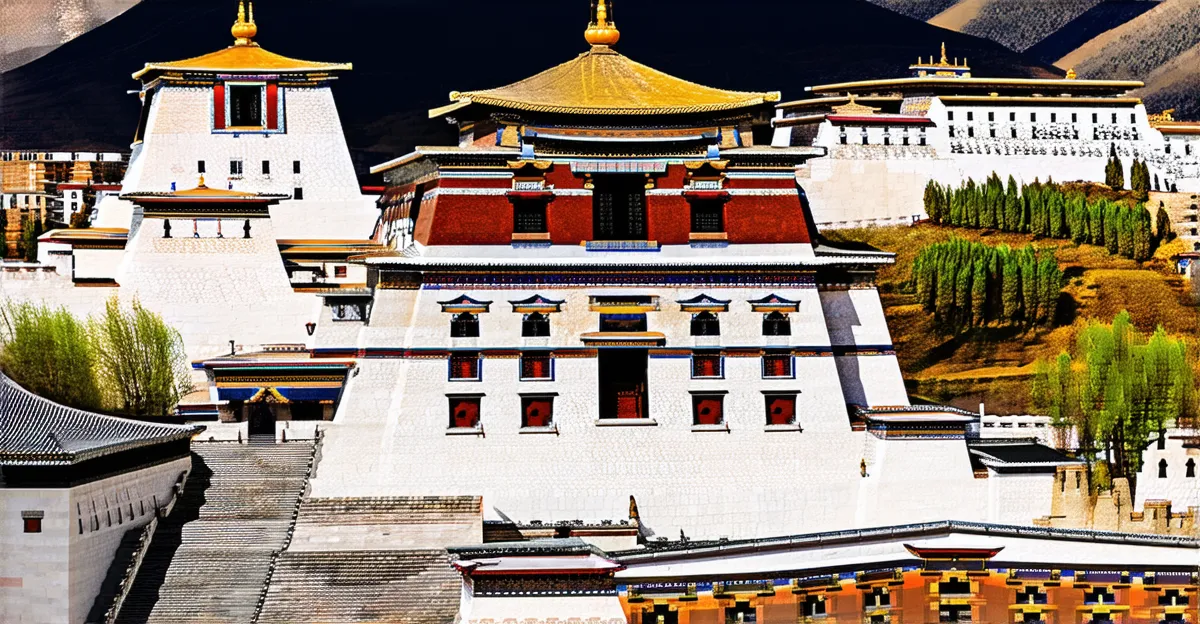
Table of Contents
Unforgettable Lhasa Activities: Your 2026 Travel Guide
Welcome to Lhasa, the heart of Tibet! Are you looking for the most captivating Lhasa Activities in 2026? Whether you’re drawn to ancient monasteries, breathtaking landscapes, or vibrant cultural experiences, Lhasa offers a treasure trove of adventures waiting to be discovered. This guide will lead you to the best Lhasa has to offer, ensuring an unforgettable journey.
Exploring the Sacred Potala Palace: A Must-Do Lhasa Activity
You can find the latest updates on The Potala Palace Official Website.
For the most up-to-date details, check Tibet Museum before you go.
The Potala Palace, a UNESCO World Heritage site, stands as an iconic symbol of Tibet and a must-visit destination for anyone traveling to Lhasa. This majestic structure, perched atop Marpo Ri (Red Mountain), was once the winter palace of the Dalai Lamas. Exploring its vast halls and intricate chapels offers a profound insight into Tibetan history, religion, and art. The sheer scale of the palace, combined with its spiritual significance, makes it an unforgettable experience. Moreover, the panoramic views of Lhasa from the palace are simply breathtaking, offering a unique perspective on this vibrant city.Architectural Marvel and Historical Significance
Construction of the Potala Palace began in 1645 during the reign of the Fifth Dalai Lama and continued for many years, resulting in the impressive architectural marvel we see today. The palace is divided into two main sections: the White Palace (Potrang Karpo), which served as the living quarters of the Dalai Lamas, and the Red Palace (Potrang Marpo), dedicated to religious study and prayer. Inside, you’ll find countless statues, murals, and relics, each telling a story of Tibet’s rich cultural and religious heritage. Exploring the Potala Palace is undoubtedly one of the most rewarding Lhasa Activities. Furthermore, understanding its history enhances the appreciation of its grandeur.
Pro Tip: Book your tickets well in advance, especially during peak season, as entry is limited to preserve the palace. Arrive early to avoid the crowds and fully immerse yourself in the serene atmosphere. Remember to dress respectfully and remove your hat when entering chapels.
Visiting the Potala Palace requires a moderate level of physical fitness, as there are many stairs to climb. However, the effort is well worth it, as each step reveals a new vista and a deeper understanding of Tibetan culture. As you wander through the dimly lit halls, you’ll encounter monks chanting, pilgrims prostrating, and the scent of incense filling the air – all contributing to the palace’s mystical aura. It’s truly one of the essential Things to Do in Lhasa.
To further enhance your understanding of Tibetan culture, consider exploring other key sites in Lhasa. You can discover more about Lhasa’s attractions and find additional things to do in Lhasa. Moreover, for those seeking spiritual enrichment, don’t miss the opportunity to visit Jokhang Temple and Barkhor Street, which are also integral parts of Lhasa’s cultural landscape.
Ready to experience this incredible landmark? Book your tour to the Potala Palace today!
Wandering Through Jokhang Temple: An Immersive Cultural Experience
Jokhang Temple, located in the heart of Lhasa, is not merely a building; it is a living testament to Tibetan Buddhism and a focal point for pilgrims from across Tibet and beyond. This ancient temple, with its rich history and spiritual significance, provides an unparalleled cultural experience for visitors seeking to immerse themselves in Tibetan traditions. Exploring Jokhang Temple offers a deep dive into the heart of Tibetan spirituality, making it one of the essential Lhasa Activities.
A Journey Through History and Spirituality
Founded in the 7th century, Jokhang Temple has evolved over centuries, incorporating architectural and artistic influences from Tibet, Nepal, China, and India. As you wander through its halls, you’ll encounter countless statues of Buddha, intricate murals depicting Buddhist stories, and the ever-present scent of incense. The golden roof, a gift from a Chinese emperor, gleams brilliantly in the Tibetan sun. Pilgrims prostrate themselves before the sacred Jowo Shakyamuni statue, believed to have been blessed by Buddha himself. Witnessing their devotion is a profound experience. Moreover, the temple’s architecture is a beautiful blend of different styles, each telling a part of its vast history. To further enhance your understanding of Things to Do in Lhasa, consider visiting early in the morning to avoid the crowds and fully appreciate the serene atmosphere.
The inner sanctum of Jokhang Temple is a labyrinth of chapels and prayer rooms, each dedicated to different deities and bodhisattvas. The air is thick with the murmur of prayers, the spinning of prayer wheels, and the flickering light of butter lamps. The devotion of the pilgrims is palpable, creating an atmosphere of profound reverence. Furthermore, the temple’s continuous activity and spiritual energy make it a vibrant and essential part of Lhasa’s cultural landscape. For those keen on discovering more, there are various Lhasa attractions to explore.
Pro Tip: Dress respectfully when visiting Jokhang Temple. Shoulders and knees should be covered. Photography inside the main halls is often restricted, so it’s best to check beforehand.
Visiting Jokhang Temple offers more than just a sightseeing opportunity; it’s an immersive cultural experience that allows you to connect with the spiritual heart of Tibet. Whether you are observing the pilgrims, admiring the art, or simply soaking in the atmosphere, a visit to Jokhang Temple is an unforgettable experience. Consider joining a guided tour to learn more about the temple’s history and significance, deepening your understanding of Lhasa Experiences. Furthermore, after visiting Jokhang Temple, take some time to explore the surrounding Barkhor Street, which is another important pilgrimage site.
Discover more about experiencing Lhasa’s cultural gems with GetYourGuide and plan your visit today!
Barkhor Street Pilgrimage: Lhasa Activities for the Soul
Embarking on a pilgrimage through Barkhor Street is an essential Lhasa Activity, offering a profound immersion into Tibetan culture and spirituality. This bustling circular street, encircling the revered Jokhang Temple, serves as the epicenter of religious devotion and commercial activity in Lhasa. As pilgrims and locals alike traverse the ancient path, the air is thick with the scent of incense, the murmur of mantras, and the vibrant colors of traditional Tibetan garments. This journey is more than just a walk; it’s a multisensory experience that touches the very essence of Tibetan Buddhism and provides invaluable insight into the local way of life.
The Heartbeat of Lhasa: A Spiritual and Commercial Hub
Barkhor Street’s significance lies not only in its religious importance but also in its role as a vibrant marketplace. Along the route, you’ll find countless stalls and shops selling everything from prayer wheels and rosaries to yak butter tea and intricate handicrafts. The rhythmic chanting of pilgrims spinning prayer wheels contrasts with the lively bartering between merchants and customers, creating a dynamic atmosphere unique to this sacred space. Moreover, as you navigate the crowded pathways, you’ll witness acts of devotion, such as prostrations and offerings, which underscore the deep spiritual connection that the Tibetan people have with this place. For more cultural immersions, explore other Lhasa Experiences.
Pro Tip: To fully appreciate the spiritual significance of Barkhor Street, consider joining a guided tour that explains the rituals, symbols, and historical context of the pilgrimage. Alternatively, simply observe the locals and allow yourself to be swept up in the devout atmosphere.
Participating in the Barkhor Street pilgrimage offers a unique opportunity to connect with the soul of Lhasa. Whether you are spinning a prayer wheel, purchasing a traditional souvenir, or simply observing the devout pilgrims, you’re engaging in a centuries-old tradition that reflects the enduring spirit of Tibetan culture. Furthermore, the experience provides a deeper understanding of the values and beliefs that shape the lives of the Tibetan people.
Before embarking on this spiritual journey, it’s wise to prepare accordingly. Dress respectfully, be mindful of local customs, and stay hydrated, especially if you’re not accustomed to the altitude. Additionally, consider visiting early in the morning or late in the afternoon to avoid the peak crowds. By approaching the pilgrimage with an open mind and a respectful attitude, you can fully appreciate the profound cultural and spiritual significance of Barkhor Street.
To enhance your exploration of Lhasa’s cultural gems, consider booking a guided tour through GetYourGuide for an in-depth experience.
Drepung Monastery Visit: Discovering Tibetan Buddhism
💡 Pro Tip: Book your Lhasa adventures in advance through Viator for the best deals!
A visit to Drepung Monastery, one of the “great three” Gelugpa monasteries of Tibet, is an essential part of experiencing the rich cultural and spiritual heritage of Lhasa. Located on the Gambo Utse mountain, just outside the city, Drepung was once the largest monastery in the world, housing thousands of monks. Exploring this sprawling complex provides a profound insight into Tibetan Buddhism and monastic life. Therefore, including Drepung Monastery in your list of Lhasa Activities is highly recommended for an immersive cultural journey.
Exploring the Monastery’s Key Areas
When visiting Drepung Monastery, be sure to explore its most significant areas. The Coqen Hall, or assembly hall, is the heart of the monastery, where important ceremonies and teachings take place. The Ganden Phodrang, once the residence of the Dalai Lamas before the Potala Palace was built, holds significant historical importance. Additionally, the various colleges (or Zhacangs) within Drepung, such as Loseling, Gomang, and Deyang, each have their unique focus of study. Wandering through these areas allows you to witness the architectural grandeur and spiritual atmosphere of the monastery. As part of the top Things to Do in Lhasa, a guided tour can greatly enhance your understanding of each section’s historical and religious significance.
Pro Tip: Attend a morning chanting session at Drepung Monastery for a truly immersive experience. The resonant sounds of the monks chanting create a powerful and unforgettable atmosphere.
Observing the daily life of the monks is a fascinating aspect of visiting Drepung. You can witness them engaging in debates, studying scriptures, and performing rituals. These daily activities offer a glimpse into the rigorous training and dedication required to pursue the monastic path. Furthermore, the monastery’s vast courtyards and prayer halls provide ample opportunities for quiet contemplation and reflection. For those interested in Lhasa Attractions, Drepung Monastery provides a unique lens through which to understand Tibetan culture.
For travelers seeking spiritual enrichment and cultural immersion, a visit to Drepung Monastery is indispensable. The monastery’s serene environment, coupled with its rich history and vibrant monastic community, creates an experience that is both educational and deeply moving. Plan your visit to Drepung Monastery and delve into the heart of Tibetan Buddhism. Moreover, to discover more enriching cultural sites, explore other Lhasa experiences that will further enhance your trip.
If you’re planning a trip to Tibet, consider exploring options like this 5-day private tour of Lhasa, including visits to Potala Palace and Yamdrok Lake, for a comprehensive experience.
Norbulingka Summer Palace: A Tranquil Oasis in Lhasa
Escape the bustling city and discover the serene beauty of Norbulingka, the Summer Palace of the Dalai Lamas. Located in the western part of Lhasa, Norbulingka, meaning “Treasure Garden,” offers a unique glimpse into the lives of the Dalai Lamas and the rich history of Tibetan culture. This expansive garden and palace complex served as the traditional summer residence from the 1780s until 1959. Exploring Norbulingka is undoubtedly one of the most enriching Lhasa Activities you can experience, providing both tranquility and insight into Tibetan heritage.
Exploring the Gardens and Palaces
The sprawling grounds of Norbulingka encompass several palaces, each with its own distinct character and historical significance. The Kelsang Potang, built by the 7th Dalai Lama, is one of the oldest sections. Meanwhile, the Tsokyil Potang, or New Palace, is renowned for its exquisite murals depicting Tibetan history and Buddhist teachings. As you wander through these palaces, you’ll encounter beautifully preserved artifacts, traditional furniture, and vibrant artwork that showcase the opulence and artistry of Tibetan craftsmanship. Moreover, the meticulously maintained gardens, filled with exotic plants and serene ponds, offer a peaceful retreat from the city’s hustle. Therefore, visiting Norbulingka is more than just sightseeing; it’s one of the most rewarding Things to Do in Lhasa.
Pro Tip: Allow at least half a day to fully explore Norbulingka. Wear comfortable shoes, as you’ll be doing a lot of walking. Consider hiring a local guide to gain deeper insights into the palace’s history and significance.
Furthermore, Norbulingka is not only a historical site but also a living cultural center. During the Shoton Festival, one of Tibet’s most important festivals, the park comes alive with vibrant celebrations, including traditional Tibetan opera performances, dances, and picnics. Attending the Shoton Festival in Norbulingka is an unparalleled cultural experience, offering a firsthand look at Tibetan traditions. For more on cultural experiences, explore unique Lhasa experiences.
In addition to its historical and cultural significance, Norbulingka provides a tranquil oasis for those seeking respite from the urban environment. The gardens are meticulously maintained, offering shaded pathways, serene ponds, and diverse flora. It’s an ideal place for quiet contemplation and relaxation, providing a stark contrast to the bustling streets of Lhasa. It is truly one of the most unique Lhasa Attractions.
Enhance your visit to Tibet with guided tours that include Norbulingka. Consider this private 3-night Lhasa trip for an immersive experience.
Lhasa’s Hidden Gems: Unique Cultural Experiences
Beyond the well-trodden paths of Potala Palace and Jokhang Temple, Lhasa holds a treasure trove of lesser-known cultural experiences waiting to be discovered. These hidden gems provide a deeper, more intimate connection with Tibetan culture and offer unique perspectives on the city’s rich heritage. Exploring these sites allows travelers to step away from the crowds and immerse themselves in the authentic spirit of Lhasa. Moreover, these experiences often reveal untold stories and traditions that are not immediately apparent to the casual visitor.
One such gem is the Ani Sangkhung Nunnery, a serene retreat where female Buddhist practitioners devote their lives to spiritual practice. Visiting this nunnery provides a tranquil glimpse into their daily routines and offers a chance to engage in meaningful conversations. Furthermore, the nunnery’s peaceful ambiance and stunning views create a meditative environment for personal reflection. You can find more about local insights on Lhasa Experiences.
Another captivating experience involves participating in a traditional Tibetan cooking class. Learning to prepare authentic dishes like momos and thukpa offers a hands-on appreciation of Tibetan cuisine and culture. Lhasa Activities such as these provide insight into the ingredients, techniques, and culinary traditions passed down through generations. Additionally, sharing a meal with local families provides a unique opportunity to connect on a personal level.
Exploring the local markets beyond Barkhor Street can also unveil fascinating aspects of daily life in Lhasa. These markets are bustling hubs where you can witness the trade of traditional crafts, textiles, and local produce. Moreover, engaging with vendors and observing their interactions provides a vivid snapshot of Lhasa’s economic and social fabric. As you navigate these vibrant locales, remember to explore more things to do in Lhasa to enrich your journey.
Discovering Lhasa’s hidden teahouses is another unique cultural experience. These unassuming establishments are community gathering spots where locals share stories, play games, and enjoy yak butter tea. Visiting a teahouse allows you to observe these social dynamics firsthand and perhaps even participate in a game of dice or a lively conversation. Furthermore, sipping yak butter tea alongside locals provides a genuine taste of Tibetan hospitality and camaraderie.
To truly make the most of your journey, consider a guided tour that focuses on these unique cultural experiences. Guides with local knowledge can unveil hidden stories and facilitate meaningful interactions. By venturing off the beaten path, you’ll uncover the soul of Lhasa and create lasting memories. For an immersive journey, consider booking a private Lhasa tour that caters to your interests.
Outdoor Lhasa Activities: Hiking and Exploring the Tibetan Landscape
Lhasa, the heart of Tibet, is not only a spiritual and cultural hub but also a fantastic destination for outdoor enthusiasts. The stunning Tibetan landscape surrounding Lhasa provides incredible opportunities for Lhasa Activities like hiking, trekking, and exploring the natural beauty. Whether you are an experienced trekker or a casual hiker, the region offers trails and vistas that cater to all levels of adventure. Preparing for outdoor adventures is key, especially considering the altitude, which can present challenges even for seasoned athletes. Don’t miss out on the unique chance to connect with nature and witness breathtaking scenery.
Best Hiking Trails Around Lhasa
Several notable trails provide unforgettable Lhasa Experiences. The Ganden Monastery to Samye Monastery trek is a classic route, taking you through high mountain passes and remote villages. This multi-day trek offers both stunning views and a deep dive into Tibetan culture. Alternatively, shorter hikes around the Lhasa Valley offer equally rewarding experiences, allowing you to appreciate the local flora and fauna. Regardless of the trail you choose, always ensure you have appropriate gear, including sturdy hiking boots, layers of clothing, and plenty of water. Furthermore, consider hiring a local guide who can provide valuable insights and ensure your safety. You can discover more exciting outdoor activities in Lhasa to add to your itinerary.
Pro Tip: Acclimatize to the altitude for at least a couple of days before embarking on any strenuous hikes. Drink plenty of water and avoid alcohol to minimize the risk of altitude sickness.
Exploring the Tibetan landscape goes beyond just hiking; it’s about immersing yourself in the serene environment and appreciating the untouched beauty. The high-altitude meadows, crystal-clear lakes, and snow-capped peaks provide a stunning backdrop for your adventures. Moreover, you’ll have the opportunity to encounter unique wildlife, such as yaks and various bird species. These encounters add an extra layer of wonder to your outdoor explorations. Plan your trip around the warmer months (May to October) to enjoy the most favorable weather conditions, ensuring a safe and enjoyable experience. For more insights, check out these Lhasa attractions that blend nature and culture.
For those interested in a guided tour, numerous options are available to enhance your experience. Companies like GetYourGuide offer various excursions, such as the 8-day Tibet Highlights Trip from Kathmandu. Guided tours can provide invaluable local knowledge, handle logistics, and ensure you get the most out of your exploration. So, pack your bags and prepare to discover the breathtaking Things to Do in Lhasa that await in the great outdoors.
Ready to experience the adventure? Book Your Lhasa Adventure Now!
Ready to dive into the heart of Tibet? Explore these unforgettable Lhasa Activities and create memories that will last a lifetime! Start planning your adventure today and experience the magic of Lhasa.
Frequently Asked Questions
A: Lhasa offers a range of activities suitable for families, including visits to monasteries, cultural shows, and gentle hikes in the surrounding areas. Ensure children are acclimatized to the altitude before engaging in strenuous activities.
A: The best time to visit Lhasa for outdoor activities is during the shoulder seasons (April-May and September-October). The weather is generally mild and dry, offering ideal conditions for exploration.
A: Acclimatizing to the high altitude is crucial. Spend the first few days resting, drink plenty of water, and avoid strenuous activities. Consult your doctor about altitude sickness medication if necessary.
A: Many tours in Lhasa include visits to monasteries, the Potala Palace, and the Jokhang Temple. They often provide guides who can offer insights into the local culture and history.
A: While many cultural sites allow photography, restrictions may apply in certain areas, particularly inside monasteries. Always ask for permission before taking photos to respect local customs.