
Trieste Customs: What to Know for Your Visit
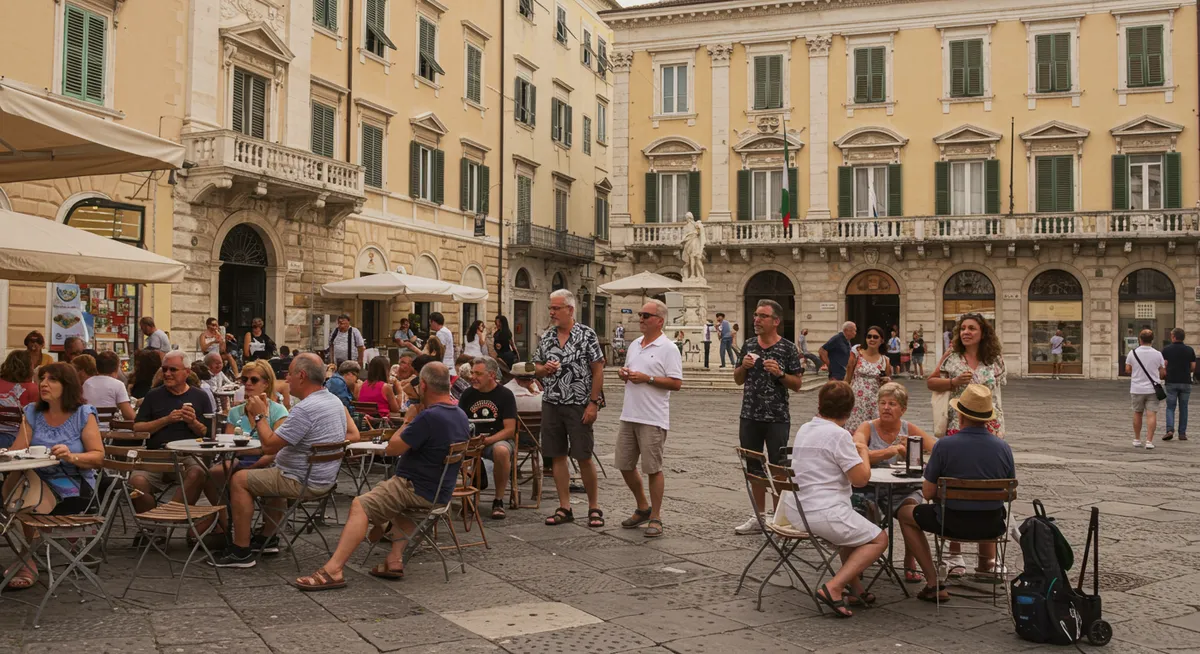
Table of Contents
Navigating Trieste: Essential Local Customs for Travelers
Having spent time exploring Trieste’s unique cultural tapestry, I can tell you that understanding local customs is like having a secret key to unlock the city’s true charm. Trieste, with its fascinating blend of Italian, Austro-Hungarian, and Slavic influences, has a distinct identity that sets it apart from other Italian cities. While many Italian customs apply, there are specific nuances here that can make your visit even more authentic and enjoyable. This guide will help you navigate the social landscape, ensuring you feel comfortable and connected. Knowing the local customs to know visiting Trieste will genuinely enhance your cultural journey.
Greetings & Social Etiquette: The Triestine Way
For official information, visit University of Trieste.
For practical details and last-minute changes, use Trieste Airport.
When you’re exploring Trieste, a friendly greeting goes a long way. The general rule is “Buongiorno” (good morning) until lunchtime, then “Buonasera” (good evening) from late afternoon. A simple “Ciao” is common among peers but can be considered informal for strangers or elders. Always make eye contact when greeting someone; it shows respect. Triestini tend to be a bit more reserved than their Southern Italian counterparts, so excessive loudness or personal space intrusion is generally frowned upon. These are important local customs to know visiting Trieste, especially when interacting with shopkeepers or at cafes. From my experience, a polite demeanor makes all the difference for a seamless cultural immersion.Decoding Trieste’s Unique Coffee Culture
Trieste boasts a deep, historical relationship with coffee, and understanding its distinct coffee culture is crucial. Forget your fancy latte orders; here, coffee has its own language. A plain espresso is a “nero” (black), while an espresso macchiato (with a splash of milk) is a “capo.” If you want it in a glass, that’s a “capo in b” (capo in bicchiere). Locals typically stand at the bar for their quick coffee fix, often multiple times a day. Lingering too long with an empty cup is uncommon. This ritual is one of the most distinctive local customs to know visiting Trieste. For a deeper dive into this fascinating world, check out our guide on understanding Trieste coffee culture and its rich history.
Dining Customs & Tipping in Trieste
Dining in Trieste is a delightful experience, but there are some unwritten rules. Meal times are generally later than in many other countries: lunch around 1-2 PM and dinner starting after 7:30 PM, often closer to 8:30 PM. Most restaurants will include a “coperto” (cover charge) or “servizio” (service charge) on your bill, especially in tourist areas. This covers bread, water, and table service, making extra tipping less expected than in, say, the US. However, leaving a few extra euros as a token of appreciation for excellent service is always welcome but not obligatory. These are practical local customs to know visiting Trieste to ensure a smooth culinary journey. If you’re looking for more ways to enjoy the city, explore other Trieste activities.
Respecting Heritage & Public Spaces in Trieste
💡 Pro Tip: Book your Trieste adventures in advance through Viator for the best deals!
Trieste is rich in history, from ancient Roman ruins to grand Habsburg architecture, and respecting these sites is paramount. When visiting churches or religious sites, it’s customary to dress modestly, covering shoulders and knees. Inside, keep your voice low and avoid using flash photography. Public spaces, while vibrant, are generally kept clean, so please don’t litter. Queuing is usually orderly, and patience is appreciated. These respectful habits are essential local customs to know visiting Trieste. My tip: immerse yourself respectfully, perhaps by exploring hidden historical sites in Trieste’s city center, where quiet contemplation truly enhances the experience.
The Pace of Life & Patience: Embracing the Triestine Flow
Life in Trieste, like much of Italy, moves at a more relaxed pace. Don’t expect things to happen as quickly as they might in a bustling metropolis. Whether you’re in a shop, at a café, or waiting for public transport, patience is a virtue. Rushing or showing impatience can be perceived as rude. Embrace the “dolce vita” – the sweet life – and allow yourself to slow down and enjoy the moment. This slower rhythm is one of the most ingrained local customs to know visiting Trieste. Understanding and adapting to this relaxed pace will significantly reduce any potential stress and allow you to fully appreciate all the things to do in Trieste.
Frequently Asked Questions
Q: Is tipping expected in Trieste?
A: While a ‘coperto’ (cover charge) or ‘servizio’ (service charge) is often included on your bill, extra tipping is not strictly mandatory. However, leaving a few extra euros for excellent service is always appreciated.
Q: How do you order coffee in Trieste like a local?
A: Forget ‘latte’! Order an espresso as a ‘nero’ (black) or an espresso with a dash of milk as a ‘capo’. If you want it in a glass, ask for a ‘capo in b’ (capo in bicchiere). Locals usually stand at the bar.
Q: What are common greetings in Trieste?
A: Use ‘Buongiorno’ (good morning) until early afternoon, then switch to ‘Buonasera’ (good evening). ‘Ciao’ is for friends and informal settings. Always make eye contact and maintain respectful personal space.
Understanding the local customs to know visiting Trieste isn’t just about avoiding faux pas; it’s about enriching your travel experience. By embracing the city’s unique social norms, from its distinct coffee culture to its relaxed pace of life, you’ll feel more connected to the community and gain a deeper appreciation for its singular character. So, go ahead, practice your ‘Buongiorno’, savor your ‘capo’, and immerse yourself fully in the Triestine way. Your journey through this fascinating port city will be all the more rewarding for it. Dive into the local spirit and create unforgettable memories!