
Mecca Attractions: A 2026 Pilgrimage Guide
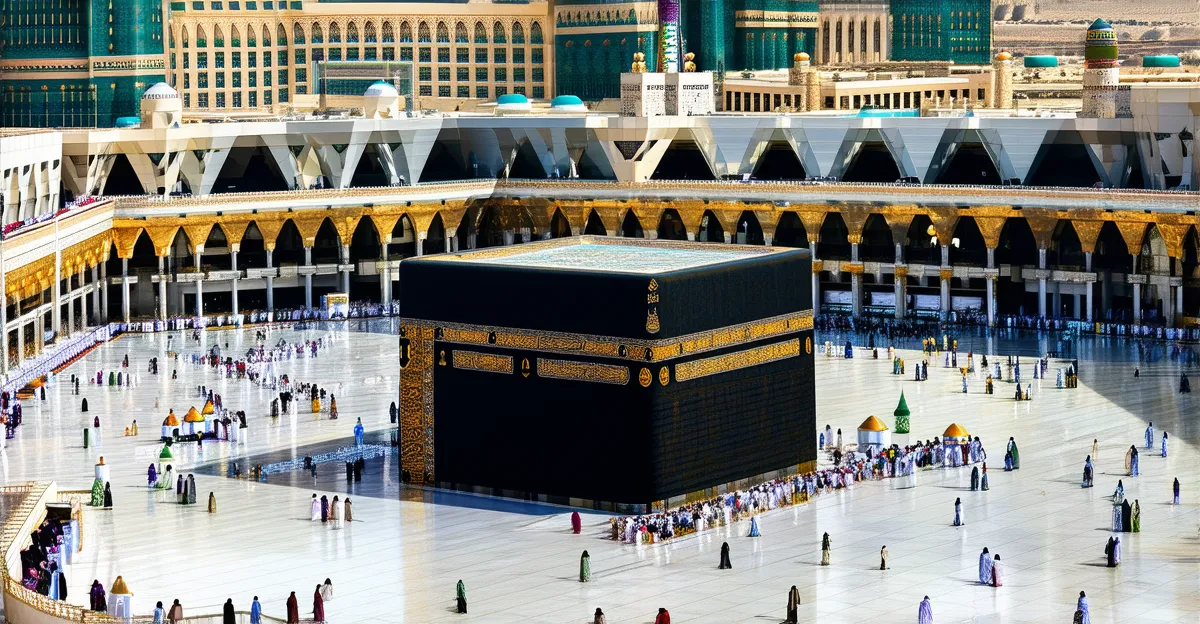
Table of Contents
Discover the Best Mecca Attractions in 2026
Welcome to Mecca, the holiest city in Islam. In 2026, explore the most significant Mecca Attractions that draw millions of pilgrims annually. From the sacred Masjid al-Haram to historical landmarks, embark on a spiritual journey through the heart of Islamic culture and tradition.
The Sacred Masjid al-Haram: The Heart of Mecca
You can find the latest updates on Makkah Municipality.
To plan your trip, review Royal Commission for Makkah City and Holy Sites.
The Masjid al-Haram, also known as the Grand Mosque, stands as the most sacred mosque in Islam, located in the heart of Mecca, Saudi Arabia. As the focal point for Muslims worldwide, it encompasses the Holy Kaaba, making it the ultimate destination for pilgrimage and prayer. The mosque’s history is deeply interwoven with the origins of Islam, and it has undergone numerous expansions and renovations throughout the centuries to accommodate the growing number of pilgrims. Today, it is a sprawling complex that reflects both architectural grandeur and spiritual significance.Architectural Marvel and Spiritual Center
The Masjid al-Haram is not only a place of worship but also a stunning architectural achievement. Its vast courtyards, intricately designed gates, and towering minarets create a breathtaking visual spectacle. Moreover, the mosque’s design facilitates the smooth flow of millions of worshippers, especially during Hajj and Ramadan. The central courtyard houses the Holy Kaaba, around which Muslims perform the Tawaf, circling in devotion. The mosque also includes essential facilities such as prayer halls, ablution areas, and spaces for religious study. As such, visiting the Masjid al-Haram is central to many Mecca Experiences.
Pro Tip: Plan your visit during off-peak times to avoid extreme crowding and to fully appreciate the serenity and spirituality of the mosque.
Beyond its architectural beauty, the Masjid al-Haram serves as the spiritual heart of the Muslim world. It is the qibla, the direction towards which Muslims face during their daily prayers, uniting billions in a shared act of worship. Furthermore, the mosque is a place of profound reflection and connection with the divine, where pilgrims from all walks of life gather to seek forgiveness and blessings. This sense of unity and devotion is palpable within the mosque’s walls, creating an atmosphere of peace and reverence. Because of its unique qualities, the Masjid al-Haram is one of the top Mecca Attractions.
Exploring the Masjid al-Haram offers a unique opportunity to witness the devotion and unity of the Muslim community. Whether you are participating in prayers, performing the Tawaf, or simply soaking in the atmosphere, the experience is deeply moving and unforgettable. For those planning a visit, it is important to respect the sanctity of the site and adhere to the guidelines set forth by the authorities.
To enhance your spiritual journey, consider joining a guided tour that provides deeper insights into the history and significance of the Masjid al-Haram. You can explore guided tours of the holy sites in Mecca and make the most of your visit.
The Holy Kaaba: The Focal Point of Islamic Prayer
The Holy Kaaba stands as the most sacred site in Islam, serving as the qibla, the direction towards which Muslims around the world turn in prayer. Located in the heart of the Masjid al-Haram in Mecca, it is more than just a building; it is the symbolic house of God and the epicenter of Islamic devotion. Annually, millions of pilgrims visit Mecca to perform Hajj and Umrah, circling the Kaaba in a ritual known as tawaf, thereby fulfilling one of the central pillars of Islam. This act symbolizes the unity of Muslims globally and their collective submission to Allah.
Historical and Spiritual Significance
According to Islamic tradition, the Kaaba was originally built by Prophet Ibrahim (Abraham) and his son Ismail (Ishmael). Over centuries, it has been rebuilt and renovated, reflecting the changing dynamics of the region. The Black Stone (Hajar al-Aswad), embedded in the eastern corner of the Kaaba, is believed to have been sent down from paradise and holds deep spiritual significance for Muslims. Moreover, the Kaaba’s covering, known as the kiswa, is replaced annually in a meticulous ceremony, symbolizing purity and renewal. Exploring the historical places around Mecca offers profound insights into Islamic heritage. For guided tours, consider checking out Makkah Historical Places Private Tour.
Furthermore, the area surrounding the Kaaba, the Masjid al-Haram, can accommodate millions of worshippers, especially during peak pilgrimage seasons. The architecture and design of the mosque reflect a blend of historical and modern influences, ensuring the comfort and safety of pilgrims. Indeed, the spiritual ambiance within the mosque, coupled with the collective prayers, provides a deeply moving and transformative experience for all visitors.
Pilgrims often express feelings of profound peace and connection when in the presence of the Kaaba. The act of circling the Kaaba, reciting prayers, and reflecting on its significance are integral parts of the pilgrimage experience. In addition, the rituals performed here are believed to cleanse the soul and bring one closer to Allah. Therefore, understanding the essence of the Kaaba is vital for appreciating the depth of Islamic faith. You can discover various Mecca Activities to enrich your visit.
Consider learning more about the life of Prophet Muhammad in Mecca to enhance your understanding of the city’s spiritual significance.
Jabal al-Nour (Mountain of Light): Where Revelation Began
Jabal al-Nour, or the Mountain of Light, holds a significant place in Islamic history as the location where the Prophet Muhammad (peace be upon him) received his first revelation. Situated a few kilometers from Mecca, this mountain attracts thousands of pilgrims and visitors each year. Climbing Jabal al-Nour is a physically demanding yet spiritually rewarding experience. The ascent, though challenging, allows visitors to connect with the profound events that shaped the Islamic faith. Moreover, the panoramic views from the summit offer a breathtaking perspective of the holy city of Mecca.
The Significance of Hira Cave
Nestled near the summit of Jabal al-Nour is the Cave of Hira, a small, unassuming space where the Prophet Muhammad (PBUH) spent considerable time in contemplation and prayer before receiving his first revelation. It was in this cave that the Angel Gabriel appeared to him and revealed the first verses of the Quran. The event marks the beginning of Islam and holds immense spiritual importance for Muslims worldwide. Furthermore, the cave’s simplicity underscores the profound message of divine guidance and the importance of reflection. To deepen your understanding of the Prophet’s life, consider this Prophet’s Life Tour in Mecca.
The journey to Hira Cave involves navigating a rocky and steep path, requiring physical endurance and proper preparation. Despite the difficulty, the spiritual significance draws many to undertake this pilgrimage. The climb often becomes a meditative experience in itself, allowing visitors to reflect on the Prophet’s dedication and the profound impact of his message. In addition to its religious importance, Jabal al-Nour offers stunning natural beauty and a sense of tranquility that contrasts with the bustling city below. You can also experience Jabal al-Nour, Cave Hira, and Mount Arafat Tour.
Pro Tip: Start your climb early in the morning or late in the afternoon to avoid the harsh midday sun. Wear comfortable shoes, bring plenty of water, and allow ample time for both the ascent and descent.
For those planning a visit to Mecca, including Jabal al-Nour among the Mecca Attractions is highly recommended. It provides a unique opportunity to connect with the origins of Islam and appreciate the natural beauty of the region. While in Mecca, there are many Things to Do in Mecca, and exploring historical sites like Jabal al-Nour can greatly enrich your spiritual journey. You can Explore More Mecca Activities. Discover more about Mecca Outdoor Activities and Mecca Experiences to enhance your visit. For a guided tour of historical places, check out Makkah Historical Places Private Tour.
To make your trip seamless, book a Jeddah Airport Transfer to Mecca Hotels.
The Well of Zamzam: A Source of Holy Water
🎯 Insider Tip: Discover the best Riyadh experiences with Viator Tours!
The Well of Zamzam, located within the Masjid al-Haram in Mecca, is not merely a well; it’s a revered source of holy water with profound historical and spiritual significance for Muslims worldwide. Believed to have originated miraculously to quench the thirst of Prophet Ismail (peace be upon him) and his mother Hagar, the well continues to provide water to millions of pilgrims each year. As one of the most significant Mecca Attractions, the Well of Zamzam is integral to the Hajj and Umrah pilgrimages, symbolizing divine Providence and sustenance.
Historical and Religious Significance
According to Islamic tradition, Hagar desperately searched for water in the desert to save her son Ismail from dehydration. In her despair, Allah caused a spring to emerge at the very spot where Ismail lay. This spring became the Well of Zamzam, a constant reminder of Allah’s mercy and provision. Over centuries, the well has never dried up, continuing to provide potable water that many believe possesses healing properties. Pilgrims visiting Mecca consider drinking Zamzam water an essential part of their spiritual journey. Moreover, it’s common for them to carry bottles of this blessed water back to their home countries to share with family and friends.
Today, the Saudi government ensures the well’s water is accessible to all pilgrims. Advanced filtration and sterilization techniques are employed to maintain its purity while preserving its spiritual essence. Moreover, the water is distributed through designated taps within the Masjid al-Haram and in containers for easy access.
Pro Tip: When visiting the Well of Zamzam, approach with reverence and humility. Make a sincere intention (Niyyah) before drinking the water, asking Allah to fulfill your needs and grant you blessings. Remember to say “Bismillah” before drinking and “Alhamdulillah” after.
Experiencing the Well of Zamzam is a deeply moving experience. The act of drinking this water connects pilgrims to the stories of the prophets and reinforces their faith in Allah’s benevolence. It is, therefore, one of the most cherished Things to Do in Mecca, symbolizing hope, survival, and divine blessing. You can explore more about Mecca Experiences and historical sites through various guided tours, such as the Makkah Holy Places Ziyarat.
To fully appreciate the spiritual and historical context, consider taking a guided tour that explains the significance of Zamzam and other holy sites. These tours often provide insights into the religious narratives and historical events that have shaped the importance of Mecca. For a comprehensive understanding of Mecca Activities, explore more here. Plan your visit to this sacred site and experience the profound connection to Islamic history and faith.
Ready to experience the blessings of Zamzam? Book your guided tour now and deepen your understanding of this miraculous well.
Mina: The City of Tents During Hajj
Mina, also known as the City of Tents, is a crucial location during the annual Hajj pilgrimage. Situated east of Mecca, it transforms into a bustling metropolis of temporary shelters that accommodate millions of pilgrims. This desert valley becomes the focal point for several key rituals, making it an essential part of the Hajj experience. Each year, vast numbers of pilgrims converge on Mina to fulfill religious obligations, creating a unique and awe-inspiring spectacle. Moreover, the well-organized infrastructure ensures that pilgrims can perform their rituals safely and comfortably.
The Significance of Mina in Hajj
Mina holds immense religious significance due to its association with the Prophet Ibrahim (Abraham). It is here that pilgrims perform the symbolic stoning of the devil, known as Rami al-Jamarat, reenacting Ibrahim’s rejection of temptation. This act symbolizes the rejection of evil and the reaffirmation of faith. Additionally, pilgrims spend the nights of the 11th, 12th, and sometimes the 13th of Dhul Hijjah in Mina, engaging in prayers and reflection. Therefore, Mina is not just a temporary residence but a place of deep spiritual significance. To delve deeper into the spiritual journey, explore these holy sites in Mecca.
Pro Tip: Pilgrims should familiarize themselves with the layout of Mina and the Jamarat area to ensure a safe and orderly experience during the stoning ritual.
The logistical operation required to manage Mina is staggering. The Saudi Arabian government provides a massive infrastructure of tents, food, water, and medical services to cater to the needs of the pilgrims. These tents are designed to offer protection from the harsh desert climate, and the entire area is carefully planned to prevent overcrowding. Furthermore, transportation networks are established to facilitate the movement of pilgrims between Mina, Mecca, and other holy sites. Consequently, the organization of Mina is a testament to the commitment to ensuring a smooth and safe Hajj for all participants.
Beyond the rituals, Mina provides an opportunity for pilgrims from diverse backgrounds to come together in unity and devotion. The shared experience of performing Hajj fosters a sense of brotherhood and sisterhood among Muslims worldwide. As pilgrims engage in collective prayers and acts of worship, they strengthen their faith and forge lasting bonds. For those interested in guided tours that enhance the spiritual experience, consider this private guided tour of Mecca’s holy sites. Thus, Mina represents not only a physical location but also a symbol of Islamic solidarity.
To discover more about Things to Do in Mecca and enhance your pilgrimage experience, consider booking a tour through GetYourGuide.
Mount Arafat: The Site of Forgiveness
Mount Arafat, also known as Jabal-ar-Rahmah (the Mountain of Mercy), holds immense significance in Islam. It is a granite hill located about 20 kilometers east of Mecca. This is the place where the Prophet Muhammad (peace be upon him) delivered his Farewell Sermon during the Hajj, marking a pivotal moment in Islamic history. Every year, millions of pilgrims gather here on the 9th day of Dhul Hijjah, seeking forgiveness and spiritual renewal. The standing at Arafat is considered the most essential rite of Hajj; without it, the pilgrimage is incomplete. As such, Mount Arafat is not just a geographical location but a spiritual epicenter for Muslims worldwide.
The atmosphere at Mount Arafat is profoundly moving. Pilgrims spend the entire day in prayer, reflection, and supplication. They seek Allah’s mercy, ask for forgiveness, and make heartfelt wishes. The collective devotion of millions creates an overwhelming sense of unity and spiritual connection. It is believed that Allah is closest to humanity on this day, and prayers are more readily accepted. Therefore, the experience is deeply transformative for those who undertake it. To enrich your spiritual journey, consider exploring Makkah’s historical places with a private tour.
Significance and Rituals
The primary ritual performed at Mount Arafat is Wuquf, which means ‘standing’ before Allah. Pilgrims stand from noon until sunset, engaging in continuous prayer and remembrance of Allah. It is a time for deep introspection and repentance. The vast, open plain around the mountain becomes filled with white-clad pilgrims, all focused on their devotion. Furthermore, many pilgrims visit Jabal-ar-Rahmah, although climbing it is not a requirement of Hajj. Being present on Mount Arafat provides a profound sense of humility and closeness to God. For more on related Mecca Activities, see our guide.
Beyond its religious significance, Mount Arafat offers a moment of pause from the often crowded and bustling environment of Mecca. It is a time for pilgrims to connect with their inner selves and reflect on their lives. After sunset, pilgrims move to Muzdalifah to continue their Hajj journey. This transition marks the next stage of the pilgrimage, further solidifying the spiritual experience. In fact, the journey from Arafat to Muzdalifah is a practical lesson in patience and reliance on God.
If you are planning a visit to Mecca, understanding the importance of Mount Arafat will enhance your experience, even if you are not performing Hajj. While there, remember to explore other significant sites. Discover more about things to do in Mecca to make the most of your trip. Consider booking a guided tour of Jabal al-Nour, Cave Hira, and Mount Arafat to deepen your understanding of these sacred places.
Hira Cave: The Prophet’s Place of Meditation
Located on Jabal al-Nour, or the Mountain of Light, Hira Cave holds profound significance in Islam as the place where the Prophet Muhammad (peace be upon him) received his first revelation. This small, unassuming cave is a major draw for pilgrims and those interested in the early history of Islam. While visiting Hira Cave involves a challenging climb, the spiritual rewards and historical connection make it a memorable part of any visit to Mecca. Exploring this site provides deep insights into the foundations of Islam and the Prophet’s spiritual journey.
The Ascent to Spiritual Enlightenment
The journey to Hira Cave is physically demanding, requiring a steep and rocky ascent that typically takes between one to two hours, depending on fitness levels. Nevertheless, for many, this arduous climb is a symbolic representation of the challenges faced by the Prophet Muhammad (PBUH) and a chance to reflect on their own spiritual paths. Along the way, vendors sell water and snacks, providing some relief. Furthermore, the path has been improved in recent years to make it somewhat safer, yet it still demands caution and stamina. As you ascend, remember to pace yourself and stay hydrated, especially during the hotter months. This journey is more than just a physical endeavor; it’s a profound pilgrimage that connects you to the very roots of Islamic history.
Pro Tip: Begin your climb early in the morning or late in the afternoon to avoid the intense midday heat. Also, wear comfortable and sturdy shoes to navigate the rocky terrain safely.
Once you reach Hira Cave, you will find a small, humble space, only about four meters long and just over a meter wide. It was in this very cave that the Angel Gabriel appeared to Prophet Muhammad (PBUH) and revealed the first verses of the Quran. The experience of being in this location is deeply moving, allowing visitors to connect with a pivotal moment in Islamic history. As a result, many pilgrims spend time in quiet reflection and prayer, absorbing the spiritual atmosphere that permeates the cave.
Visiting Hira Cave offers a unique opportunity to contemplate the life and teachings of the Prophet Muhammad (PBUH), making it a highlight among Mecca Attractions. To further enrich your experience, consider joining a guided tour. You can explore tours to Jabal al-Nour and Hira Cave and gain deeper insights into this sacred site.
Before your visit, discover more about Things to Do in Mecca and explore other significant sites in the area. Also, consider checking out various Mecca Outdoor Activities for a well-rounded experience.
Ready to experience the wonders of Mecca? Dive into the heart of Islamic history and culture and explore the incredible Mecca Attractions that await you!
Frequently Asked Questions
🌟 Local Expert Tip: Get the most out of your Riyadh visit with guided tours!
A: The Masjid al-Haram, encompassing the Kaaba, is the most significant attraction. Other important sites include Jabal al-Nour (the Mountain of Light) and the Well of Zamzam.
A: The best time to visit Mecca is during the cooler months, typically from November to February. This avoids the extreme heat of the summer months.
A: Appropriate and modest attire is essential. Men should wear simple, unstitched garments during Umrah and Hajj. Women should wear loose-fitting clothing that covers the entire body, including a headscarf (hijab).
A: Yes, non-Muslims are generally not permitted to enter the central areas of Mecca, including the Masjid al-Haram. However, they can visit some areas on the outskirts of the city.
A: Respect local customs and traditions at all times. Maintain a quiet and reverent demeanor, particularly in religious sites. Photography may be restricted in certain areas.