
Things to Do in Mecca: A 2026 Travel Guide
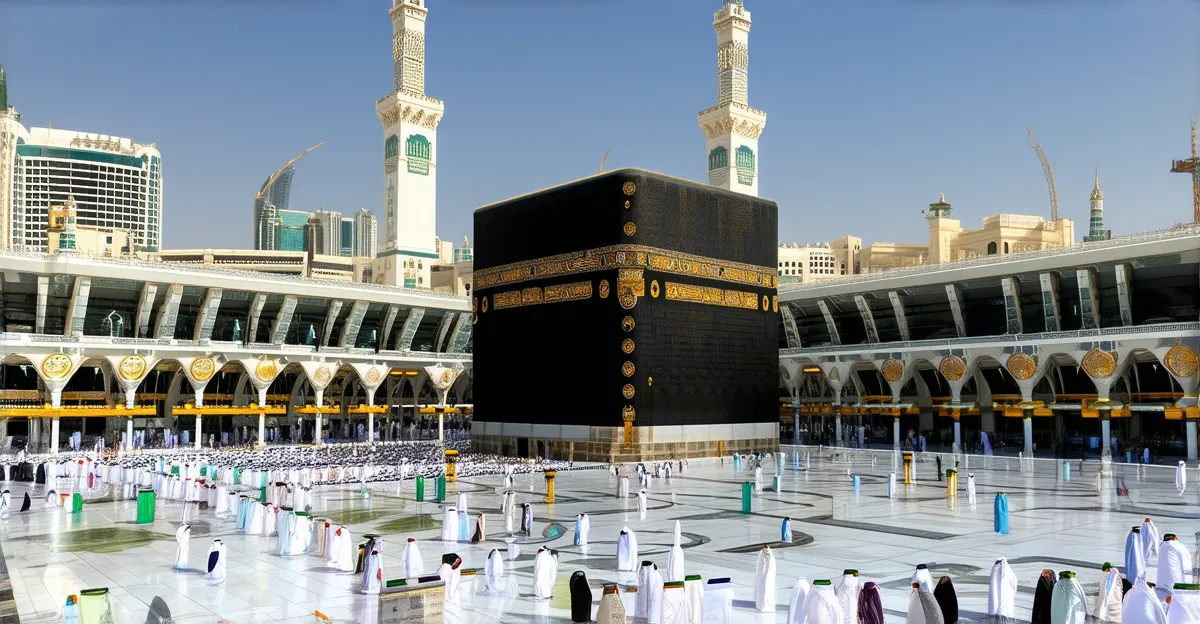
Table of Contents
Things to Do in Mecca: Your 2026 Guide to Spiritual Exploration
Seeking the most enriching Things to Do in Mecca for 2026? This guide unveils the heart of spiritual and cultural experiences, offering insights into the activities that make Mecca a unique destination. Whether you’re on a pilgrimage or exploring Islamic heritage, discover the essence of Mecca through our curated selection of activities.
Performing Umrah: A Spiritual Journey
To plan your trip, review Makkah Municipality.
For official information, visit Royal Commission for Makkah City and Holy Sites.
Embarking on the Umrah pilgrimage is a deeply spiritual journey for Muslims, signifying purification, devotion, and renewal. Often referred to as the ‘minor pilgrimage,’ Umrah can be performed at any time of the year, unlike the Hajj. Performing Umrah involves a series of significant rituals carried out in the holy city of Mecca, Saudi Arabia. As pilgrims arrive, they are immersed in an environment of profound reverence and unity, all focused on drawing closer to Allah.Preparing for Umrah
Before commencing the Umrah, pilgrims enter a state of Ihram, which involves wearing simple, unstitched garments (two white cloths for men) and making the intention (Niyyah) to perform Umrah. This state symbolizes equality and purity before God. Therefore, pilgrims abstain from certain activities such as cutting hair, using perfumes, and engaging in marital relations. Subsequently, they recite the Talbiyah, a prayer that echoes through the sacred spaces, affirming their commitment to the pilgrimage. To fully prepare, consider exploring Mecca Activities to plan your spiritual journey effectively.
Pro Tip: It is advisable to consult with knowledgeable scholars or guides before your journey to understand the nuances of each ritual, ensuring you perform them correctly and with the right intentions.
The central rituals of Umrah include Tawaf, which is circling the Kaaba seven times in an anti-clockwise direction, and Sa’i, walking seven times between the hills of Safa and Marwa, emulating Hagar’s desperate search for water for her son Ishmael. These acts commemorate historical and religious events, deepening the pilgrim’s connection to their faith. Moreover, the spiritual atmosphere during these rituals is palpable, fostering a sense of peace and introspection. While in Mecca, also check out these Mecca Experiences.
Completing Umrah culminates with Halq (shaving the head) for men or Taqsir (cutting a symbolic portion of hair) for women, signifying the completion of the pilgrimage and the shedding of worldly concerns. This act symbolizes a fresh start, with pilgrims emerging renewed in their faith and commitment to Islam. Beyond the rituals, the journey offers opportunities for prayer, reflection, and connection with the global Muslim community. It’s important to also be aware of Mecca Attractions to visit, other than the religious sites.
To enhance your experience, consider a private guided tour of holy sites, providing deeper insights into the spiritual and historical significance of Umrah.
Visiting Masjid al-Haram: The Holiest Site in Islam
Visiting Masjid al-Haram is a profound experience for Muslims worldwide, as it houses the Kaaba, the holiest site in Islam. Located in the heart of Mecca, this grand mosque is not only a place of prayer but also a central gathering point for millions of pilgrims annually. Entering its gates is to step into a realm of deep spirituality and reverence, where the air vibrates with devotion and unity. The sheer scale of the mosque is awe-inspiring, accommodating hundreds of thousands of worshippers at any given time. Moreover, the architectural grandeur and intricate designs reflect centuries of Islamic art and tradition.
Experiencing the Spiritual Atmosphere
The experience of being within Masjid al-Haram is deeply moving. Observing worshippers from diverse backgrounds united in prayer creates a powerful sense of global community. The sound of recitations from the Quran echoes throughout the mosque, adding to the serene and contemplative atmosphere. In addition, the opportunity to perform Tawaf around the Kaaba, circumambulating the sacred structure seven times, is a central ritual during Umrah and Hajj. For a guided experience, consider this Makkah Holy Places Ziyarat.
Pro Tip: To fully appreciate the spiritual ambiance, visit during off-peak hours or non-prayer times. This allows for a more peaceful experience and the opportunity to reflect in tranquility.
Besides the central rituals, the mosque offers numerous areas for prayer, reflection, and supplication. The marble floors, shaded courtyards, and ornate gates all contribute to the sacred ambiance. Furthermore, the Zamzam well, located within the mosque, provides pilgrims with blessed water, believed to have miraculous properties. The chance to drink Zamzam water is a cherished part of the pilgrimage experience. Exploring the mosque’s historical significance can be enhanced with a Makkah Historical Places Private Tour.
For those planning a visit, understanding the significance of Masjid al-Haram is essential. Whether you are performing Umrah or simply visiting, the experience is unforgettable. It is a journey that strengthens faith, promotes unity, and leaves a lasting impression on the heart and soul. You can discover other Things to Do in Mecca and find more Mecca Attractions to make your trip even more memorable. Moreover, planning your visit and familiarizing yourself with the rituals can enhance your spiritual journey. Don’t miss out on this opportunity to be a part of something truly extraordinary. Consider enriching your experience with a private guided tour of the holy sites.
Exploring Jabal Al-Nour (Mountain of Light): The Cave of Hira
Jabal Al-Nour, also known as the Mountain of Light, holds immense significance in Islamic history. It is the location of the Cave of Hira, where the Prophet Muhammad (peace be upon him) received his first revelation from Allah. For Muslims, visiting this site is a deeply spiritual experience, offering a chance to reflect and connect with the origins of Islam. As you ascend this historic mountain, you are walking in the footsteps of the Prophet, making it one of the most profound Things to Do in Mecca. Furthermore, the journey itself provides a physical and spiritual challenge, rewarding those who undertake it with unparalleled serenity and insight.
The Ascent and Spiritual Reflection
The hike to the Cave of Hira is challenging, requiring a considerable level of fitness and determination. The path is steep and rocky, and it typically takes several hours to reach the summit. Despite the difficulty, many pilgrims and visitors make this journey to experience the tranquility and historical significance of the site. Moreover, as you climb, it’s common to see fellow travelers offering encouragement and support, creating a sense of community and shared purpose. Upon reaching the cave, one can spend time in prayer and contemplation, immersing themselves in the same environment where the Prophet Muhammad received his divine message. Consider joining a guided tour of Jabal Al-Nour and Cave Hira for a more enriching experience.
Pro Tip: Begin your ascent early in the morning or late in the afternoon to avoid the intense heat. Carry plenty of water and wear comfortable, sturdy shoes to ensure a safe and enjoyable climb.
Beyond the physical challenge, the journey to Jabal Al-Nour provides an opportunity for deep reflection and spiritual growth. It encourages you to disconnect from the distractions of daily life and focus on your faith. Moreover, the stunning panoramic views of Mecca from the summit offer a sense of awe and reverence. Many find that the experience revitalizes their faith and provides a renewed sense of purpose. For Mecca Activities, this one stands out due to its profound historical and spiritual resonance.
To further enhance your spiritual journey in Mecca, explore other significant sites and activities. You can discover more activities in Mecca or explore other attractions to enrich your visit. Exploring Jabal Al-Nour is more than just a hike; it’s a pilgrimage to a pivotal moment in Islamic history. So, embrace the challenge and discover the spiritual rewards that await you. You can also check out some holy sites private guided tours for more information.
Discovering the Kaaba: The Sacred House of Allah
💡 Pro Tip: Book your Riyadh adventures in advance through Viator for the best deals!
The Kaaba, situated in the heart of Masjid al-Haram in Mecca, is the most sacred site in Islam. It represents the Qibla, the direction towards which Muslims turn in prayer, five times a day. As such, visiting and witnessing the Kaaba is a deeply spiritual and profoundly moving experience for millions of Muslims worldwide. The Kaaba is not just a building; it is the focal point of Islamic devotion, embodying the unity of the Muslim Ummah. Moreover, its rich history and symbolic significance make it a central aspect of any pilgrimage to Mecca.
Historical Significance and Rituals
The history of the Kaaba dates back to the Prophet Ibrahim (Abraham) and his son Ismail (Ishmael), who are believed to have constructed it under divine guidance. Over centuries, the Kaaba has been rebuilt and renovated, yet it retains its fundamental structure and spiritual importance. During the Hajj and Umrah pilgrimages, pilgrims circumambulate the Kaaba seven times in a counter-clockwise direction, a ritual known as Tawaf. Additionally, touching or kissing the Hajar al-Aswad (Black Stone), embedded in one of its corners, is a revered practice, symbolizing a renewal of faith. These rituals connect pilgrims to a lineage of prophets and believers throughout history. Discover more about the things to do in Mecca to enhance your spiritual journey.
Pro Tip: Experiencing the dawn prayer at Masjid al-Haram, with the view of the Kaaba in the soft morning light, is an unforgettable spiritual moment.
The Kaaba is draped in a black cloth called the Kiswa, which is adorned with gold embroidery featuring verses from the Quran. This covering is replaced annually, and the old Kiswa is often cut into pieces and distributed to dignitaries and museums worldwide. Witnessing the changing of the Kiswa is one of the most revered Mecca Experiences. Furthermore, the meticulous craftsmanship involved in creating the Kiswa underscores the dedication and reverence associated with the Kaaba. You can explore Makkah’s holy places with a guided tour for a richer understanding.
Visiting the Kaaba is an opportunity for deep reflection and spiritual renewal. The sheer magnitude of the crowds, all united in their devotion, creates an atmosphere of profound spirituality. The experience encourages Muslims to strengthen their faith, seek forgiveness, and reaffirm their commitment to living a righteous life. For Things to Do in Mecca, seeing the Kaaba should be at the top of your list. If you’re interested in a guided spiritual journey, consider this Mecca experience.
Shopping at Abraj Al-Bait Mall: A Modern Experience
Juxtaposing the spiritual heart of Mecca, the Abraj Al-Bait Mall offers a strikingly modern experience for pilgrims and visitors alike. Located directly adjacent to the Masjid al-Haram, this towering complex provides a vast array of retail outlets, dining options, and entertainment facilities. As such, it presents a unique opportunity to blend spiritual reflection with contemporary leisure during your visit to this sacred city. Shopping at Abraj Al-Bait is more than just retail therapy; it’s an immersion into a world of convenience and luxury against the backdrop of one of Islam’s holiest sites. Moreover, its accessibility and comprehensive offerings make it a popular destination for those seeking Things to Do in Mecca beyond religious rituals.
A Shopper’s Paradise
Within the Abraj Al-Bait Mall, one can find everything from international brands to local souvenirs. Whether you’re looking for high-end fashion, electronics, or traditional Arabian perfumes, the mall caters to diverse tastes and preferences. Furthermore, numerous shops offer Islamic books, prayer beads, and other religious items, enabling visitors to purchase meaningful keepsakes from their pilgrimage. The presence of well-known brands ensures a familiar shopping experience, while the availability of local products allows for a deeper connection with the region’s culture. Indeed, the mall provides a multifaceted shopping experience, solidifying its place among top Mecca Attractions.
The Abraj Al-Bait Mall also boasts an extensive food court featuring a variety of international cuisines. From fast-food chains to upscale restaurants, visitors can find options to satisfy any craving. Moreover, many cafes offer stunning views of the Masjid al-Haram, allowing diners to enjoy their meals while taking in the spiritual ambiance of the holy site. The availability of diverse dining options ensures that visitors can conveniently refuel and recharge during their shopping excursions. Additionally, the mall’s strategic location makes it easy to access before or after prayers at the Grand Mosque.
Beyond shopping and dining, the Abraj Al-Bait Mall provides various entertainment facilities, including a cinema and play areas for children. These amenities make it a family-friendly destination, catering to the needs of visitors of all ages. Whether you’re seeking a break from the crowds or looking for ways to entertain your children, the mall offers a welcoming and comfortable environment. In fact, the Abraj Al-Bait Mall is a prime example of how modern amenities can coexist harmoniously with spiritual traditions in Mecca. If you’re interested in exploring more of what Mecca has to offer, consider checking out these Mecca Activities for a well-rounded experience.
Don’t miss the chance to experience the modern side of Mecca. Book a guided tour that combines spiritual sites with modern attractions!
Visiting the Kiswa Factory: Witnessing the Making of the Kaaba Cover
🎯 Insider Tip: Discover the best Riyadh experiences with Viator Tours!
A visit to the Kiswa Factory in Mecca provides a unique and deeply enriching cultural experience, allowing visitors to witness the intricate craftsmanship involved in creating the Kiswa, the ornate cloth covering the Kaaba. This factory is where skilled artisans meticulously weave, embroider, and assemble the Kiswa, using silk, gold, and silver threads. The process, steeped in tradition, represents a profound dedication to honoring Islam’s holiest site. Observing this work provides insight into the artistic and spiritual significance of the Kaaba and its adornments.
As you step inside the Kiswa Factory, you’ll be greeted by the sight of dedicated craftsmen engaged in various stages of production. From dyeing the silk to hand-embroidering verses from the Quran, each step is executed with precision and reverence. The factory tour offers a detailed explanation of the materials used, the techniques employed, and the historical importance of the Kiswa. It’s truly one of the most fascinating Things to Do in Mecca, offering a glimpse into a world of artistry and devotion that few get to see.
The Craftsmanship Behind the Kiswa
The Kiswa’s creation involves several distinct stages. First, the raw silk is imported and carefully dyed black, the traditional color of the Kiswa. Subsequently, artisans use gold and silver threads to embroider the Quranic verses and ornate designs onto the fabric. This embroidery is done by hand, a painstaking process that requires years of training and expertise. The completed panels are then sewn together to form the full Kiswa, which is then transported to the Masjid al-Haram for installation. This process is not only a testament to human skill but also a symbol of deep religious commitment. Exploring these unique Mecca Experiences allows visitors to appreciate the effort and dedication required.
Visiting the Kiswa Factory is more than just a tour; it’s an educational experience that offers insight into Islamic art, tradition, and the profound respect for the Kaaba. It allows one to appreciate the amount of labor and artistry that goes into creating such an important symbol. As you consider your itinerary for Mecca Activities, make sure to allocate time for this significant cultural landmark. Furthermore, don’t forget to explore other historical and cultural sites around Mecca, such as other important religious landmarks in the city.
Consider enhancing your spiritual journey by experiencing a guided tour of Mecca’s holy sites, further enriching your understanding of the city’s profound religious significance.
Exploring the Makkah Museum: Islamic History and Art
The Makkah Museum offers a profound journey through the rich tapestry of Islamic history and art. Located in the holy city of Mecca, this museum provides visitors with a unique opportunity to delve deep into the cultural and religious heritage of the region. Through its extensive collection of artifacts, exhibits, and displays, the Makkah Museum illuminates the pivotal events, influential figures, and artistic achievements that have shaped the Islamic world. As you explore its halls, you’ll gain invaluable insights into the traditions, customs, and beliefs that continue to resonate with millions around the globe. Indeed, the Makkah Museum stands as a testament to the enduring legacy of Islam, offering a compelling educational experience for pilgrims and history enthusiasts alike.
A Treasure Trove of Islamic Artifacts
Within the Makkah Museum, visitors can marvel at an impressive array of Islamic artifacts. These range from ancient manuscripts and historical documents to intricately designed textiles and ceramics. Each artifact tells a story, revealing aspects of daily life, religious practices, and artistic expressions from various periods in Islamic history. Moreover, the museum showcases archaeological findings from excavations around Mecca, providing tangible connections to the city’s past. Among the highlights are displays dedicated to the Prophet Muhammad (peace be upon him) and the early Islamic community, offering a deeper understanding of their lives and contributions. For more Things to Do in Mecca, see our guide.
Pro Tip: Allocate at least 2-3 hours for your visit to fully appreciate the museum’s extensive collection and gain a comprehensive understanding of the exhibits.
Furthermore, the museum not only preserves historical items but also serves as an educational hub. Interactive exhibits and informative displays cater to visitors of all ages, making it easier to grasp complex historical narratives. These educational resources enrich the overall museum experience, ensuring that visitors leave with a greater appreciation for Islamic history and art. In addition, the Makkah Museum frequently hosts lectures, workshops, and seminars, further promoting cultural awareness and understanding.
Exploring the Makkah Museum is a must for anyone seeking a deeper understanding of Islamic culture and history. It enhances your spiritual journey by grounding it in historical context, thereby enriching your visit to Mecca. From ancient relics to modern displays, the museum offers something for everyone, making it a memorable and enlightening experience. Moreover, its central location makes it easily accessible for pilgrims and tourists alike, seamlessly integrating into any itinerary of Mecca Attractions. Consider taking a guided tour for a more in-depth experience; you might find something interesting on GetYourGuide.
To discover more about Mecca Experiences and plan your visit, check out our complete guide to Mecca.
From spiritual reflection to cultural immersion, the array of Things to Do in Mecca promises a fulfilling journey. Start planning your visit today and discover the heart of Islamic heritage.
Frequently Asked Questions
🎯 Insider Tip: Discover the best Riyadh experiences with Viator Tours!
A: The most popular time to visit Mecca is during Ramadan and the Hajj season. However, to avoid the crowds and enjoy a more peaceful experience, consider visiting during the off-peak seasons.
A: For Muslims, performing Umrah or Hajj is the most significant activity. Additionally, visiting historical sites such as Jabal Al-Nour (the Mountain of Light) and exploring the museums showcasing Islamic art and history are highly recommended.
A: Respectful attire is essential. Men should wear simple, unstitched garments (usually two pieces of white cloth), and women should wear loose-fitting clothes that cover the entire body, including a headscarf.
A: Yes, non-Muslims are generally not permitted to enter the central areas of Mecca, including the Masjid al-Haram. However, there are areas around Mecca that can be visited.
A: Transportation options include taxis, buses, and the Haramain High-Speed Railway, which connects Mecca with Jeddah and Medina. During peak seasons, it’s advisable to plan your transportation in advance.