
Mecca Experiences: Plan Your 2026 Pilgrimage
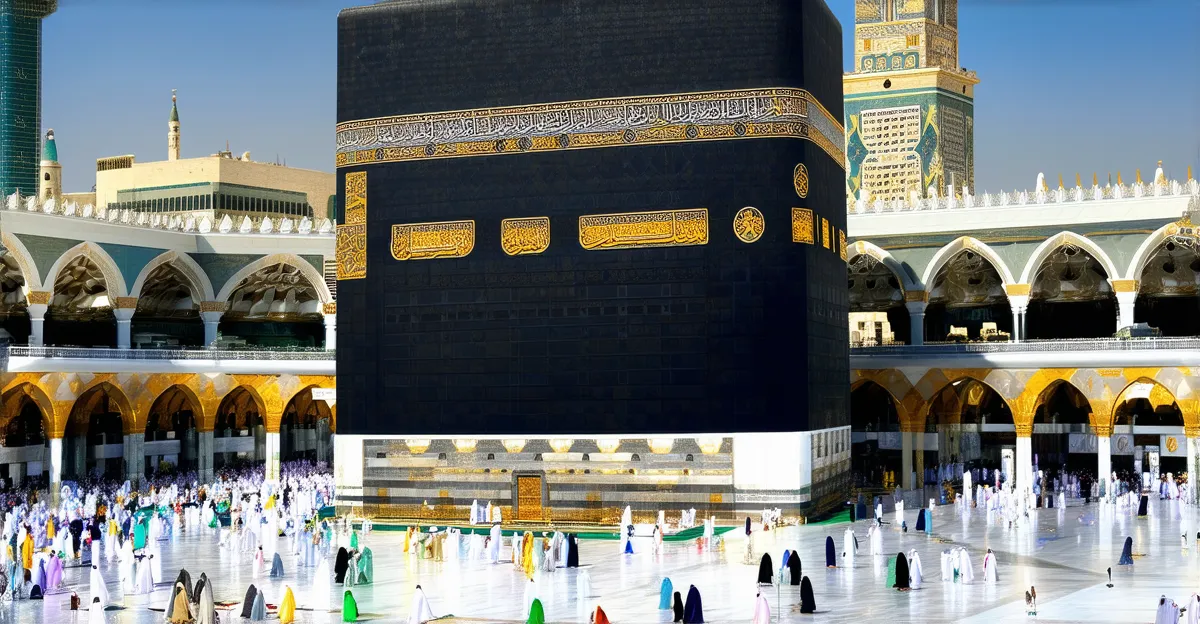
Table of Contents
Unforgettable Mecca Experiences: Your 2026 Guide
Welcome to Mecca, the spiritual heart of Islam, where millions journey each year for transformative experiences. Our 2026 guide to Mecca Experiences offers exclusive insights into the most profound and enriching activities this sacred city has to offer. Discover how to make your pilgrimage an unforgettable journey of faith and reflection.
Performing Umrah: A Spiritual Rejuvenation
For current hours, prices, and announcements, start with Lonely Planet Mecca.
For practical details and last-minute changes, use Ministry of Hajj and Umrah.
Embarking on the journey of Umrah is more than just a physical trip; it’s a profound spiritual rejuvenation that cleanses the soul and strengthens one’s connection with Allah. Often referred to as the ‘minor pilgrimage,’ Umrah can be performed at any time of the year, allowing devotees flexibility in scheduling their journey. The rituals involved, while less extensive than those of Hajj, are deeply symbolic and transformative. From donning the Ihram to performing Tawaf around the Holy Kaaba, each step is a reminder of submission, devotion, and the unity of the Muslim Ummah. Therefore, engaging in Mecca Experiences like Umrah offers a chance for introspection and spiritual growth.Preparing for Your Spiritual Journey
Before setting foot on this blessed land, preparing oneself both physically and spiritually is paramount. This involves making sincere repentance, settling any outstanding debts, and ensuring that one’s intentions are purely for the sake of Allah. Furthermore, understanding the rituals of Umrah – such as the steps of Sa’i between the hills of Safa and Marwa and the Halq or Taqsir (shaving or trimming of the hair) – is crucial for performing the pilgrimage correctly and with mindfulness. As you prepare, you can explore various activities in Mecca to enhance your overall experience.
Pro Tip: Take the time to learn about the significance of each ritual and reflect on its meaning. This will deepen your spiritual connection and make your Umrah experience more meaningful.
During the Umrah, pilgrims are enveloped in an atmosphere of intense devotion and humility. The sight of the Holy Kaaba, the sound of prayers echoing through Masjid al-Haram, and the collective spirit of millions of Muslims create an environment that is both awe-inspiring and deeply moving. Moreover, this spiritual journey often leads to a renewed sense of purpose, increased faith, and a stronger commitment to living a life guided by Islamic principles. Consider the Makkah Holy Places Ziyarat for a guided tour.
For those seeking profound Things to Do in Mecca, performing Umrah stands out as an unparalleled experience. It is a journey that not only fulfills a religious obligation but also provides an opportunity to reconnect with one’s faith, seek forgiveness, and find inner peace. As you plan your visit, check out top Mecca attractions to make the most of your stay. Finally, to make your journey seamless, consider booking a guided Umrah experience from Jeddah with transfers for a hassle-free experience.
Hajj Pilgrimage: The Ultimate Journey of Faith
The Hajj pilgrimage is more than just a trip; it is the ultimate journey of faith for Muslims worldwide. As one of the five pillars of Islam, Hajj is a mandatory religious duty for all adult Muslims who are physically and financially capable of undertaking the journey. This profound spiritual experience brings millions of believers to Mecca each year, creating a powerful display of unity, devotion, and submission to Allah. The rituals performed during Hajj commemorate the trials and triumphs of Prophet Ibrahim (Abraham) and his family, reinforcing the foundational beliefs of Islam.
The Core Rituals of Hajj
The Hajj pilgrimage is marked by a series of significant rituals performed over several days. The journey begins with the pilgrims entering the state of Ihram, a state of purity and devotion symbolized by simple white garments. Following this, pilgrims circumambulate the Holy Kaaba seven times in a counter-clockwise direction, an act known as Tawaf. They then perform Sa’i, walking seven times between the hills of Safa and Marwa, emulating Hagar’s desperate search for water for her son Ismail. A pivotal part of Hajj is spending the Day of Arafat in prayer and reflection, seeking forgiveness and divine blessings. The stoning of the Jamarat symbolizes the rejection of evil and temptation. Finally, the sacrifice of an animal, usually a sheep or goat, commemorates Ibrahim’s willingness to sacrifice his son and marks the beginning of Eid al-Adha.
Undertaking the Hajj is a transformative experience that cleanses the soul and strengthens the connection with Allah. Pilgrims often describe feeling a sense of spiritual elevation and renewal, as they engage in collective worship and reflection alongside fellow Muslims from diverse backgrounds. The journey fosters a deep sense of humility, empathy, and gratitude. Moreover, Hajj provides an opportunity to seek forgiveness for past sins and to make a renewed commitment to living a life guided by Islamic principles. Experiencing these profound moments undoubtedly makes Things to Do in Mecca truly unforgettable.
The Hajj pilgrimage leaves an indelible mark on the hearts and minds of those who undertake it. It is a journey filled with challenges, sacrifices, and immense spiritual rewards. As pilgrims return home, they carry with them a renewed sense of purpose, strengthened faith, and a profound connection to the global Muslim community. The experience serves as a constant reminder of the importance of faith, devotion, and unity in their daily lives. For those interested in exploring Mecca Experiences, consider a guided tour of Mecca’s holy sites to deepen your understanding and connection to this sacred journey. You can also discover more about Mecca Attractions to enhance your visit.
Visiting the Holy Kaaba: A Center of Devotion
The Holy Kaaba, situated in the heart of Mecca, stands as the most sacred site in Islam and a focal point for Muslims worldwide. As the Qibla, it is the direction towards which Muslims turn in prayer, five times a day, uniting them in spiritual devotion. Visiting the Kaaba is more than just a physical journey; it represents a profound connection to faith, history, and community. Therefore, understanding its significance enriches any Mecca Experiences.
The Significance of Tawaf
One of the most important rituals performed at the Kaaba is Tawaf, the act of circumambulating the structure seven times in a counter-clockwise direction. This act symbolizes the unity of believers and their devotion to Allah. Each circuit is a personal reflection and prayer, making it a deeply moving experience. Moreover, witnessing the diverse array of pilgrims from all corners of the globe, united in this singular act of worship, is truly inspiring. Indeed, the energy and collective spirit during Tawaf underscore the Kaaba’s central role in Islamic practice. For those seeking a deeper understanding, there are guided tours of holy sites in Mecca available.
Pro Tip: Arrive early in the morning or late at night to avoid the largest crowds and to experience a more serene and reflective atmosphere during Tawaf.
Beyond the act of Tawaf, merely gazing upon the Kaaba evokes deep emotions and spiritual contemplation. Muslims believe that the Kaaba was originally built by Prophet Ibrahim (Abraham) and his son Ismail (Ishmael), making it a monument with deep historical and religious roots. Consequently, every aspect of the Kaaba, from the Black Stone (Hajar al-Aswad) to the golden door (Bab al-Kaaba), holds profound symbolic meaning. Thus, a visit allows pilgrims to connect with centuries of Islamic tradition and to strengthen their faith.
To ensure a fulfilling visit, planning and preparation are essential. Understanding the rituals, respecting the sanctity of the site, and being mindful of fellow pilgrims are crucial aspects of the experience. Additionally, many resources are available to help pilgrims prepare, including guides, lectures, and online materials. By taking the time to learn and prepare, visitors can deepen their connection to the Kaaba and enhance their spiritual journey. Exploring Mecca Attractions can provide a broader context to your visit.
Visiting the Holy Kaaba is an unparalleled experience that offers spiritual rejuvenation and a profound connection to the heart of Islam. Whether you’re performing Tawaf, offering prayers, or simply reflecting in its presence, the Kaaba remains a powerful symbol of unity, faith, and devotion. To further enrich your journey, consider joining a historical tour of Mecca to understand the rich history surrounding this sacred site.
Exploring Masjid al-Haram: The Grand Mosque
⭐ Recommendation: Don't miss out on amazing Riyadh tours - book now!
Masjid al-Haram, also known as the Grand Mosque, stands as the most sacred mosque in Islam, drawing millions of pilgrims and visitors each year. Located in the heart of Mecca, it encapsulates the Kaaba, the holiest site in Islam, towards which Muslims worldwide direct their prayers. The mosque’s sheer size and spiritual significance make it a central focus for anyone undertaking Mecca Experiences. Moreover, the architectural grandeur and the profound sense of devotion felt within its walls create an unforgettable atmosphere for all who enter.
Architectural Marvel and Expansive Courtyards
The Grand Mosque is not only a place of worship but also an architectural masterpiece, showcasing a blend of traditional Islamic design and modern amenities. The structure has evolved over centuries, with continuous expansions to accommodate the growing number of pilgrims. Its expansive courtyards, adorned with intricate marble patterns, provide ample space for worshippers. Additionally, the mosque features numerous gates, each leading to different sections, facilitating smooth movement and access. Exploring the vast complex is one of the essential Things to Do in Mecca, allowing visitors to appreciate its stunning details and historical depth. For a guided experience, consider the Mecca Holy Sites Private Guided Tour.
Pro Tip: Visit Masjid al-Haram during off-peak hours to avoid large crowds and fully appreciate the tranquility and spiritual essence of the mosque.
Furthermore, the mosque houses several significant features, including the Maqam Ibrahim (the Station of Abraham), the Well of Zamzam, and the Black Stone (Hajar al-Aswad) embedded in the Kaaba. Each element holds deep historical and religious importance, contributing to the overall sanctity of the site. As you navigate through the mosque, consider the layers of history and devotion that permeate every corner. Indeed, observing the devout Muslims engaged in prayer provides a powerful glimpse into the heart of Islamic faith.
Visiting Masjid al-Haram offers a unique opportunity to witness the collective spirit of Islam. The sight of people from diverse backgrounds coming together in unity and prayer is truly inspiring. It underscores the universal message of peace and submission that Islam promotes. Whether you’re participating in religious rituals or simply absorbing the serene ambiance, exploring this grand mosque is an integral part of experiencing the rich cultural and spiritual heritage of Mecca. To delve deeper into Mecca’s historical and cultural significance, explore more Mecca activities.
For an enriching and hassle-free experience, consider joining a guided tour of Makkah’s holy places, which often includes insightful commentary and convenient transportation.
Climbing Jabal Al-Nour: The Mountain of Light
Jabal Al-Nour, or the Mountain of Light, holds immense significance in Islam as the site where Prophet Muhammad (peace be upon him) received his first revelation. Climbing this mountain is more than just a physical challenge; it’s a deeply spiritual experience, allowing pilgrims to retrace the steps of the Prophet and connect with the divine. Located near Mecca, the mountain attracts thousands of visitors each year, all seeking to immerse themselves in its historical and religious importance.
The Ascent: A Test of Faith and Endurance
The climb to the summit of Jabal Al-Nour is demanding, with a steep and rocky path that requires both physical and mental fortitude. The ascent typically takes between two to three hours, and it is best undertaken during cooler times of the day to avoid the harsh desert heat. Despite the difficulty, the journey is filled with anticipation and spiritual reflection. Moreover, many pilgrims use this time to engage in prayer and contemplation, enhancing their connection with the sacred space. As you ascend, consider that you are following in the footsteps of countless devoted individuals who have made this pilgrimage before you.
Pro Tip: Start your climb early in the morning or late in the afternoon to avoid the scorching midday sun. Carry plenty of water and wear comfortable, sturdy shoes.
Reaching the summit of Jabal Al-Nour provides a breathtaking panoramic view of Mecca. From this vantage point, one can see the Grand Mosque and the Holy Kaaba, landmarks that dominate the city’s skyline. The sense of accomplishment and spiritual fulfillment experienced upon reaching the top is profound. Additionally, it is a place where you can reflect on the historical events that shaped Islam, truly making it one of the essential Mecca Experiences.
The Cave of Hira, located near the summit, is where Prophet Muhammad (PBUH) received his first revelation. Spending time in this cave allows visitors to reflect on the profound message of the Quran and the transformative impact it had on humanity. While in Mecca, visiting Jabal Al-Nour and the Cave of Hira are highly recommended as part of the spiritual journey.
Consider joining a guided tour to enhance your experience and gain deeper insights into the historical and religious significance of Jabal Al-Nour. These tours often provide valuable context and ensure a safe and meaningful climb. If you are interested in such an enriching spiritual and historical journey, explore available tours on GetYourGuide.
Reflecting at the Cave of Hira: Where Revelation Began
The Cave of Hira, or Ghar Hira, holds immense significance in Islam as the place where the Prophet Muhammad (peace be upon him) received his first revelation. Situated on Jabal Al-Nour (the Mountain of Light) near Mecca, this cave provides a serene and contemplative space for pilgrims and visitors alike. The experience of visiting the Cave of Hira is not merely a physical journey but a profoundly spiritual one, inviting introspection and connection to the origins of Islam. Moreover, the journey to the cave offers breathtaking views of Mecca, further enhancing the sense of awe and reverence. The climb and subsequent reflection at this historical site is certainly one of the most poignant Mecca Experiences one can have.
The cave itself is small, only about four meters long and just over a meter wide, adding to the sense of intimacy and seclusion. As you stand within its walls, consider the profound events that transpired here over 1400 years ago. It’s a place for quiet contemplation and personal reflection, allowing visitors to connect with the spiritual heritage of Islam. Besides its spiritual importance, this visit allows one to appreciate the natural beauty surrounding the holy city.
The Ascent to Spiritual Enlightenment
Climbing Jabal Al-Nour to reach the Cave of Hira is a challenging yet rewarding endeavor. The rocky terrain and steep incline demand physical endurance, but the stunning panoramic views of Mecca serve as a constant motivation. Many pilgrims undertake this journey as an act of devotion, viewing the physical exertion as a means of spiritual purification. Furthermore, the climb symbolizes the Prophet’s perseverance and dedication to seeking truth. As you ascend, it’s valuable to remember the historical context and significance of the site, enriching the overall experience. Indeed, exploring this site is one of the most compelling Things to Do in Mecca.
Pro Tip: Begin your climb early in the morning or late in the afternoon to avoid the harsh midday sun. Remember to wear comfortable shoes, bring water, and pace yourself. Take breaks to enjoy the views and reflect on the significance of the site.
Visiting the Cave of Hira offers an unparalleled opportunity for spiritual rejuvenation. The sheer act of retracing the steps of the Prophet Muhammad (PBUH) in this sacred space fosters a deep connection to Islamic history and tradition. It encourages reflection on the core values of Islam—peace, submission, and devotion—and inspires a renewed commitment to living a life guided by these principles. Therefore, it’s a journey that resonates deeply within the hearts of believers, and for many it’s among the top Mecca Attractions to visit.
To enhance your pilgrimage experience, consider a guided tour of Jabal Al-Nour and the Cave of Hira, where knowledgeable guides can provide historical context and insightful perspectives. For more Mecca Outdoor Activities, explore available options here.
Zamzam Well: Experiencing the Sacred Water
The Zamzam Well holds an unparalleled significance in Islam, revered as a source of blessed water for millions of pilgrims visiting Mecca each year. Located within Masjid al-Haram, near the Kaaba, this historic well is not merely a source of water; it embodies faith, healing, and divine Providence. Experiencing the Zamzam Well is more than a simple act of drinking water; it’s a spiritual encounter that connects pilgrims to a profound historical and religious narrative. Furthermore, the water is believed to have miraculous properties, offering both physical and spiritual benefits to those who partake in it with sincerity and devotion.
The History and Significance of Zamzam
According to Islamic tradition, the Zamzam Well originated when Hagar, Prophet Ibrahim’s wife, desperately searched for water for her son, Ismail, in the arid desert. As she ran between the hills of Safa and Marwa, in her moment of despair, Allah answered her prayers by causing a spring to gush forth from the ground. This spring became the Zamzam Well, a continuous source of water that has sustained people for thousands of years. The well symbolizes divine mercy and the triumph of faith over adversity. Indeed, its existence is a powerful reminder of Allah’s unwavering support for those who trust in Him. Consequently, the well has been cherished throughout history, becoming an integral part of the Mecca Experiences.
Pro Tip: To fully appreciate the Zamzam experience, consider learning about the history and significance of the well beforehand. This will deepen your spiritual connection and enhance your understanding of its importance.
The act of drinking Zamzam water is a deeply personal and spiritual experience. Pilgrims often recite prayers and express gratitude as they drink, believing that the water will fulfill their righteous desires and heal them from illnesses. Additionally, the water is often taken back home as a cherished gift for family and friends, symbolizing blessings and well-being. Moreover, many consider drinking Zamzam water as one of the most important Things to Do in Mecca. To explore other significant sites, see these Mecca Attractions.
Visiting the Zamzam Well requires respect and reverence. While access to the well has been modernized to accommodate the large number of pilgrims, the spiritual essence of the experience remains unchanged. The Saudi authorities have taken great care to ensure the water is pure and accessible, providing designated drinking areas within Masjid al-Haram. Whether you are performing Umrah or Hajj, drinking from the Zamzam Well is a moment of profound connection to your faith and a reminder of the miracles that underpin Islamic history.
For a deeper exploration of Mecca’s holy sites, consider a guided tour: Discover Mecca’s Holy Places and further enhance your spiritual journey.
Discovering Mecca’s Historical Sites
Mecca, the holiest city in Islam, is not only a spiritual center but also a repository of significant historical sites that narrate the story of Islam’s origins. Exploring these sites offers profound insights into the life of Prophet Muhammad (peace be upon him) and the early Muslim community. Furthermore, these locations provide a tangible connection to the events that shaped Islamic history and continue to inspire millions of pilgrims each year. As you visit these landmarks, you will gain a deeper understanding of the faith and its enduring legacy.
Key Historical Landmarks in Mecca
Among the most revered historical sites in Mecca is Jannat al-Mu’alla, the city’s ancient cemetery, where many of Prophet Muhammad’s ancestors and companions are buried. Visiting this cemetery provides a moment for reflection and remembrance. Another significant site is the Masjid al-Jinn, a mosque built to commemorate an event where the Prophet Muhammad (PBUH) recited the Quran to a group of Jinn who then embraced Islam. The mosque stands as a testament to this unique encounter. Moreover, these sites highlight the diverse aspects of early Islamic history and provide pilgrims with opportunities for spiritual enrichment. For more insights, check out these Mecca Attractions.
Pro Tip: Engage with local guides or scholars to enrich your experience with detailed historical narratives and cultural contexts associated with each site. This will provide a much deeper understanding and appreciation.
Furthermore, don’t miss the opportunity to visit the birthplace of Prophet Muhammad (PBUH), which is now a library. Although it is not open to the public, you can view it from the outside and reflect on the humble beginnings of the Prophet. Additionally, numerous other locations around Mecca hold historical importance, such as sites related to significant battles and events in early Islamic history. Exploring these places allows you to walk in the footsteps of the Prophet and his companions, fostering a stronger connection to your faith.
For those interested in a structured exploration, consider joining a guided tour of Mecca’s holy sites, which offers comprehensive insights and hassle-free transportation. Additionally, exploring these Things to Do in Mecca can enhance your spiritual journey. This tour ensures you don’t miss any key landmarks and provides a deeper appreciation for the rich history of Mecca. By visiting these historical sites, pilgrims can enrich their spiritual journey and gain a profound understanding of Islam’s roots.
From spiritual journeys to cultural immersions, Mecca offers unparalleled experiences for every pilgrim. Begin planning your unforgettable Mecca Experiences in 2026 today!
Frequently Asked Questions
⭐ Recommendation: Don't miss out on amazing Riyadh tours - book now!
A: The best time for Mecca Experiences is during the cooler months, typically from November to February, offering a more comfortable climate for performing rituals and exploring historical sites.
A: Essential preparations include obtaining the necessary visas, booking accommodations in advance, packing appropriate modest attire, and familiarizing yourself with the rituals and customs of Umrah or Hajj.
A: Yes, there are many guided tours available that cater to various needs and preferences, providing insightful commentary and ensuring a smooth and enriching pilgrimage experience.
A: While Arabic is the official language, English is widely spoken in hotels, shops, and tourist areas. Learning a few basic Arabic phrases can enhance your interactions with locals.
A: Beyond the religious rituals, visitors can explore historical sites like Jabal Al-Nour and the Cave of Hira, visit the Kiswa Factory, and experience the local culture through traditional cuisine and markets.