
Ollantaytambo Experiences: Your 2026 Guide
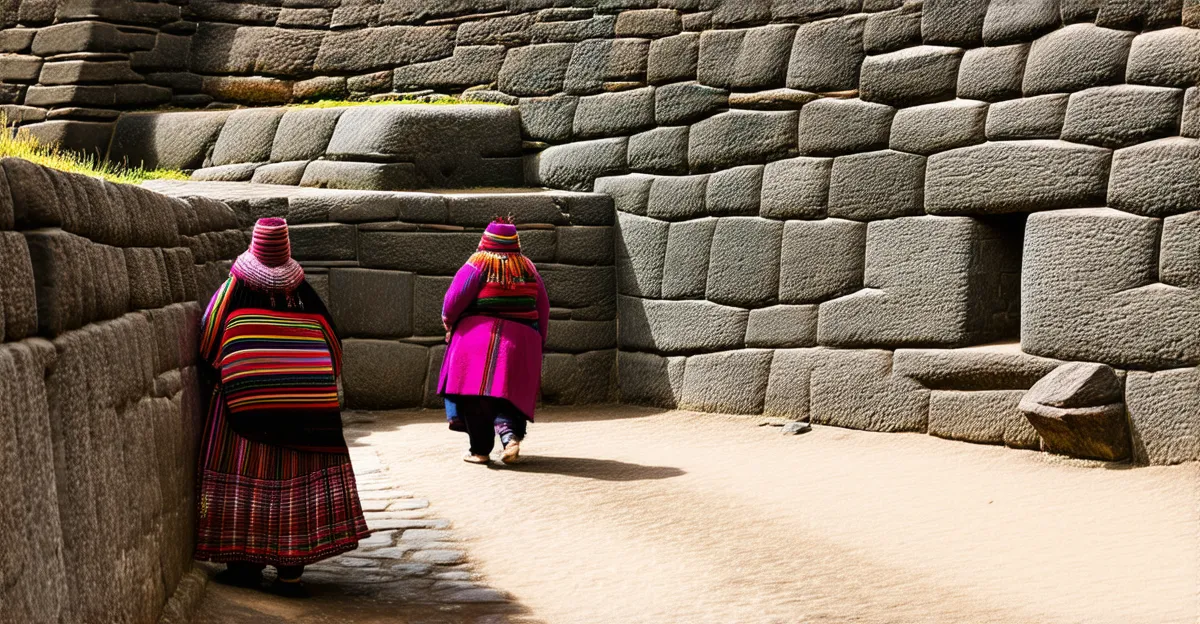
Table of Contents
Unforgettable Ollantaytambo Experiences in 2026
Discover the magic of Ollantaytambo in 2026! Nestled in the Sacred Valley of Peru, this ancient town offers a wealth of Ollantaytambo experiences that will captivate your senses and leave you with unforgettable memories. From exploring remarkable Inca ruins to immersing yourself in vibrant local culture, Ollantaytambo is a destination that promises adventure and discovery at every turn.
Exploring the Ollantaytambo Fortress: A Journey Through Inca History
For practical details and last-minute changes, use Lonely Planet.
You can find the latest updates on UNESCO - Qhapaq Ñan, Andean Road System.
The Ollantaytambo Fortress, a majestic Inca site nestled in the Sacred Valley of Peru, offers visitors a profound journey through Inca history. More than just a fortress, it served as a temple, a military stronghold, and an agricultural center, showcasing the Incas’ advanced engineering and architectural skills. Visiting this site allows one to step back in time and immerse themselves in the rich tapestry of Inca civilization. Furthermore, the strategic location of Ollantaytambo made it a critical point in defending against invaders and controlling access to the lower Urubamba Valley.Unveiling the Architectural Marvels
As you explore the Ollantaytambo Fortress, pay close attention to the massive, precisely fitted stones that form its walls and terraces. These stones, some weighing several tons, were transported from distant quarries and assembled with remarkable precision, without the use of mortar. Indeed, the sheer scale and sophistication of the stonework are a testament to the Incas’ mastery of engineering. Ollantaytambo Attractions, such as the Sun Temple and the Royal Hall, highlight the site’s religious and administrative importance. For Ollantaytambo Experiences that delve deeper into Inca architecture, consider a guided tour. Additionally, the ingenious irrigation system that still functions today underscores the Incas’ profound understanding of water management and agricultural innovation. Besides its functional aspects, the fortress is replete with symbolic elements reflecting the Inca worldview.
Pro Tip: Hire a local guide to gain a deeper understanding of the site’s history and significance. Their insights can bring the stones to life and reveal hidden details that you might otherwise miss.
Moreover, Ollantaytambo is one of the few places where the Incas were able to successfully resist the Spanish conquistadors, demonstrating its strategic importance. The terraces, which were used for agriculture, also served as defensive structures, making the fortress a formidable obstacle. As a result, this site remains an enduring symbol of Inca resilience and ingenuity. Therefore, exploring Things to Do in Ollantaytambo should include a visit to the fortress, allowing for reflection on the past and appreciation of Inca accomplishments. Likewise, the views from the upper levels of the fortress are breathtaking, offering panoramic vistas of the surrounding valley and mountains.
In conclusion, a visit to the Ollantaytambo Fortress is more than just sightseeing; it’s an immersive experience that connects you with the history, culture, and natural beauty of the Inca world. To enhance your journey, book a tour and explore the rich history of the Sacred Valley.
Immerse Yourself in Local Culture: Ollantaytambo’s Vibrant Markets
One of the most enriching Ollantaytambo Experiences is undoubtedly a visit to the town’s vibrant local markets. These markets are not just places to buy goods; they are living, breathing hubs of culture where you can witness the daily lives of the local people, sample regional delicacies, and find unique handcrafted souvenirs. Wandering through the colorful stalls, you’ll discover an authentic glimpse into the traditions and customs that have been passed down through generations. Moreover, the bustling atmosphere and the friendly faces of the vendors create an unforgettable experience that truly connects you to the heart of Ollantaytambo.
What to Expect at the Markets
At the markets, you’ll find a diverse array of goods, from fresh produce grown in the surrounding valleys to intricately woven textiles and handcrafted jewelry. Things to Do in Ollantaytambo markets include bargaining for unique items, sampling local snacks, and observing traditional weaving techniques. Furthermore, you can find vibrant ponchos, blankets, and other textiles adorned with traditional Andean designs. Additionally, the food stalls offer a range of local dishes, giving you a chance to taste authentic Peruvian cuisine. Remember to bring small bills for easy transactions, and be prepared to haggle respectfully for the best prices. You can also enhance your experience by hiring a local guide to provide insights into the market’s history and the significance of the goods on offer. For organized tours including market visits, consider exploring options Sacred Valley tours that often include Ollantaytambo.
Pro Tip: Visit the markets early in the morning to see them at their liveliest and to get the freshest produce and best selection of goods.
Beyond the shopping opportunities, the markets offer a chance to interact with the local community and learn about their way of life. Engaging with vendors, asking questions about their products, and simply observing their interactions can provide a deeper understanding of Andean culture. Additionally, attending a local market is a great way to support the community directly, as your purchases help to sustain local artisans and farmers. Considering this, it is far more impactful than buying souvenirs from large chain stores. As you explore Ollantaytambo Attractions, make sure the markets are on your list for authentic cultural immersion.
Exploring the markets is one of the most authentic Ollantaytambo Outdoor Activities, offering both cultural enrichment and a sensory feast. You can easily spend hours wandering through the stalls, discovering hidden gems, and soaking up the vibrant atmosphere. So, plan to spend time in the market during your visit to Ollantaytambo. Then you can fully embrace the rich cultural tapestry of this fascinating town.
Ready to experience the vibrant markets of Ollantaytambo? Book your tour today and immerse yourself in the local culture!
Discover the Mysteries of Pinkuylluna Mountain Granaries
Towering above Ollantaytambo, the Pinkuylluna Mountain Granaries offer a fascinating glimpse into Inca ingenuity and resourcefulness. These structures, precariously perched on the steep cliffs, served as storage facilities for agricultural products, strategically placed to take advantage of natural ventilation and temperature control. Exploring Pinkuylluna provides a unique perspective on Inca agricultural practices and their ability to adapt to challenging environments. Moreover, the site rewards visitors with breathtaking panoramic views of the Ollantaytambo fortress and the surrounding Sacred Valley, making it an essential stop for anyone interested in Ollantaytambo Experiences.
A Closer Look at Inca Storage Techniques
The granaries, known locally as qullqas, were ingeniously designed to preserve crops for extended periods. The high altitude and constant winds helped to keep the contents cool and dry, preventing spoilage. Furthermore, the location high on the mountainside deterred rodents and other pests. Each structure was carefully constructed with stone and mortar, showcasing the advanced engineering skills of the Inca civilization. To fully appreciate the site, it’s important to consider the logistics involved in transporting goods up the steep slopes. The effort invested in these storage solutions highlights the importance of food security in Inca society. Consequently, understanding the purpose and construction of these granaries enriches your appreciation of Things to Do in Ollantaytambo.
Pro Tip: Wear sturdy shoes and be prepared for a moderate to strenuous hike. The climb to the Pinkuylluna granaries is steep, but the rewarding views and historical significance make it well worth the effort.
Visiting Pinkuylluna also offers a sense of adventure. The trail winds through rugged terrain, providing opportunities to observe local flora and fauna. As you ascend, imagine the Inca people diligently carrying crops up the mountainside, contributing to the sustenance of their community. The site is less crowded than some of the more famous Ollantaytambo Attractions, allowing for a more intimate and reflective experience. Therefore, those seeking a blend of history, adventure, and stunning scenery will find Pinkuylluna particularly rewarding. Additionally, the site provides excellent photo opportunities, capturing the grandeur of the Sacred Valley and the impressive Inca structures.
Before planning your visit, check local weather conditions and allow ample time for the hike. Early morning or late afternoon visits are ideal to avoid the midday sun. Remember to bring water and snacks, and consider hiring a local guide to learn more about the history and significance of Pinkuylluna. To enhance your journey through the Sacred Valley, consider booking a Sacred Valley day trip that includes a visit to Ollantaytambo and other nearby attractions.
Take a Scenic Hike to the Sun Gate (Inti Punku)
🌟 Local Expert Tip: Get the most out of your Lima visit with guided tours!
Embarking on a hike to Inti Punku, the Sun Gate, is undoubtedly one of the most rewarding Ollantaytambo Experiences. This ancient gateway, perched high in the mountains, offers breathtaking panoramic views of the surrounding Sacred Valley and provides a unique perspective of Ollantaytambo itself. This trek combines physical activity with historical immersion, allowing you to follow in the footsteps of the Incas while experiencing the stunning natural beauty of the Peruvian Andes. Moreover, the sense of accomplishment upon reaching Inti Punku makes the journey all the more worthwhile.
Preparing for Your Hike
Before you set off, preparation is key. The altitude can be challenging, so acclimatizing in Ollantaytambo for a day or two is highly recommended. Also, pack plenty of water, snacks, sunscreen, and layers of clothing, as the weather can change rapidly. Sturdy hiking boots are essential for navigating the uneven terrain. Furthermore, consider hiring a local guide who can share insights into the history and ecology of the area. Besides, ensuring you are physically prepared will enhance your overall experience.
Pro Tip: Start your hike early in the morning to avoid the midday heat and ensure you have ample time to reach Inti Punku and return before nightfall.
The trail to Inti Punku winds through varied landscapes, from lush valleys to rocky mountain paths. Along the way, you’ll encounter remnants of Inca infrastructure, including terraced fields and ancient stone walls. As you ascend, the views become increasingly spectacular, offering glimpses of the Urubamba River and the snow-capped peaks in the distance. Additionally, the sense of solitude and tranquility you’ll experience on the trail is a welcome escape from the bustling tourist spots.
Reaching Inti Punku is a truly unforgettable moment. The vista from the Sun Gate is simply awe-inspiring, providing a panoramic sweep of the Sacred Valley that stretches as far as the eye can see. Take some time to soak in the view, reflect on the history of this sacred place, and capture some memorable photos. For more Things to Do in Ollantaytambo, explore local insights and plan additional adventures.
For those interested in exploring more of the Sacred Valley, consider a Sacred Valley day trip from Cusco, which often includes Ollantaytambo. Alternatively, you might enjoy a 2-day tour including Machu Picchu and the Sacred Valley. Also, you can discover other Ollantaytambo Attractions. So, start planning your adventure today!
Experience a Traditional Pachamanca Feast: A Culinary Delight
Embark on a culinary journey in Ollantaytambo with a traditional Pachamanca feast, a time-honored cooking method deeply rooted in Inca culture. Pachamanca, meaning “earth oven” in Quechua, involves cooking various meats, tubers, and vegetables in a pit heated with hot stones. This ancient technique not only imparts a unique smoky flavor but also serves as a communal event, bringing people together to celebrate the earth’s bounty. Experiencing a Pachamanca is undoubtedly one of the most authentic Ollantaytambo Experiences you can have, offering a taste of history and community spirit.
The Pachamanca Process: From Earth to Table
The preparation of a Pachamanca is a labor of love, beginning with the careful selection of ingredients. Meats such as lamb, pork, chicken, and alpaca are marinated in local herbs and spices. Moreover, a variety of Andean potatoes, sweet potatoes, corn, and beans are prepared to accompany the meats. The oven itself is constructed by heating stones over a wood fire until they reach a scorching temperature. Once the stones are ready, the ingredients are carefully layered within the pit, covered with more hot stones, and then sealed with earth and leaves. This creates a natural oven that slow-cooks the food for several hours.
Witnessing this process provides a fascinating glimpse into the ingenuity and resourcefulness of the Andean people. It is, therefore, a truly immersive cultural experience that goes beyond just eating a meal. To further enhance your understanding of local traditions, consider exploring other Ollantaytambo Activities.
Pro Tip: Participate in the preparation of the Pachamanca to fully appreciate the cultural significance and effort involved in creating this traditional dish.
The unveiling of the Pachamanca is a celebratory moment, as the aromas of the perfectly cooked food fill the air. The tender meats and flavorful vegetables are a testament to the effectiveness of this ancient cooking method. Often, the feast is accompanied by local music and dancing, creating a festive atmosphere that enhances the overall experience. Therefore, participating in a Pachamanca is a memorable way to connect with the local culture and savor the authentic flavors of the Andes. It’s certainly one of the top Things to Do in Ollantaytambo for those seeking cultural immersion.
If you’re looking for an unforgettable culinary adventure, experiencing a traditional Pachamanca feast is a must. You can often find local families or communities offering this experience, providing an authentic and enriching glimpse into Andean culture. You can also discover more about Ollantaytambo Attractions to make the most of your visit. Moreover, don’t forget to check out various Ollantaytambo Outdoor Activities to complement your cultural experiences.
For an organized tour that includes a Pachamanca experience, check out this Sacred Valley day trip.
Explore the Temple of the Water: A Sacred Site
The Temple of the Water in Ollantaytambo stands as a remarkable testament to the Inca civilization’s profound understanding of hydraulic engineering and their deep spiritual connection with water. This ancient site is not merely an architectural marvel but also a sacred space where water was venerated as a life-giving force. Exploring the Temple of the Water offers a unique glimpse into the Incas’ sophisticated knowledge and their reverence for the natural world. Thus, it becomes an essential part of experiencing Ollantaytambo Experiences.
As you approach the temple, you’ll be immediately struck by the precision and artistry of the stonework. The Incas skillfully crafted intricate channels and fountains, integrating them seamlessly into the natural landscape. The water, sourced from a nearby spring, flows through these channels, creating a soothing ambiance that enhances the site’s spiritual atmosphere. Moreover, the sound of the water provides a calming backdrop as you explore the various sections of the temple. Therefore, this site offers a peaceful escape from the hustle and bustle.
The Significance of Water in Inca Culture
Water held immense significance in Inca culture, symbolizing purity, fertility, and life. The Incas believed that water sources were sacred and often constructed temples and ceremonial centers around them. In fact, the Temple of the Water in Ollantaytambo was likely used for rituals and ceremonies aimed at honoring water deities and ensuring agricultural prosperity. For example, the intricate network of channels suggests that the Incas carefully managed water distribution for irrigation purposes, reflecting their advanced agricultural practices. Besides its practical uses, the Temple of the Water also served as a place for spiritual reflection and connection with the divine.
Visiting the Temple of the Water allows you to appreciate the Incas’ harmonious integration of nature and architecture. The site’s design reflects a deep understanding of hydrology and a keen aesthetic sense. Additionally, the temple’s location, nestled amidst the stunning Andean landscape, further enhances its spiritual and visual appeal. You can imagine the priests and worshippers who once gathered here, performing ceremonies and offering prayers to the water spirits. By visiting, you get a sense of history.
To fully appreciate the cultural and historical context of this remarkable site, consider joining a guided tour. Several tours are available that provide in-depth insights into the temple’s construction, function, and significance within Inca society. For instance, you can explore the Sacred Valley with a guided day trip from Cusco, which often includes a stop at Ollantaytambo. Experiencing these Things to Do in Ollantaytambo will enrich your understanding of Inca ingenuity and spiritual beliefs. For more local experiences, check out Ollantaytambo Attractions.
Visit the Community of Willoq: A Living Inca Culture
🌟 Local Expert Tip: Get the most out of your Lima visit with guided tours!
Visiting the community of Willoq offers a profound glimpse into a living Inca culture, making it one of the most authentic Ollantaytambo Experiences. Nestled high in the Andes, this remote village has preserved its traditions and customs for centuries. Unlike more commercialized tourist spots, Willoq allows you to witness firsthand the daily lives, traditional clothing, and ancestral practices of its people. Furthermore, the villagers are known for their intricate weaving and vibrant textiles, each telling a story of their heritage. Exploring Willoq provides an unparalleled opportunity to connect with a culture that has withstood the test of time.
Engage with Authentic Traditions
Upon arriving in Willoq, you’ll immediately notice the unique attire of the villagers, who proudly wear traditional clothing passed down through generations. Engaging with the community involves participating in their daily routines, such as farming, weaving, and preparing local cuisine. Moreover, you can learn about their agricultural techniques, which have been refined over centuries to suit the harsh Andean environment. The experience is both educational and deeply moving, offering insights into a way of life that is both sustainable and deeply connected to the land. To explore similar cultural sites, check out these Ollantaytambo Activities.
Pro Tip: Participate in a weaving workshop to learn the art of traditional Andean textiles directly from the women of Willoq. Not only will you gain a new skill, but you’ll also support their local economy.
The community of Willoq offers several activities that allow visitors to immerse themselves in their culture. You can participate in a traditional cooking class, learning to prepare local dishes using ancient methods. Additionally, you can join in their agricultural activities, helping with planting or harvesting crops. Furthermore, attending a local festival or ceremony provides a vibrant and colorful display of their customs and beliefs. These Things to Do in Ollantaytambo offer a unique perspective beyond the typical tourist trail.
Visiting Willoq not only enriches your understanding of Inca culture but also directly supports the community’s sustainability. Tourism revenue helps fund local schools, healthcare, and infrastructure projects, ensuring that their traditions can continue to thrive for generations to come. Consequently, your visit becomes a meaningful contribution to preserving a vital part of Peru’s cultural heritage. By choosing this experience, you are actively participating in the preservation of a unique and valuable way of life. Consider enhancing your trip with a Sacred Valley day trip from Cusco, potentially including Willoq.
From ancient ruins to immersive cultural tours, Ollantaytambo offers a wealth of unforgettable experiences. Start planning your Ollantaytambo experiences today and create memories that will last a lifetime!
Frequently Asked Questions
A: The best time to visit Ollantaytambo for optimal weather is during the dry season, from May to September. However, visiting during the shoulder seasons (April and October) can also offer pleasant weather with fewer crowds.
A: Yes, many tours in Ollantaytambo offer options suitable for families with children. Look for tours that are shorter in duration and cater to different age groups. Consider hiking trails with gentle inclines and cultural experiences that are engaging for kids.
A: To fully experience Ollantaytambo, plan to spend at least two to three days in the area. This allows you to explore the main archaeological sites, participate in cultural activities, and take day trips to nearby attractions.
A: While some areas of Ollantaytambo are accessible, such as the main plaza and some parts of the lower town, many archaeological sites and hiking trails involve uneven terrain and steep climbs, making them challenging for those with mobility issues. Check with tour operators in advance to assess accessibility options.
A: Yes, you can hire local guides in Ollantaytambo for personalized tours of the archaeological sites and surrounding areas. Hiring a local guide can enhance your experience by providing in-depth knowledge of the history, culture, and traditions of the region.