
Pyongyang Attractions: Top Sites in 2026
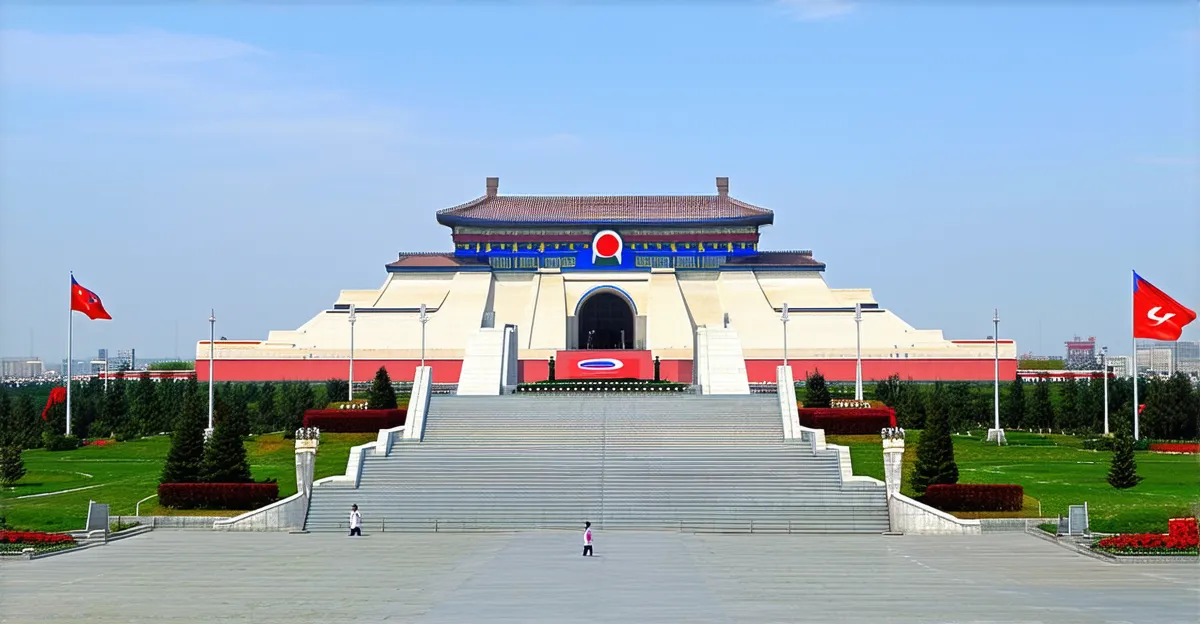
Table of Contents
Pyongyang Attractions: Unveiling the Capital’s Highlights in 2026
Discover the intriguing Pyongyang Attractions in 2026. Our guide offers insights into the most iconic and unique sites that make Pyongyang a fascinating destination. Explore the cultural landmarks and historical monuments that define this unique city.
Tower of the Juche Idea: A Monumental Start
For official information, visit Air Koryo.
For current hours, prices, and announcements, start with Grand People's Study House.
The Tower of the Juche Idea stands as a prominent symbol in Pyongyang, embodying the principles of Juche, or self-reliance. This towering structure, reaching a height of 170 meters, is not only a visual spectacle but also a representation of North Korea’s ideological commitment. It is located on the Taedong River’s bank, offering panoramic views of the city. Moreover, its architectural design and symbolic elements make it a must-visit landmark for anyone exploring Pyongyang Attractions.Exploring the Tower’s Significance
Visiting the Tower of the Juche Idea provides an insight into North Korea’s interpretation of self-reliance and independence. Completed in 1982 to honor Kim Il-sung’s 70th birthday, the tower is constructed from 25,550 blocks, each representing a day of Kim Il-sung’s life up to that point. Additionally, at the top of the tower, there is a 20-meter high illuminated torch, made of red glass, which glows brightly and can be seen across the city. Climbing to the top of the tower offers unparalleled views, making it one of the key Things to Do in Pyongyang. Furthermore, this experience allows visitors to reflect on the city’s landscape and its unique sociopolitical environment.
Pro Tip: Take some time to explore the surrounding park, which features sculptures and monuments that further elaborate on the Juche ideology. It is a great place to capture memorable photos and delve deeper into North Korean culture.
The tower is surrounded by various sculptures and pavilions, each adding to the site’s overall meaning and aesthetic appeal. The sculptures depict workers, farmers, and intellectuals, symbolizing the core elements of the Juche ideology. Furthermore, these artistic representations reinforce the theme of national pride and self-sufficiency. As you wander through the area, you’ll gain a greater appreciation for the importance of this ideology in North Korean society.
For those interested in exploring similar cultural sites and Pyongyang Experiences, consider visiting the Mansudae Grand Monuments to further appreciate the nation’s artistic expression and ideological foundations. You can also explore various Pyongyang Activities to immerse yourself in the local culture. Additionally, for travel options in the broader Korean peninsula, you might find interesting tours available from Seoul that offer a glimpse into the region’s complex history and modern life.
If you’re planning a visit to Pyongyang, make sure to check out the city tours to make the most of your trip.
Mansudae Grand Monuments: Paying Respect
The Mansudae Grand Monuments stand as a significant landmark in Pyongyang, representing a place of deep respect and historical importance. These colossal bronze statues of Kim Il-sung and Kim Jong-il are not merely artistic creations but also serve as central figures in the nation’s narrative. Visitors are expected to show reverence, typically by bowing before the statues, underscoring the site’s role in North Korean culture and identity. This visit provides a profound insight into the nation’s values and the way its history is commemorated.
Experiencing the Grandeur
Visiting the Mansudae Grand Monuments is a unique experience that offers a glimpse into the reverence afforded to the leaders of North Korea. Upon arrival, the sheer scale of the monuments is striking. It is common to see locals and tourists alike presenting flowers at the foot of the statues as a sign of respect. The site is meticulously maintained, reflecting its importance. Moreover, the solemn atmosphere encourages reflection on the historical and cultural context of Pyongyang Attractions. Remember to dress respectfully when visiting this site, as it is considered a formal place.
Pro Tip: Photography is permitted, but it is essential to capture the entire statue in the frame, avoiding any cropped or disrespectful images.
Besides the main statues, the surrounding area includes other sculptures depicting scenes from the anti-Japanese struggle and socialist revolution, further enriching the historical narrative presented at the site. These sculptures offer a visual representation of North Korea’s revolutionary history and the sacrifices made in the pursuit of independence and socialist ideals. Furthermore, understanding these historical references can deepen your appreciation for the Things to Do in Pyongyang and the national identity that they reinforce.
Visiting the Mansudae Grand Monuments is more than just sightseeing; it’s an immersive experience into the heart of North Korean culture. As you witness the rituals of respect and observe the grandeur of the monuments, you gain a greater understanding of the values and beliefs that shape this unique nation. It is, therefore, an essential stop for anyone looking to comprehend the complexities of North Korea.
To discover more about cultural experiences in Pyongyang and other Pyongyang Experiences, explore various cultural sites and activities to enrich your understanding.
Victorious Fatherland Liberation War Museum: Historical Insights
The Victorious Fatherland Liberation War Museum in Pyongyang offers a profound, albeit one-sided, glimpse into the Korean War. As one of the most significant Pyongyang Attractions, it showcases North Korea’s perspective on the conflict, portraying it as a victory against foreign aggression. A visit here provides invaluable, if curated, historical insights into the narratives that shape the nation’s identity. The museum complex is expansive, featuring numerous halls filled with war relics, dioramas, and propaganda posters. Furthermore, outdoor displays include captured military equipment, offering a stark visual representation of the war.
Exploring the Exhibits
Inside the museum, exhibits detail key battles and events from the North Korean perspective. The displays emphasize the heroism and resilience of the Korean People’s Army and highlight the perceived injustices perpetrated by foreign forces. Though the narrative is heavily skewed, observing these presentations offers a unique understanding of North Korea’s worldview. Additionally, tour guides provide detailed explanations, further reinforcing the national narrative. For those interested in Things to Do in Pyongyang, this museum is a must-see for grasping the nation’s historical consciousness.
Pro Tip: Be prepared for a highly nationalistic and propagandistic presentation. Viewing the exhibits with a critical eye allows for a deeper understanding of the North Korean perspective on the war.
The museum not only displays artifacts but also aims to immerse visitors in the atmosphere of the war. Dramatic music, lighting effects, and life-sized dioramas create a powerful, if biased, emotional experience. Moreover, the museum underscores the importance of self-reliance and the leadership of Kim Il-sung in achieving victory. As you explore the museum, consider how these narratives contribute to the national identity and collective memory. This immersive approach distinguishes it from conventional historical museums and emphasizes its role in shaping national ideology.
Visiting the Victorious Fatherland Liberation War Museum is an essential part of experiencing Pyongyang Activities. It provides a context for understanding the nation’s values, beliefs, and historical grievances. While the information presented is filtered, the experience offers a rare look into the North Korean mindset. For more Pyongyang Experiences, explore other cultural sites that offer diverse perspectives on the city’s identity.
To further enhance your understanding of Korean history, consider exploring related tours in South Korea. Book a DMZ tour from Seoul to gain additional insights into the Korean War and its ongoing impact.
Pyongyang Metro: A Ride into Daily Life
💡 Pro Tip: Book your Pyongyang adventures in advance through Viator for the best deals!
The Pyongyang Metro is more than just a transportation system; it’s a glimpse into the daily lives of Pyongyang residents. Known for its deep tunnels that double as bomb shelters, this metro system is one of the deepest in the world. Riding the Pyongyang Metro offers a unique cultural experience, allowing visitors to observe commuters and appreciate the ornate station designs. In addition, the stations showcase socialist realism art, adding a touch of grandeur to the everyday commute. Exploring this metro system is definitely one of the essential Things to Do in Pyongyang.
Experiencing the Architecture and Art
Each station within the Pyongyang Metro is designed with distinct themes and adorned with impressive mosaics, sculptures, and murals that depict scenes from North Korean history and ideology. For instance, the Puhung Station features a stunning mosaic depicting Kim Il-sung addressing a crowd. Moreover, the Yonggwang Station showcases intricate ceiling designs and bronze statues that exemplify North Korean artistry. As you ride between stations, these artistic displays provide insight into the country’s cultural values and historical narratives. Therefore, taking the time to appreciate the art and architecture is an integral part of the Pyongyang Metro experience.
Pro Tip: Engage with your tour guide to learn more about the symbolism and historical context of the artwork within each station. This will greatly enrich your understanding and appreciation.
Beyond its aesthetic appeal, the Pyongyang Metro offers practical insights into the daily routines of the city’s residents. During peak hours, the metro is bustling with commuters heading to work or returning home, providing an opportunity to observe local customs and interactions. While riding the metro, you’ll notice how orderly and efficient the system is, reflecting the values emphasized in North Korean society. Besides being a mode of transport, the metro serves as a social space where people connect and share their daily experiences. Furthermore, experiencing this routine can offer a deeper understanding of the local culture.
Visiting the Pyongyang Metro is an unforgettable journey that blends practical transportation with cultural immersion. To truly experience the local culture, consider adding this to your list of Pyongyang Activities. For those interested in further exploring the city’s cultural highlights, check out more Pyongyang activities. Additionally, you might want to explore other things to do in Pyongyang to make the most of your visit.
Ready to explore beyond Pyongyang? Discover more about the region with guided tours. Book your adventure now!
Kumsusan Palace of the Sun: A Revered Site
The Kumsusan Palace of the Sun, formerly known as the Kumsusan Memorial Palace, stands as one of the most significant and revered sites in Pyongyang. This grand mausoleum is dedicated to the eternal memory of Kim Il-sung and Kim Jong-il, the founding leaders of North Korea. It serves not only as their final resting place but also as a symbol of their enduring legacy and the nation’s deep respect for them. The palace’s sheer scale and meticulously maintained grounds underscore its importance in North Korean society. Visiting this site offers a unique glimpse into the nation’s reverence for its leaders and their ideologies.
A Place of Profound Significance
As you approach the Kumsusan Palace of the Sun, the atmosphere shifts to one of solemn respect. Strict dress codes and protocols are enforced to ensure the dignity of the site is maintained. Inside, the embalmed bodies of Kim Il-sung and Kim Jong-il lie in state within separate halls, each elaborately decorated. Moreover, visitors are guided through a series of rooms displaying personal artifacts, awards, and documents that chronicle their lives and achievements. The experience is designed to evoke a sense of awe and reverence, highlighting their contributions to the nation. Photography and conversation are strictly prohibited inside the palace to preserve its solemnity.
Pro Tip: Be sure to dress respectfully when visiting the Kumsusan Palace of the Sun. Formal attire is required, and visitors should be prepared to adhere to strict behavioral guidelines throughout the tour.
The surrounding grounds of the Kumsusan Palace are equally impressive, featuring expansive gardens, monuments, and statues that further commemorate the leaders. The landscape is meticulously maintained, providing a serene and contemplative environment. Additionally, the site is heavily guarded and access is tightly controlled, reflecting its importance and sensitivity. Visiting the palace complex is a highly structured and regulated experience, offering a rare insight into the values and beliefs upheld by the North Korean state. Beyond its function as a mausoleum, the palace also serves as a powerful symbol of national identity and political ideology. For those interested in exploring other cultural sites, consider checking out the Pyongyang activities available.
Exploring Pyongyang Attractions often includes sites like this, giving visitors a deeper understanding of the nation’s history and culture. To enrich your visit to Pyongyang, you may also consider exploring the Pyongyang Experiences, for unique insights and perspectives.
To delve deeper into the history and culture of Korea, consider exploring tours around the DMZ. You can book a guided tour to the DMZ from Seoul here.
Grand People’s Study House: An Architectural Marvel
The Grand People’s Study House is not only a significant architectural landmark in Pyongyang but also serves as a central hub for education and intellectual pursuits. Situated prominently in Kim Il-sung Square, this grand structure offers an extensive collection of books, lecture halls, and study rooms designed to promote lifelong learning and cultural enrichment. Indeed, the building’s design reflects traditional Korean architectural styles, which blend seamlessly with modern functionalities, making it a captivating sight for visitors and a vital institution for locals. Its role in fostering knowledge and providing access to a vast array of information makes it a cornerstone of Pyongyang’s cultural landscape.
Exploring the Library’s Vast Collection
Inside the Grand People’s Study House, one can discover an enormous collection of books, journals, and multimedia resources, covering a wide range of subjects from science and technology to literature and the arts. As a result, the library is a crucial resource for students, researchers, and anyone eager to expand their knowledge. Moreover, guided tours are often available, offering insights into the library’s organization and its significance within North Korean society. The meticulous preservation and accessibility of these resources highlight the country’s emphasis on education and self-improvement. To further explore the city’s cultural hotspots, check out these Pyongyang Activities.
Pro Tip: Plan your visit to coincide with a lecture or cultural event to fully appreciate the Grand People’s Study House’s role as a vibrant center for intellectual exchange.
Visiting the Grand People’s Study House provides a unique glimpse into North Korea’s dedication to education and its efforts to preserve and promote its cultural heritage. In addition to serving as a library, the building hosts various educational programs and cultural events that draw both local residents and international visitors. Additionally, the architecture itself is a testament to North Korean design and construction prowess. Therefore, a visit here is both educational and visually rewarding, offering a deeper understanding of the country’s values and aspirations. Also, be sure to explore other Things to Do in Pyongyang to get a well-rounded experience.
For those interested in experiencing Pyongyang’s key attractions, visiting the Grand People’s Study House is an essential stop. Not only does it showcase the nation’s commitment to learning, but it also stands as a symbol of architectural grandeur and cultural pride. Don’t miss the opportunity to explore this magnificent building and discover the wealth of knowledge it holds. For those planning a trip to South Korea, consider exploring the DMZ: Book your DMZ tour here.
Moranbong Park: Nature and Recreation
Moranbong Park stands as a serene escape in the heart of Pyongyang, offering both locals and visitors a chance to connect with nature and enjoy recreational activities. This historic park, known for its lush landscapes and significant monuments, provides a unique blend of relaxation and cultural enrichment. Moreover, it serves as a central location for various social gatherings and celebrations throughout the year. Whether you’re looking to unwind amidst natural beauty or immerse yourself in local traditions, Moranbong Park is a must-visit destination.
Things to Do and See in Moranbong Park
Within Moranbong Park, you can explore several key Pyongyang Attractions. The park features historical pavilions, scenic viewpoints, and tranquil walking paths. Additionally, the Pyongyang TV Tower, located on the grounds, offers panoramic views of the city. During weekends and holidays, the park comes alive with families enjoying picnics, couples strolling hand-in-hand, and groups participating in traditional games. Furthermore, the park’s natural beauty provides a refreshing contrast to the urban environment. Exploring Pyongyang Activities in Moranbong allows for a deeper understanding of the local culture and lifestyle. For more insights on local experiences, you can discover cultural activities in Pyongyang.
Pro Tip: Visit Moranbong Park during one of the national holidays to witness vibrant celebrations and performances that showcase North Korean culture and traditions.
Besides its recreational offerings, Moranbong Park is also home to several monuments and historical sites. These landmarks provide insights into North Korea’s history and are often visited by those interested in Things to Do in Pyongyang beyond the usual tourist spots. For instance, the park includes the historic Ulmil Pavilion and various statues and memorials. As a result, visitors can combine leisure with learning, gaining a deeper appreciation for the country’s heritage. Moreover, the serene environment encourages reflection and contemplation, making it a valuable experience for anyone interested in Pyongyang Outdoor Activities.
Lastly, consider taking some time to simply relax and absorb the atmosphere of Moranbong Park. It’s a place where you can observe daily life, appreciate the beauty of the natural surroundings, and escape from the city’s hustle and bustle. Therefore, whether you are interested in history, nature, or simply a peaceful retreat, Moranbong Park offers a unique and rewarding experience in Pyongyang. To delve deeper into the attractions, you can explore more Pyongyang attractions. If you’re interested in guided tours, check out this Seoul night tour as an alternative perspective on Korean culture.
Kim Il-sung Square: The Heart of Pyongyang
Kim Il-sung Square stands as the central public space in Pyongyang, North Korea, and serves as a focal point for national events, military parades, and public gatherings. Its grandeur and historical significance make it a must-see destination for anyone visiting the city. As a sprawling plaza, the square offers an immersive experience into the country’s culture and political landscape. It is, therefore, an essential stop on any tour of Pyongyang Attractions. The square not only embodies the nation’s identity but also hosts some of the most significant moments in its history. Whether witnessing a formal event or simply taking in the surroundings, visitors gain a unique perspective on North Korean life.
A Stage for National Pride
The square is often the venue for large-scale demonstrations and celebrations, showcasing national pride and unity. These events are meticulously choreographed, presenting a powerful visual display of solidarity. Moreover, the square’s location, surrounded by important buildings such as the Grand People’s Study House and the Korean Central History Museum, enhances its symbolic importance. Consequently, attending an event here offers unparalleled insight into the nation’s collective spirit. During these gatherings, the atmosphere is electric, with thousands of participants displaying synchronized performances that reflect deep-rooted cultural values.
Pro Tip: Check local event schedules in advance to possibly witness a parade or celebration at Kim Il-sung Square, offering a rare glimpse into North Korean public life.
Moreover, beyond the grand events, Kim Il-sung Square provides a space for daily life. Locals often come here to relax, practice traditional dances, or simply enjoy the open space. This everyday use of the square allows visitors to see a more candid side of Pyongyang, beyond the formal displays. Indeed, observing these ordinary moments offers a contrast to the monumental scale of the surrounding architecture. It is a place where the past and present converge, providing a poignant backdrop for understanding the city’s dynamic.
For travelers looking for Things to Do in Pyongyang, a visit to Kim Il-sung Square offers a blend of historical perspective and cultural immersion. The sheer scale of the square and its surrounding monuments make it a memorable experience. While exploring, consider the nearby attractions and activities to further enrich your visit. Additionally, you might find unique local experiences that provide deeper insights into Pyongyang’s culture.
To delve deeper into North Korean history and culture, consider joining a guided tour that includes Kim Il-sung Square and other significant landmarks. Explore guided tour options here.
Ready to explore the best Pyongyang Attractions? Start planning your journey today and discover why Pyongyang is a unique destination in 2026!
Frequently Asked Questions
A: Some must-see Pyongyang Attractions include the Tower of the Juche Idea, Mansudae Grand Monuments, and the Victorious Fatherland Liberation War Museum.
A: Spring and fall offer the most pleasant weather for exploring Pyongyang, making it ideal for visiting various attractions.
A: Consider visiting the Kumsusan Palace of the Sun or taking a ride on the Pyongyang Metro for a glimpse into local life.
A: Many Pyongyang Attractions have specific dress codes, such as respectful attire when visiting monuments or historical sites. It’s wise to check in advance.
A: Booking through a reputable tour operator is essential for accessing and understanding Pyongyang’s attractions, as independent travel is restricted.